Food & Culture
Did the Buddha Visit Sri Lanka? The Three Visits and Where to See Them
Sri Lankan Buddhist tradition holds that the Buddha visited the island three times. Here's the story of each visit, what historians say, and the temples where you can follow it today.
By Sri Lanka Travel Guides Editorial TeamUpdated 27 November 20263 min read
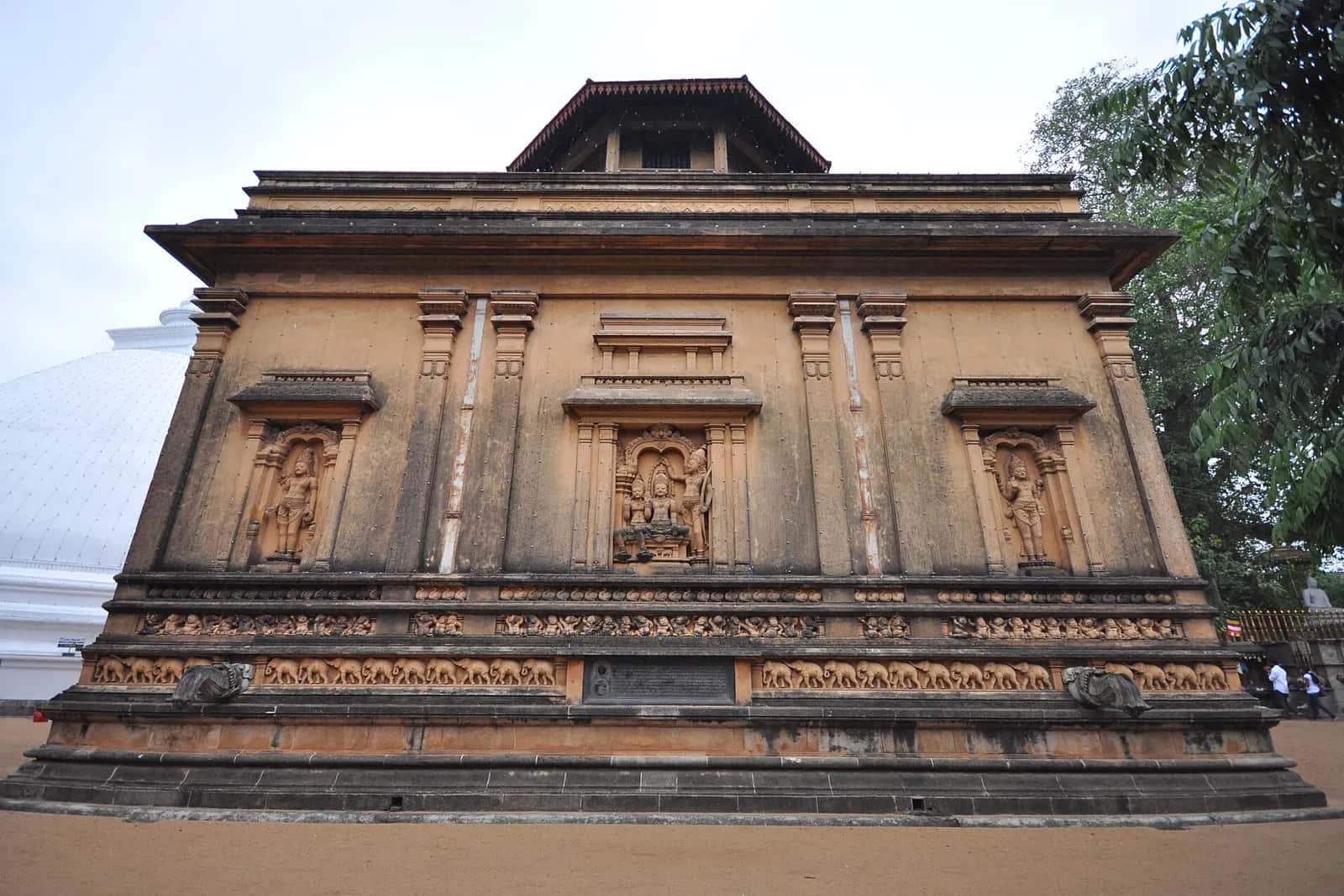
Ask a Sri Lankan Buddhist whether the Buddha came to the island, and you'll probably hear about three visits, made during his lifetime in the 6th or 5th century BCE. The story is told in the island's ancient chronicles and is woven into the sacred geography of the country: each visit is linked to a temple that pilgrims still visit today. Historians treat the visits as legend, but understanding them adds a great deal to any temple visit.
The short answer
According to Sri Lankan tradition, recorded in chronicles such as the Mahavamsa, the Buddha visited Sri Lanka three times: to Mahiyangana, to Nagadeepa and to Kelaniya. There's no archaeological or independent historical evidence for these visits. What is historically documented is that Buddhism arrived in the 3rd century BCE, brought by the monk Mahinda, son of the Indian emperor Ashoka.
The first visit: Mahiyangana
The chronicles say that in the ninth month after his enlightenment, the Buddha travelled to Mahiyangana, in the east of the island, where he calmed the hostile Yakkha people who lived there. A stupa built at the spot is said to enshrine a lock of his hair, given to a local chief.
Today, the large white stupa of the Mahiyanganaya temple stands near the Mahaweli river, a short drive from the Vedda community at Dambana. It's an important pilgrimage site, especially at the September full moon.
The second visit: Nagadeepa
Five years after his enlightenment, the Buddha is said to have returned to settle a dispute between two Naga kings, an uncle and nephew, who were about to go to war over a gem-studded throne. He preached to them and made peace, and the throne was left as an object of worship.
The site is identified with Nagadeepa on Nainativu island, off Jaffna, where a Buddhist temple stands near the famous Hindu Nagapooshani Amman Kovil. Reaching it involves a causeway drive and a short boat ride; see our Jaffna islands day trip.
The third visit: Kelaniya
In the eighth year, the Buddha is said to have come at the invitation of Maniakkhika, a Naga king, to Kelaniya, just outside Colombo. Tradition holds that on this visit he also travelled to the mountain of Sri Pada, where he left his footprint on the summit, and to several other places.
The Kelaniya Raja Maha Vihara, about 20 minutes from central Colombo, is one of the most beautiful temples near the capital, with fine 20th-century murals telling the island's Buddhist history. It hosts the Duruthu Perahera procession at the January full moon.
The footprint on Adam's Peak
The footprint-shaped hollow on the summit of Adam's Peak (Sri Pada) is sacred to four faiths. Buddhists believe it is the Buddha's footprint from his third visit; Hindus say it is Shiva's; Muslims and many Christians associate it with Adam. Pilgrims climb through the night during the season, from about December to May, to see the sunrise; see our Adam's Peak climb guide.
The sixteen sacred places
Sri Lankan Buddhists honour sixteen places, the Solosmasthana, said to have been sanctified by the Buddha's visits or to hold his relics. Besides Mahiyangana, Nagadeepa, Kelaniya and Sri Pada, they include the Sri Maha Bodhi and the great stupas of Anuradhapura such as Ruwanwelisaya, the Muthiyangana temple in Badulla, and the Kiri Vehera at Kataragama. Visiting several of them is a traditional pilgrimage; see our Buddhist pilgrimage guide.
How Buddhism really arrived
The historical story begins around 250 BCE, when Mahinda met King Devanampiya Tissa at Mihintale, near Anuradhapura, and converted him to Buddhism. Mahinda's sister, the nun Sanghamitta, later brought a cutting of the Bodhi tree from India, which grew into the Sri Maha Bodhi, still venerated in Anuradhapura. The meeting is celebrated every year at the Poson full moon in June. Our history of Sri Lanka for travellers tells the wider story.
Visiting respectfully
At all these sites, cover your shoulders and knees, remove your shoes and hat, and never pose with your back to a Buddha statue for photos. Full-moon Poya days are the busiest and most atmospheric times to visit. More tips are in our culture and etiquette guide.
Frequently asked questions
Did the Buddha really visit Sri Lanka?
Buddhist tradition says he visited three times, but there's no historical evidence. Historians date the arrival of Buddhism to the 3rd century BCE.
Where did the Buddha visit in Sri Lanka?
According to tradition: Mahiyangana, Nagadeepa on Nainativu island, and Kelaniya, with the footprint on Adam's Peak linked to the third visit.
Is the footprint on Adam's Peak the Buddha's?
Buddhists believe so. Hindus, Muslims and Christians have their own traditions about the same footprint.
Who brought Buddhism to Sri Lanka?
The monk Mahinda, son of the Indian emperor Ashoka, around 250 BCE.
Turn this into a plan
Our free AI trip planner builds a day-by-day Sri Lanka itinerary for your dates, with realistic travel times.
Plan my tripQuestions & comments
Share a tip or ask a question. Comments are moderated.
- No comments yet — be the first.
Keep planning
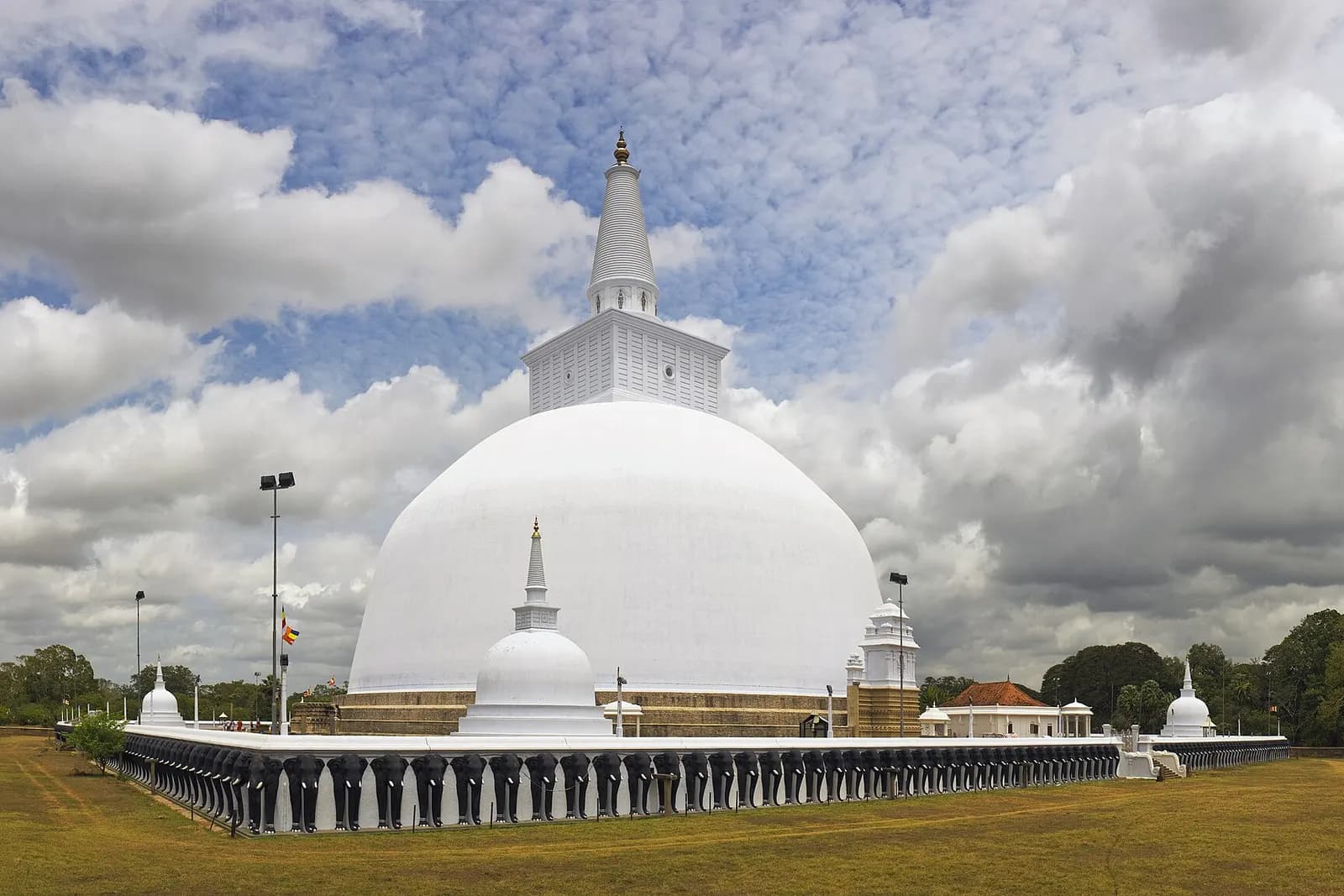
Poya Days in Sri Lanka: What Travellers Need to Know
Every full moon is a public holiday in Sri Lanka. Here's what happens on a poya day, what's closed, the alcohol rules and how to make the most of it.
19 Nov 2026· 2 min read
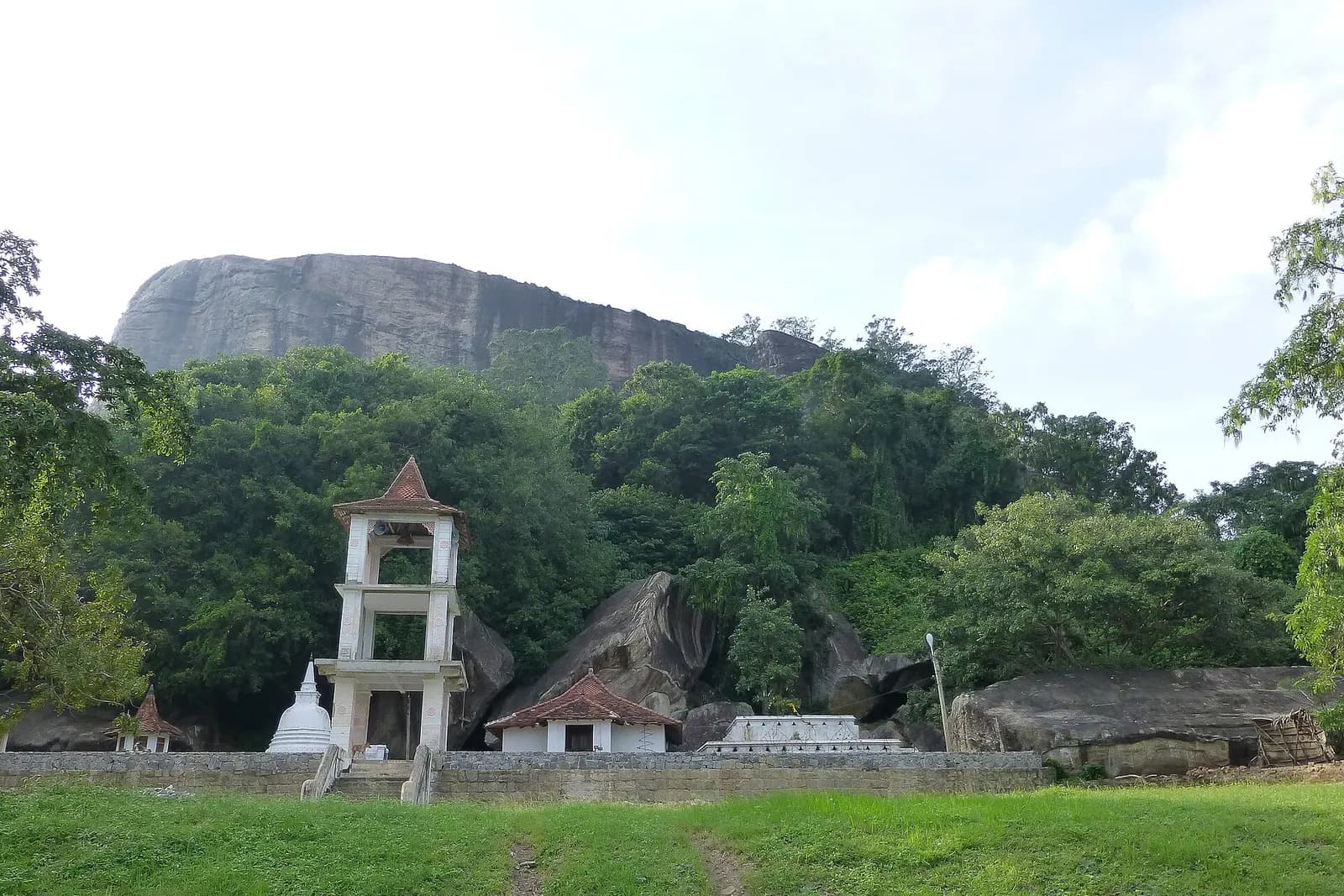
A Short History of Sri Lanka for Travellers
Knowing a little history transforms a visit to Sri Lanka's ancient cities, forts and temples. Here's the island's 2,500-year story in a few minutes' reading.
19 Nov 2026· 3 min read
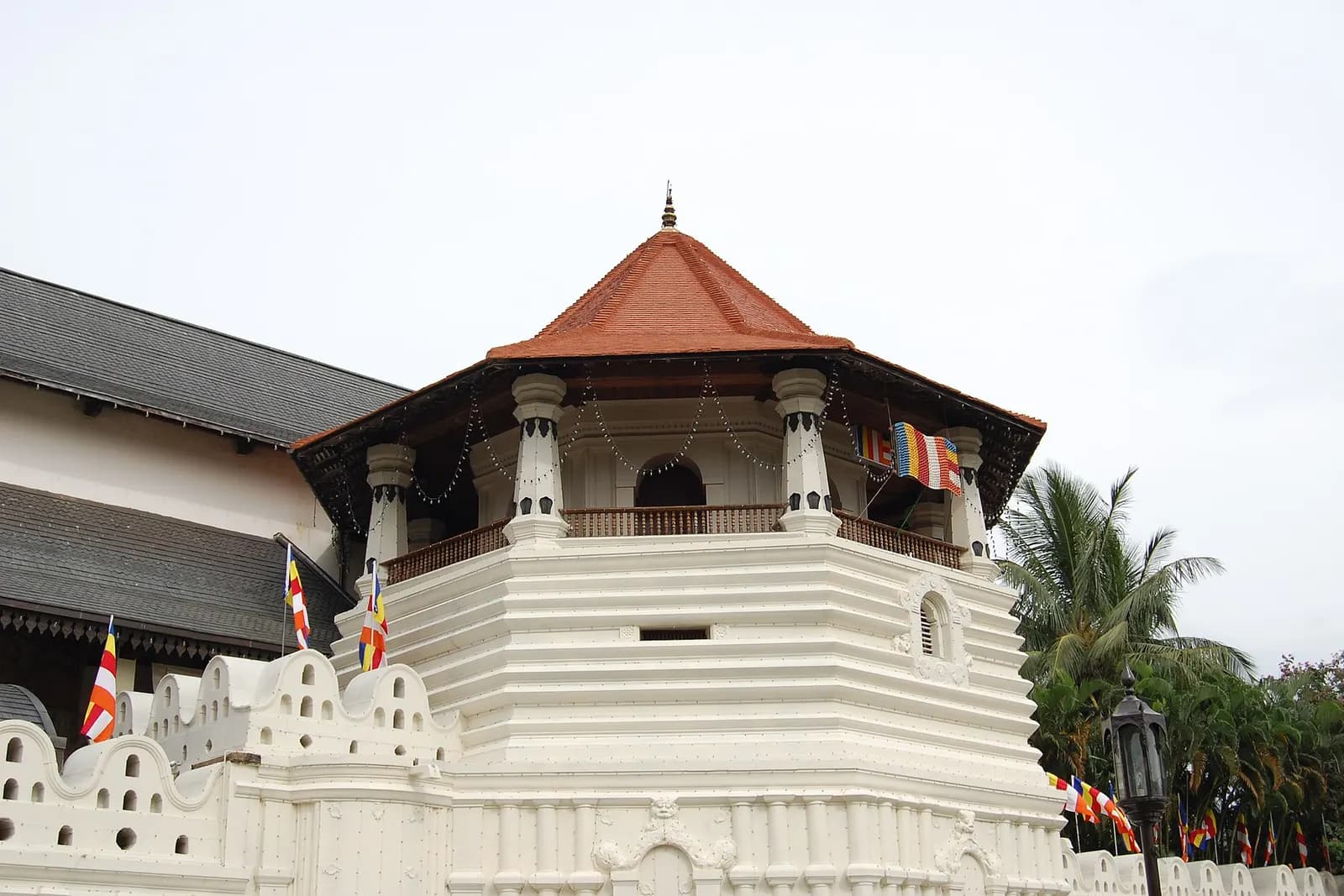
Sri Lanka Culture & Etiquette: Temple Rules and Local Customs
A few simple customs go a long way in Sri Lanka. Here's how to dress and behave at temples, why Buddha images are treated so seriously, and everyday etiquette that locals appreciate.
19 Nov 2026· 2 min read