The Cultural Triangle
Ancient capitals, rock fortresses, cave temples and elephant gatherings.
The dry-zone plains between Anuradhapura, Polonnaruwa and Kandy hold most of Sri Lanka’s UNESCO heritage. Sigiriya’s palace on a 200-metre rock, the painted caves of Dambulla, the brick dagobas of Anuradhapura and the carved Buddhas of Polonnaruwa’s Gal Vihara span more than 1,500 years of history. Base yourself in Sigiriya, Dambulla or Habarana and you can reach most sites within an hour — and squeeze in an afternoon jeep safari to see elephants at Minneriya or Kaudulla.
Highlights
- Climbing Sigiriya Rock
- Sunrise from Pidurangala
- Cycling Polonnaruwa’s ruins
- Elephants at Minneriya
Places to visit in The Cultural Triangle
heritageThe Cultural Triangle
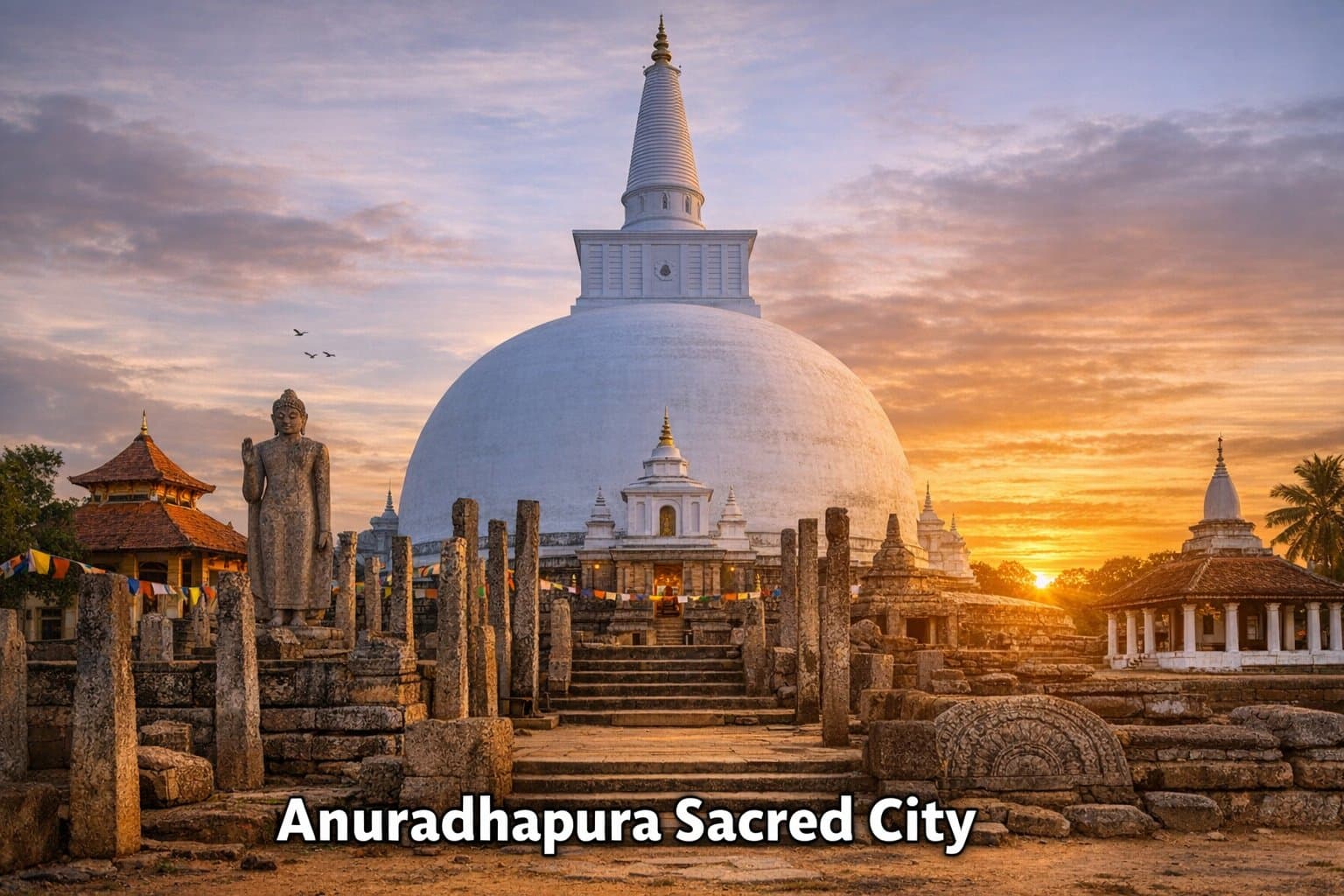
Anuradhapura Sacred City
Sri Lanka's first great capital, ruling for over a thousand years, with colossal stupas and the Sri Maha Bodhi — grown from a cutting of the tree under which the Buddha was enlightened. Still an active pilgrimage city.
Best: February to September
 heritage
The Cultural Triangle
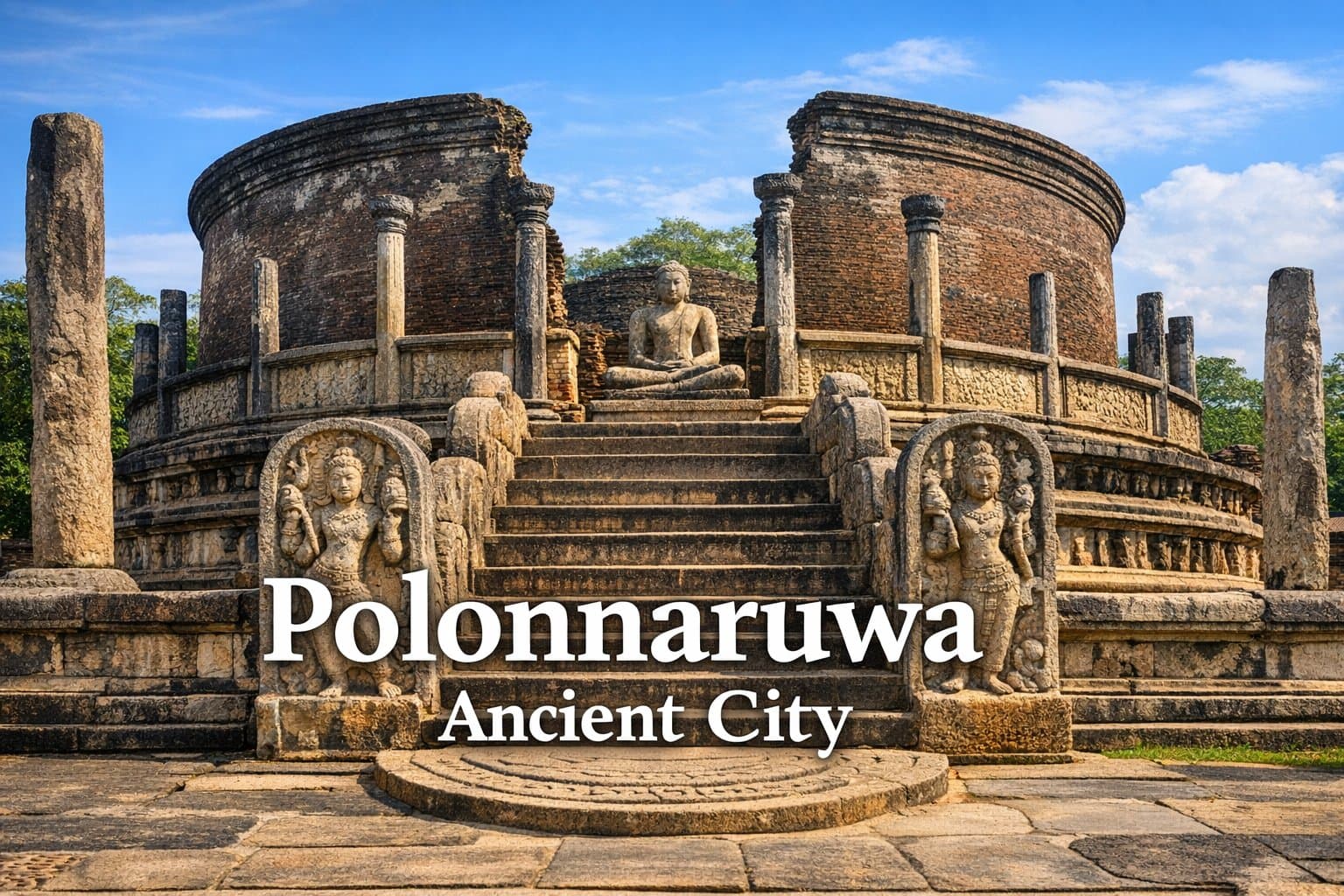
Polonnaruwa Ancient City
The medieval royal capital of the 11th–12th centuries and a UNESCO site, more compact and better preserved than Anuradhapura. Explore by bicycle: palaces, the Quadrangle and the Gal Vihara statues.
Best: February to September
 wildlife
The Cultural Triangle
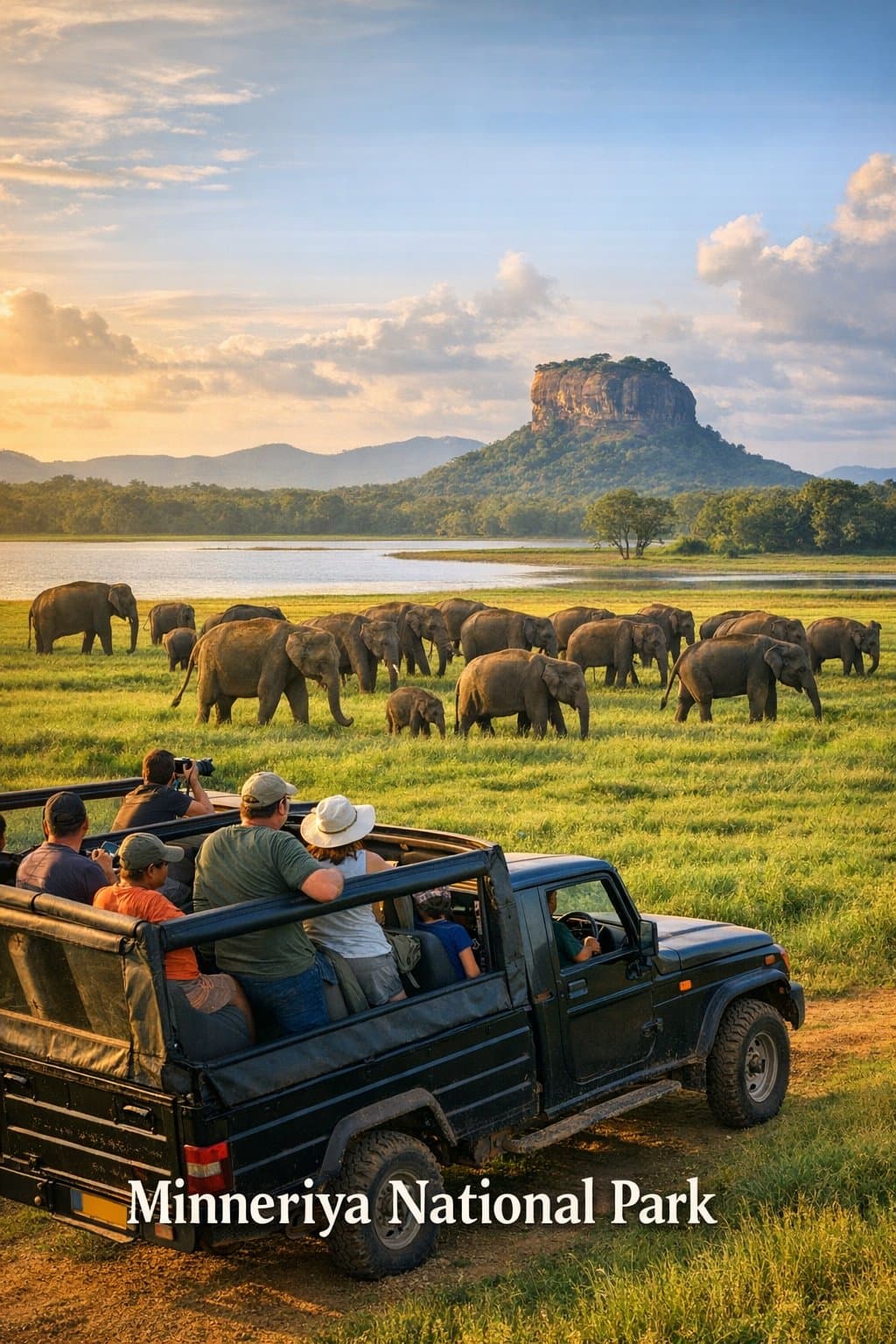
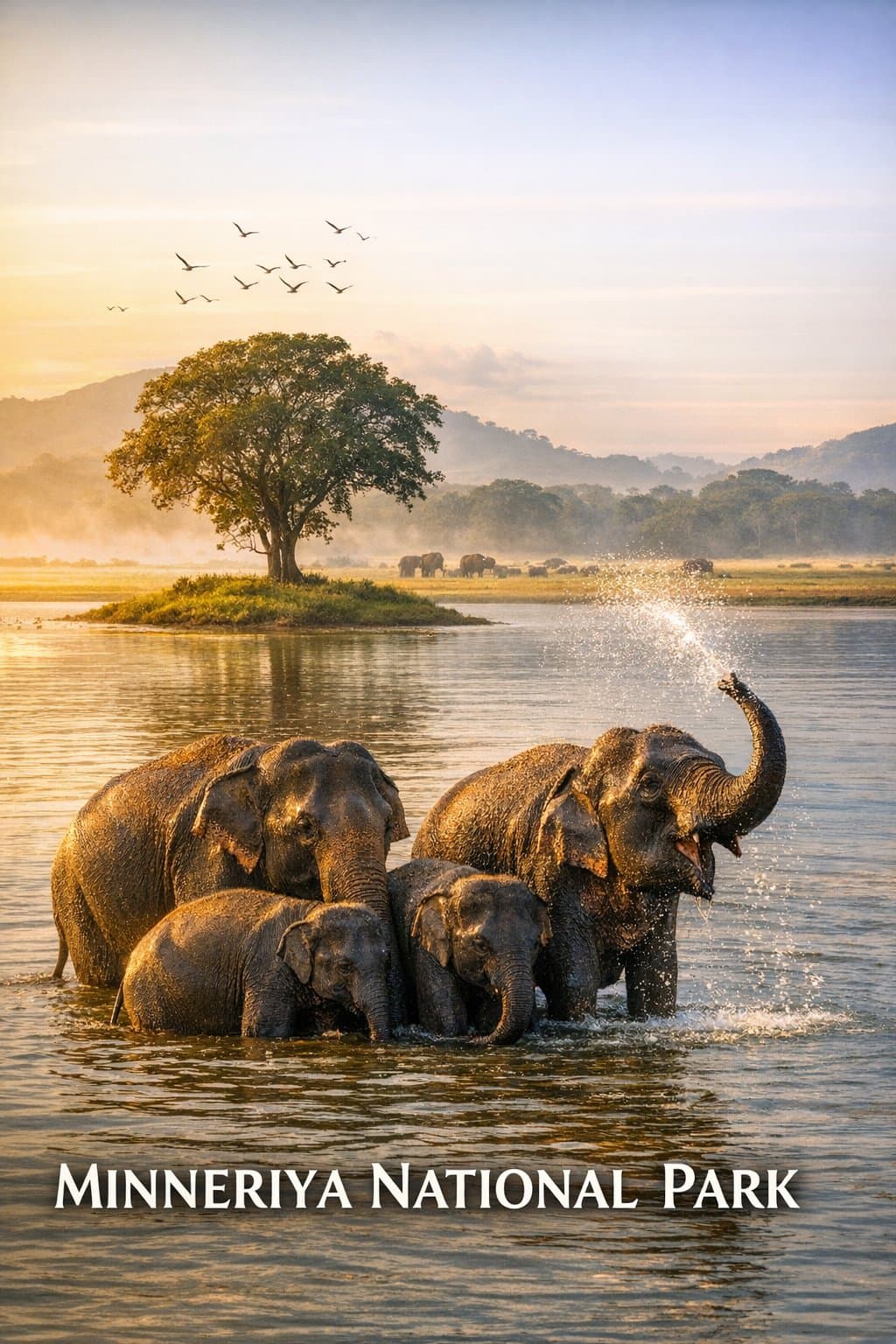
Minneriya National Park
Famous for 'The Gathering', when hundreds of elephants converge on the receding ancient reservoir in the dry season. Rangers and drivers may switch you to Kaudulla or Eco Park depending on the herds.
Best: July to October (the Gathering)
 adventure
The Cultural Triangle
Pidurangala Rock
The neighbouring rock to Sigiriya, with a temple at its base and the best view of Sigiriya from its summit. A short, steep climb with a boulder scramble at the end — classic for sunrise.
Best: February to September
 heritage
The Cultural Triangle
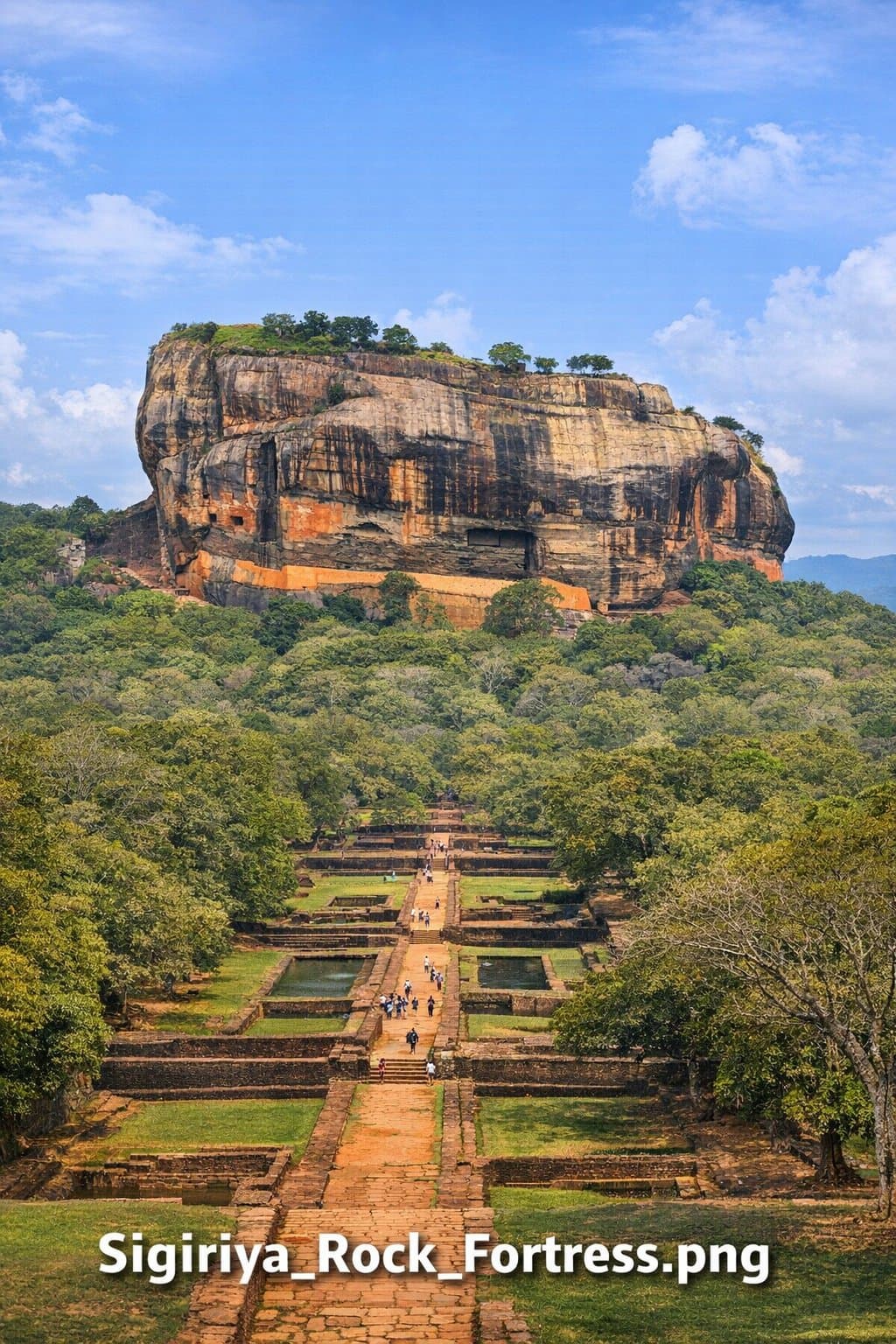
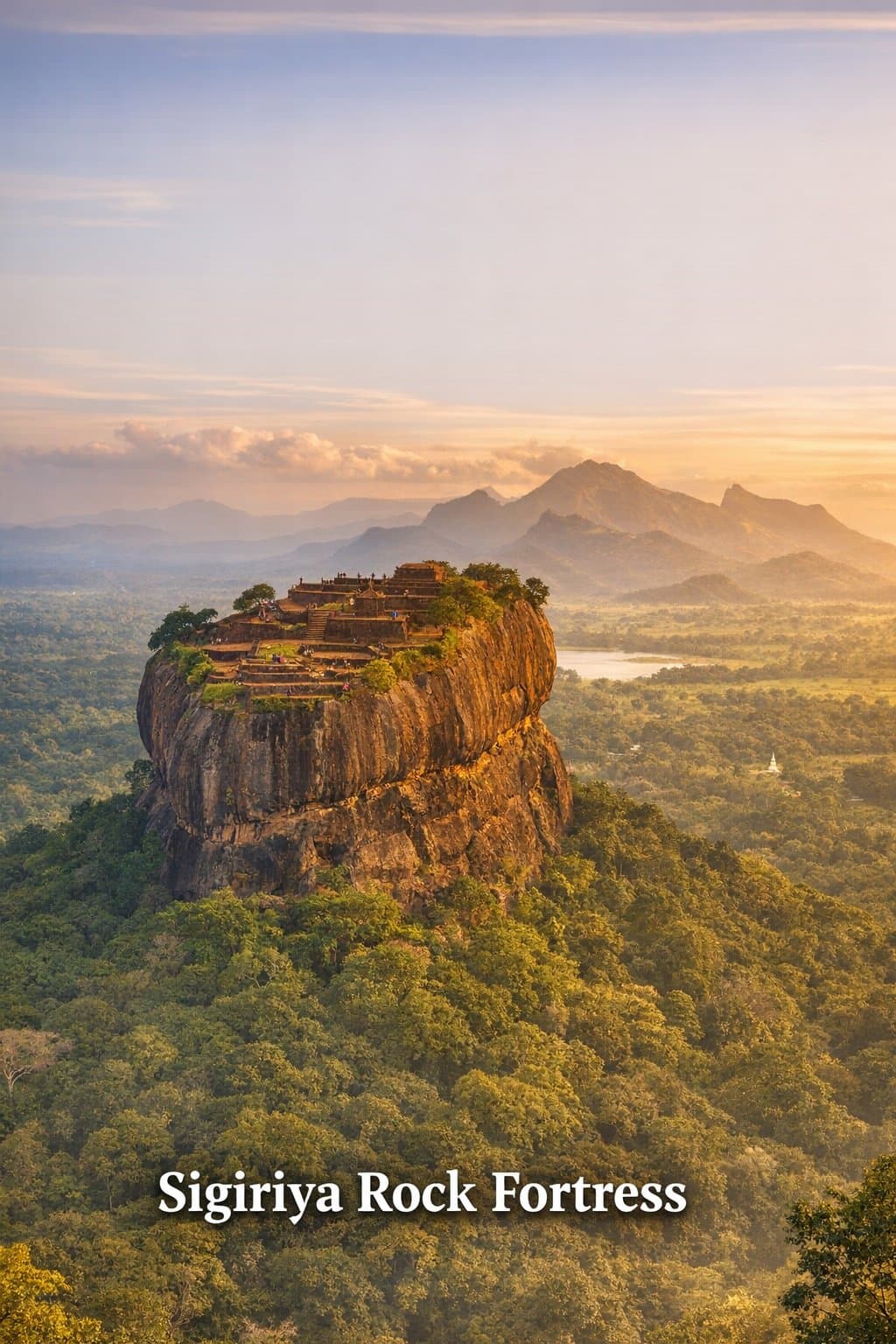
Sigiriya Rock Fortress
King Kashyapa's 5th-century palace on top of a 200-metre rock, with water gardens, frescoes and the giant lion's paws. Sri Lanka's most iconic sight — go at opening time to beat heat and crowds.
Best: February to September
 heritage
The Cultural Triangle
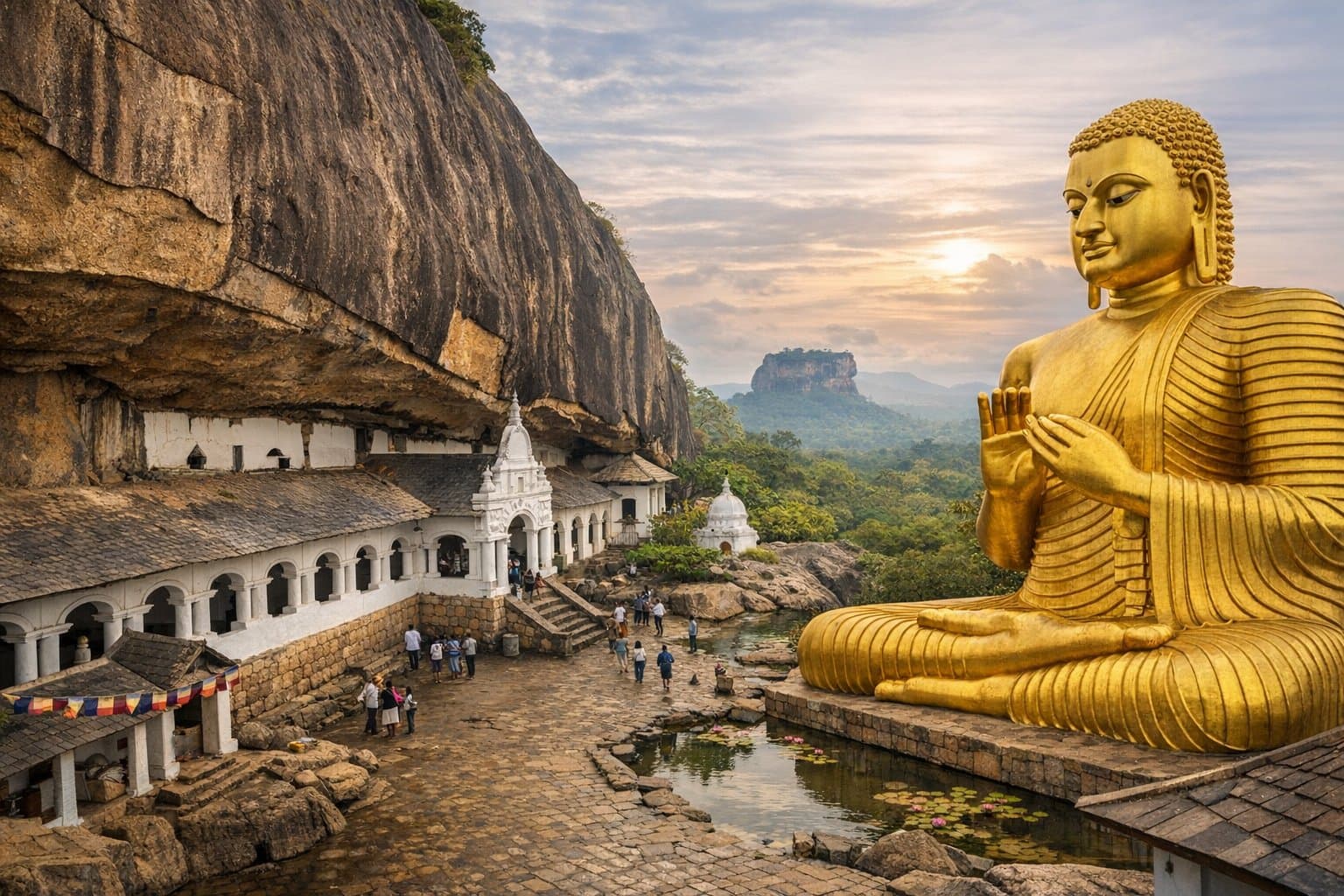
Dambulla Cave Temple
A UNESCO-listed complex of five caves filled with Buddha statues and painted ceilings, in use for over 2,000 years. Climb in the early morning and remove shoes and hats at the top.
Best: February to September
 nature
The Cultural Triangle
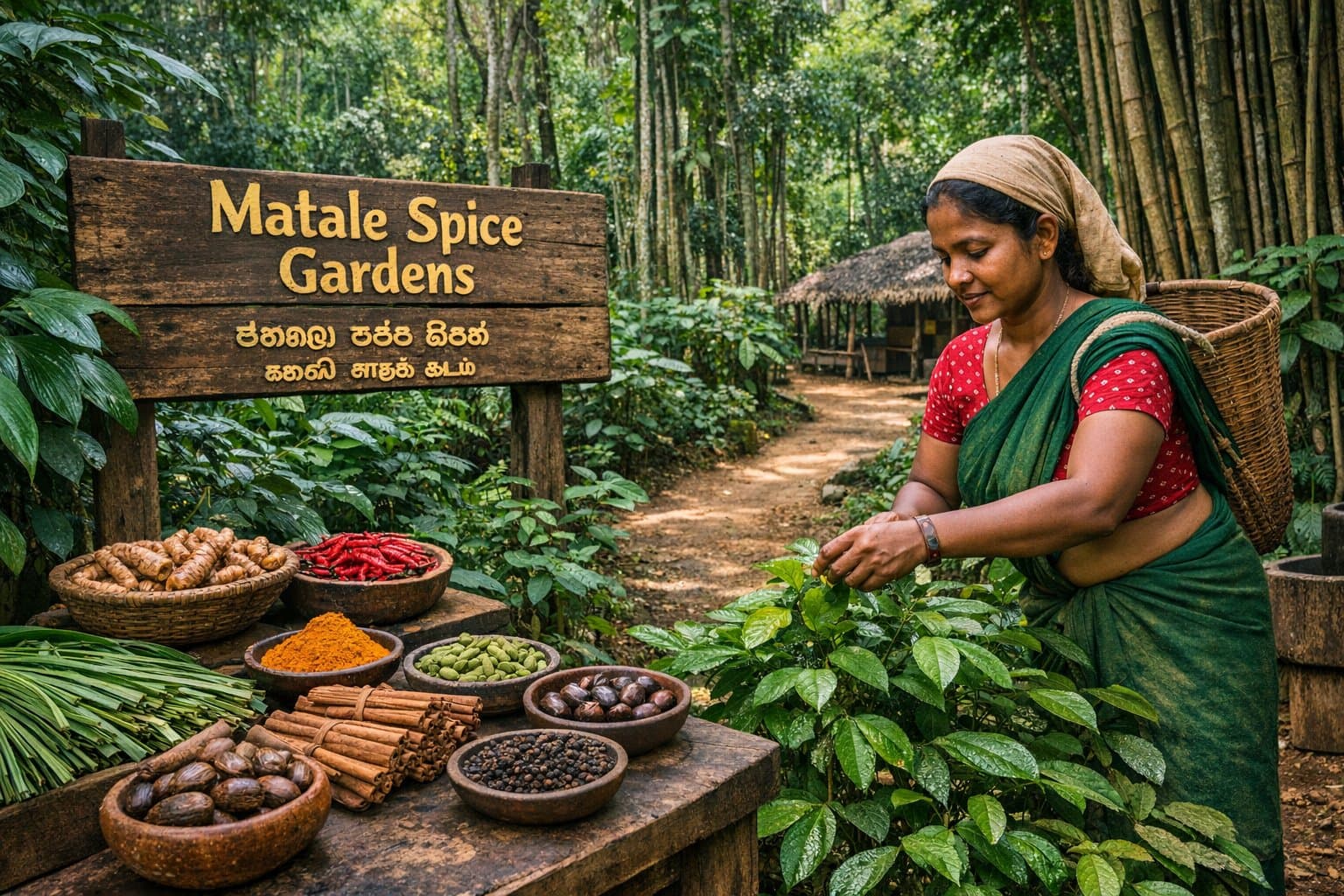
Matale Spice Gardens
Spice gardens along the Kandy–Dambulla road showing cinnamon, cardamom, pepper and vanilla. Interesting, but expect a sales pitch; prices are usually far higher than in local markets.
Best: Year-round
 heritage
The Cultural Triangle
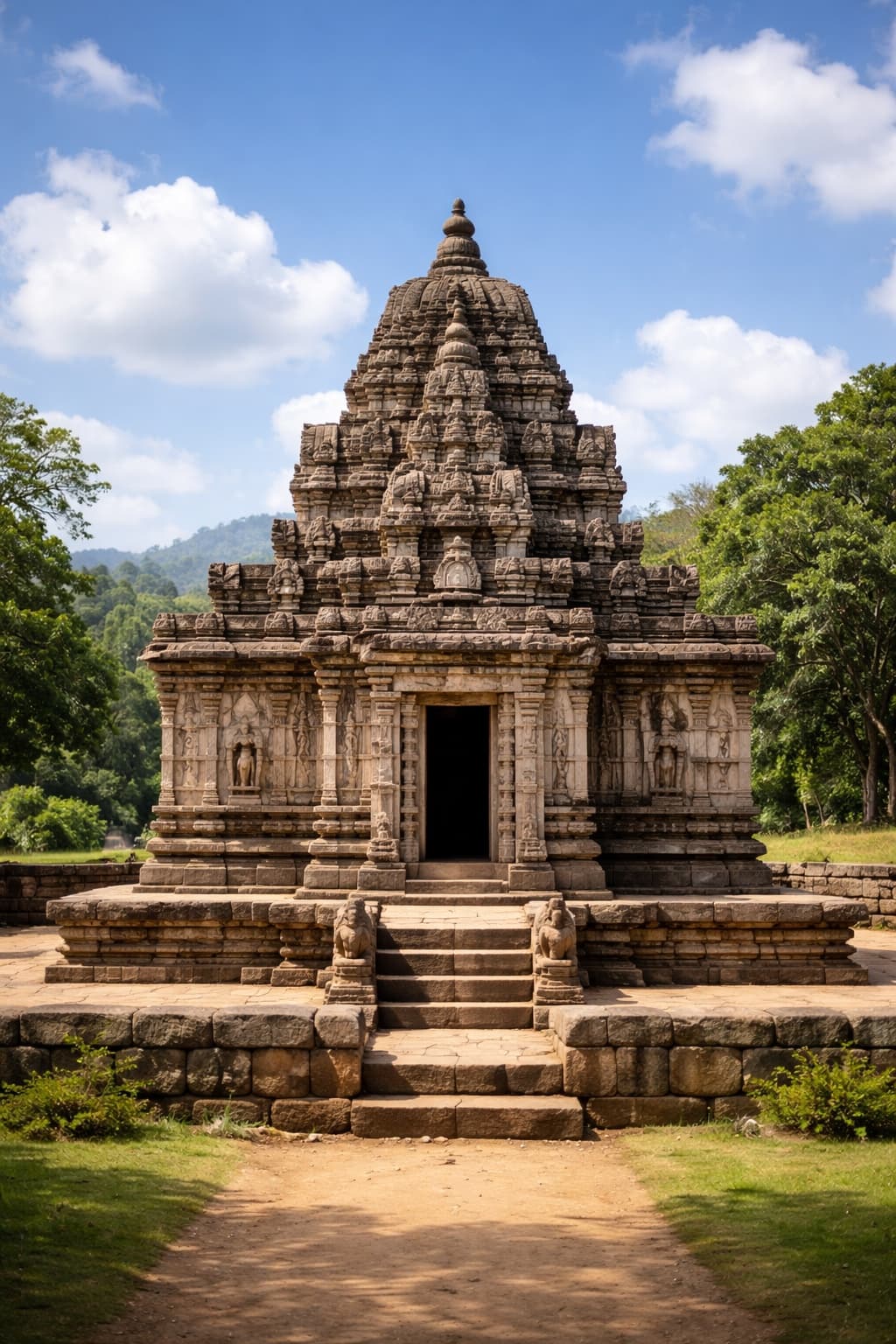
Nalanda Gedige
A stone temple near Matale built in a South Indian style but with Buddhist and Hindu elements, said to stand close to the geographic centre of Sri Lanka. A quiet stop between Kandy and Dambulla.
Best: February to September
 religious
The Cultural Triangle
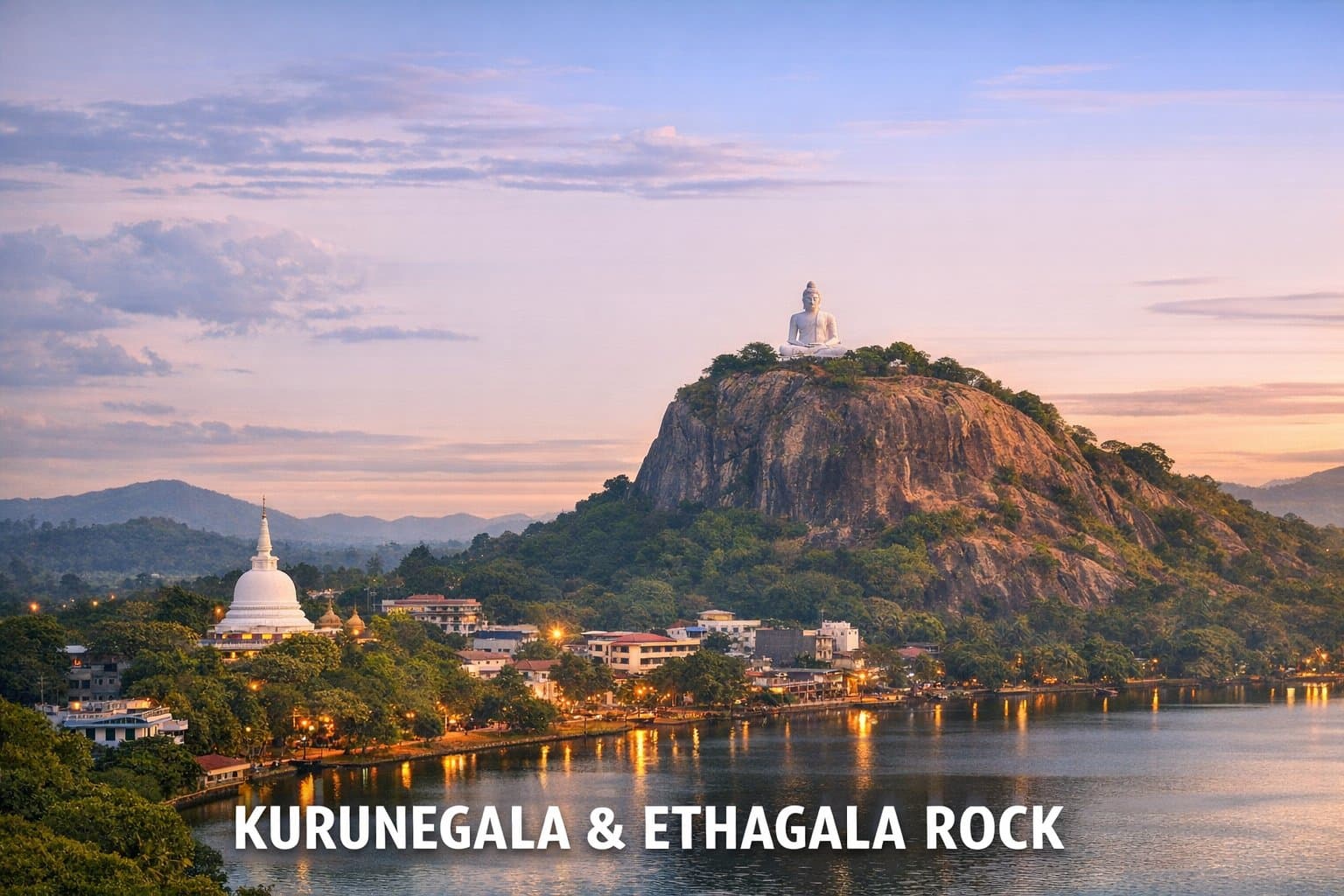
Kurunegala & Ethagala Rock
Kurunegala's 'Elephant Rock', topped by a large white Buddha statue overlooking the city and its lake. Drive or climb up in the late afternoon for the view.
Best: February to September
 heritage
The Cultural Triangle
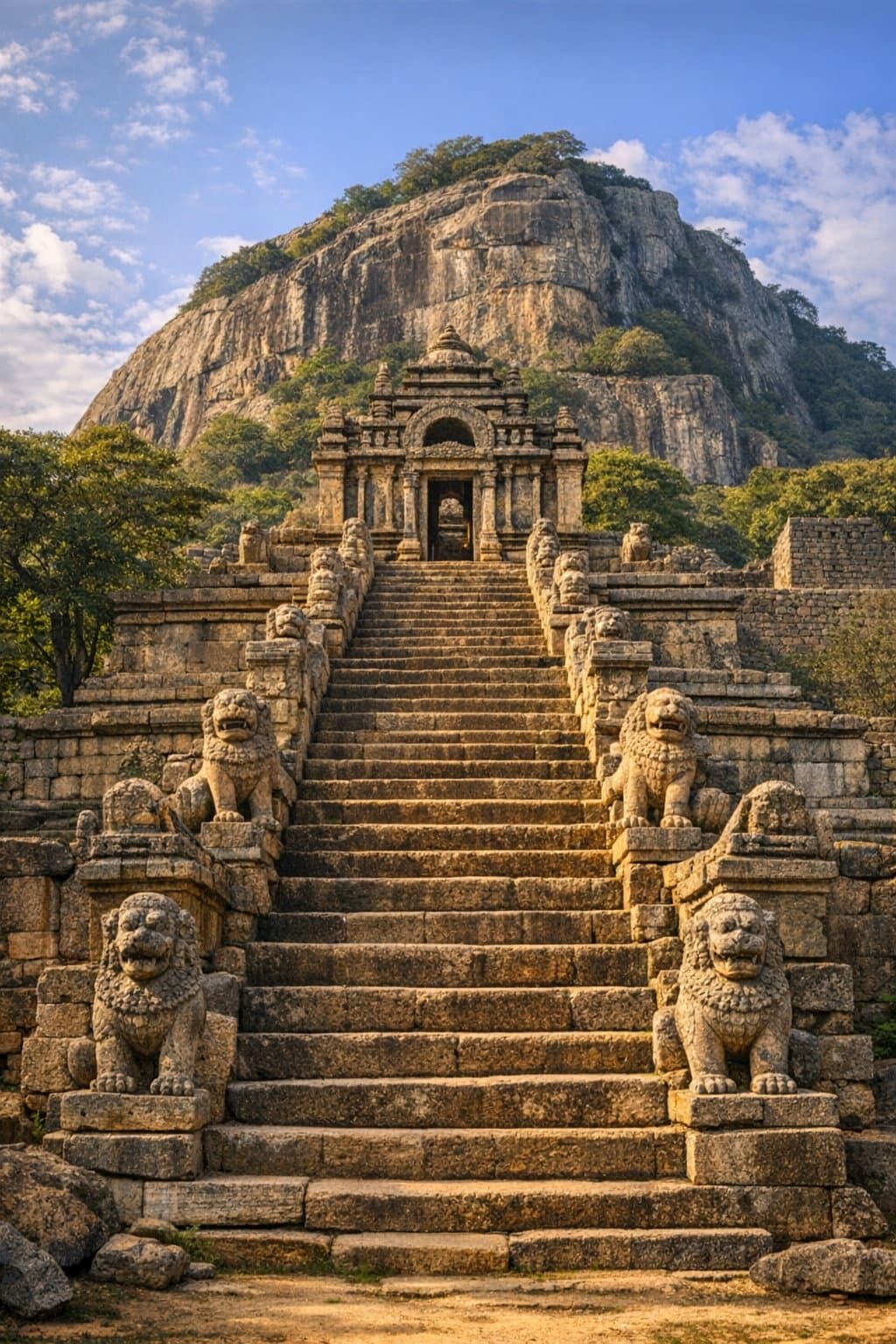
Yapahuwa Rock Fortress
A 13th-century rock capital with a steep, ornately carved stone staircase — a smaller, quieter alternative to Sigiriya. It once briefly housed the Tooth Relic.
Best: February to September
 heritage
The Cultural Triangle
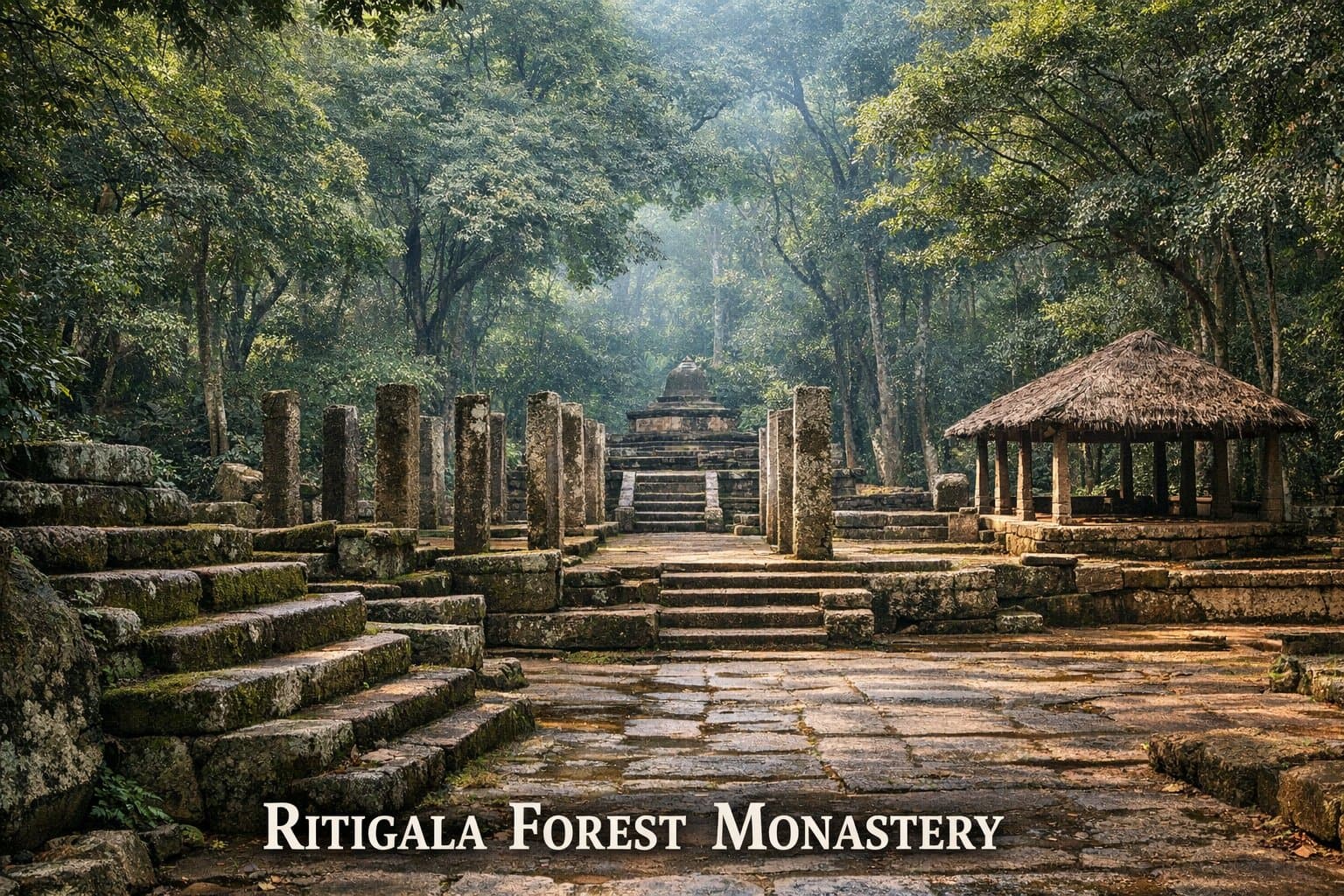
Ritigala Forest Monastery
Ruins of an ancient forest monastery scattered through jungle on the slopes of Ritigala mountain, with stone walkways and meditation platforms. Atmospheric and rarely crowded.
Best: February to September
 heritage
The Cultural Triangle
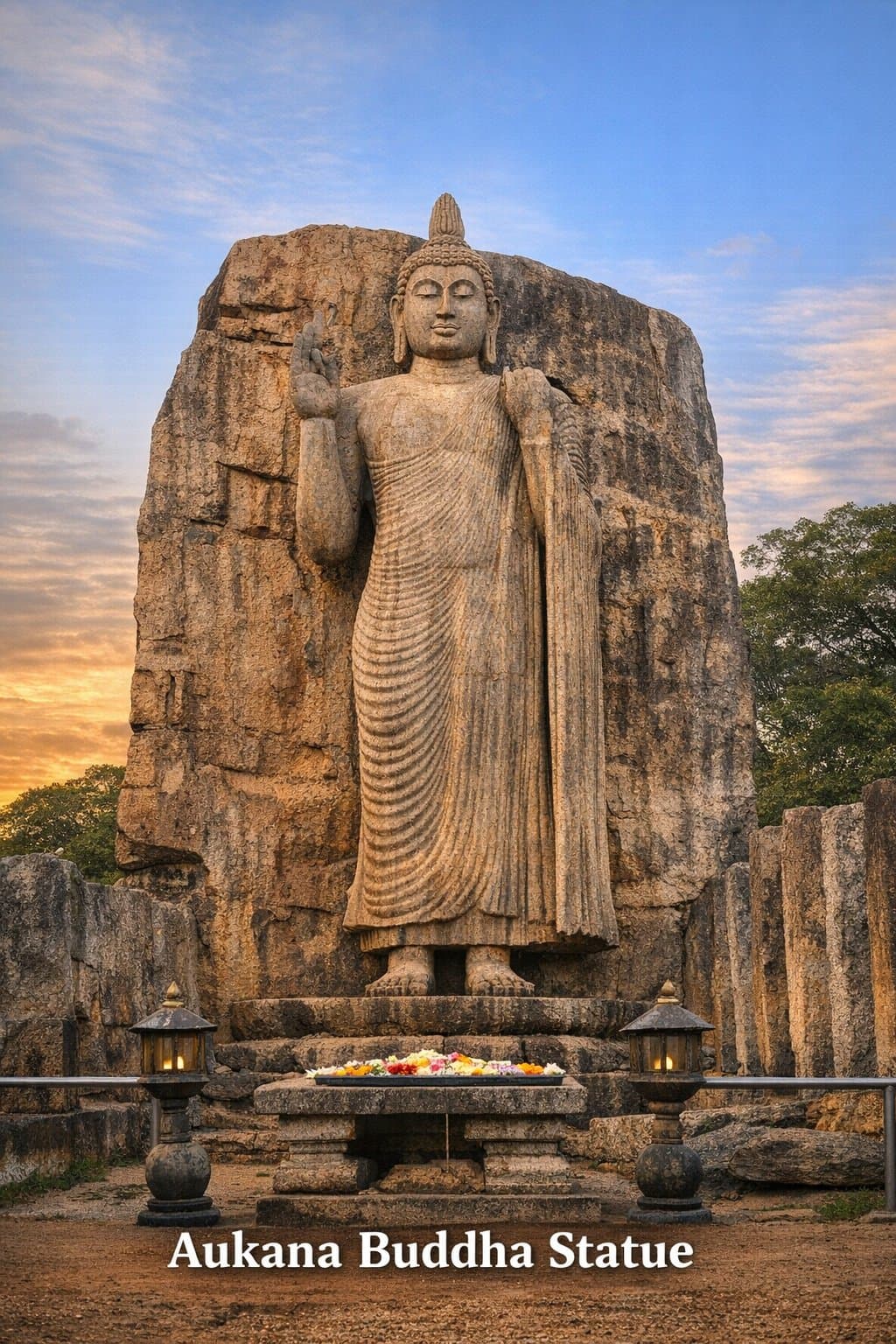
Aukana Buddha Statue
A 12-metre standing Buddha carved from a granite cliff, generally dated to the 5th century, beside the Kala Wewa reservoir. Early-morning light falls on its face beautifully.
Best: February to September
 religious
The Cultural Triangle
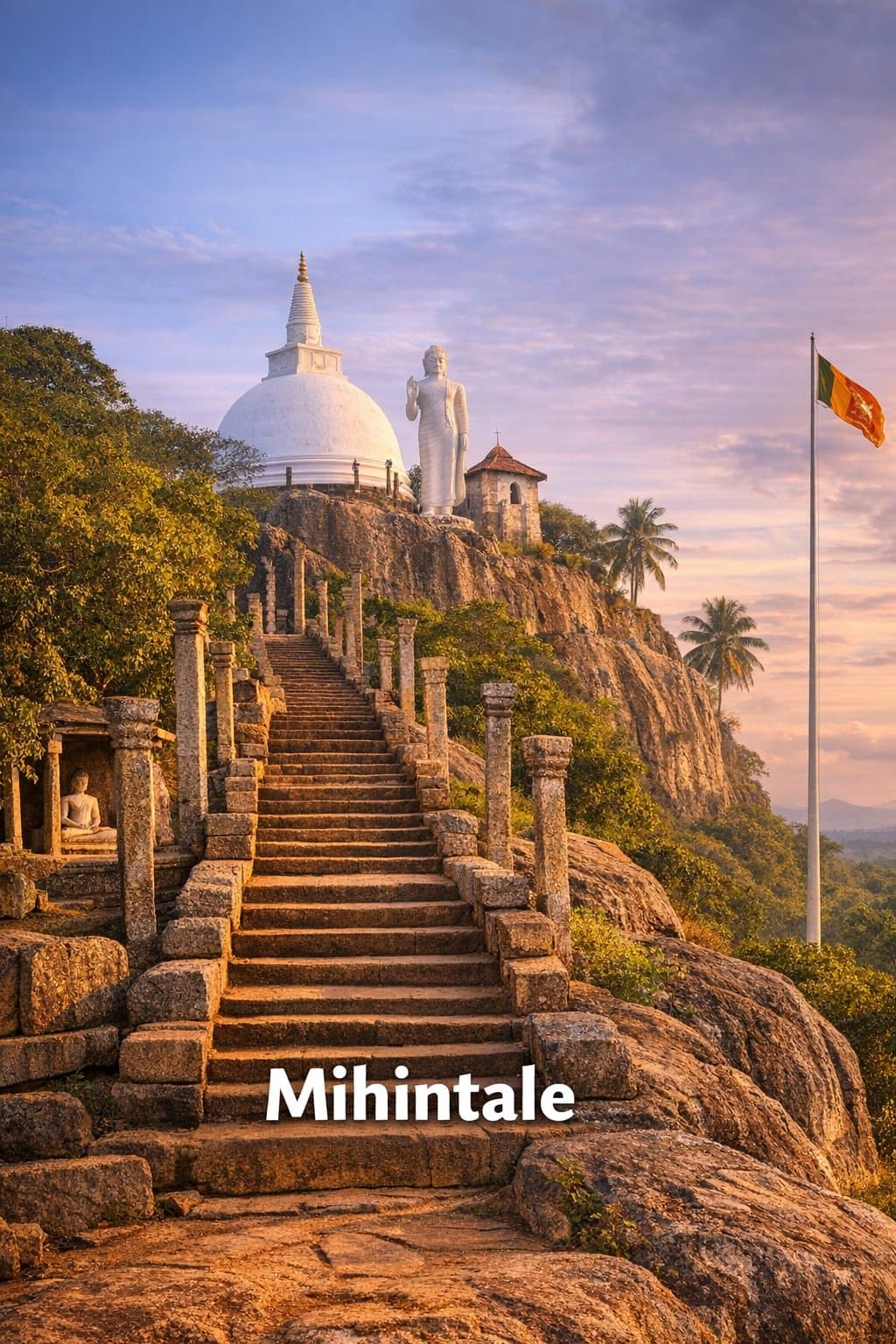
Mihintale
The hilltop where Buddhism is said to have been introduced to Sri Lanka in the 3rd century BC. Climb the stone stairways in the morning to the Aradhana Gala rock for views over Anuradhapura.
Best: June (Poson) or dry season
 heritage
The Cultural Triangle
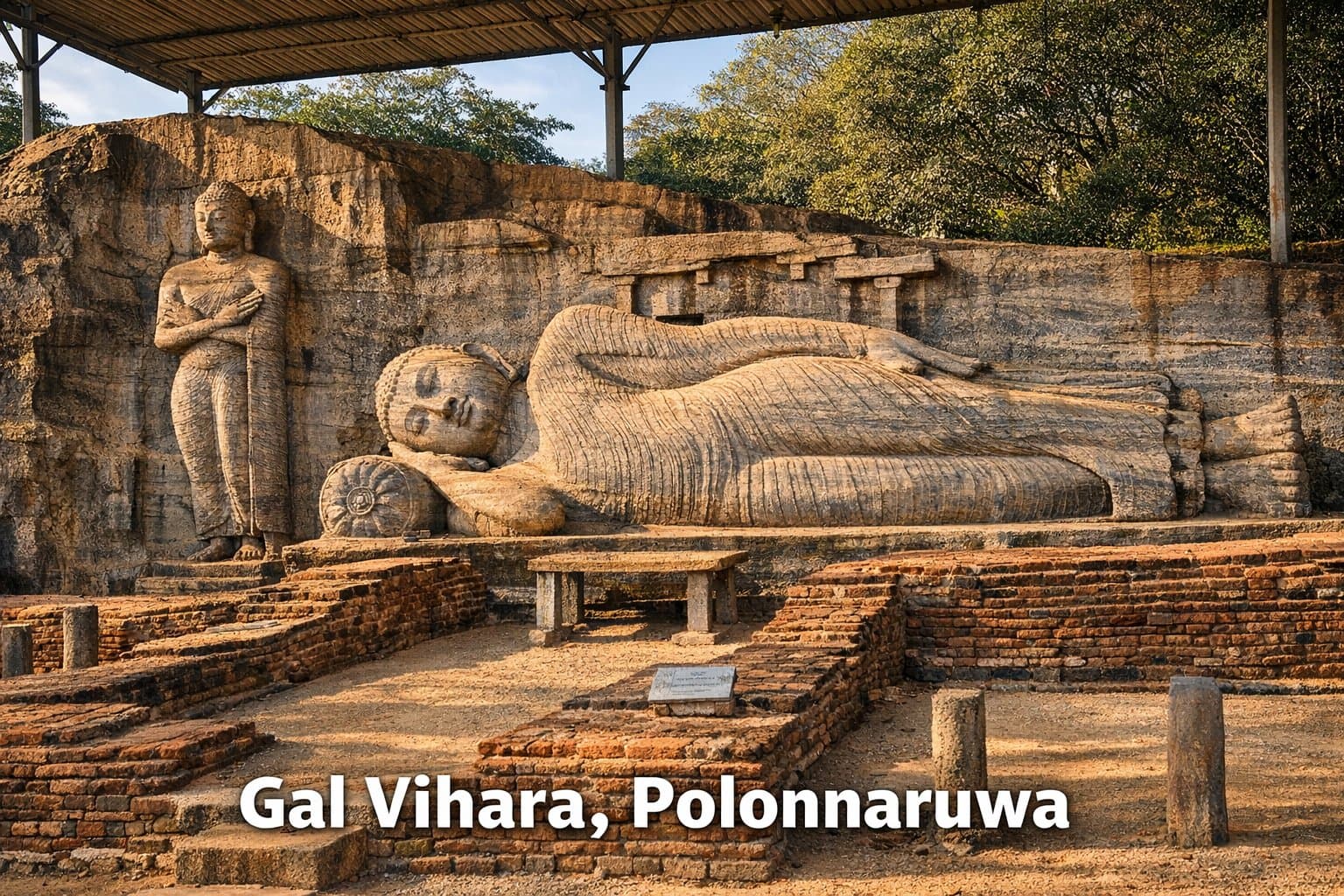
Gal Vihara (Polonnaruwa)
Four Buddha images carved from a single granite face in the 12th century, including a 14-metre reclining Buddha. The high point of any visit to Polonnaruwa.
Best: February to September
 wildlife
The Cultural Triangle
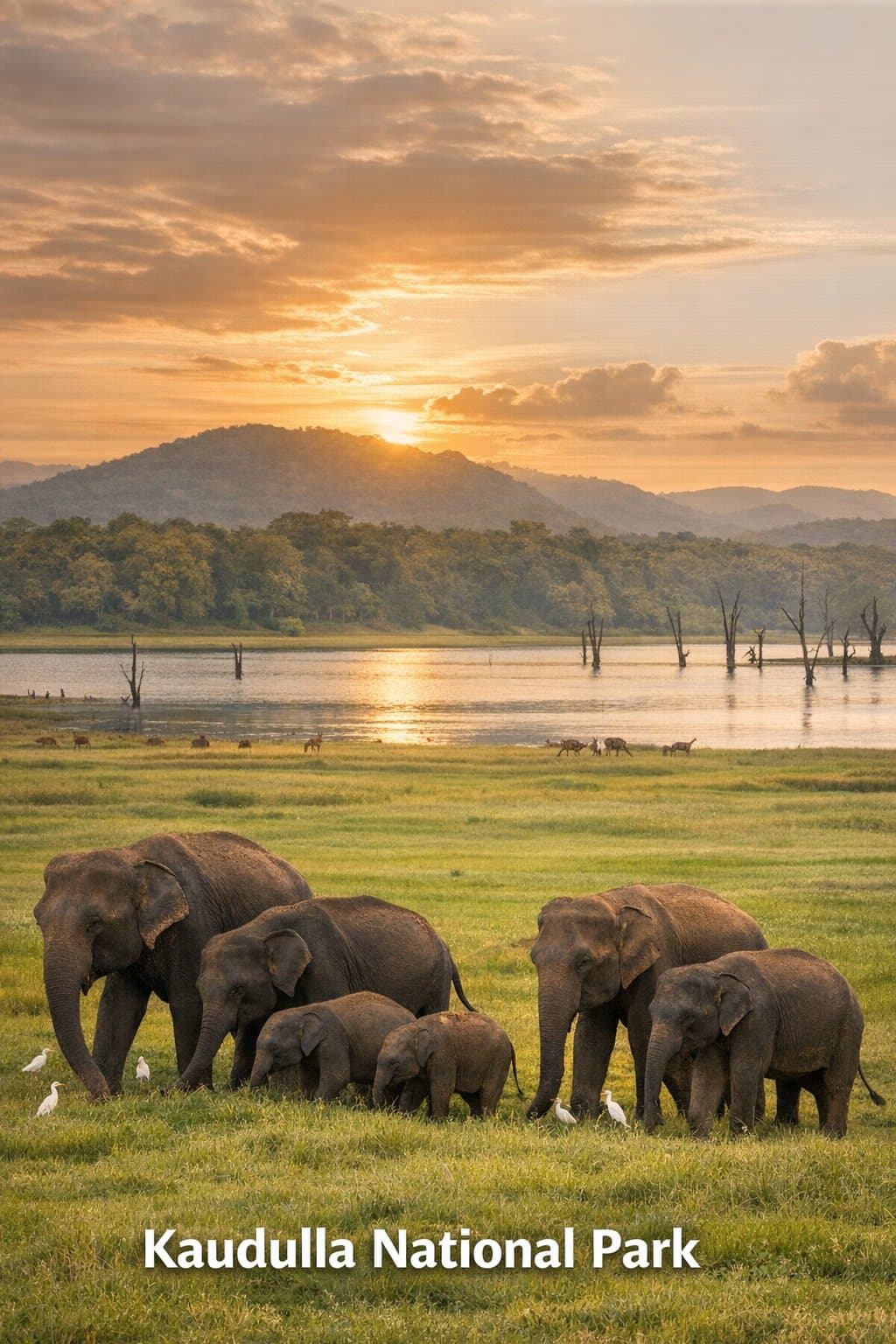
Kaudulla National Park
Minneriya's neighbour, linked by an elephant corridor; herds move between the two as the water levels change. Often quieter, with excellent afternoon light over the tank.
Best: August to December
 wildlife
The Cultural Triangle
Habarana
A crossroads village in the middle of the Cultural Triangle and the main base for jeep safaris to Minneriya, Kaudulla and Hurulu Eco Park. Sigiriya and Polonnaruwa are both within an hour.
Best: February to September