
Kurunegala & Ethagala Rock
Kurunegala's 'Elephant Rock', topped by a large white Buddha statue overlooking the city and its lake. Drive or climb up in the late afternoon for the view.
Region
The Cultural Triangle
Best time
February to September
Time needed
1–2 hours
From the airport
≈ 2.5 h by road
Quick tips for Kurunegala & Ethagala Rock
- Bring layers. Even in the tropics, Sri Lanka’s highlands can turn chilly and misty—especially after rain.
- If you’re taking the famous train routes, build slack into your schedule. Delays happen, and the point is the scenery, not speed.
- Plan your main walk for early morning. Clearer views, cooler temperatures, and a better chance of catching that dramatic hill-country light.
If you’re chasing Sri Lanka’s most scenic days, put Kurunegala & Ethagala Rock near the top of your list. It’s built for walks, photos, and unhurried wandering. This Sri Lanka travel guide to Kurunegala & Ethagala Rock focuses on the details that actually help on the ground: what to do, how long to stay, the best time to visit, and local travel tips that keep your trip simple. Expect train-window panoramas, plus a few surprises that don’t always show up in the first search result.
Why Kurunegala & Ethagala Rock
Why go? Because Kurunegala & Ethagala Rock fits neatly into a Sri Lanka itinerary without feeling like a ‘box to tick’. It’s easy to enjoy in small, low-stress moments: an early walk, a good meal, a viewpoint, a short tuk-tuk ride. If you’re travelling with a mix of interests—culture, nature, food, and photo spots—this stop can satisfy more than one travel style.
Things to do in Kurunegala & Ethagala Rock
- Bring layers. Even in the tropics, Sri Lanka’s highlands can turn chilly and misty—especially after rain.
- If you’re taking the famous train routes, build slack into your schedule. Delays happen, and the point is the scenery, not speed.
- Plan your main walk for early morning. Clearer views, cooler temperatures, and a better chance of catching that dramatic hill-country light.
- Take one ‘slow hour’ with no plan: tea on a veranda, a short stroll, and a lot of looking around.
- Use viewpoints as anchors, then wander the in-between. Tea paths, small villages, and roadside stalls are where Kurunegala & Ethagala Rock feels most real.
Hidden-gem moments
- Walk a tea path that isn’t ‘the’ famous trail. The small detours are often the most photogenic.
- Pause when the mist rolls in. Instead of fighting it, enjoy the atmosphere—hill country is moody by nature.
- Visit a viewpoint twice: once at sunrise, once near sunset. The landscape can look like two different places.
Best time to visit Kurunegala & Ethagala Rock
Best time to visit: Kurunegala & Ethagala Rock works in multiple seasons. Aim for early mornings for better light, and keep a rain layer handy—Sri Lanka’s weather can change quickly.
How to get to Kurunegala & Ethagala Rock
To get to Kurunegala & Ethagala Rock, most travellers come by road from Colombo or nearby regional hubs. Private transfers are the easiest, but public buses can work if you’re travelling slowly.
Where to stay in Kurunegala & Ethagala Rock
In Kurunegala & Ethagala Rock, pick accommodation based on views and temperature. A balcony, a kettle, and a warm layer can matter more than extra amenities. If you’re hiking early, stay somewhere that can organise a simple breakfast or packed snacks.
Food and local flavours
Food in Sri Lanka is half the travel experience. In Kurunegala & Ethagala Rock, look for small places serving rice and curry, kottu, and fresh fruit plates. If you eat seafood, ask what was caught locally that day. For vegetarians, Sri Lankan curries are usually a win—just mention your spice comfort level.
Responsible travel notes
Travel kindly: take shoes off where required, ask before photographing people, and keep noise low in temples and nature areas. If you’re hiring a driver or guide, choose someone who follows local rules and prioritises safety.
A simple 2-day itinerary
Day 1: Arrive, settle in, and take a short walk to a viewpoint for golden-hour light. Keep dinner simple and sleep early.
Day 2: Do your main hike at sunrise. After breakfast, explore tea paths or a local town loop. If you’re moving on by train, aim for a daylight departure—the views are the point.
FAQ
Do I need a guide in Kurunegala & Ethagala Rock?
It depends. For heritage sites and wildlife areas, a guide can add real value—context, safety, and better understanding. For beaches and towns, you can explore independently and book a guide only for a specific experience.
How long should I stay in Kurunegala & Ethagala Rock?
For most travellers, 1–2 nights is a sweet spot, especially if Kurunegala & Ethagala Rock is a stop on a larger Sri Lanka itinerary. If you’re here for a specific activity (surfing, safari, hiking), add extra days so you’re not rushing.
Is Kurunegala & Ethagala Rock good for families?
Yes—with a bit of planning. Choose calm accommodation, keep travel days short, and plan one main activity per day. In Sri Lanka, the heat can be the biggest challenge for kids, so early starts and midday breaks help.
Is it easy to get around without a driver?
Sri Lanka has buses, trains, and tuk-tuks almost everywhere, but travel can be slow. If you’re short on time, a private driver can make an itinerary smoother. If you’re travelling slowly, public transport works fine with flexibility.
What should I pack for Kurunegala & Ethagala Rock?
Bring lightweight clothing, sun protection, and comfortable shoes. Add a light rain layer (Sri Lanka loves surprise showers). For temples, pack something that covers shoulders and knees, plus socks if you prefer them on hot stone.
Map and getting there
Approximate road times (Sri Lanka’s roads are slow — allow extra time for traffic and stops): Colombo airport (CMB) ≈ 2.5 h · Kandy ≈ 1.5 h · Galle ≈ 6 h. For flexible door-to-door travel, consider a local driver.
Related travel guides
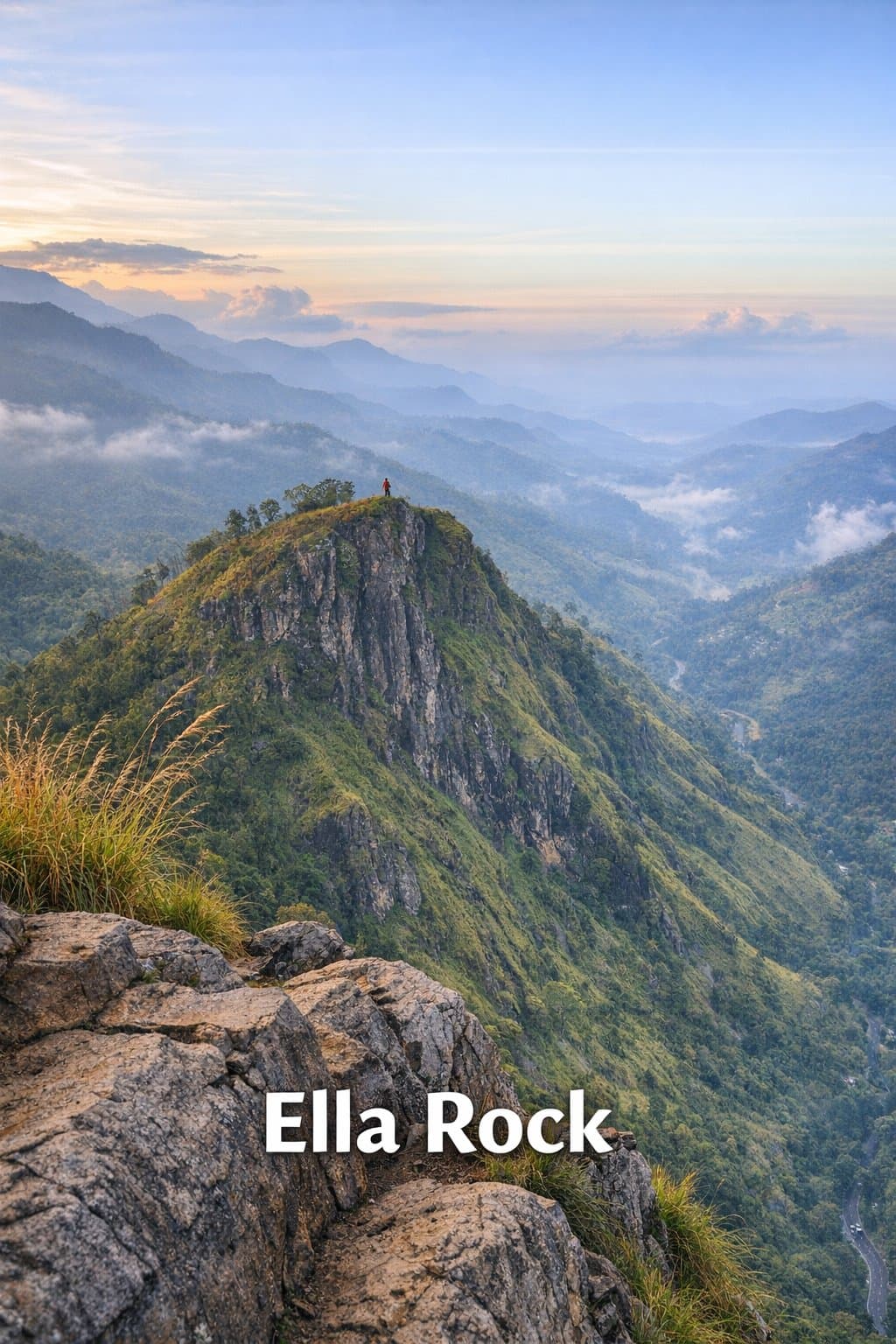
Ella Hiking Guide: Ella Rock, Little Adam's Peak and More
Ella is Sri Lanka's best small town for walking — tea estates, viewpoints and a famous bridge all within reach on foot. Here's how to tackle each hike.
5 Nov 2026· 2 min read
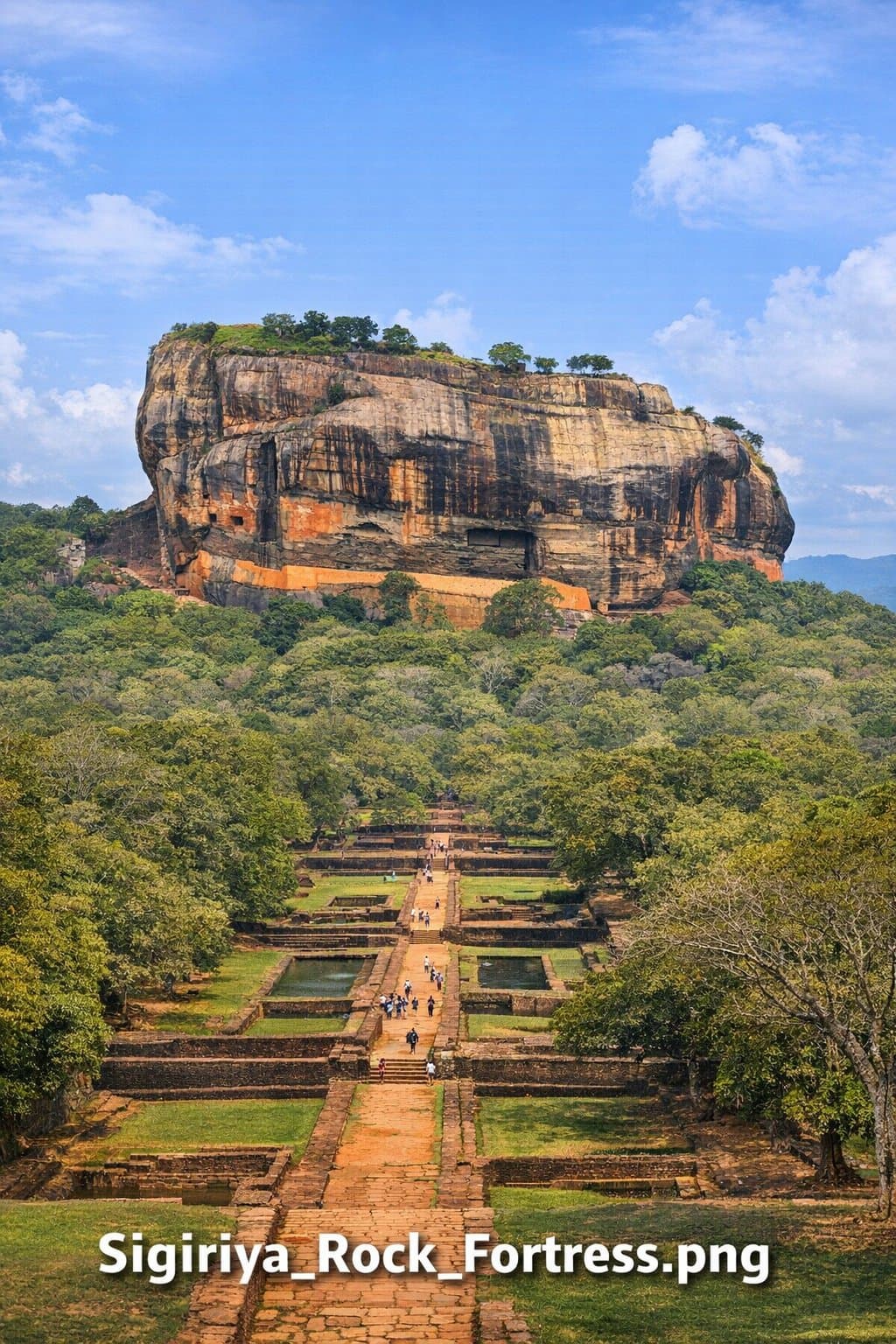
Sigiriya vs Pidurangala: Which Rock Should You Climb?
Sigiriya is the famous fortress; Pidurangala is the rock with the best view of it. Here's how they compare, and how to fit both into one day.
5 Nov 2026· 2 min read
More places near Kurunegala & Ethagala Rock
 nature
The Cultural Triangle
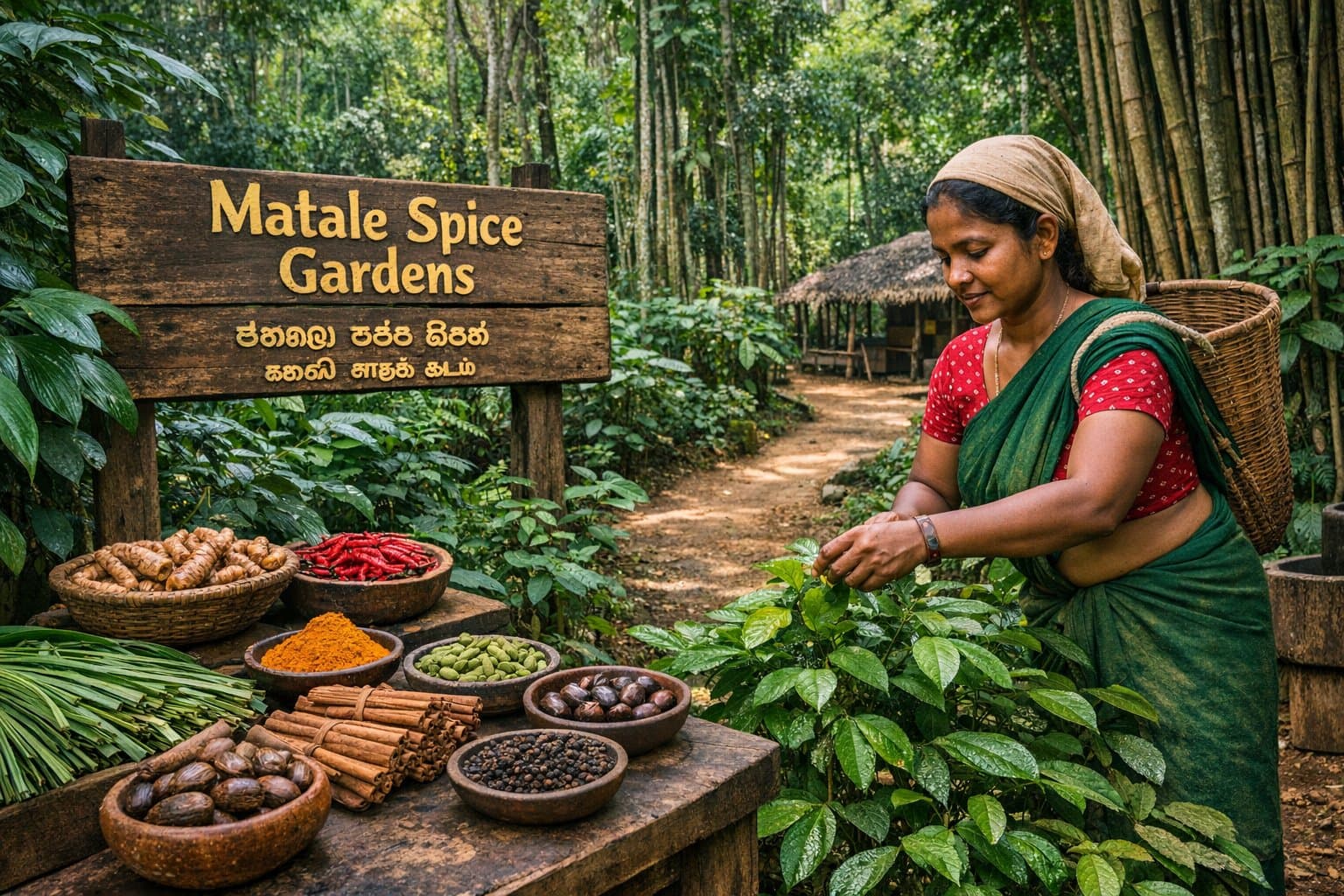
Matale Spice Gardens
Spice gardens along the Kandy–Dambulla road showing cinnamon, cardamom, pepper and vanilla. Interesting, but expect a sales pitch; prices are usually far higher than in local markets.
Best: Year-round
 nature
Kandy & the Hill Country
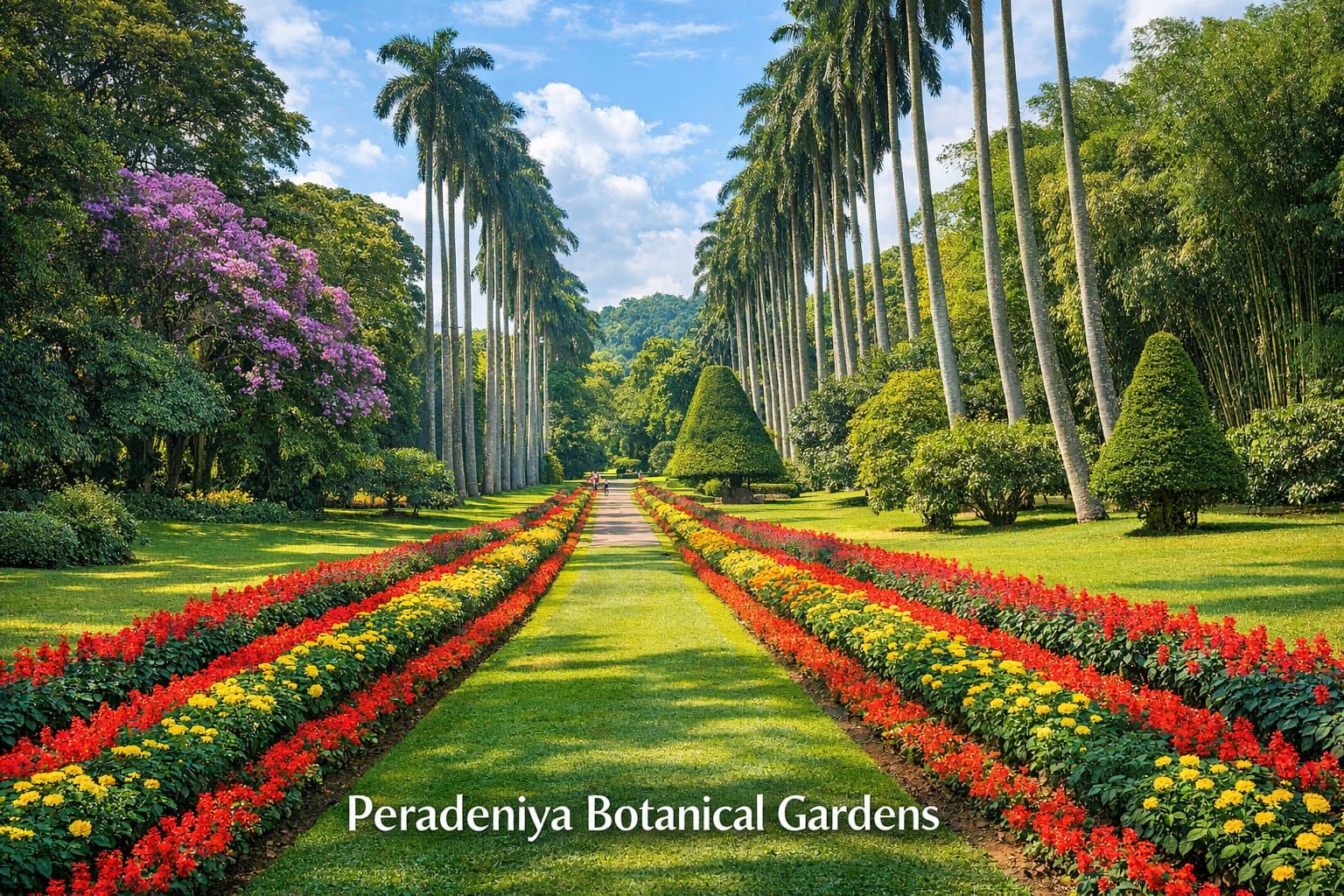
Peradeniya Botanical Gardens
Sri Lanka's finest botanical garden, with a giant Javan fig, an orchid house, a palm avenue and a huge fruit-bat colony. Ideal for a slow morning on the edge of Kandy.
Best: Year-round
 heritage
The Cultural Triangle
Nalanda Gedige
A stone temple near Matale built in a South Indian style but with Buddhist and Hindu elements, said to stand close to the geographic centre of Sri Lanka. A quiet stop between Kandy and Dambulla.
Best: February to September
Last updated November 2026. February to September is driest; the Minneriya elephant gathering peaks in August and September.