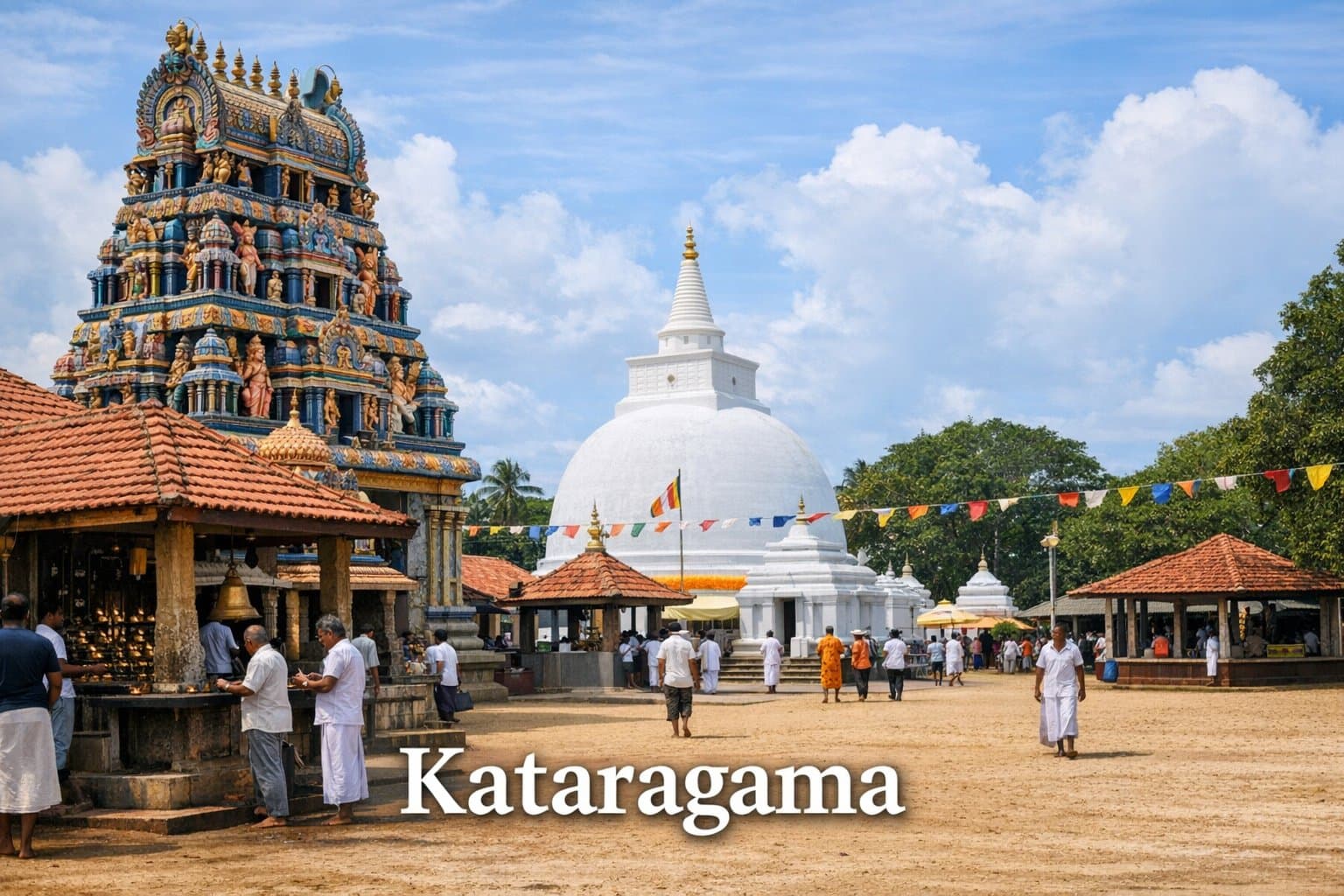
Kataragama
A sacred town revered by Buddhists, Hindus, Muslims and the indigenous Vedda people. The evening puja at the Maha Devale is unforgettable, and the July–August festival draws pilgrims from across the island.
Region
Yala, Udawalawe & the Deep South
Best time
Year-round; festival in July/August
Time needed
1 day
From the airport
≈ 6.5 h by road
Quick tips for Kataragama
- Hire a local guide for an hour. Context matters here, and a good guide turns stones and statues into a story you’ll actually remember.
- Pack a scarf or shawl and dress respectfully. Temples and sacred spaces are living places of worship—etiquette is part of responsible tourism in Sri Lanka.
- Stay nearby for at least one night. The evening atmosphere—after day-trippers leave—often feels more authentic and relaxed.
Kataragama doesn’t feel like a single sight—you experience it in layers: stories, rituals, stonework, and the everyday life flowing around it. This Sri Lanka travel guide to Kataragama focuses on the details that actually help on the ground: what to do, how long to stay, the best time to visit, and local travel tips that keep your trip simple. Expect old stone and living tradition, plus a few surprises that don’t always show up in the first search result.
Why Kataragama
Why go? Because Kataragama fits neatly into a Sri Lanka itinerary without feeling like a ‘box to tick’. It’s easy to enjoy in small, low-stress moments: an early walk, a good meal, a viewpoint, a short tuk-tuk ride. If you’re travelling with a mix of interests—culture, nature, food, and photo spots—this stop can satisfy more than one travel style.
Things to do in Kataragama
- Hire a local guide for an hour. Context matters here, and a good guide turns stones and statues into a story you’ll actually remember.
- Pack a scarf or shawl and dress respectfully. Temples and sacred spaces are living places of worship—etiquette is part of responsible tourism in Sri Lanka.
- Stay nearby for at least one night. The evening atmosphere—after day-trippers leave—often feels more authentic and relaxed.
- Look beyond the headline attraction. Side streets, small shrines, and local craft stalls often become the highlights of the day.
- Go early, before the heat and the tour buses. You’ll get better photos and a calmer feel for the site—especially if you’re visiting as part of a Sri Lanka itinerary.
Hidden-gem moments
- Step into the smaller side shrines. They’re usually quieter and often more revealing than the headline photo spot.
- Find a local tea shop near the site and take a break. Watching everyday life is part of understanding the place.
- If there’s a museum or interpretation centre, do it after the main visit—context lands better once you’ve seen the real thing.
Best time to visit Kataragama
Best time to visit: Kataragama works in multiple seasons. Aim for early mornings for better light, and keep a rain layer handy—Sri Lanka’s weather can change quickly.
How to get to Kataragama
To get to Kataragama, most travellers come by road from Colombo or nearby regional hubs. Private transfers are the easiest, but public buses can work if you’re travelling slowly.
Where to stay in Kataragama
Staying near Kataragama makes a big difference. Early mornings and late afternoons are when these places feel most atmospheric, and you’ll avoid day-trip rush. Look for small hotels or guesthouses that can arrange a guide and transport if needed.
Food and local flavours
Don’t leave Kataragama without trying a proper local lunch: rice and curry with a few vegetable sides, sambol, and something crispy. Finish with a king coconut or curd and treacle if you spot it.
Responsible travel notes
A quick note on responsible tourism in Sri Lanka: dress respectfully in sacred spaces, avoid touching wildlife, and keep plastics to a minimum. If you’re buying souvenirs, choose locally made crafts and pay fair prices—small choices add up.
A simple 2-day itinerary
Day 1: Arrive and do a gentle orientation walk. Visit the main site in the late afternoon when the light is softer. In the evening, try a local dinner spot and get an early night.
Day 2: Go early for your main exploration (ideally with a guide). Take a long lunch break, then spend the afternoon on smaller temples, markets, or museums nearby. You’ll leave with a deeper sense of place, not just a checklist.
FAQ
Do I need a guide in Kataragama?
It depends. For heritage sites and wildlife areas, a guide can add real value—context, safety, and better understanding. For beaches and towns, you can explore independently and book a guide only for a specific experience.
Is it easy to get around without a driver?
Sri Lanka has buses, trains, and tuk-tuks almost everywhere, but travel can be slow. If you’re short on time, a private driver can make an itinerary smoother. If you’re travelling slowly, public transport works fine with flexibility.
What should I pack for Kataragama?
Bring lightweight clothing, sun protection, and comfortable shoes. Add a light rain layer (Sri Lanka loves surprise showers). For temples, pack something that covers shoulders and knees, plus socks if you prefer them on hot stone.
How long should I stay in Kataragama?
For most travellers, 1–2 nights is a sweet spot, especially if Kataragama is a stop on a larger Sri Lanka itinerary. If you’re here for a specific activity (surfing, safari, hiking), add extra days so you’re not rushing.
Is Kataragama good for families?
Yes—with a bit of planning. Choose calm accommodation, keep travel days short, and plan one main activity per day. In Sri Lanka, the heat can be the biggest challenge for kids, so early starts and midday breaks help.
Map and getting there
Approximate road times (Sri Lanka’s roads are slow — allow extra time for traffic and stops): Colombo airport (CMB) ≈ 6.5 h · Kandy ≈ 4.5 h · Galle ≈ 5 h. For flexible door-to-door travel, consider a local driver.
Related travel guides
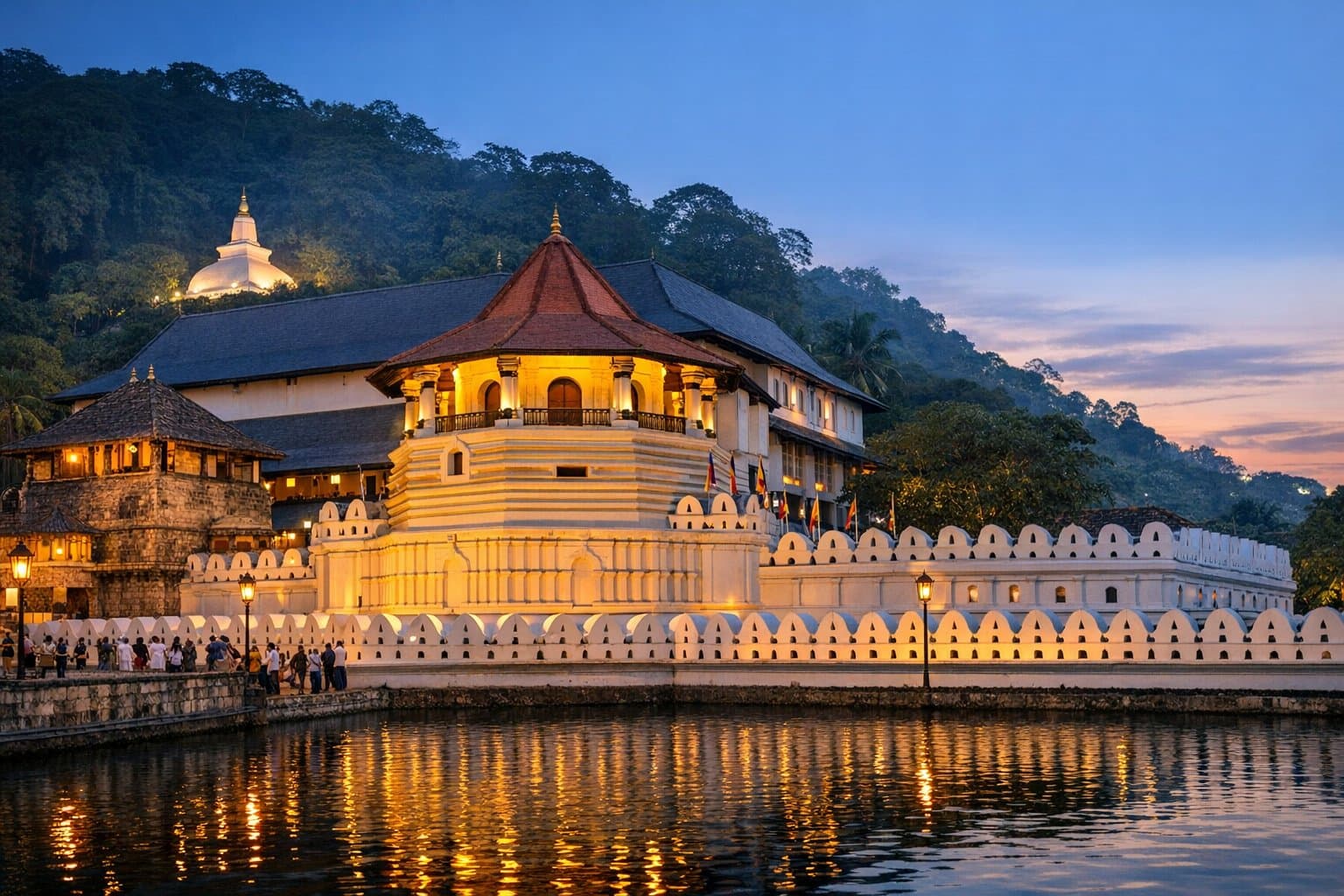
More places near Kataragama
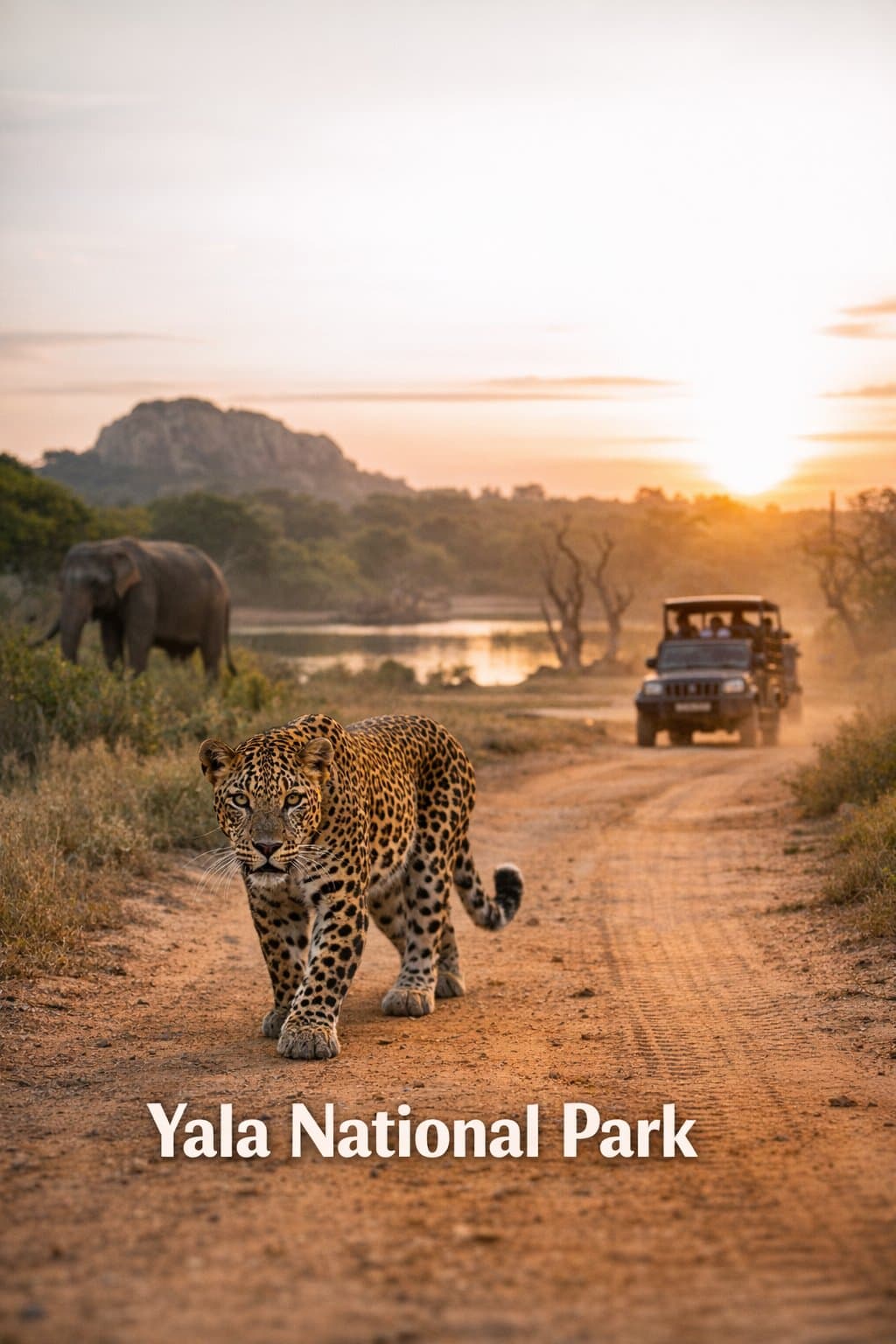 wildlife
Yala, Udawalawe & the Deep South
Yala National Park
Sri Lanka's most famous national park and one of the best places in the world to see leopards, along with elephants, sloth bears, crocodiles and abundant birdlife. Block 1 usually closes for around six weeks between September and October.
Best: February to July
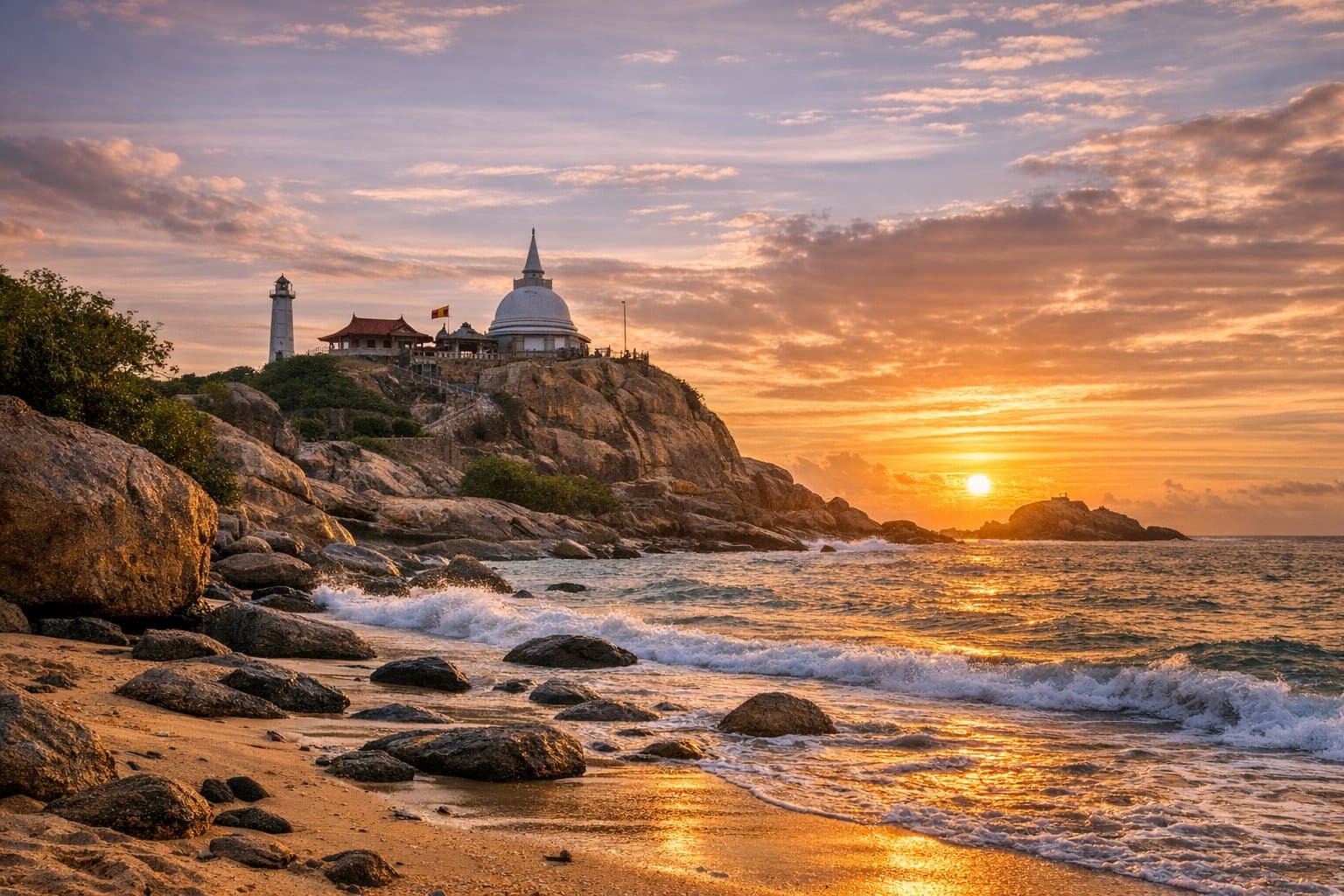 religious
Yala, Udawalawe & the Deep South
Kirinda Beach & Temple
A small temple on a boulder above a wild beach near Yala, linked to the legend of Queen Viharamahadevi. A peaceful stop before or after a safari; the sea here is not safe for swimming.
Best: February to July
 wildlife
Yala, Udawalawe & the Deep South
Bundala National Park
A Ramsar-listed wetland of lagoons and dunes, among the island's best birding sites, with flamingos in some years plus crocodiles and elephants. Far less crowded than neighbouring Yala.
Best: September to March (migratory birds)
Last updated November 2026. February to July for safaris; Yala Block 1 usually closes for about six weeks around September–October.