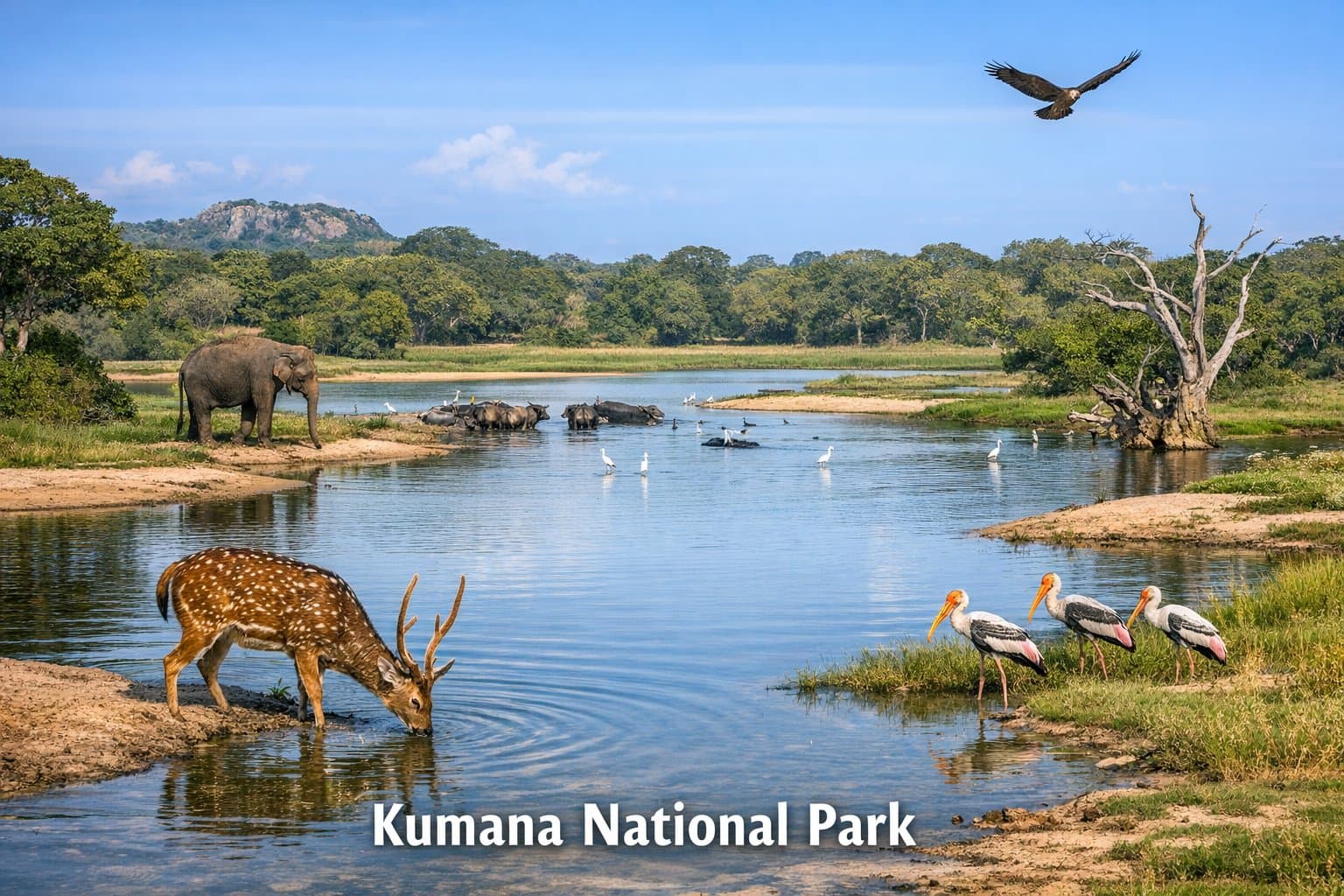
Kumana National Park
The wild eastern extension of Yala, famous for its mangrove swamp bird colonies, plus elephants and leopards. Usually reached on a safari from Arugam Bay, with very few other vehicles.
Region
The East Coast
Best time
April to July (birds)
Time needed
1 safari
From the airport
≈ 8 h by road
Quick tips for Kumana National Park
- Book a reputable safari operator and don’t chase animals. Ethical viewing—keeping distance and limiting noise—improves sightings and protects wildlife.
- If you’re travelling with kids, keep expectations simple: tracks, scenery, and a few good encounters can be more memorable than a ‘bucket-list’ checklist.
- Aim for the first drive of the day. Animals are more active in the cooler hours, and the light is best for photography.
Kumana National Park is a destination for patience. The best sightings come to travellers who slow down, keep their voices low, and let the park set the pace. This Sri Lanka travel guide to Kumana National Park focuses on the details that actually help on the ground: what to do, how long to stay, the best time to visit, and local travel tips that keep your trip simple. Expect birdsong and big skies, plus a few surprises that don’t always show up in the first search result.
Why Kumana National Park
Why go? Because Kumana National Park fits neatly into a Sri Lanka itinerary without feeling like a ‘box to tick’. It’s easy to enjoy in small, low-stress moments: an early walk, a good meal, a viewpoint, a short tuk-tuk ride. If you’re travelling with a mix of interests—culture, nature, food, and photo spots—this stop can satisfy more than one travel style.
Things to do in Kumana National Park
- Book a reputable safari operator and don’t chase animals. Ethical viewing—keeping distance and limiting noise—improves sightings and protects wildlife.
- If you’re travelling with kids, keep expectations simple: tracks, scenery, and a few good encounters can be more memorable than a ‘bucket-list’ checklist.
- Aim for the first drive of the day. Animals are more active in the cooler hours, and the light is best for photography.
- Carry water, sun protection, and patience. Wildlife days are slow by nature; the suspense is part of the experience.
- Ask about birds as well as big mammals. Sri Lanka is a fantastic birding destination, and the smaller sightings often outnumber the headline animals.
Hidden-gem moments
- Don’t skip the birds. A simple pair of binoculars can turn a slow drive into a brilliant one.
- Ask your guide about tracks and signs—prints, scat, scratch marks. It adds a story to every sighting.
- If you’re sensitive to crowds, choose a quieter gate or a less popular time slot if the park allows it.
Best time to visit Kumana National Park
Best time to visit: The east coast is often at its best from May to September, when the sea is calmer and the weather is drier. October to January can be wetter and windier, so plan your beach days around local forecasts.
How to get to Kumana National Park
For Kumana National Park, plan a longer transfer if you’re coming from Colombo or the hill country. Many travellers pair the east coast with the Cultural Triangle to break up the journey. Once you’re here, tuk-tuks and short rides between beaches are the norm.
Where to stay in Kumana National Park
Choose lodging that respects the environment: limited lights at night, careful waste management, and guides who understand animal behaviour. It’s better for wildlife and usually better for your experience too.
Food and local flavours
Food in Sri Lanka is half the travel experience. In Kumana National Park, look for small places serving rice and curry, kottu, and fresh fruit plates. If you eat seafood, ask what was caught locally that day. For vegetarians, Sri Lankan curries are usually a win—just mention your spice comfort level.
Responsible travel notes
Travel kindly: take shoes off where required, ask before photographing people, and keep noise low in temples and nature areas. If you’re hiring a driver or guide, choose someone who follows local rules and prioritises safety.
A simple 2-day itinerary
Day 1: Arrive and rest. Do an afternoon safari if available (or a sunset viewpoint). Sleep early.
Day 2: Dawn safari for the best activity and light. After breakfast, take a slow midday break, then decide if you want a second drive or a relaxed afternoon around your lodge.
FAQ
How long should I stay in Kumana National Park?
For most travellers, 1–2 nights is a sweet spot, especially if Kumana National Park is a stop on a larger Sri Lanka itinerary. If you’re here for a specific activity (surfing, safari, hiking), add extra days so you’re not rushing.
What should I pack for Kumana National Park?
Bring lightweight clothing, sun protection, and comfortable shoes. Add a light rain layer (Sri Lanka loves surprise showers). For temples, pack something that covers shoulders and knees, plus socks if you prefer them on hot stone.
Is Kumana National Park good for families?
Yes—with a bit of planning. Choose calm accommodation, keep travel days short, and plan one main activity per day. In Sri Lanka, the heat can be the biggest challenge for kids, so early starts and midday breaks help.
Is it easy to get around without a driver?
Sri Lanka has buses, trains, and tuk-tuks almost everywhere, but travel can be slow. If you’re short on time, a private driver can make an itinerary smoother. If you’re travelling slowly, public transport works fine with flexibility.
Do I need a guide in Kumana National Park?
It depends. For heritage sites and wildlife areas, a guide can add real value—context, safety, and better understanding. For beaches and towns, you can explore independently and book a guide only for a specific experience.
Map and getting there
Approximate road times (Sri Lanka’s roads are slow — allow extra time for traffic and stops): Colombo airport (CMB) ≈ 8 h · Kandy ≈ 5.5 h · Galle ≈ 6.5 h. For flexible door-to-door travel, consider a local driver.
Related travel guides
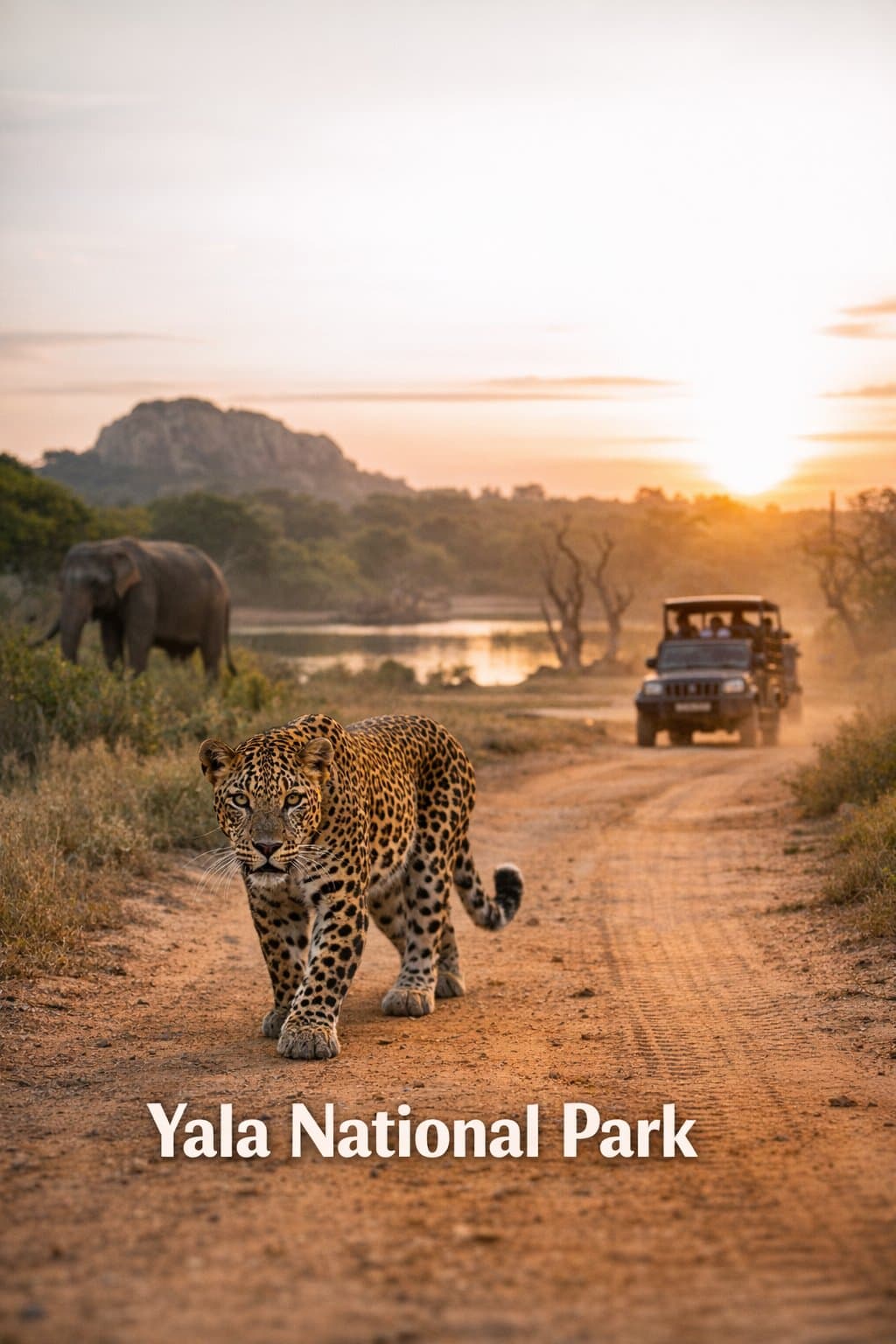
Sri Lanka Safari Guide: Which National Park Is Best for You?
Leopards, elephants, sloth bears and hundreds of bird species — Sri Lanka has some of the best wildlife viewing in Asia. Here's how to choose the right park and do it responsibly.
5 Nov 2026· 2 min read
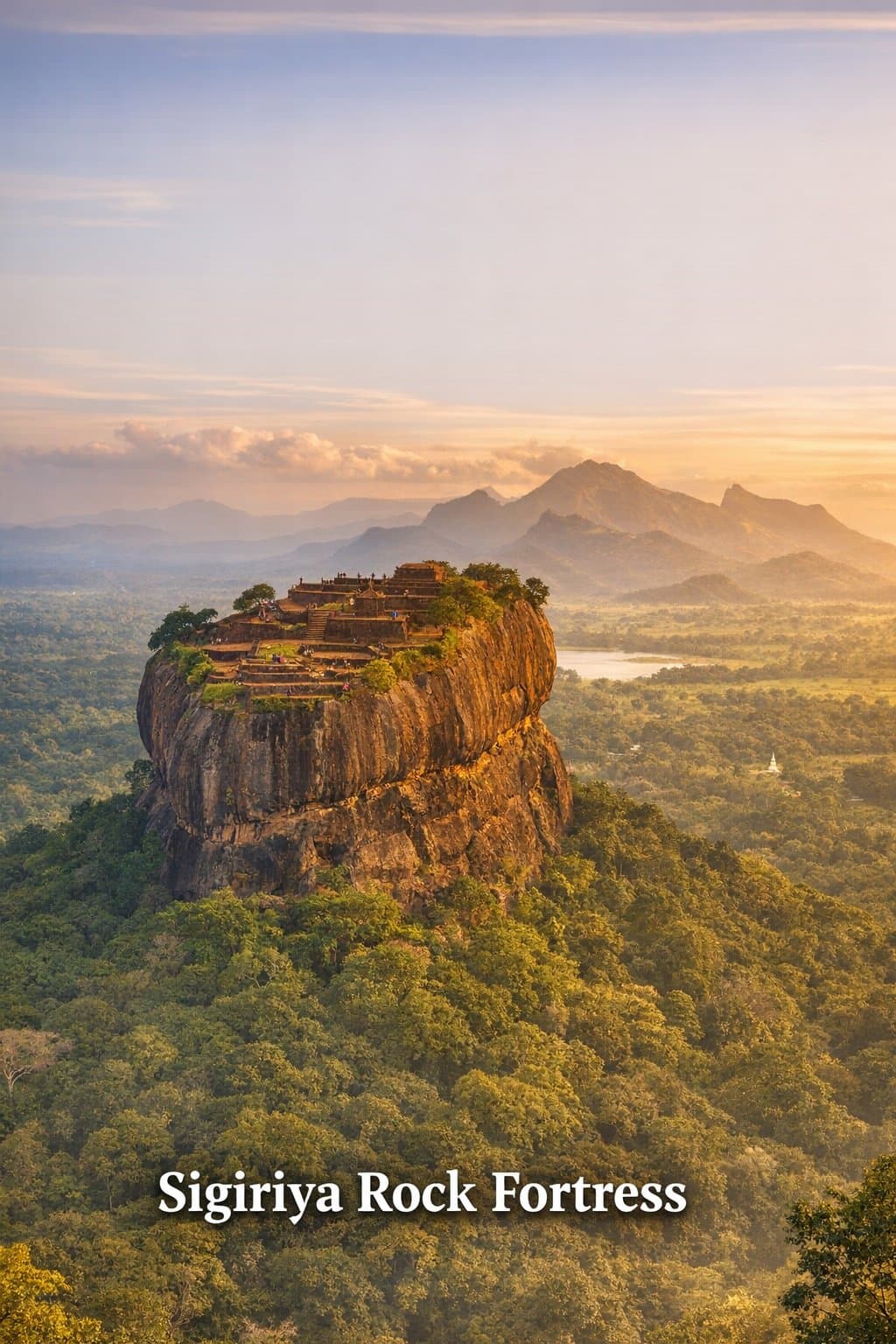
The Perfect 2-Week Sri Lanka Itinerary (With a Summer Version)
Two weeks is the ideal length for a first trip. This route covers ancient cities, tea country, the famous train, a safari and the beach — without spending every day in a car.
5 Nov 2026· 3 min read
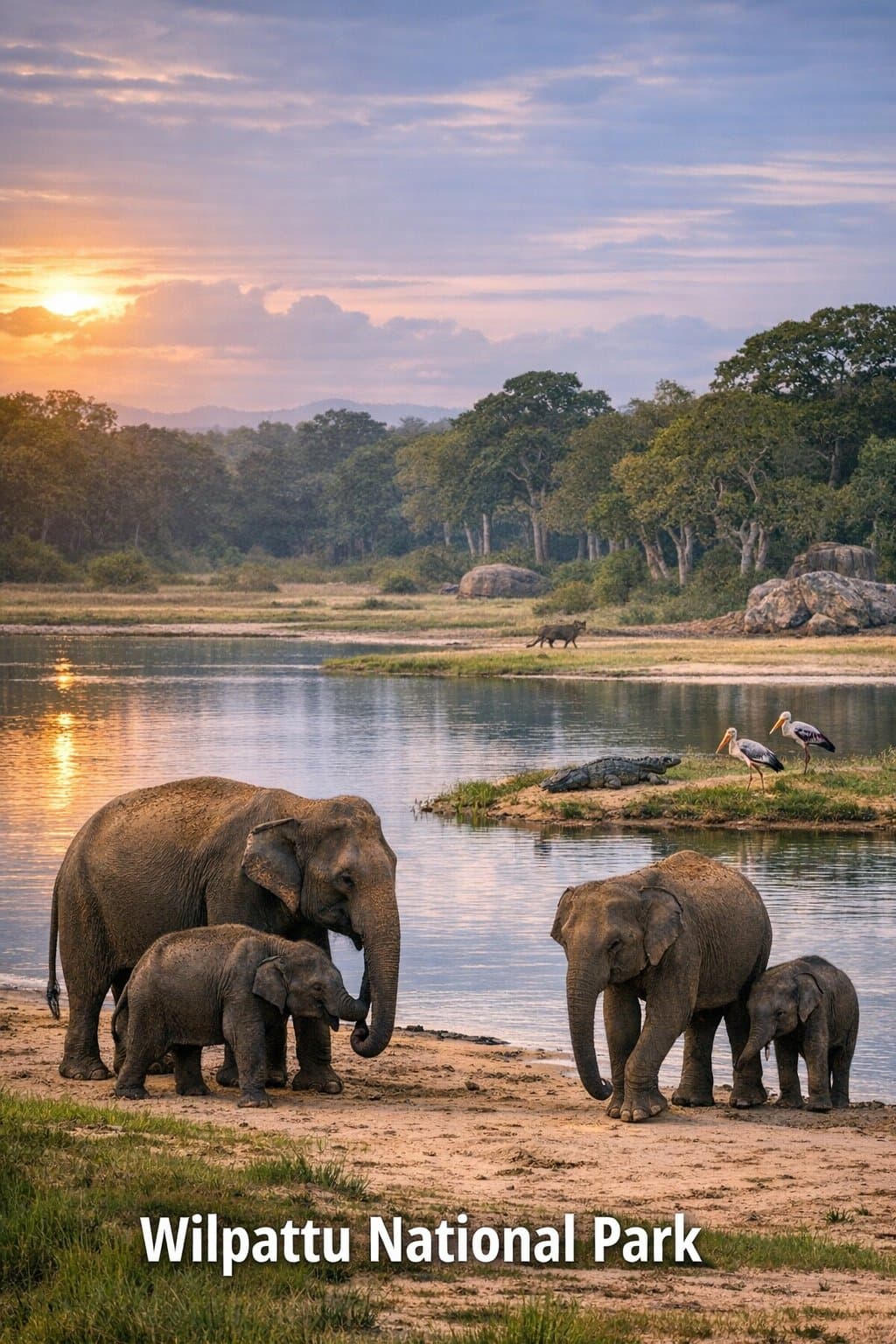
Where to See Leopards in Sri Lanka
Sri Lanka is one of the best places in the world to see wild leopards. Here's where to go, when, and how to give yourself the best chance of a sighting.
5 Nov 2026· 2 min read
More places near Kumana National Park
wildlifeYala, Udawalawe & the Deep South
Yala National Park
Sri Lanka's most famous national park and one of the best places in the world to see leopards, along with elephants, sloth bears, crocodiles and abundant birdlife. Block 1 usually closes for around six weeks between September and October.
Best: February to July
 beach
The East Coast
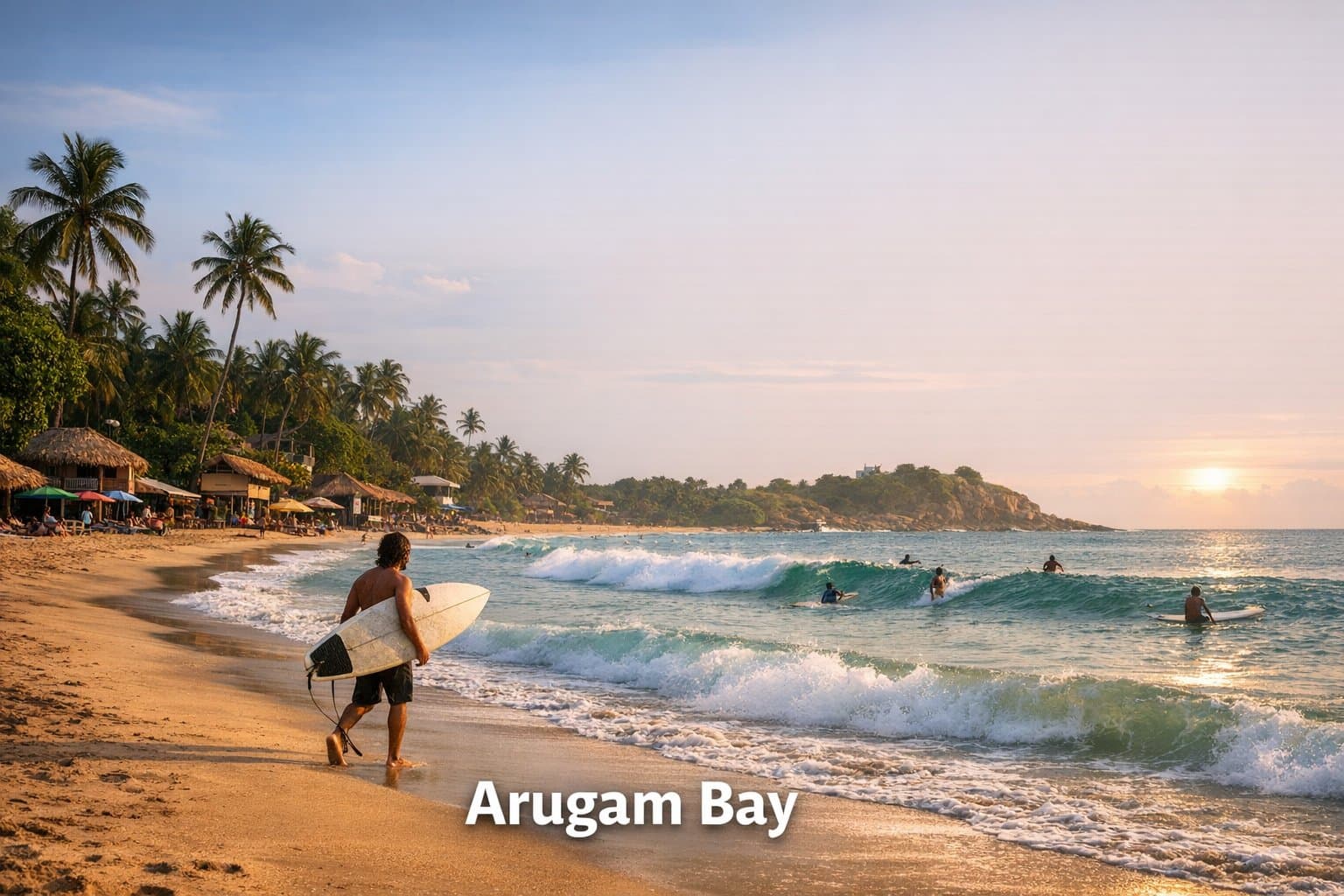
Arugam Bay
Sri Lanka's surf capital, with a long right-hand point break and several breaks within a short tuk-tuk ride. Outside the surf season it is very quiet and many places close.
Best: April to October (surf season)
 religious
Yala, Udawalawe & the Deep South
Kataragama
A sacred town revered by Buddhists, Hindus, Muslims and the indigenous Vedda people. The evening puja at the Maha Devale is unforgettable, and the July–August festival draws pilgrims from across the island.
Best: Year-round; festival in July/August
Last updated November 2026. May to September (the opposite season to the south and west coasts).