Food & Culture
A Short History of Sri Lanka for Travellers
Knowing a little history transforms a visit to Sri Lanka's ancient cities, forts and temples. Here's the island's 2,500-year story in a few minutes' reading.
By Sri Lanka Travel Guides Editorial TeamUpdated 5 November 20263 min read
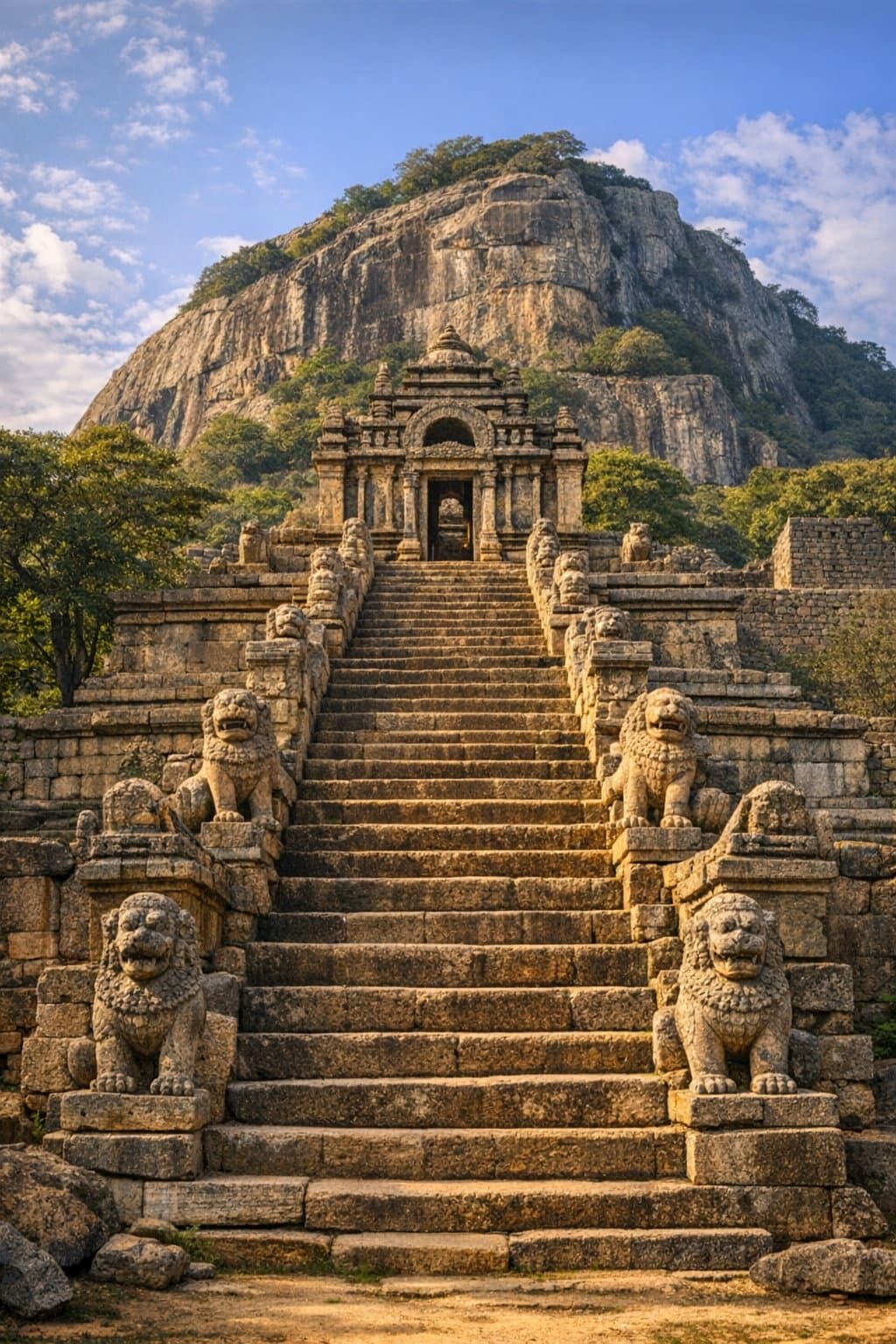
Sri Lanka's written history goes back more than 2,000 years, recorded in ancient Pali chronicles such as the Mahavamsa. Its position on Indian Ocean trade routes brought traders, monks, conquerors and colonisers — and left a remarkable layer of heritage you can see on almost any itinerary.
Early settlers and legends
The island's indigenous people, the Vedda, are descended from its earliest inhabitants; small communities still live around Dambana. According to tradition, the Sinhala people trace their origins to Prince Vijaya, who arrived from northern India in the 5th or 6th century BCE. The island also appears in the Hindu epic the Ramayana as Lanka, the kingdom of Ravana — legends you'll hear at places like Ravana Falls.
The Anuradhapura kingdom (c. 4th century BCE – 10th century CE)
Anuradhapura became the capital and remained so for over a thousand years. In the 3rd century BCE, the monk Mahinda, son of the Indian emperor Ashoka, brought Buddhism to Sri Lanka, converting King Devanampiya Tissa at Mihintale. A sapling of the Bodhi tree followed, and the Sri Maha Bodhi still grows in Anuradhapura.
The kings built vast stupas, monasteries and, crucially, a sophisticated irrigation system of reservoirs (wewa or tanks) that still waters rice fields today.
Sigiriya (5th century CE)
King Kashyapa built his palace on top of Sigiriya in the late 5th century, after seizing the throne from his father. The rock's frescoes, mirror wall and gardens are among the finest of their age. After his death, Sigiriya became a Buddhist monastery.
The Polonnaruwa kingdom (11th – 13th century)
After invasions from South India, the capital moved to Polonnaruwa. Under King Parakramabahu I in the 12th century, the city flourished, with grand palaces, temples, the Gal Vihara rock carvings and the enormous Parakrama Samudra reservoir.
Shifting capitals (13th – 16th century)
Invasions and instability pushed the capital south-west through a series of kingdoms, including Yapahuwa, Dambadeniya, Kurunegala, Gampola and Kotte. In the north, the Jaffna kingdom developed as a Tamil kingdom.
The Portuguese (1505 – 1658)
The Portuguese arrived in 1505 and gradually took control of the coastal areas, fortifying ports including Colombo and Galle and spreading Catholicism, which remains strong around Negombo.
The Dutch (1658 – 1796)
The Dutch East India Company drove out the Portuguese and controlled the coast for nearly 150 years, trading in cinnamon. They rebuilt Galle Fort in its current form, built canals around Negombo and left a legacy in law, architecture and the Burgher community.
The Kandyan kingdom (c. 1590 – 1815)
The highland Kingdom of Kandy resisted the Portuguese and Dutch for over two centuries, protected by mountains and forest. Its kings guarded the Sacred Tooth Relic in the Temple of the Tooth, a symbol of the right to rule.
British Ceylon (1796 – 1948)
The British took the coastal areas in 1796 and, in 1815, the Kandyan kingdom — the first time the whole island was under one foreign power. They built roads and railways, and planted coffee, then — after blight destroyed the coffee in the 1870s — tea, bringing Tamil workers from South India to work the estates. See our tea country guide.
Independence and modern Sri Lanka
- 1948 — Ceylon became independent on 4 February.
- 1972 — the country became a republic and was renamed Sri Lanka.
- 1983–2009 — a long civil war between the government and the separatist LTTE (Tamil Tigers) caused great suffering, especially in the north and east. It ended in 2009.
- 2004 — the Indian Ocean tsunami killed tens of thousands of people along the coasts.
- 2022 — a severe economic crisis led to mass protests and a change of government. The economy has since stabilised, and tourism has recovered strongly.
Seeing history on your trip
- Ancient capitals: Anuradhapura, Polonnaruwa and Sigiriya — see our Cultural Triangle itinerary and Anuradhapura vs Polonnaruwa.
- Colonial heritage: Galle Fort, Colombo Fort and Jaffna Fort.
- The Kandyan kingdom: Kandy and the Esala Perahera.
- Rock temples: Dambulla, Mulkirigala and Aukana.
Frequently asked questions
What was Sri Lanka called before?
Ceylon, under British rule and until 1972. Ancient names include Lanka, Taprobane and Serendib.
What are the ancient capitals of Sri Lanka?
Anuradhapura, Polonnaruwa and later Kandy, along with several shorter-lived capitals such as Yapahuwa and Kotte.
When did Sri Lanka become independent?
On 4 February 1948.
Turn this into a plan
Our free AI trip planner builds a day-by-day Sri Lanka itinerary for your dates, with realistic travel times.
Plan my tripQuestions & comments
Share a tip or ask a question. Comments are moderated.
- No comments yet — be the first.
Keep planning
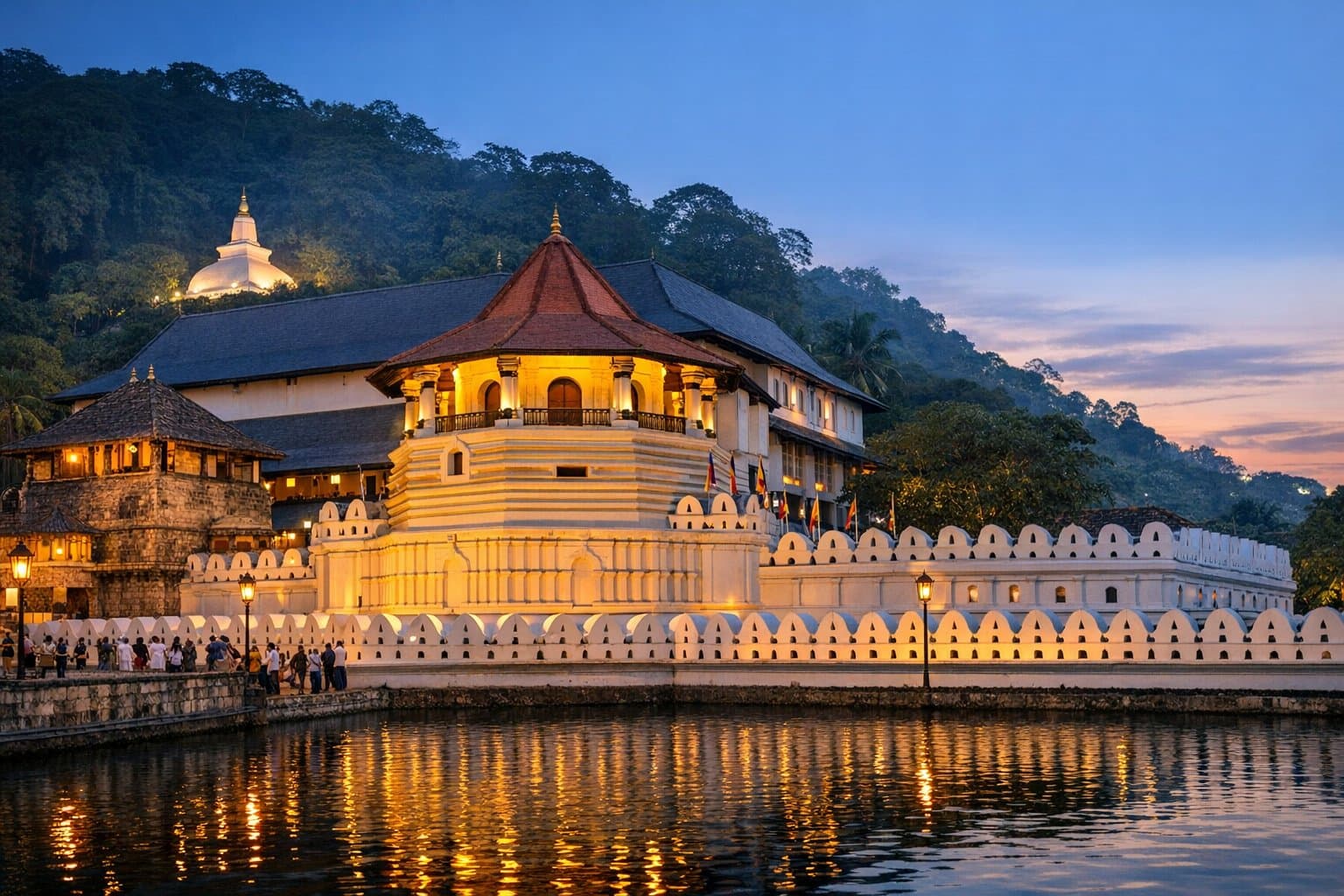
Kandy Esala Perahera: A Visitor's Guide to Sri Lanka's Greatest Festival
Ten nights of drummers, fire dancers and caparisoned elephants carrying a sacred relic through Kandy's streets — the Esala Perahera is one of Asia's great festivals. Here's how to see it.
5 Nov 2026· 3 min read
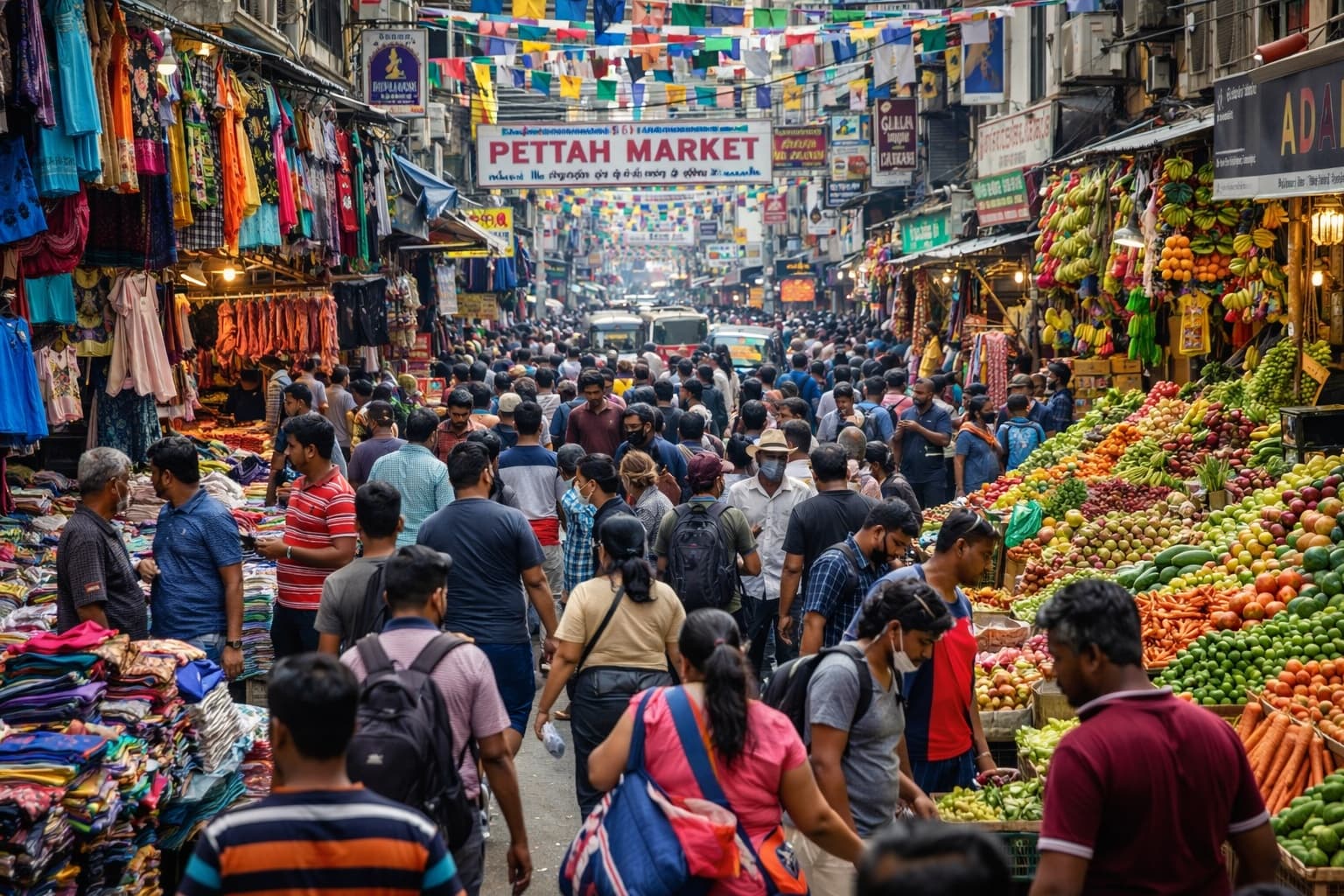
Sri Lankan Street Food: 15 Snacks You Have to Try
The clatter of kottu blades, crispy hoppers and prawn fritters by the sea — Sri Lankan street food is cheap, delicious and everywhere. Here are the snacks you can't miss.
5 Nov 2026· 3 min read
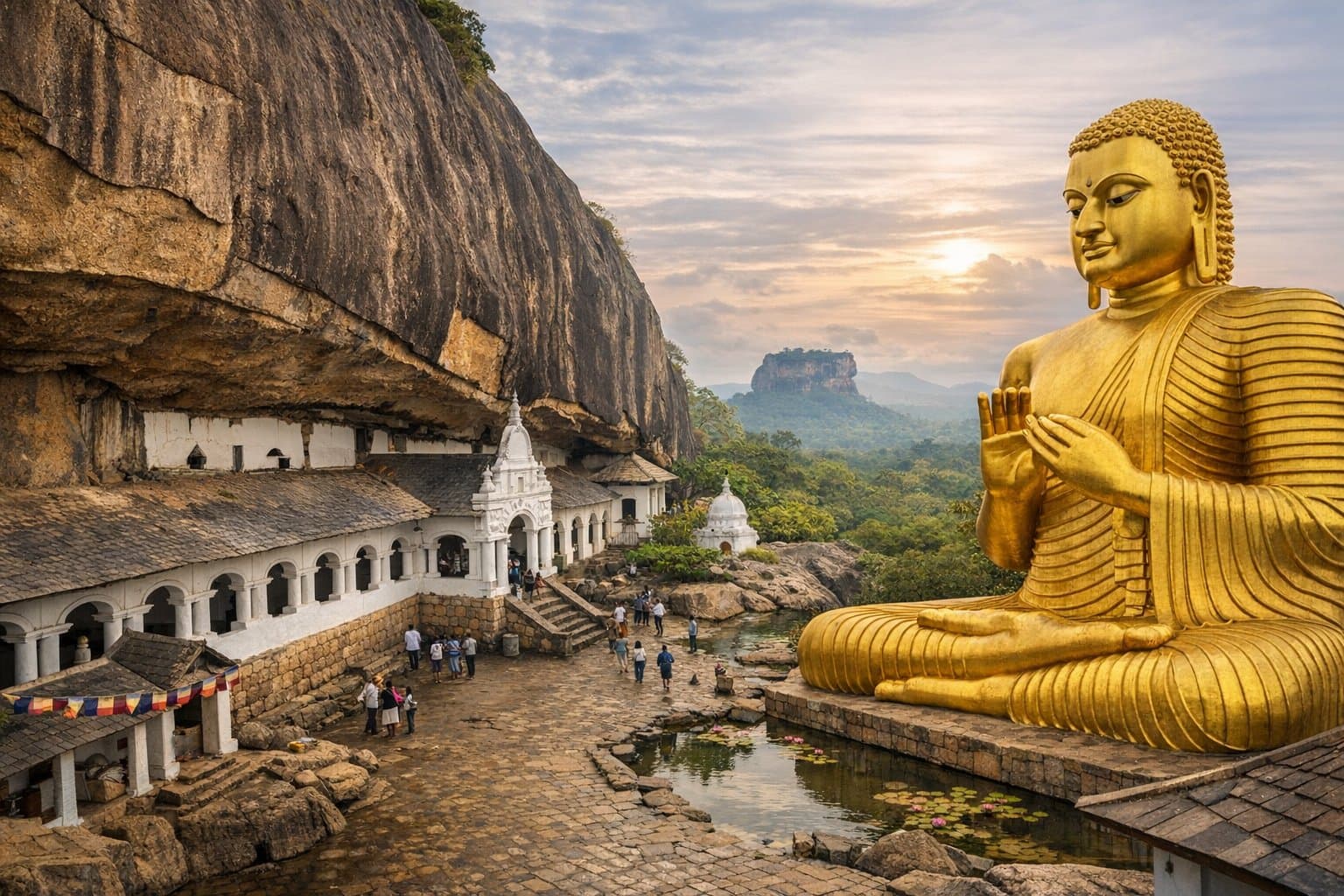
Useful Sinhala and Tamil Phrases for Travellers
A few words of Sinhala or Tamil go a long way in Sri Lanka. Here are the phrases that will make people smile — from "Ayubowan" to "Nandri".
5 Nov 2026· 2 min read