Outdoors
Sri Lanka Tea Country Guide: Estates, Factory Tours and Tea Tasting
Ceylon tea made Sri Lanka famous. Here's how to explore the tea country — from factory tours and tastings to sleeping in a colonial planter's bungalow.
By Sri Lanka Travel Guides Editorial TeamUpdated 5 November 20263 min read
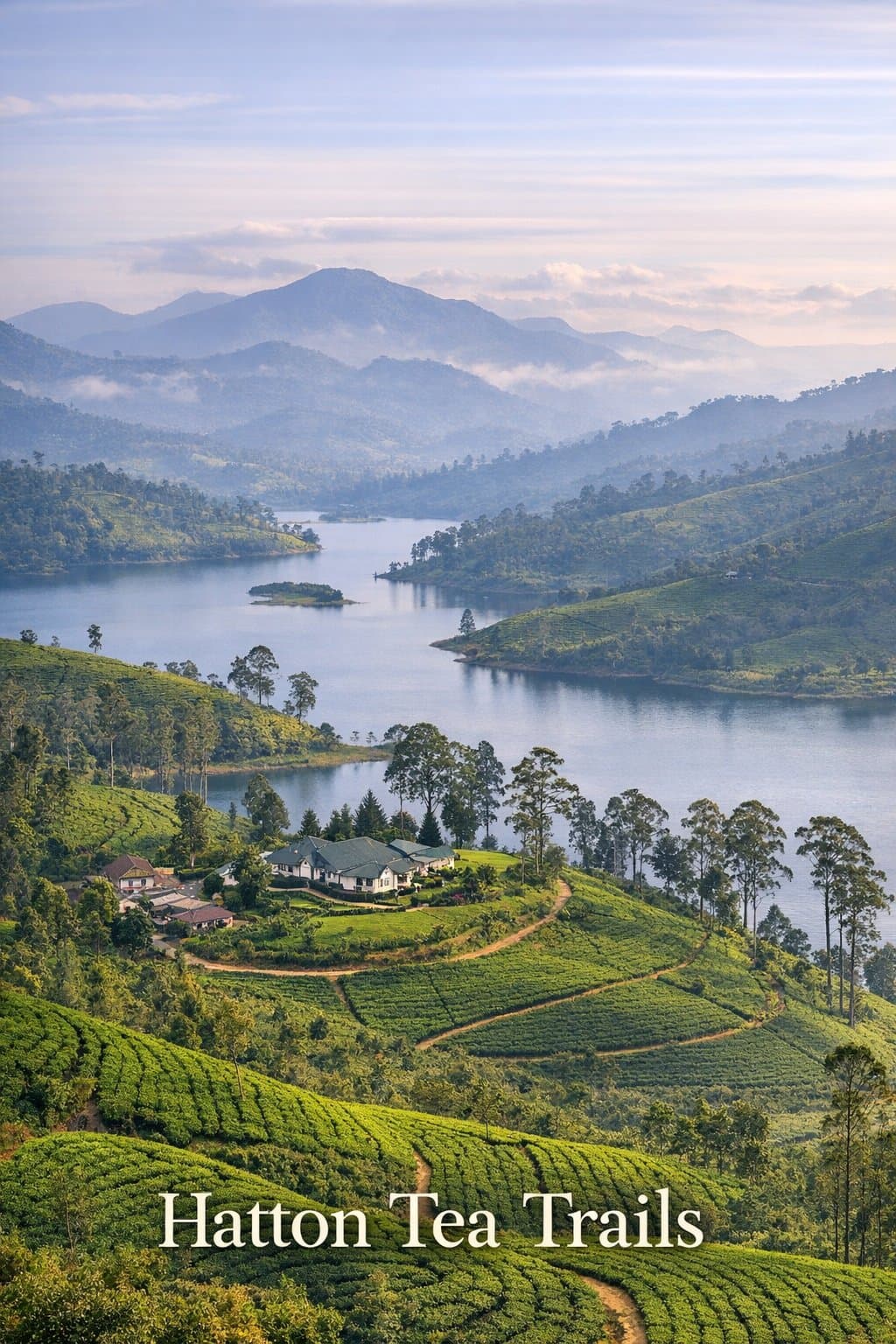
Rolling hills covered in neatly clipped tea bushes are one of Sri Lanka's defining images. Tea was planted here in large quantities after a blight wiped out the island's coffee crop in the 1870s, and "Ceylon tea" soon became one of the most famous drinks in the world. Today you can visit working factories, walk through estates and taste tea where it's grown.
The tea regions
Ceylon tea is classified by the region and elevation where it grows:
- Nuwara Eliya — the highest region, producing light, delicate, fragrant teas.
- Dimbula — around Hatton, Talawakele and Dickoya; bright, refreshing teas.
- Uva — around Haputale, Bandarawela and Ella; distinctive, aromatic teas.
- Uda Pussellawa — between Nuwara Eliya and Uva.
- Kandy — mid-grown teas with full body.
- Ruhuna and Sabaragamuwa — low-grown teas from the south and Ratnapura, strong and dark.
Best tea factory tours
Most factories offer short tours (often free or for a small fee) showing withering, rolling, fermentation, drying and sorting, followed by a tasting.
- Around Nuwara Eliya — Pedro Tea Estate near the town, and the large factories along the A5 at Ramboda, including Bluefield and Mackwoods Labookellie, with tea rooms overlooking the estates.
- Around Ella — the Uva Halpewatte factory is the most popular tour from Ella.
- Around Haputale — the Dambatenne factory, built by Sir Thomas Lipton, close to Lipton's Seat.
- Low-grown tea — Handunugoda near Galle and estates near the Sinharaja rainforest.
Factories usually process tea in the morning, so go before midday to see machines working. Some don't allow photos inside.
Stay in a tea bungalow
Several restored colonial planters' bungalows around Hatton, Dickoya and Nuwara Eliya now operate as boutique hotels, often with full board, butlers and walks through the estate. They're a highlight for many travellers — see our where to stay guide. Budget guesthouses on working estates are another option.
Walk the tea country
- The Pekoe Trail — a waymarked long-distance trail of around 300 km in 22 stages through the tea country. Walk a single stage between villages for a taste of estate life.
- Lipton's Seat in Haputale — walk down through Dambatenne estate at sunrise.
- Little Adam's Peak in Ella — through tea bushes to a ridge-top view.
- Around Hatton — estate roads link bungalows, villages and viewpoints over Castlereagh Reservoir.
See our best hikes in Sri Lanka.
The people of the tea country
Many tea pluckers are Malaiyaha (Hill Country) Tamils, descendants of workers brought from South India by the British in the 19th century. Pluckers, mostly women, pick two leaves and a bud by hand and carry heavy baskets up steep slopes. Wages are low and living conditions on some estates are basic. Ask before taking photos, and if a plucker poses for you, a tip is expected and fair.
Tasting and buying tea
- Grades: OP (Orange Pekoe) and Pekoe are whole or large leaves; BOP (Broken Orange Pekoe) and BOPF are smaller pieces that brew stronger; Dust and Fannings go into tea bags.
- Silver tips — rare, delicate tea made from unopened buds.
- Buy from factories or reputable shops and look for the Lion logo of the Sri Lanka Tea Board on packs of pure Ceylon tea.
- Tea makes a light, affordable souvenir. See our shopping guide.
When to go
The hill country is clearest from January to April. Tea is plucked year-round, though flavours vary with the season — Uva teas have a prized "quality season" around July–September, and Dimbula teas around January–March.
Frequently asked questions
Where is the best place to see tea plantations in Sri Lanka?
Around Nuwara Eliya, Hatton, Haputale and Ella. The train between Nanu Oya and Ella passes through some of the most beautiful estates.
Can you visit tea factories in Sri Lanka?
Yes. Many factories offer short guided tours and tastings, especially around Nuwara Eliya, Ella and Haputale.
How do I know tea is genuine Ceylon tea?
Look for the Sri Lanka Tea Board's Lion logo on the pack, and buy from factories or reputable shops.
Turn this into a plan
Our free AI trip planner builds a day-by-day Sri Lanka itinerary for your dates, with realistic travel times.
Plan my tripQuestions & comments
Share a tip or ask a question. Comments are moderated.
- No comments yet — be the first.
Keep planning
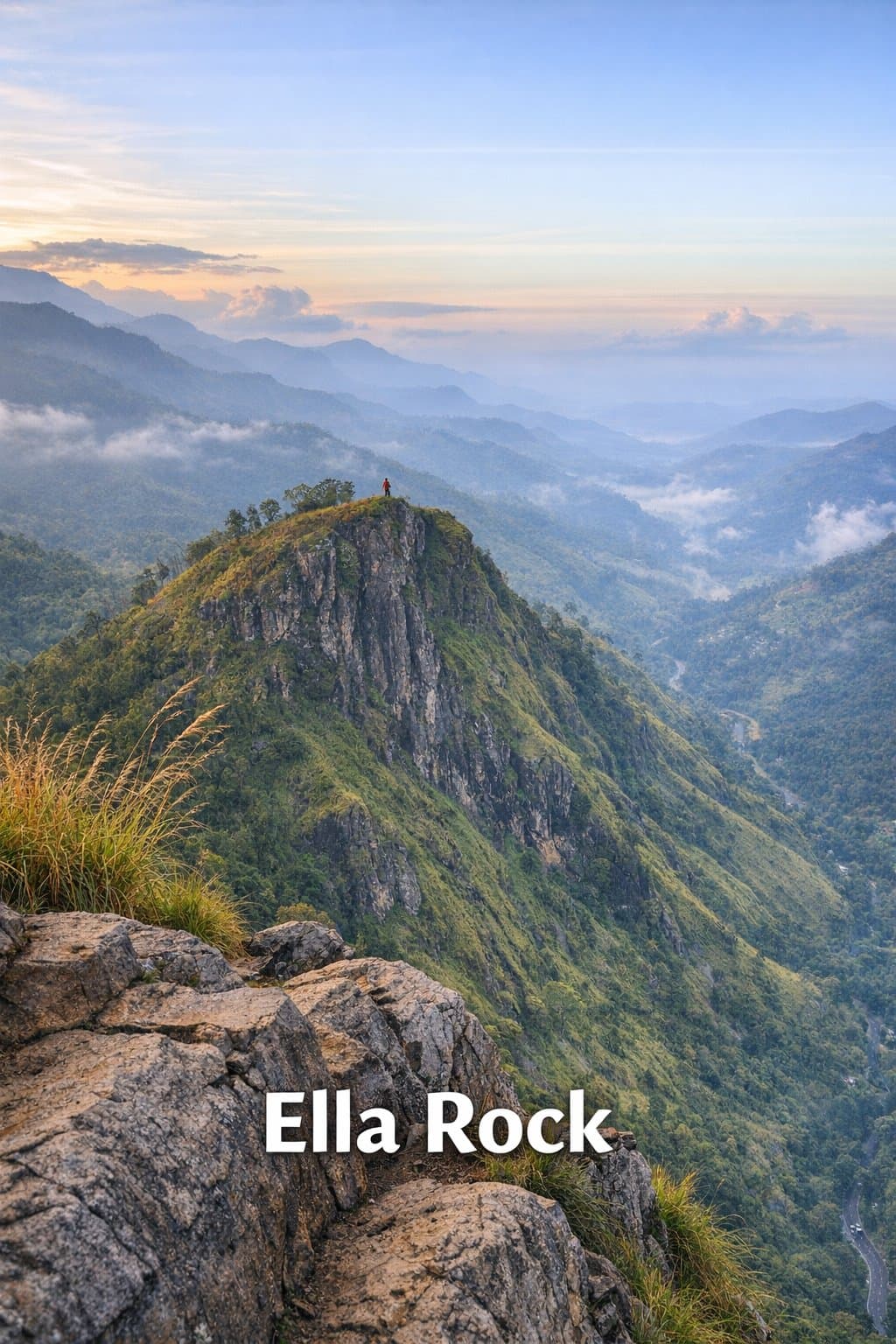
Ella Hiking Guide: Ella Rock, Little Adam's Peak and More
Ella is Sri Lanka's best small town for walking — tea estates, viewpoints and a famous bridge all within reach on foot. Here's how to tackle each hike.
5 Nov 2026· 2 min read
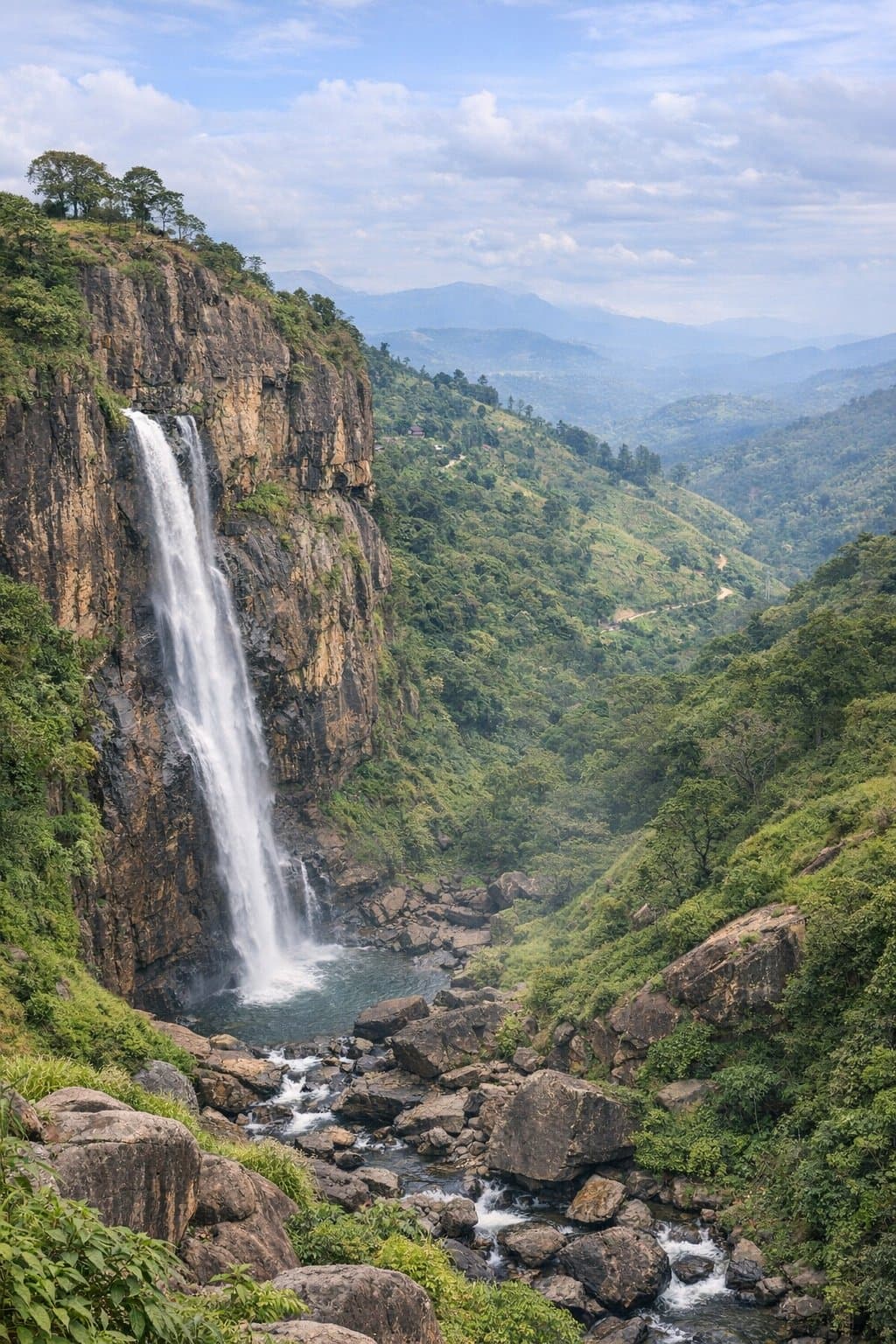
The Most Beautiful Waterfalls in Sri Lanka
The hill country is full of waterfalls — from roadside cascades to the island's tallest drop and natural infinity pools. Here are the best, and how to see them.
5 Nov 2026· 2 min read
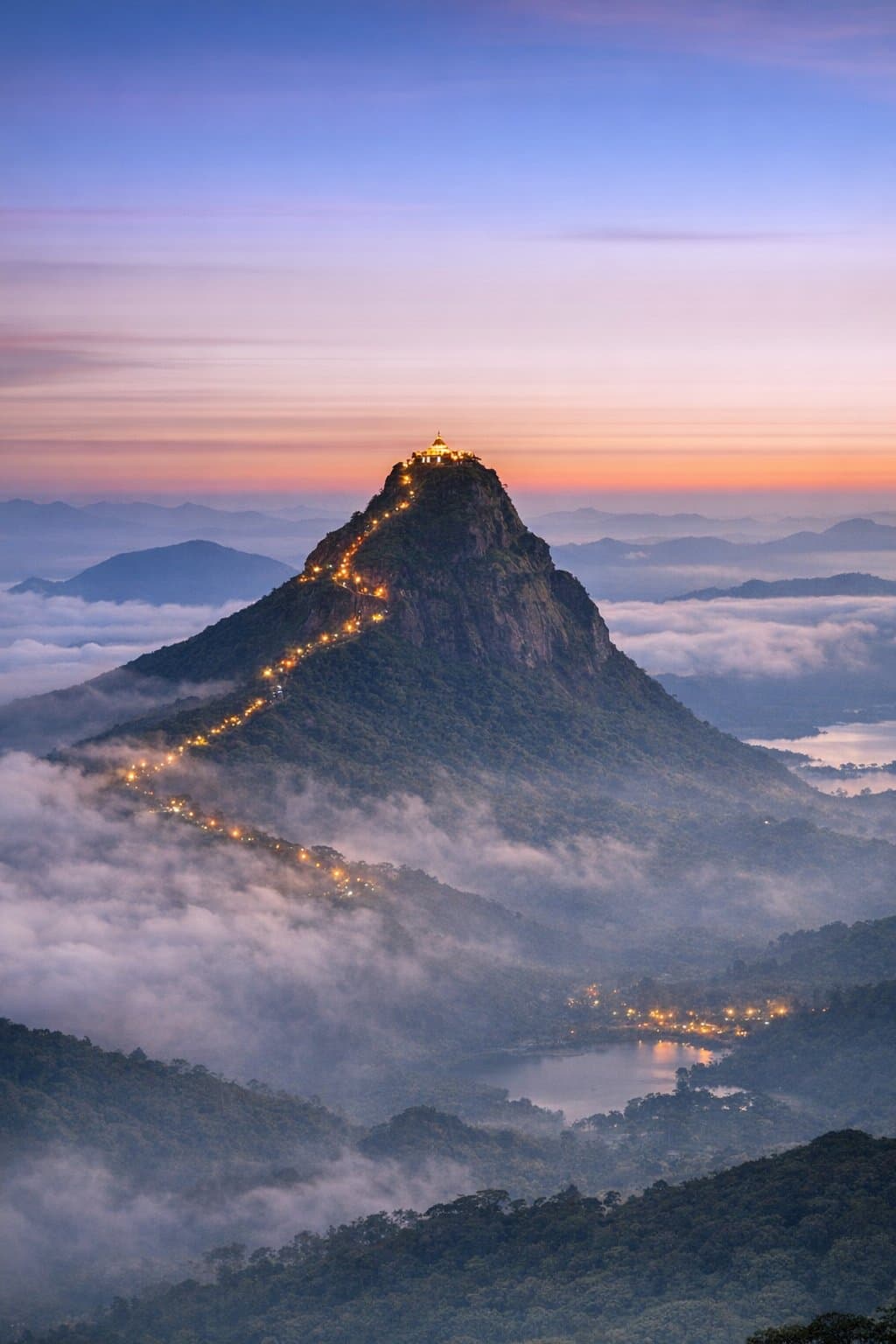
Climbing Adam's Peak (Sri Pada): The Complete Guide
Thousands of steps, a midnight start and a sunrise above the clouds — climbing Adam's Peak is one of the great experiences in Sri Lanka. Here's how to do it well.
5 Nov 2026· 3 min read