Food & Culture
Poya Days in Sri Lanka: What Travellers Need to Know
Every full moon is a public holiday in Sri Lanka. Here's what happens on a poya day, what's closed, the alcohol rules and how to make the most of it.
By Sri Lanka Travel Guides Editorial TeamUpdated 19 November 20262 min read
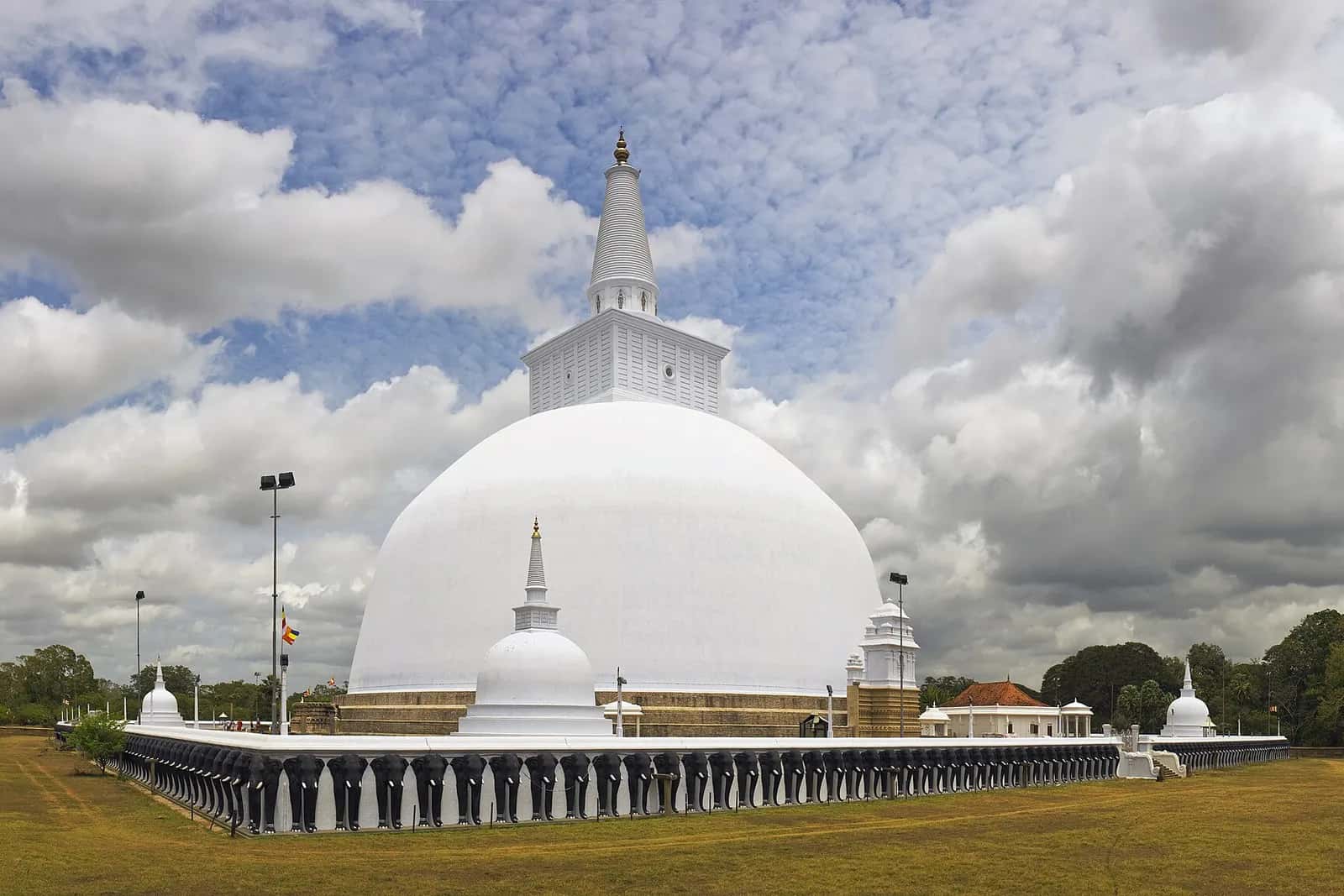
Every month, on the day of the full moon, Sri Lanka observes a public holiday called poya. It's a day of religious observance for Buddhists, who make up the majority of the population. For travellers, poya days can be both a pleasure and a slight inconvenience, depending on what you have planned.
What happens on a poya day
Many Buddhists dress in white and spend the day at temples, making offerings of flowers, lighting oil lamps and listening to sermons. Some devout followers observe the eight precepts for the day, which include not eating after noon. Temples are busy, with chanting and an atmosphere of calm devotion. In the evening, some temples are decorated with lights.
What's closed and what's not
- Alcohol: the sale of alcohol is banned on poya days. Bars and liquor shops close. Many hotels and restaurants stop serving alcohol too, though some tourist hotels may serve guests discreetly. Don't count on getting a drink.
- Meat: many butchers close, and some restaurants serve vegetarian food only.
- Government offices, banks and many shops close, as it's a public holiday.
- Open: tourist sites, national parks, hotels, most restaurants and transport all generally operate.
- Entertainment: nightclubs and loud events don't take place.
Busier places
- Temples and sacred sites are crowded, especially the Temple of the Tooth, Sri Maha Bodhi, Kelaniya and Mihintale.
- Adam's Peak during the pilgrimage season (December to May) gets very crowded on poya weekends.
- Trains and buses can be full as people travel to visit temples and family.
- Popular day-trip spots are busy with local families.
The most important poyas
Every poya has its own meaning. These are the biggest for visitors:
- Duruthu (January): the Kelaniya temple near Colombo holds a grand perahera, or procession.
- Navam (February): the Navam Perahera at Gangaramaya Temple in Colombo.
- Vesak (May): the most important Buddhist festival, celebrating the Buddha's birth, enlightenment and passing. Streets fill with lanterns, illuminated displays and free food stalls called dansalas. Vesak is often marked over two days.
- Poson (June): celebrates the arrival of Buddhism in Sri Lanka, centred on Mihintale and Anuradhapura.
- Esala (July or August): the Kandy Esala Perahera reaches its climax around this full moon.
- Unduvap (December): marks the arrival of the sacred Bodhi tree sapling, and the Adam's Peak season begins.
Dates follow the lunar calendar, so they change each year. See our festivals calendar.
Tips for travellers
- Check the dates before booking key activities, such as a celebration dinner or a visit to a busy temple.
- Buy any wine or beer you want the day before, if you're staying somewhere self-catering.
- Visit a temple. Poya is a wonderful time to see Buddhist life. Dress in white or light colours if you can, and cover your shoulders and knees. See our etiquette guide.
- Expect crowds at religious sites, and travel early.
- Join in respectfully at Vesak dansalas, where everyone is welcome to take free food or drinks.
Frequently asked questions
Can you buy alcohol on poya days in Sri Lanka?
Not legally from shops or bars. Some tourist hotels may serve guests, but don't rely on it.
Are tourist attractions open on poya days?
Yes. Most sites, national parks and hotels operate normally, but religious sites are much busier.
How often is poya?
Once a month, on the full moon. Occasionally there are two in a calendar month.
Turn this into a plan
Our free AI trip planner builds a day-by-day Sri Lanka itinerary for your dates, with realistic travel times.
Plan my tripQuestions & comments
Share a tip or ask a question. Comments are moderated.
- No comments yet — be the first.
Keep planning
Kandy Esala Perahera: A Visitor's Guide to Sri Lanka's Greatest Festival
Ten nights of drummers, fire dancers and caparisoned elephants carrying a sacred relic through Kandy's streets — the Esala Perahera is one of Asia's great festivals. Here's how to see it.
5 Nov 2026· 3 min read
Sri Lanka Festivals and Holidays: A Month-by-Month Calendar
With four major religions and a full-moon holiday every month, Sri Lanka has a festival almost every week. Here's what's on when, and how festivals affect your trip.
19 Nov 2026· 3 min read
Sri Lankan Sweets and Desserts to Try
From coconut custard to crisp festive kokis, Sri Lanka has a long tradition of sweets. Here are the ones to try, what's in them and where to find them.
19 Nov 2026· 2 min read