Gangaramaya Temple (Colombo), Sri Lanka
One of Colombo's most important Buddhist temples, an eclectic mix of architecture and a museum of gifts, with the Geoffrey Bawa-designed Seema Malaka on Beira Lake nearby.
Region
Colombo & the West Coast
Best time
Year-round
Time needed
1 hour
From the airport
≈ 1 h by road
Gangaramaya is one of the most important Buddhist temples in Colombo, and easily the most eccentric. Founded in the late 19th century by the scholar monk Hikkaduwe Sri Sumangala, it stands close to Beira Lake, and it has become a place of worship, a place of learning and a remarkable storehouse of donated objects all rolled into one.
What to see
- The Bodhi tree courtyard, where devotees offer flowers and light oil lamps. The tree is said to have grown from a cutting of the Sri Maha Bodhi at Anuradhapura.
- The main image house, with its huge seated Buddha and walls of brightly painted scenes.
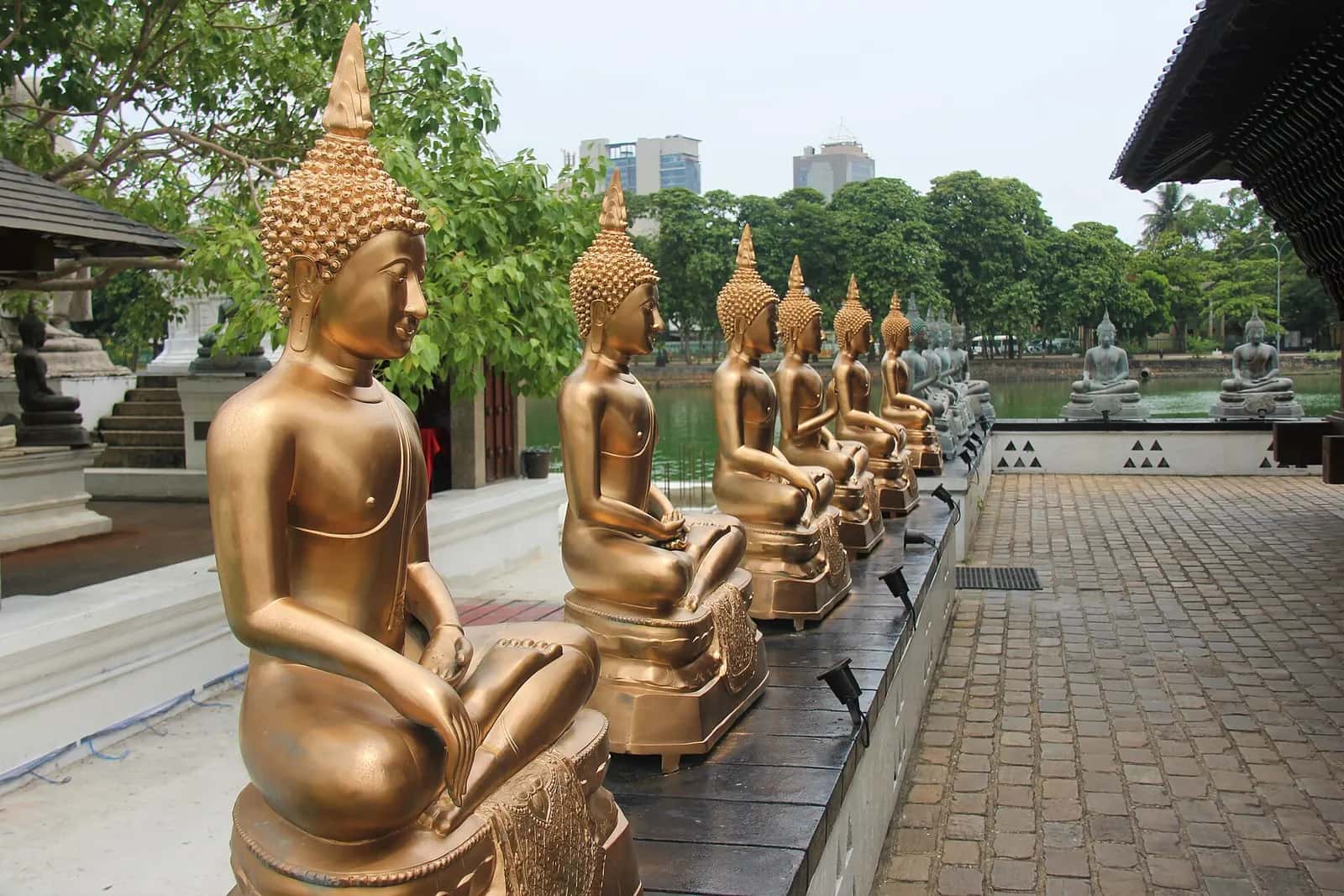
- The stupa and the Buddha halls, which show off a mix of Sri Lankan, Thai, Indian and Chinese styles, including rows of seated Buddha statues in gold.
- The museum, an astonishing jumble of gifts from all over the world: ivory carvings, watches, jewellery, statues, vintage cars and much else, displayed with little obvious order. That is part of its charm.
You may also see a temple elephant here. Many visitors find the conditions in which temple elephants are kept upsetting, and it's reasonable not to feed them or pose with them.
Seema Malaka
A few minutes' walk away, on Beira Lake, is the Seema Malaka, a meditation pavilion designed by Sri Lanka's most celebrated architect, Geoffrey Bawa. Built in the 1970s and reached by a narrow walkway, it's a light, airy structure of timber and blue roofs lined with bronze Buddhas. It's administered by Gangaramaya, and your ticket usually covers both, so keep it with you. At sunset the lake views can be lovely.
Navam Perahera
Every February, on the full moon of Navam Poya, Gangaramaya stages one of Colombo's biggest street processions, with drummers, dancers and decorated floats. It's the best time to see the area at its most vibrant, but streets close, so plan to get there early. Check our festivals calendar for the date in the year you're visiting.
Dress code and tips
This is an active temple. Cover your shoulders and knees, and remove your shoes and hat before entering. Sarongs may be available at the entrance if you need them. Don't pose with your back to a Buddha statue. See our etiquette guide.
Visit in the morning or late afternoon, as the floors get hot by midday, and poya days are especially busy. Allow about an hour for the temple and another 30 minutes for the Seema Malaka. You might be offered a tour by someone on the street outside, so ask about the price before accepting. Only pay for tickets at the official counter.
Getting there
The temple is on Sri Jinarathana Road in Hunupitiya, near Slave Island. It's a short tuk-tuk ride from Galle Face Green or from Fort, or use a ride-hailing app. Our one day in Colombo itinerary puts it together with Pettah Market, the Red Mosque and a sunset on the green.
Gangaramaya Temple (Colombo): frequently asked questions
Is Gangaramaya Temple worth visiting?
Yes, it's among the most interesting sights in Colombo, particularly for the museum and for the nearby Seema Malaka.
Is the Seema Malaka included in the Gangaramaya ticket?
Generally yes, the same ticket covers both. Keep it to show at the second site.
What should I wear to Gangaramaya Temple?
Clothes that cover your shoulders and knees. You'll need to take off your shoes and hat before going in.
Map and getting there
Approximate road times (Sri Lanka’s roads are slow — allow extra time for traffic and stops): Colombo airport (CMB) ≈ 1 h · Kandy ≈ 3.5 h · Galle ≈ 4 h. For flexible door-to-door travel, consider a local driver.
Related travel guides
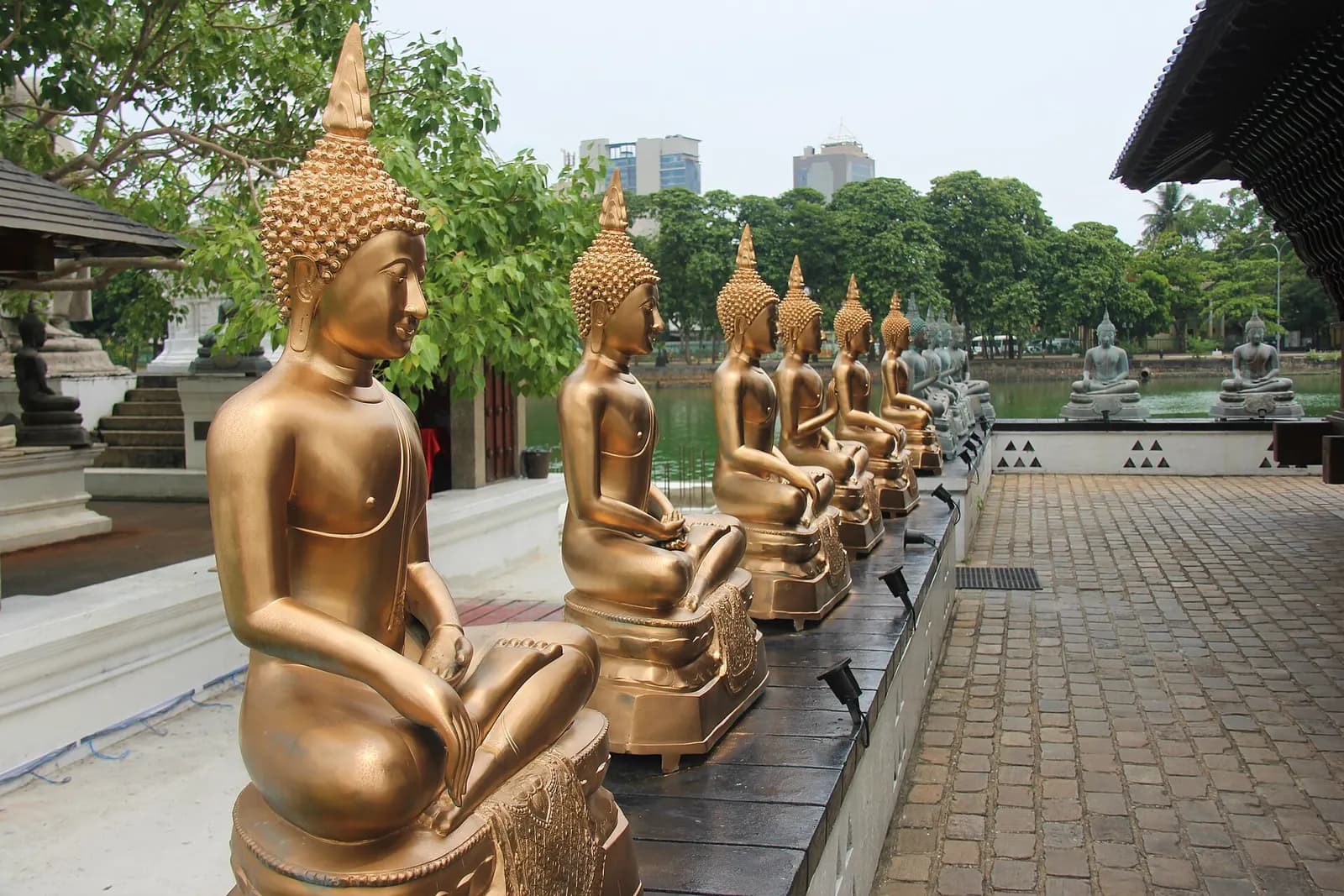
One Day in Colombo: A Self-Guided Itinerary
Most travellers rush through Colombo, but one well-planned day shows you a fascinating mix of temples, bazaars, colonial architecture and great food. Here's how to do it.
12 Nov 2026· 2 min read
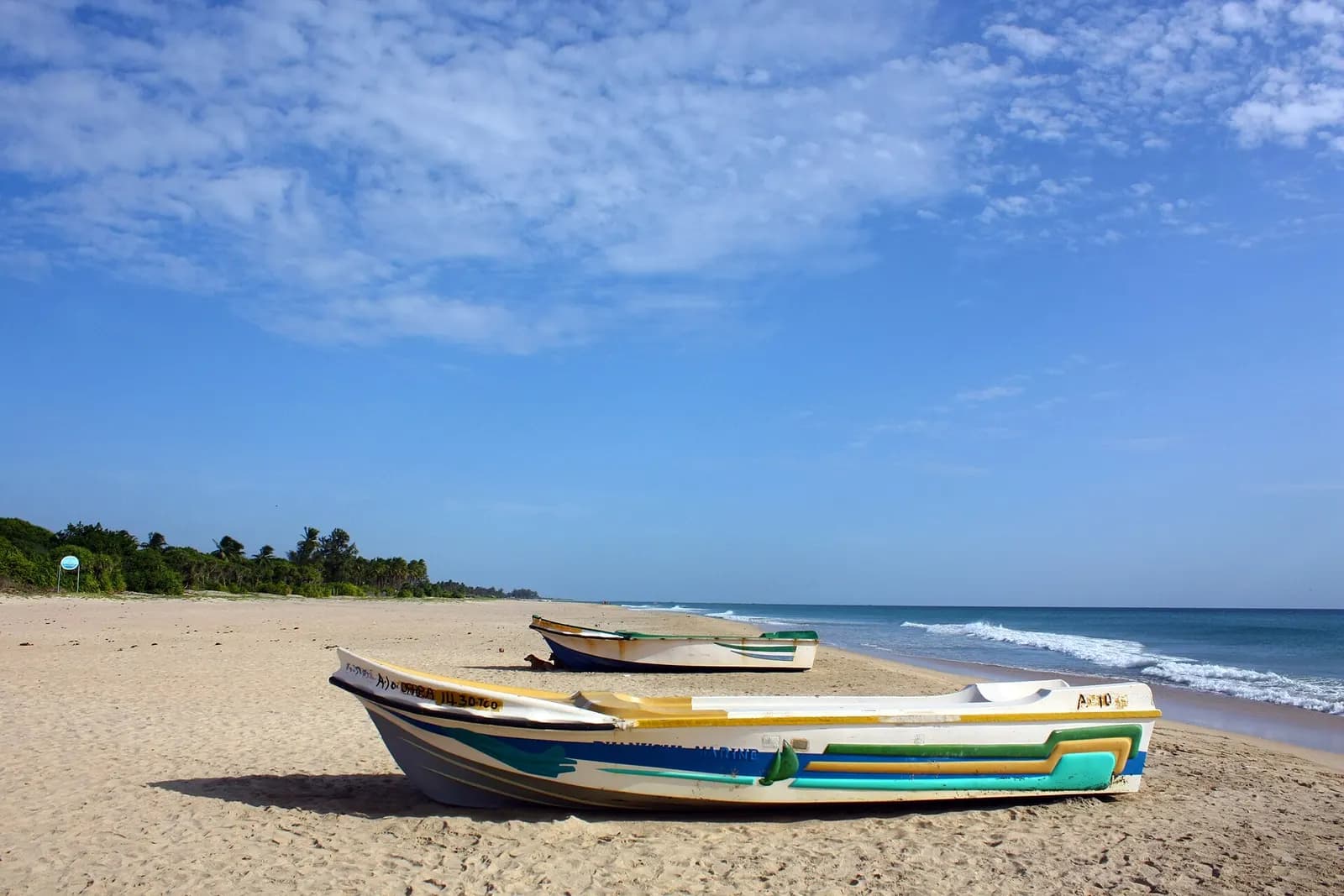
Sri Lanka in May and June: Monsoon, Vesak and the East Coast
The south-west monsoon arrives in late May, and the action moves east. Add the lanterns of Vesak and low-season prices, and these can be rewarding months.
12 Nov 2026· 3 min read
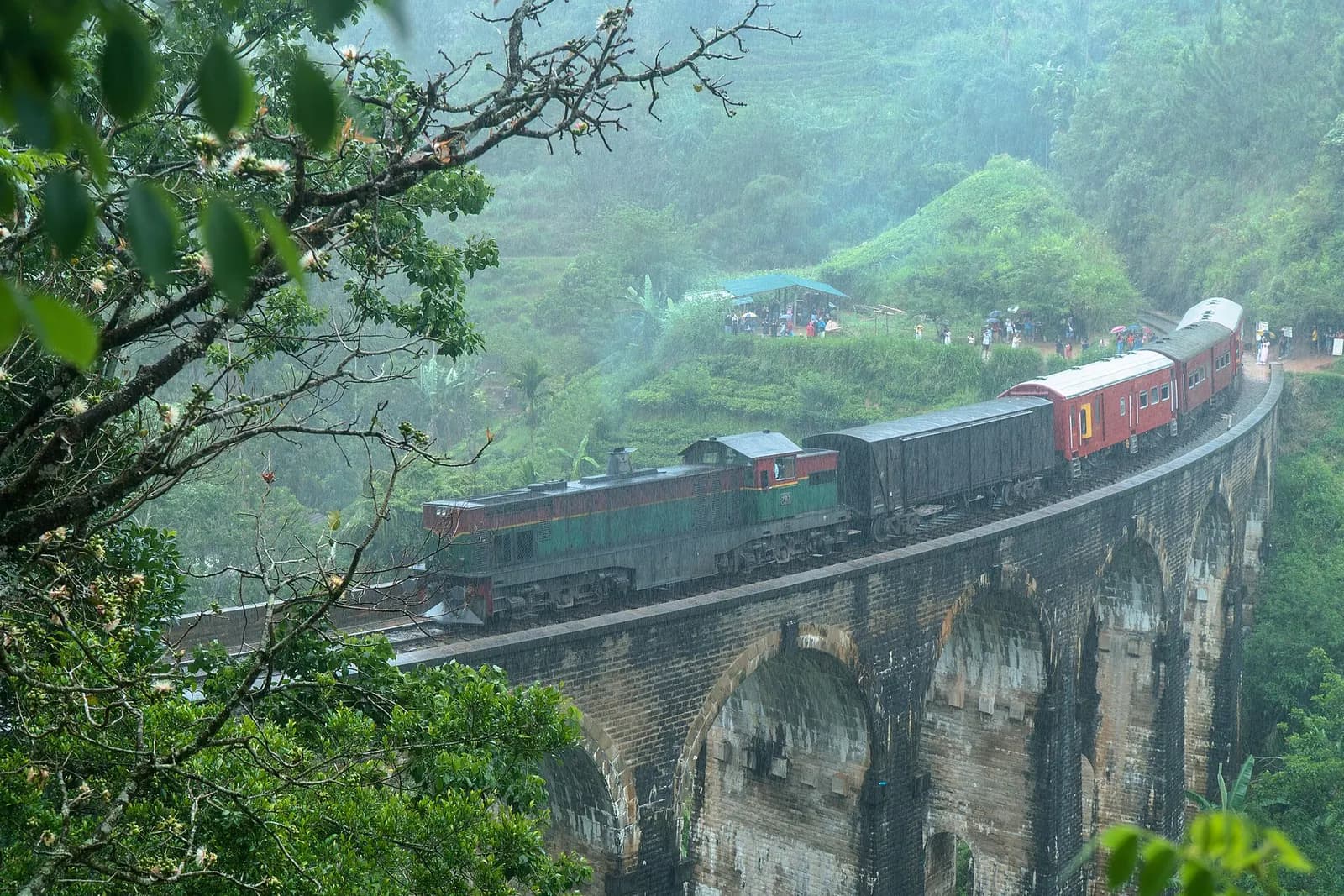
Sri Lanka in February and March: The Best All-Round Months
If you can choose any time to visit Sri Lanka, choose February or March. Most of the island is dry, the hills are clear and the peak-season crowds have thinned.
12 Nov 2026· 3 min read
More places near Gangaramaya Temple (Colombo)
 city
Colombo & the West Coast
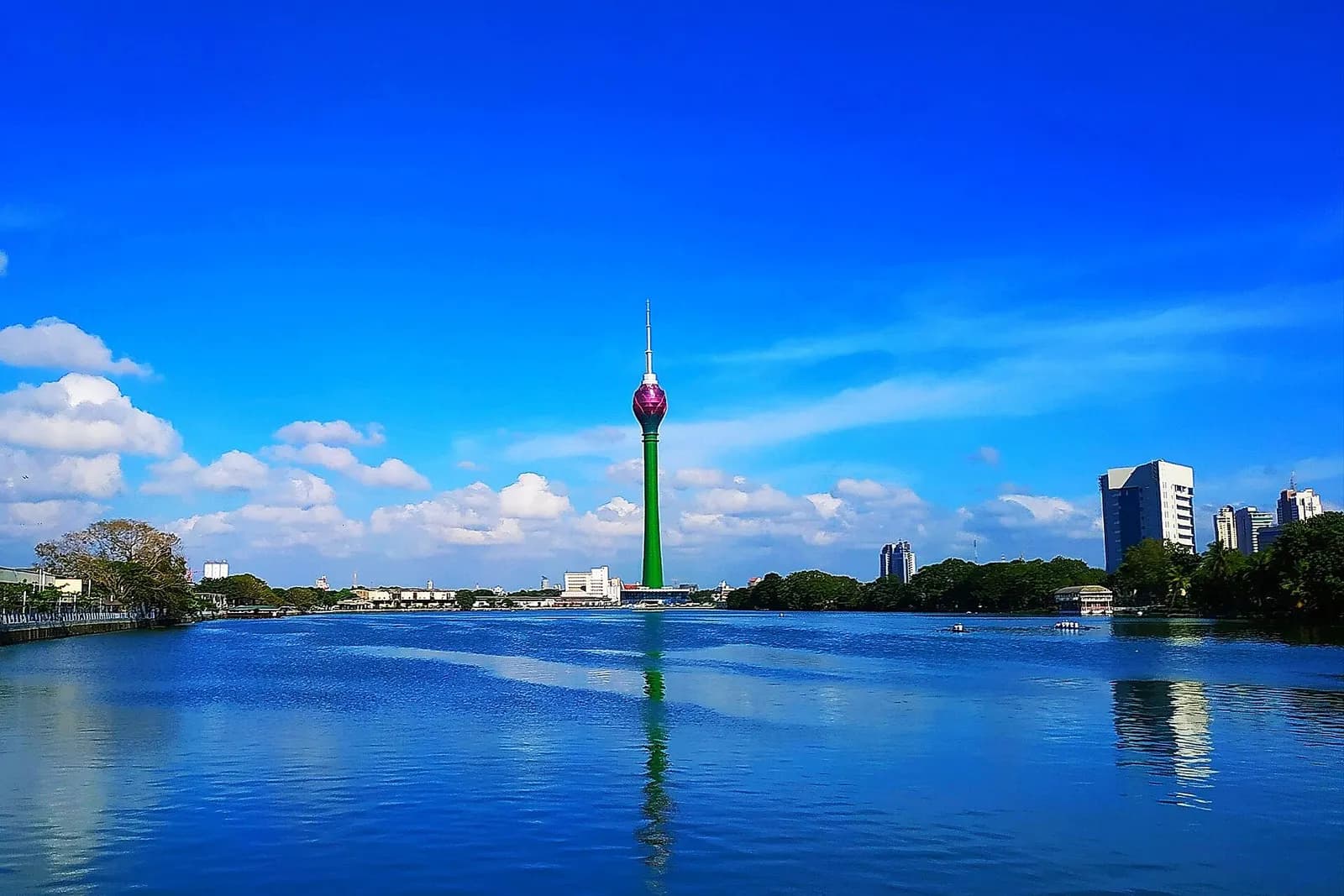
Lotus Tower (Colombo)
The 350-metre lotus-shaped tower that dominates the Colombo skyline, with an observation deck that gives the highest public view in Sri Lanka.
Best: Year-round
 city
Colombo & the West Coast
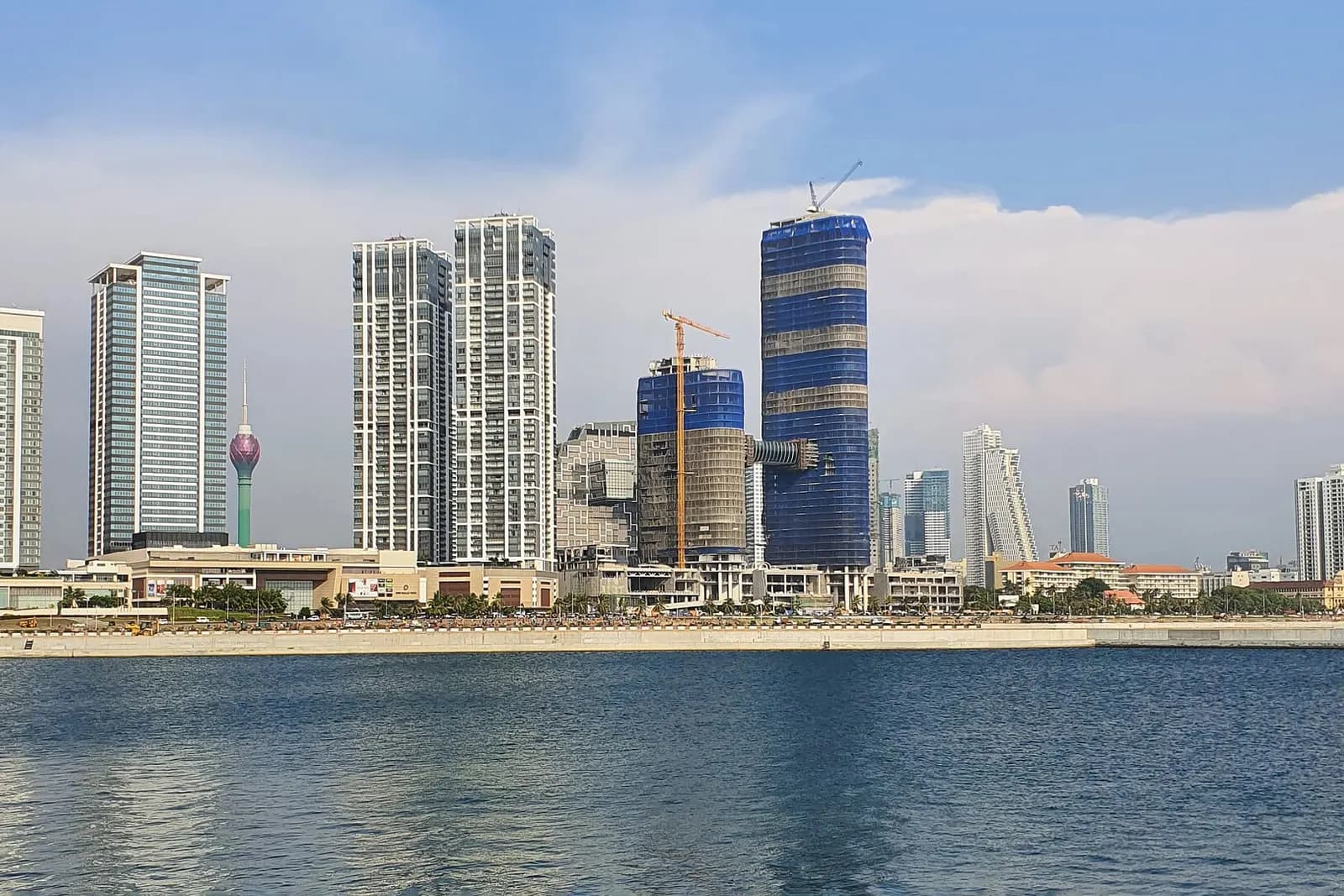
Colombo
Sri Lanka's commercial capital mixes colonial Fort, the bazaars of Pettah, Buddhist and Hindu temples, a seafront promenade and the island's best restaurants. Most travellers pass through — it is worth a full day to understand modern Sri Lanka.
Best: December to April
 city
Colombo & the West Coast
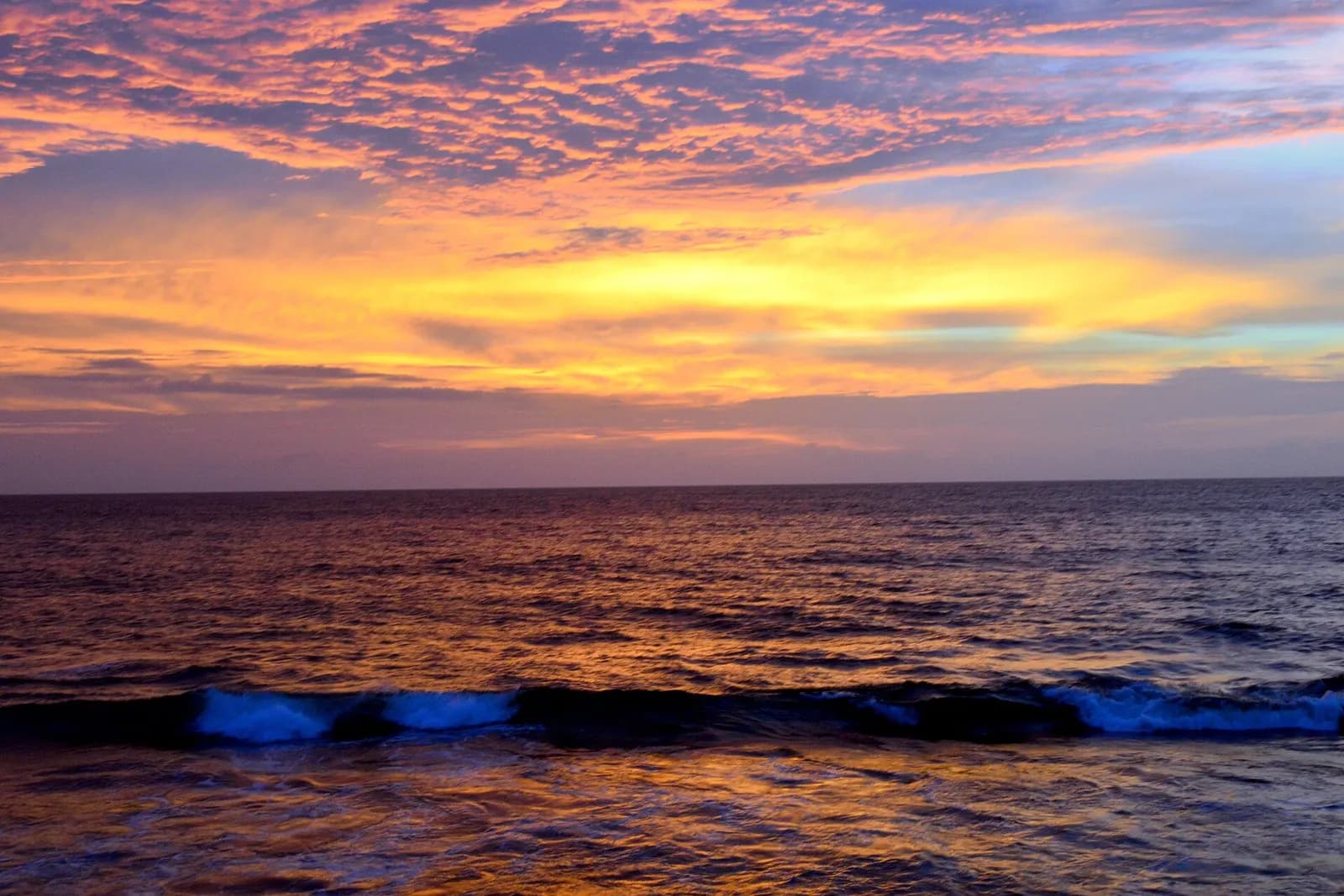
Galle Face Green
Colombo's seafront promenade and lawn, where the city comes at sunset to fly kites, eat street food and watch the Indian Ocean. Free, lively and best in the early evening.
Best: December to April
Last updated November 2026. December to April (dry, calm sea); May to September brings the south-west monsoon.