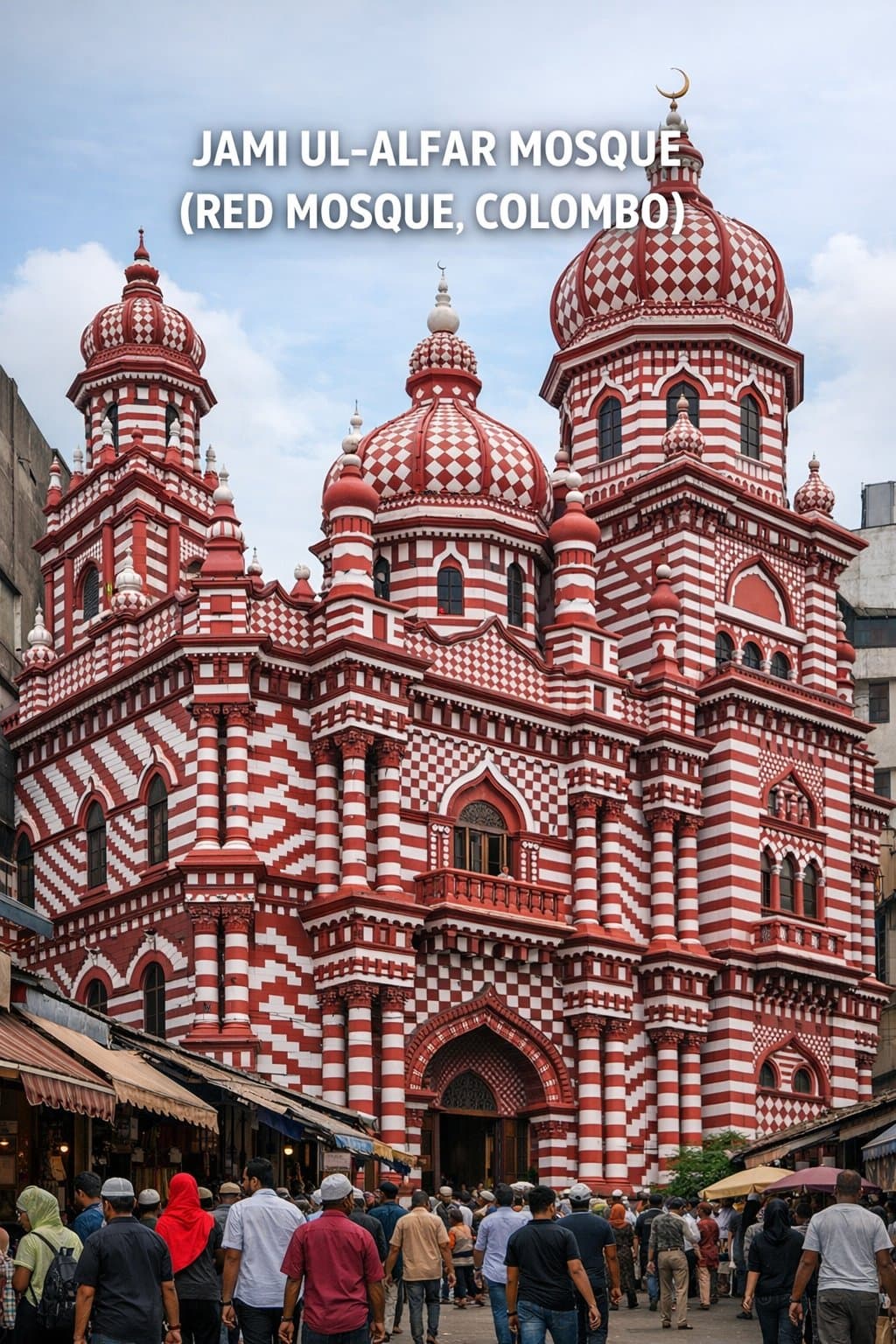
Jami Ul-Alfar Mosque (Red Mosque, Colombo)
Pettah's candy-striped red-and-white mosque, built in 1909 and one of Colombo's most photographed buildings. Visitors are welcome outside prayer times; dress modestly.
Region
Colombo & the West Coast
Best time
Year-round
Time needed
30 minutes
From the airport
≈ 60 min by road
Quick tips for Jami Ul-Alfar Mosque (Red Mosque, Colombo)
- Look beyond the headline attraction. Side streets, small shrines, and local craft stalls often become the highlights of the day.
- Stay nearby for at least one night. The evening atmosphere—after day-trippers leave—often feels more authentic and relaxed.
- Pack a scarf or shawl and dress respectfully. Temples and sacred spaces are living places of worship—etiquette is part of responsible tourism in Sri Lanka.
Some places in Sri Lanka are best understood slowly. Jami Ul-Alfar Mosque (Red Mosque, Colombo) is one of them: arrive curious, walk a little, listen a lot. This Sri Lanka travel guide to Jami Ul-Alfar Mosque (Red Mosque, Colombo) focuses on the details that actually help on the ground: what to do, how long to stay, the best time to visit, and local travel tips that keep your trip simple. Expect history with a pulse, plus a few surprises that don’t always show up in the first search result.
Why Jami Ul-Alfar Mosque (Red Mosque, Colombo)
Why go? Because Jami Ul-Alfar Mosque (Red Mosque, Colombo) fits neatly into a Sri Lanka itinerary without feeling like a ‘box to tick’. It’s easy to enjoy in small, low- stress moments: an early walk, a good meal, a viewpoint, a short tuk-tuk ride. If you’re travelling with a mix of interests—culture, nature, food, and photo spots—this stop can satisfy more than one travel style.
Things to do in Jami Ul-Alfar Mosque (Red Mosque, Colombo)
- Look beyond the headline attraction. Side streets, small shrines, and local craft stalls often become the highlights of the day.
- Stay nearby for at least one night. The evening atmosphere—after day-trippers leave—often feels more authentic and relaxed.
- Pack a scarf or shawl and dress respectfully. Temples and sacred spaces are living places of worship—etiquette is part of responsible tourism in Sri Lanka.
- Go early, before the heat and the tour buses. You’ll get better photos and a calmer feel for the site—especially if you’re visiting as part of a Sri Lanka itinerary.
- Hire a local guide for an hour. Context matters here, and a good guide turns stones and statues into a story you’ll actually remember.
Hidden-gem moments
- Step into the smaller side shrines. They’re usually quieter and often more revealing than the headline photo spot.
- Find a local tea shop near the site and take a break. Watching everyday life is part of understanding the place.
- If there’s a museum or interpretation centre, do it after the main visit—context lands better once you’ve seen the real thing.
Best time to visit Jami Ul-Alfar Mosque (Red Mosque, Colombo)
Best time to visit: On the southwest coast, the sunniest stretch is usually November to April. May to September can be greener and more humid, with rougher seas some days—still fine if you’re happy to mix beach time with cafés, lagoon trips, and slower sightseeing.
How to get to Jami Ul-Alfar Mosque (Red Mosque, Colombo)
Jami Ul-Alfar Mosque (Red Mosque, Colombo) is well-connected by road and rail. If you’re flying in, Bandaranaike International Airport is the main gateway, and a taxi or ride-hailing app is usually the simplest option. In the city, short tuk-tuk rides plus a bit of walking go a long way.
Where to stay in Jami Ul-Alfar Mosque (Red Mosque, Colombo)
For Jami Ul-Alfar Mosque (Red Mosque, Colombo), many travellers prefer a calm base: a guesthouse with a garden, or a heritage-style property that matches the destination’s mood. Prioritise location over luxury—you’ll spend most of your time out exploring.
Food and local flavours
Food in Sri Lanka is half the travel experience. In Jami Ul-Alfar Mosque (Red Mosque, Colombo), look for small places serving rice and curry, kottu, and fresh fruit plates. If you eat seafood, ask what was caught locally that day. For vegetarians, Sri Lankan curries are usually a win—just mention your spice comfort level.
Responsible travel notes
Travel kindly: take shoes off where required, ask before photographing people, and keep noise low in temples and nature areas. If you’re hiring a driver or guide, choose someone who follows local rules and prioritises safety.
A simple 2-day itinerary
Day 1: Arrive and do a gentle orientation walk. Visit the main site in the late afternoon when the light is softer. In the evening, try a local dinner spot and get an early night.
Day 2: Go early for your main exploration (ideally with a guide). Take a long lunch break, then spend the afternoon on smaller temples, markets, or museums nearby. You’ll leave with a deeper sense of place, not just a checklist.
FAQ
Do I need a guide in Jami Ul-Alfar Mosque (Red Mosque, Colombo)?
It depends. For heritage sites and wildlife areas, a guide can add real value—context, safety, and better understanding. For beaches and towns, you can explore independently and book a guide only for a specific experience.
What should I pack for Jami Ul-Alfar Mosque (Red Mosque, Colombo)?
Bring lightweight clothing, sun protection, and comfortable shoes. Add a light rain layer (Sri Lanka loves surprise showers). For temples, pack something that covers shoulders and knees, plus socks if you prefer them on hot stone.
Is it easy to get around without a driver?
Sri Lanka has buses, trains, and tuk-tuks almost everywhere, but travel can be slow. If you’re short on time, a private driver can make an itinerary smoother. If you’re travelling slowly, public transport works fine with flexibility.
How long should I stay in Jami Ul-Alfar Mosque (Red Mosque, Colombo)?
For most travellers, 1–2 nights is a sweet spot, especially if Jami Ul-Alfar Mosque (Red Mosque, Colombo) is a stop on a larger Sri Lanka itinerary. If you’re here for a specific activity (surfing, safari, hiking), add extra days so you’re not rushing.
Is Jami Ul-Alfar Mosque (Red Mosque, Colombo) good for families?
Yes—with a bit of planning. Choose calm accommodation, keep travel days short, and plan one main activity per day. In Sri Lanka, the heat can be the biggest challenge for kids, so early starts and midday breaks help.
Map and getting there
Approximate road times (Sri Lanka’s roads are slow — allow extra time for traffic and stops): Colombo airport (CMB) ≈ 60 min · Kandy ≈ 3.5 h · Galle ≈ 4 h. For flexible door-to-door travel, consider a local driver.
Related travel guides
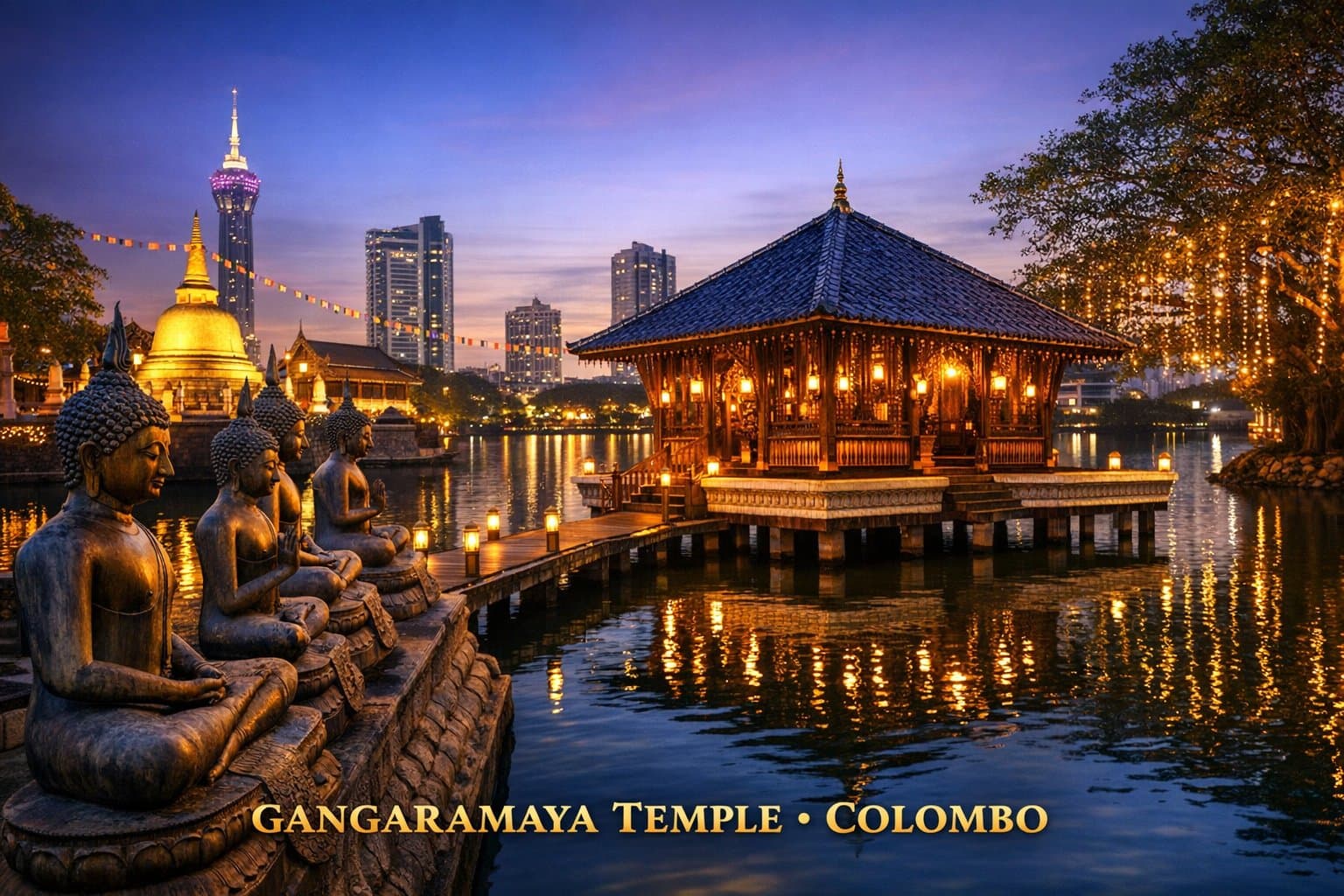
One Day in Colombo: A Self-Guided Itinerary
Most travellers rush through Colombo, but one well-planned day shows you a fascinating mix of temples, bazaars, colonial architecture and great food. Here's how to do it.
5 Nov 2026· 2 min read
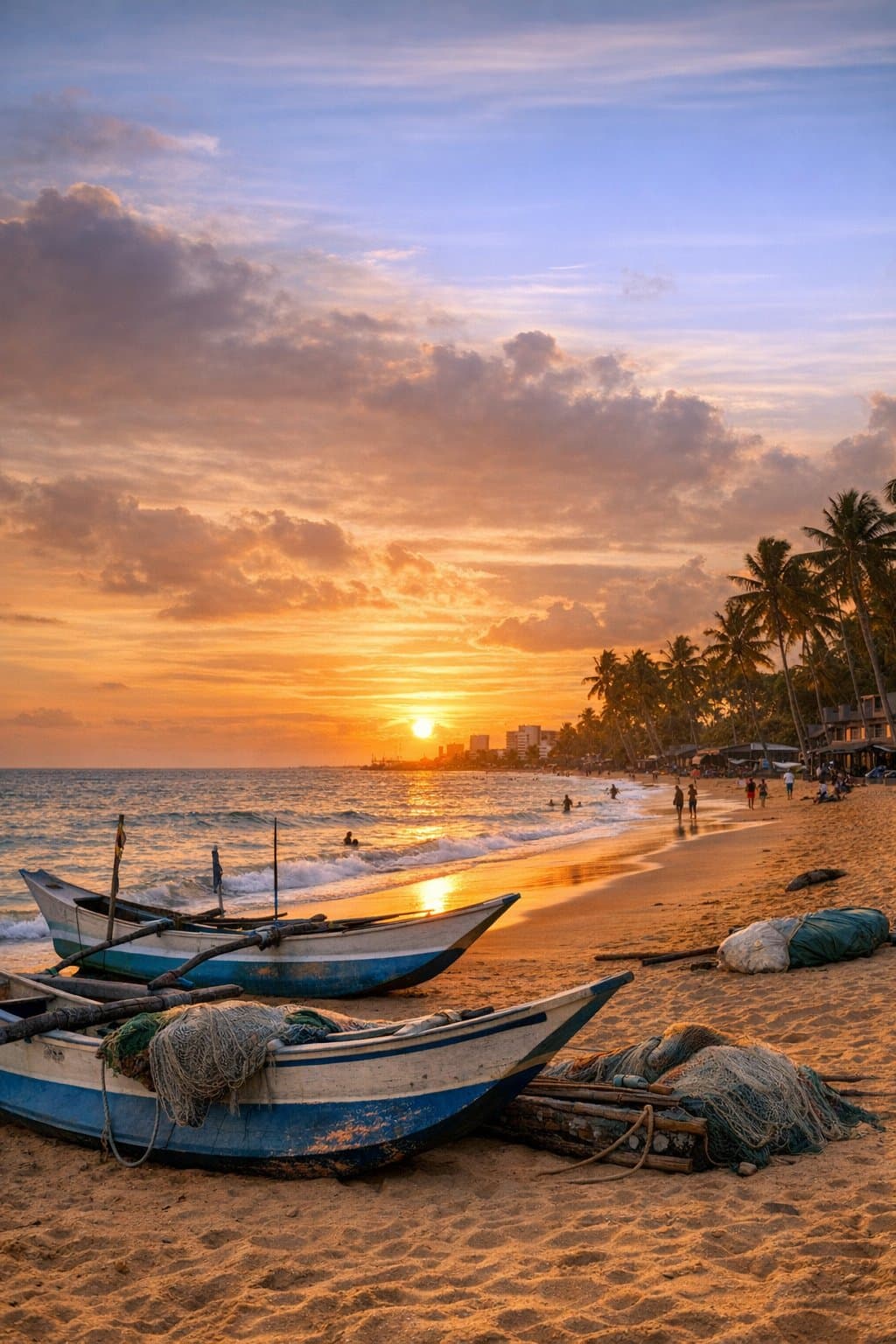
Arriving at Colombo Airport: A Step-by-Step Guide
Landing in Sri Lanka for the first time? Here's exactly what happens between the plane and your first night's bed — immigration, money, SIM cards and getting to your hotel.
5 Nov 2026· 2 min read
More places near Jami Ul-Alfar Mosque (Red Mosque, Colombo)
 city
Colombo & the West Coast
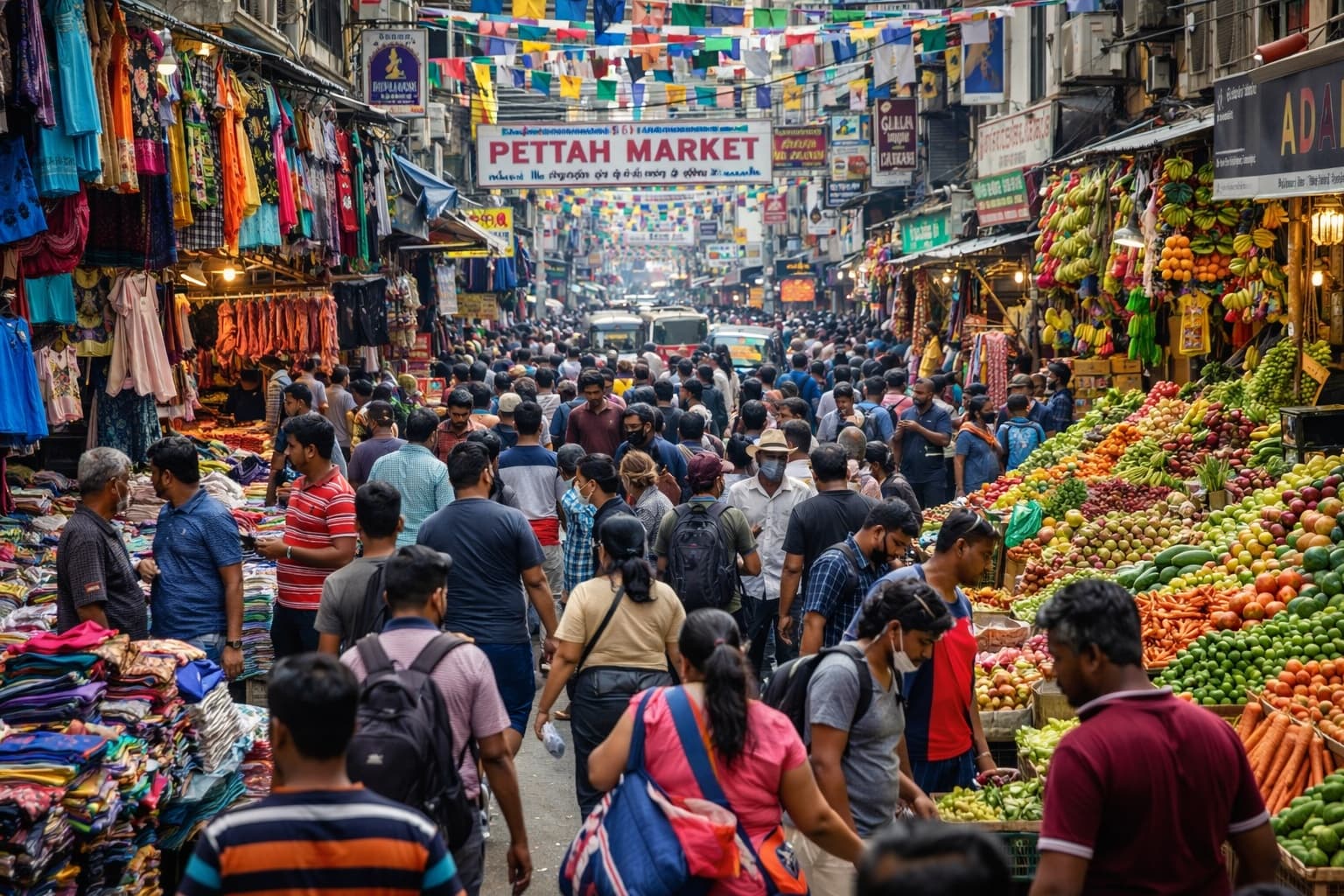
Pettah Market (Colombo)
Colombo's oldest and busiest bazaar, where each street specialises in a trade — spices, fabrics, electronics, wedding gear. Go on a weekday morning and keep your valuables close.
Best: Year-round (weekday mornings)
 city
Colombo & the West Coast
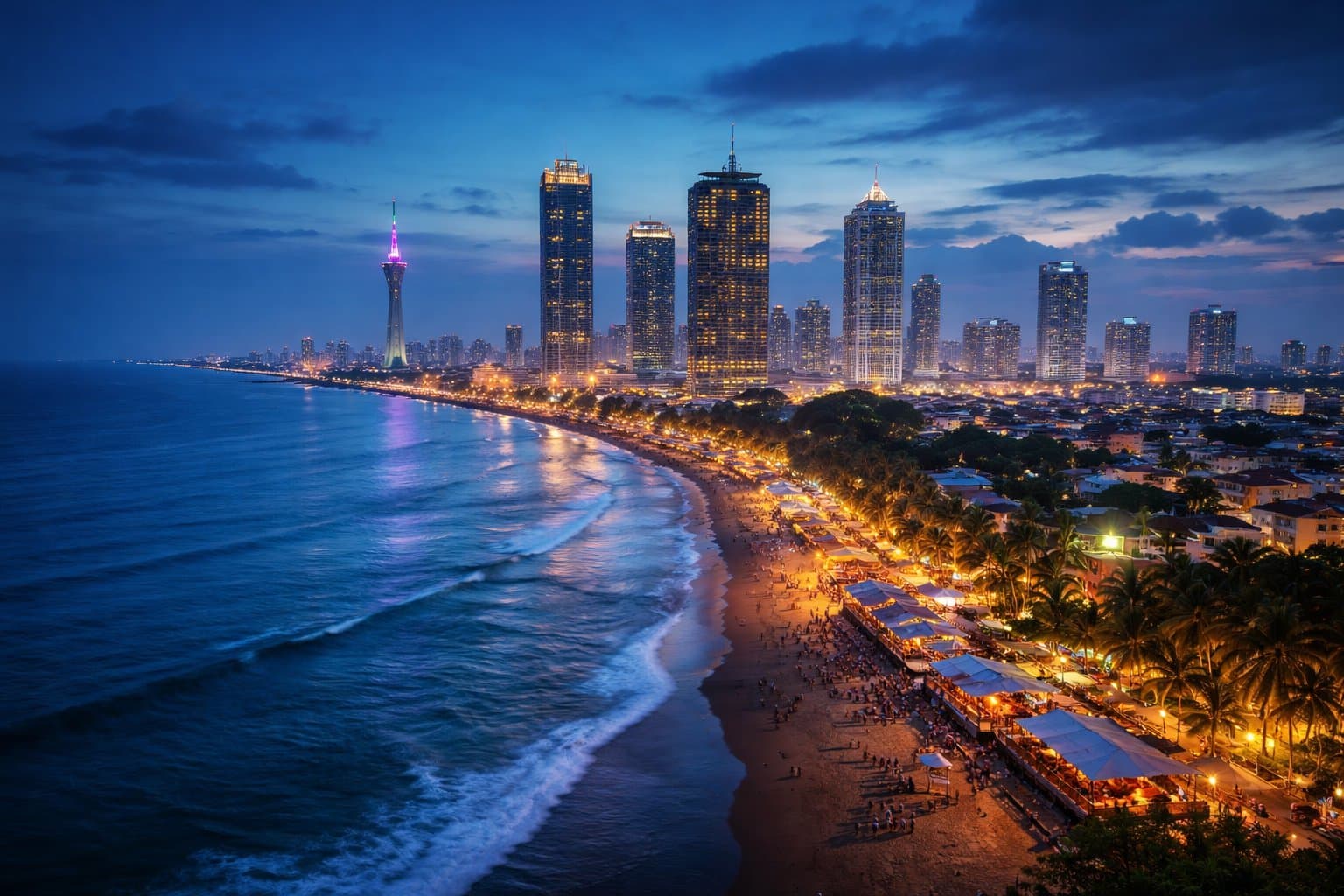
Colombo
Sri Lanka's commercial capital mixes colonial Fort, the bazaars of Pettah, Buddhist and Hindu temples, a seafront promenade and the island's best restaurants. Most travellers pass through — it is worth a full day to understand modern Sri Lanka.
Best: December to April
religiousColombo & the West Coast
Gangaramaya Temple (Colombo)
One of Colombo's most important Buddhist temples, an eclectic mix of architecture and a museum of gifts, with the Geoffrey Bawa-designed Seema Malaka on Beira Lake nearby.
Best: Year-round
Last updated November 2026. December to April (dry, calm sea); May to September brings the south-west monsoon.