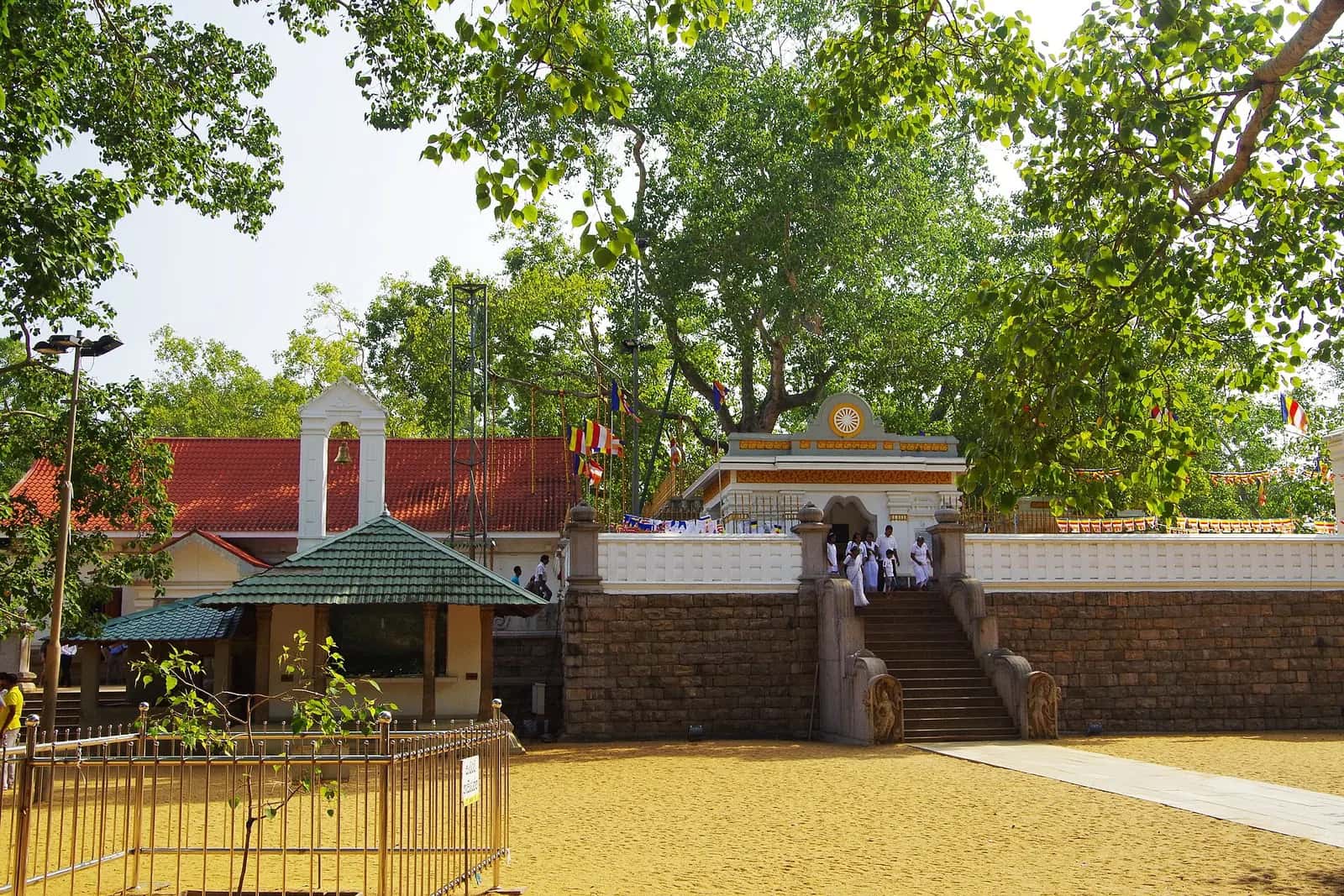
Sri Maha Bodhi, Sri Lanka
The sacred fig tree in Anuradhapura grown from a cutting of the tree under which the Buddha attained enlightenment. Planted in the 3rd century BC, and tended ever since.
Region
The Cultural Triangle
Best time
February to September
Time needed
1 hour
From the airport
≈ 5 h by road
The Jaya Sri Maha Bodhi is the spiritual heart of Anuradhapura, and one of the most sacred places in the Buddhist world. It is a fig tree grown from a cutting of the tree at Bodh Gaya in India under which the Buddha attained enlightenment. Planted here in the 3rd century BC, it's often described as the oldest living tree in the world with a known planting date.
The story
According to the chronicles, the cutting was brought to Sri Lanka by Sanghamitta, a Buddhist nun and the daughter of the Indian emperor Ashoka. King Devanampiya Tissa received it with great ceremony and planted it in his royal park. The tree has been tended continuously for more than 2,200 years, through invasions, the fall of Anuradhapura and centuries when jungle swallowed the city around it. Saplings from it were planted all over the island, and beyond.
What you'll see
The sacred tree grows on a high terrace, surrounded by a golden fence and supported by golden props. Visitors can't touch it or go right up to it. Other bo trees grow on the lower terraces around it.
What stays with most visitors is the atmosphere. Pilgrims dressed in white sit and chant on the sand. Families bring trays of lotus flowers, oil lamps and incense. Prayer flags flutter overhead, and drummers announce the daily offerings. It is a living place of worship, much more than a monument.
Puja times
Offerings are made several times a day, typically early in the morning, late in the morning and in the evening, with drumming and processions. Dawn and dusk are the most moving times to be here. On poya days, and especially at Poson in June, tens of thousands of pilgrims come, and the whole sacred city is full.
Visiting
- Dress: white or light-coloured clothing that covers shoulders and knees is expected. Remove your shoes and hat at the entrance, where there are shoe counters.
- Security: bags are checked at the entrance, following an attack here in 1985.
- Photos: photography is allowed in most areas, but don't pose with your back to the tree or shrines, and be discreet around worshippers.
- Heat: the sand and stone become very hot by late morning. Go early, or bring socks.
- Tickets: access to the Sri Maha Bodhi has generally been separate from the main archaeological site ticket. Carry cash for a donation.
Our etiquette guide has more on visiting sacred sites.
Nearby
A short walk leads to the great white stupa of Ruwanwelisaya, past the stone pillars of the Brazen Palace. Isurumuniya is a few minutes away by bike or tuk-tuk. Our Anuradhapura guide explains how to plan a full day, and the Buddhist pilgrimage guide covers the island's other sacred sites.
Sri Maha Bodhi: frequently asked questions
How old is the Sri Maha Bodhi tree?
More than 2,200 years. It was planted in the 3rd century BC.
Can you touch the Sri Maha Bodhi?
No. The sacred tree stands on a raised terrace behind a golden fence.
What should I wear to the Sri Maha Bodhi?
White or light clothing covering shoulders and knees. Shoes and hats must be removed.
Map and getting there
Approximate road times (Sri Lanka’s roads are slow — allow extra time for traffic and stops): Colombo airport (CMB) ≈ 5 h · Kandy ≈ 4.5 h · Galle ≈ 9.5 h. For flexible door-to-door travel, consider a local driver.
Related travel guides
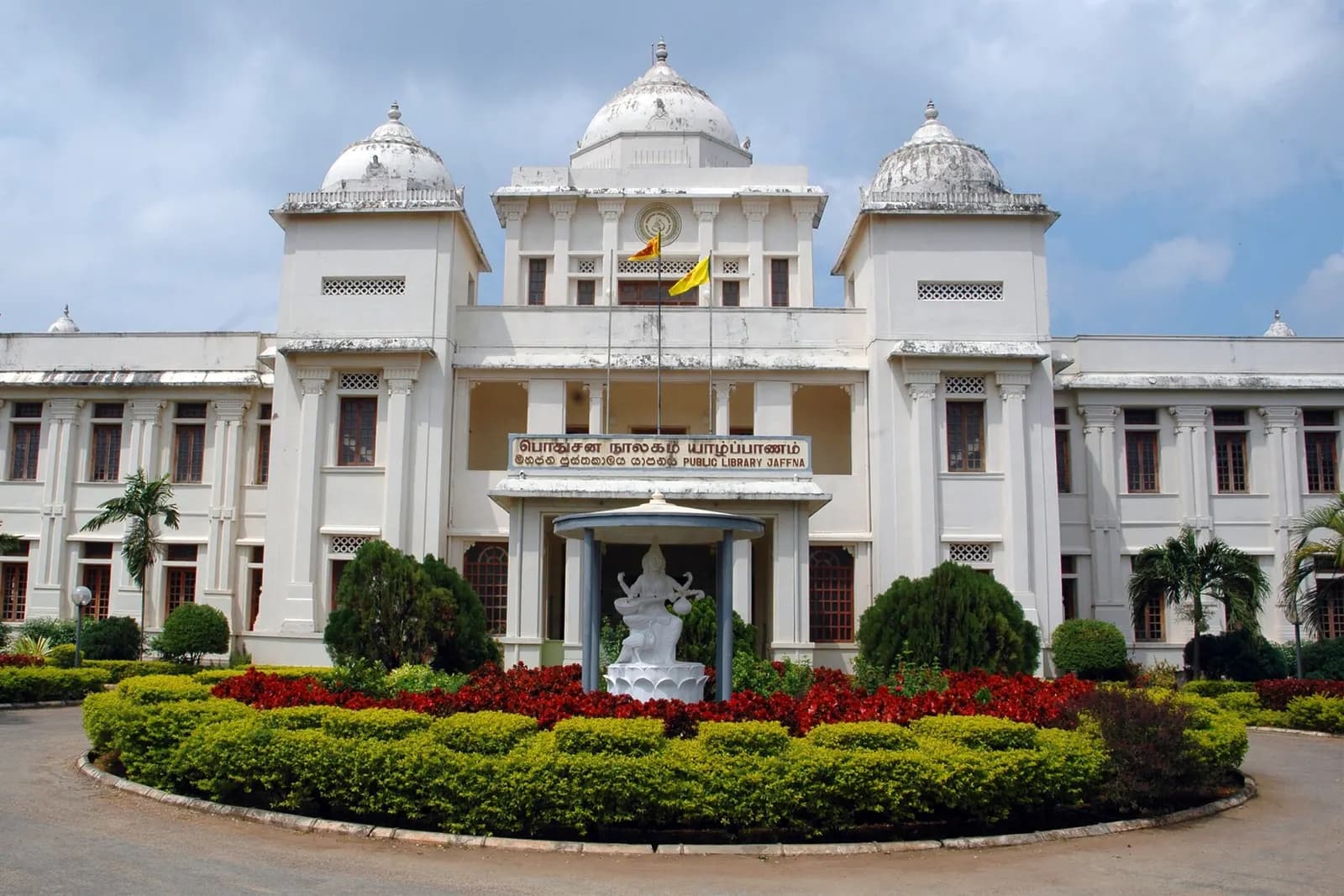
Colombo to Jaffna: Train, Bus, Flight or Car?
Jaffna is about 400 km north of Colombo. You can take the train, an overnight bus, a short flight or the long drive up the A9. Here's how to choose.
12 Nov 2026· 3 min read
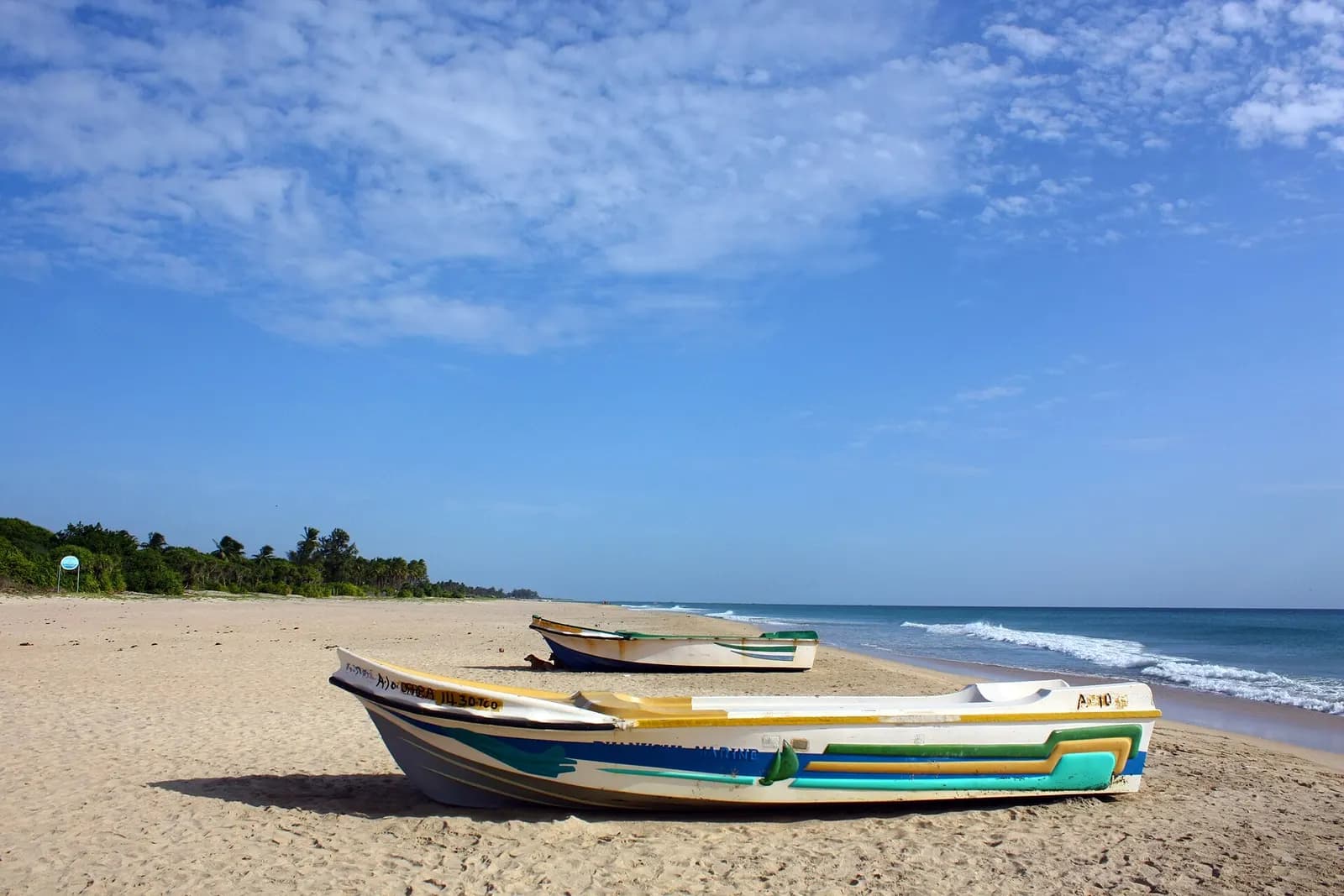
Sri Lanka in May and June: Monsoon, Vesak and the East Coast
The south-west monsoon arrives in late May, and the action moves east. Add the lanterns of Vesak and low-season prices, and these can be rewarding months.
12 Nov 2026· 3 min read
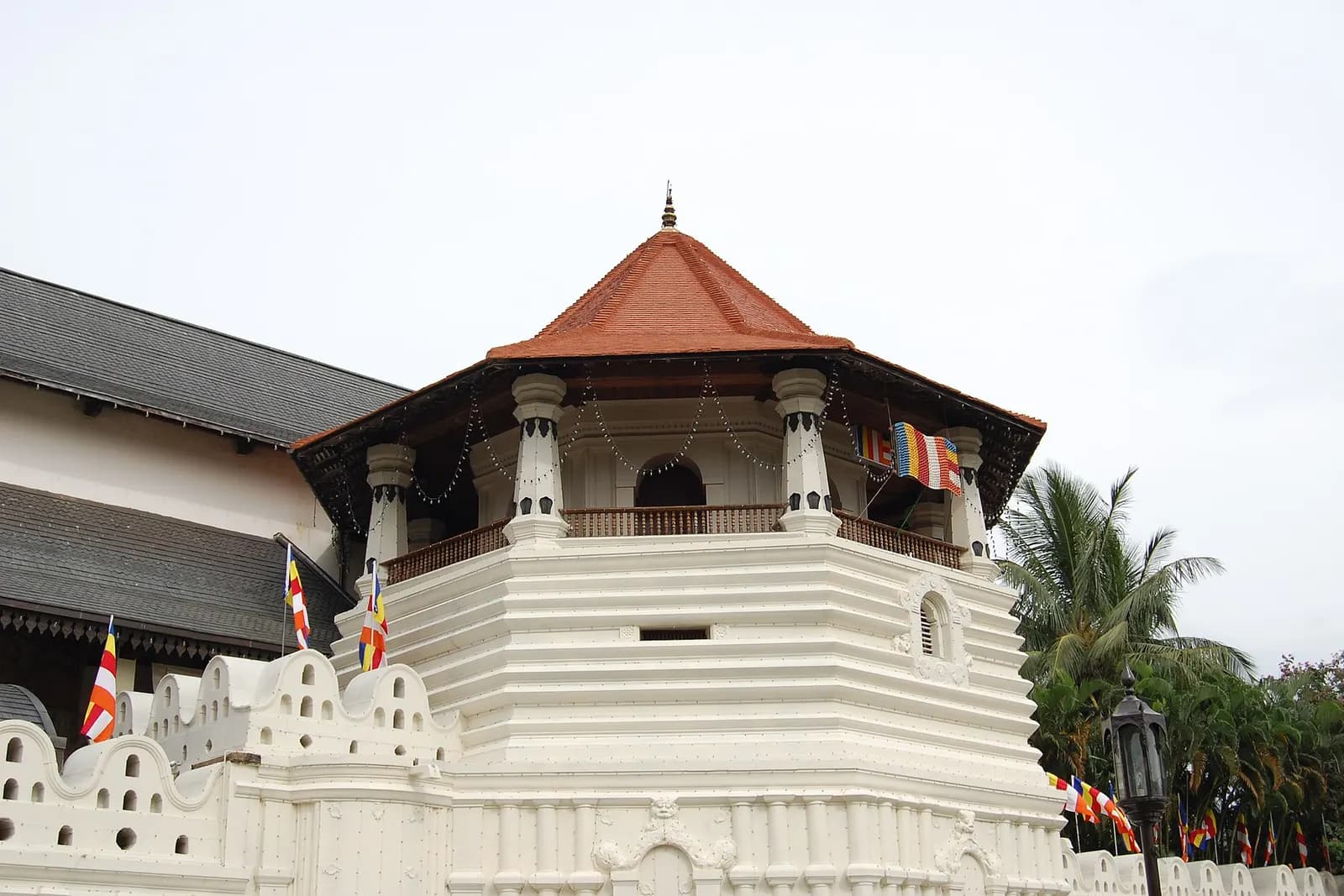
A Buddhist Pilgrimage in Sri Lanka: The Sacred Sites
Sri Lanka has been a centre of Theravada Buddhism for over 2,000 years. Here are the sacred places pilgrims visit, how to behave there, and how to plan a route.
12 Nov 2026· 2 min read
More places near Sri Maha Bodhi
 heritage
The Cultural Triangle
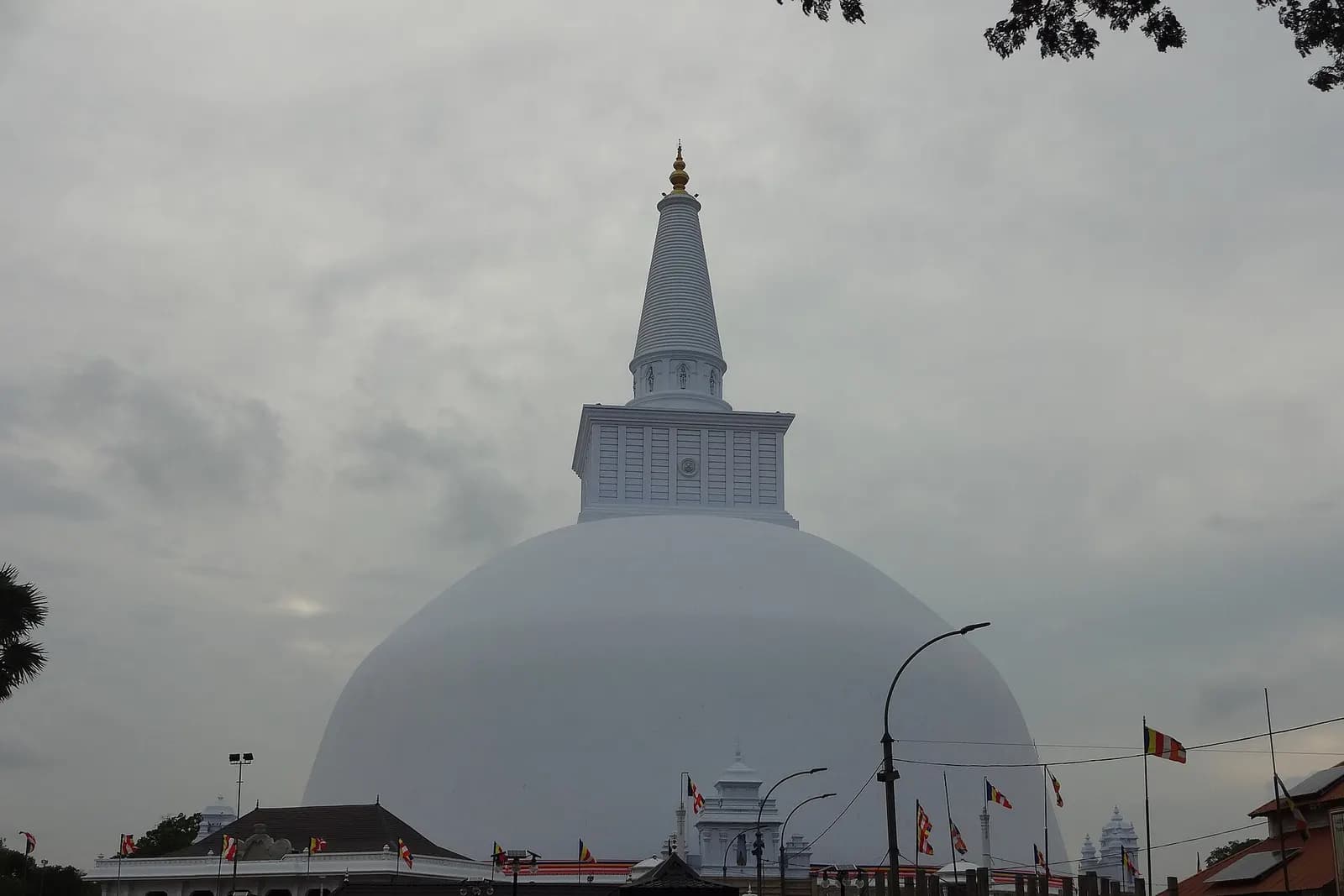
Anuradhapura Sacred City
Sri Lanka's first great capital, ruling for over a thousand years, with colossal stupas and the Sri Maha Bodhi — grown from a cutting of the tree under which the Buddha was enlightened. Still an active pilgrimage city.
Best: February to September
 religious
The Cultural Triangle
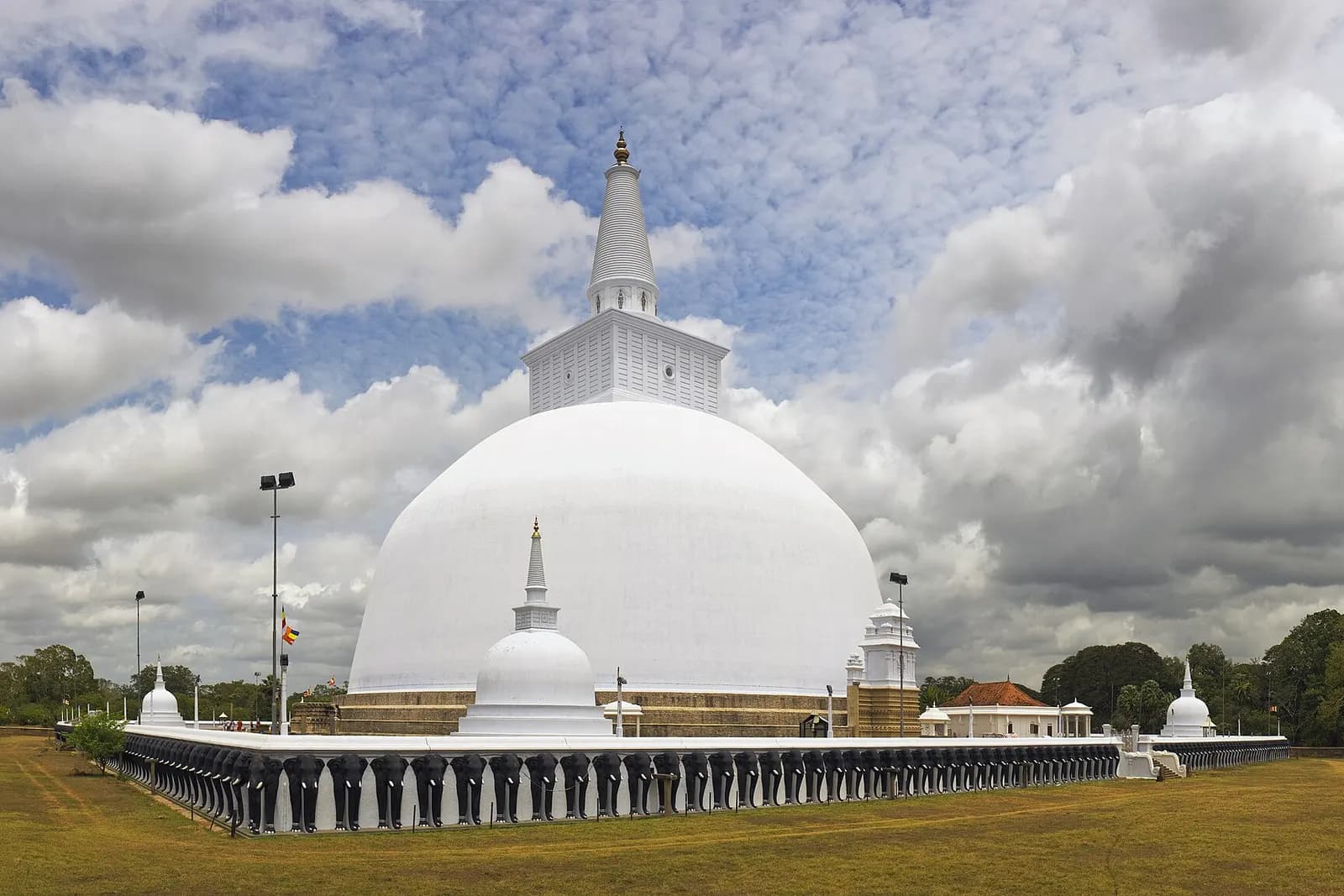
Ruwanwelisaya
The great white stupa of Anuradhapura, begun by King Dutugemunu in the 2nd century BC and ringed by a wall of stone elephants. One of the most revered monuments in the Buddhist world.
Best: February to September
 heritage
The Cultural Triangle
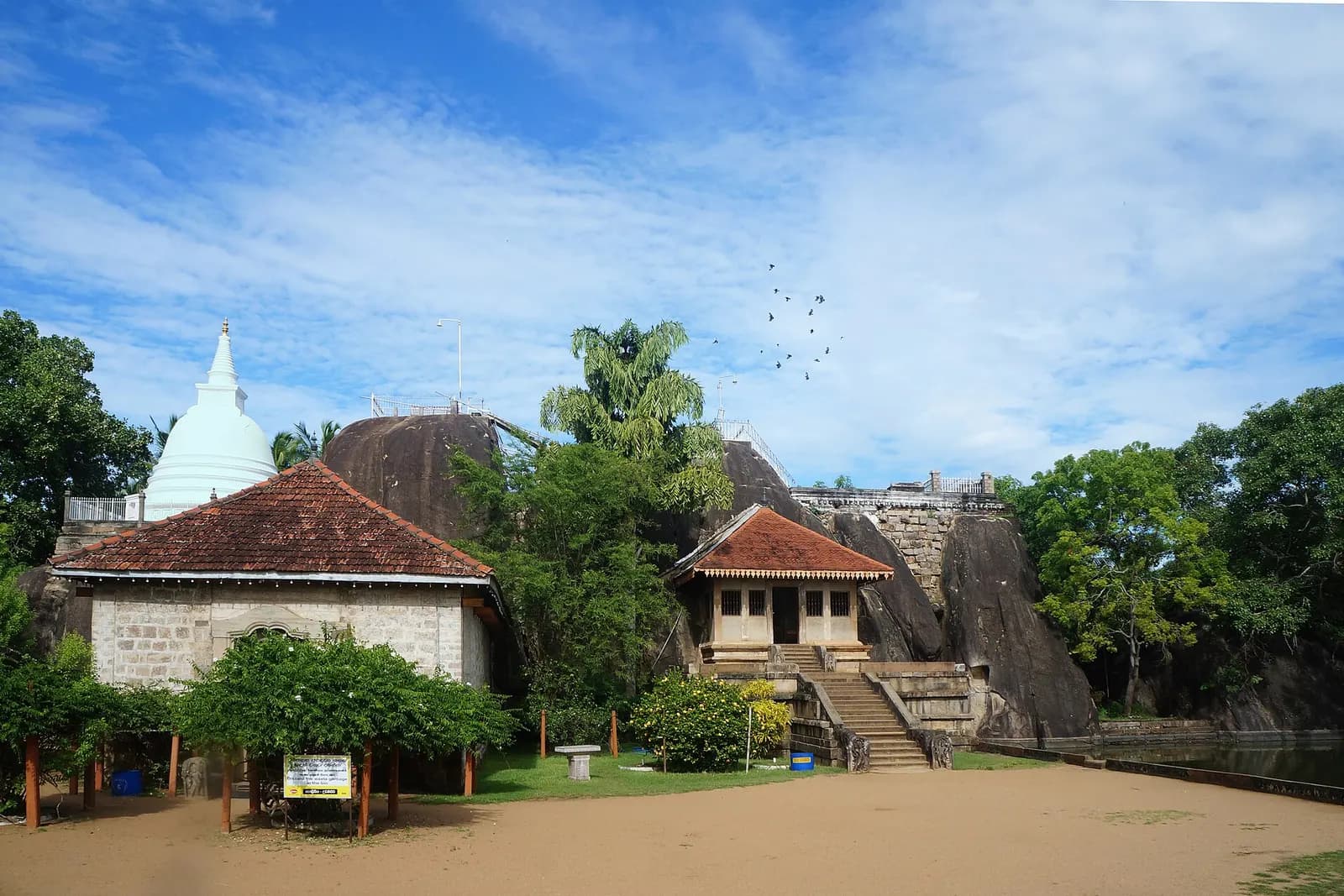
Isurumuniya Temple
A rock temple beside the Tissa Wewa in Anuradhapura, famous for its carvings: the Isurumuniya Lovers, the bathing elephants and the man with a horse's head.
Best: February to September
Last updated November 2026. February to September is driest; the Minneriya elephant gathering peaks in August and September.