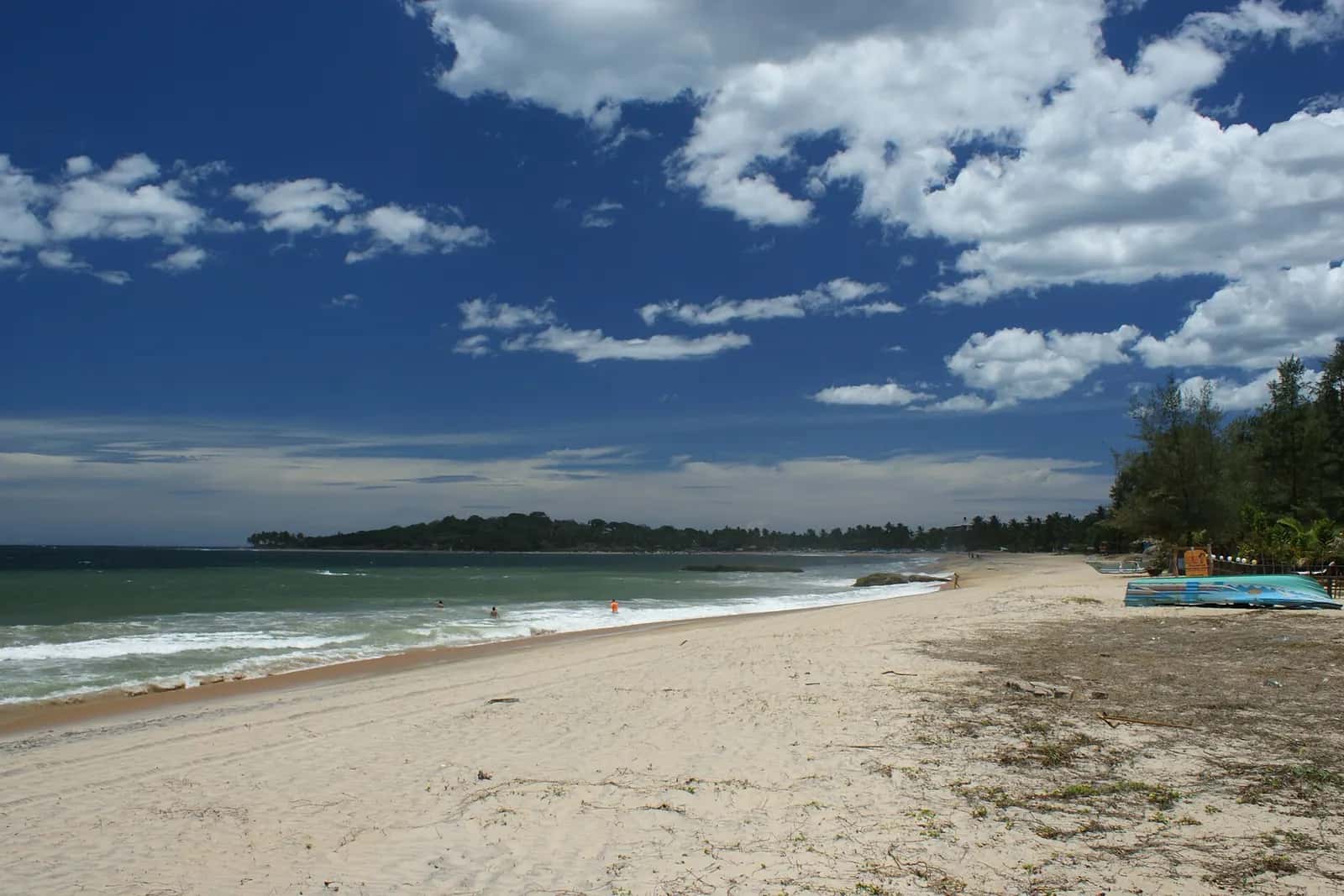
Elephant Rock (Arugam Bay), Sri Lanka
A quiet point break and sunset viewpoint a few kilometres south of Arugam Bay, reached across a lagoon mouth. Friendly waves for beginners and a real chance of seeing wild elephants.
Region
The East Coast
Best time
May to September
Time needed
Half a day
From the airport
≈ 8 h by road
Elephant Rock is a great hump of granite on an empty beach about 4 km south of Arugam Bay. From the right angle, it looks like an elephant lying down. A sandy point break peels along one side of it, a lagoon lies behind it, and wild elephants really do wander through at dusk. It's one of the most beautiful spots on the east coast, and it's much quieter than the main bay.
Surfing
The wave here is a right-hand point break over sand. On smaller days it is slow and forgiving, which makes it one of the best places near Arugam Bay for beginners and longboarders. When a bigger swell arrives, it becomes faster and more powerful. Several surf schools bring their students here, and boards can be rented in Arugam Bay.
The surf season on the east coast runs from about April to October, with the most consistent waves from June to September. Mornings usually have the lightest winds. Our surfing guide covers the other breaks along this coast, from Whiskey Point to Peanut Farm.
The rock and the sunset
A short scramble takes you to the top of the rock. From there, you can see along miles of empty beach, across the lagoon and inland over the scrub jungle. In the late afternoon, people gather here to watch the sun go down. Bring a torch for the walk back.
Getting there
A tuk-tuk from Arugam Bay takes about 15 minutes along the road towards Panama, and then down a sandy track to the edge of the lagoon. From there, you walk for 10 to 15 minutes along the beach and around the lagoon mouth. Depending on the season and the tide, you may need to wade through shallow water.
Agree a waiting time or a return time with your driver, because there's no transport at the beach.
Wildlife and safety
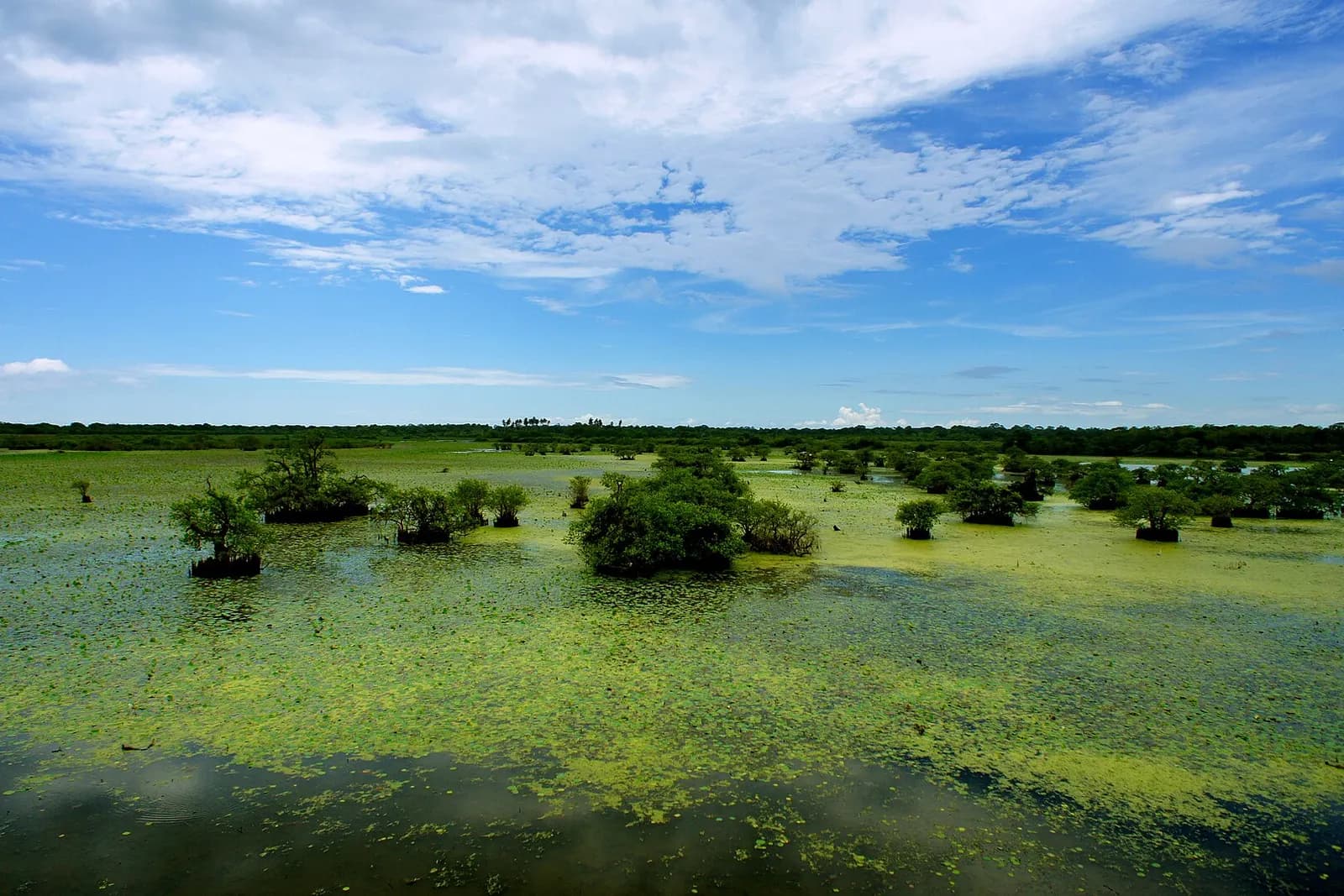
This is wild country, on the edge of the Kumana and Lahugala reserves.
- Crocodiles live in the lagoon. Don't swim or linger in the lagoon water, cross only where it's shallow and clear, and follow local advice.
- Elephants come out to the lagoon and beach around dawn and dusk. Enjoy them from a long way off, and never approach on foot. Leave before it gets fully dark.
- There's nothing here: no shade, no shops and no lifeguards. Bring water, sun protection and a hat.
- Rips can form beside the rock, so ask surfers about conditions.
Combine it with
Further south, Peanut Farm has two more surf breaks and a couple of simple beach cafés. The forest hermitage of Kudumbigala and the safaris of Kumana National Park are both reached along the same road. Our east coast itinerary puts it all together.
Elephant Rock (Arugam Bay): frequently asked questions
Is Elephant Rock good for beginner surfers?
Yes, on small days. It's a sandy point break with a gentle wave, and surf schools teach here.
Are there crocodiles at Elephant Rock?
Yes, in the lagoon behind the beach. Stay out of the lagoon and cross only at the shallow mouth.
How far is Elephant Rock from Arugam Bay?
About 4 km, or 15 minutes by tuk-tuk plus a short walk.
Map and getting there
Approximate road times (Sri Lanka’s roads are slow — allow extra time for traffic and stops): Colombo airport (CMB) ≈ 8 h · Kandy ≈ 5.5 h · Galle ≈ 7.5 h. For flexible door-to-door travel, consider a local driver.
Related travel guides

Sri Lanka East Coast Itinerary: Trincomalee, Pasikudah and Arugam Bay
When monsoon rain hits the south-west, the east coast is at its best — calm turquoise water, coral reefs and some of Asia's best surf. Here's how to plan a summer trip.
12 Nov 2026· 2 min read
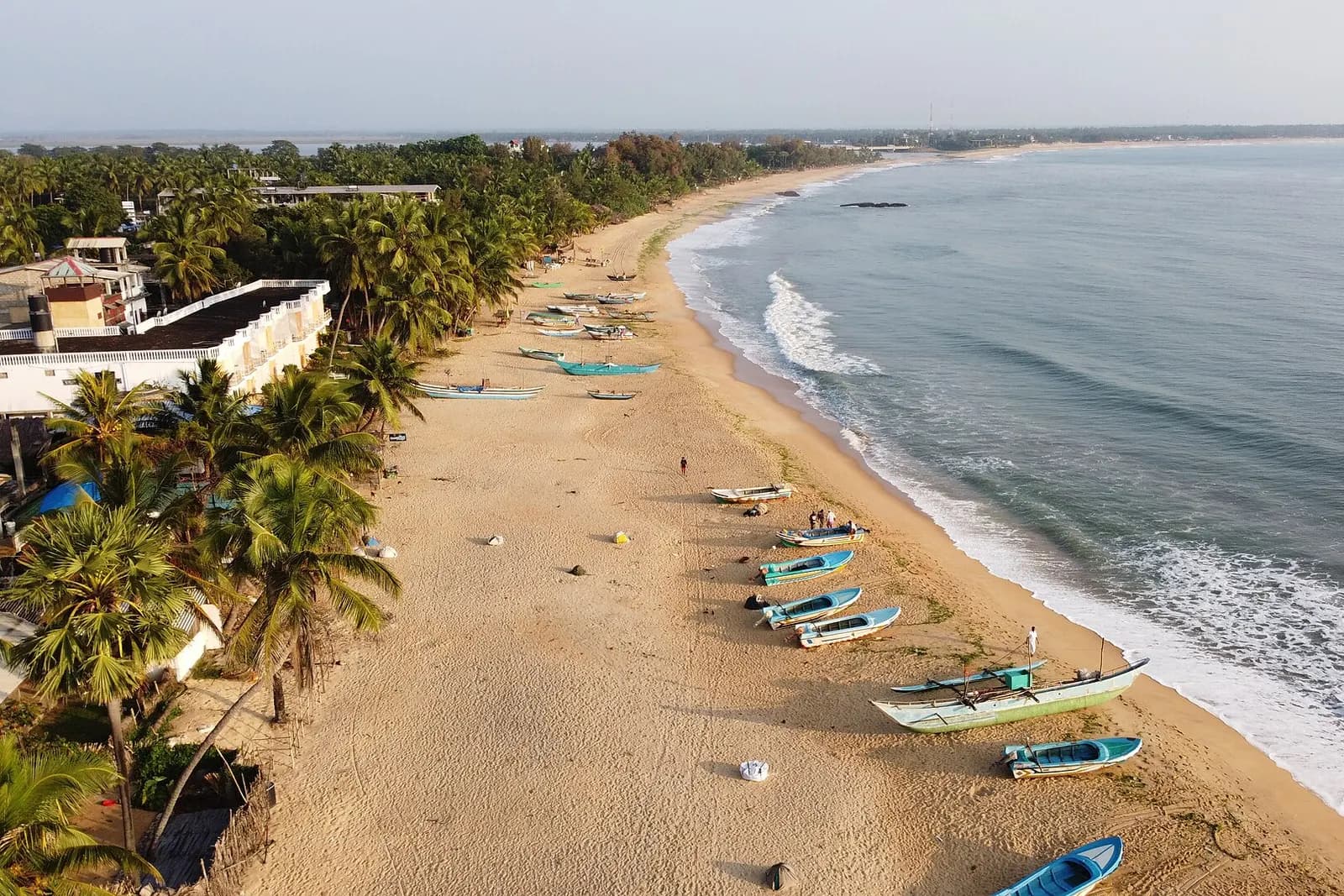
Surfing in Sri Lanka: Best Breaks, Seasons and Surf Towns
Warm water, consistent waves and two surf seasons on opposite coasts — Sri Lanka is one of Asia's best surf destinations for every level. Here's where and when to go.
12 Nov 2026· 2 min read
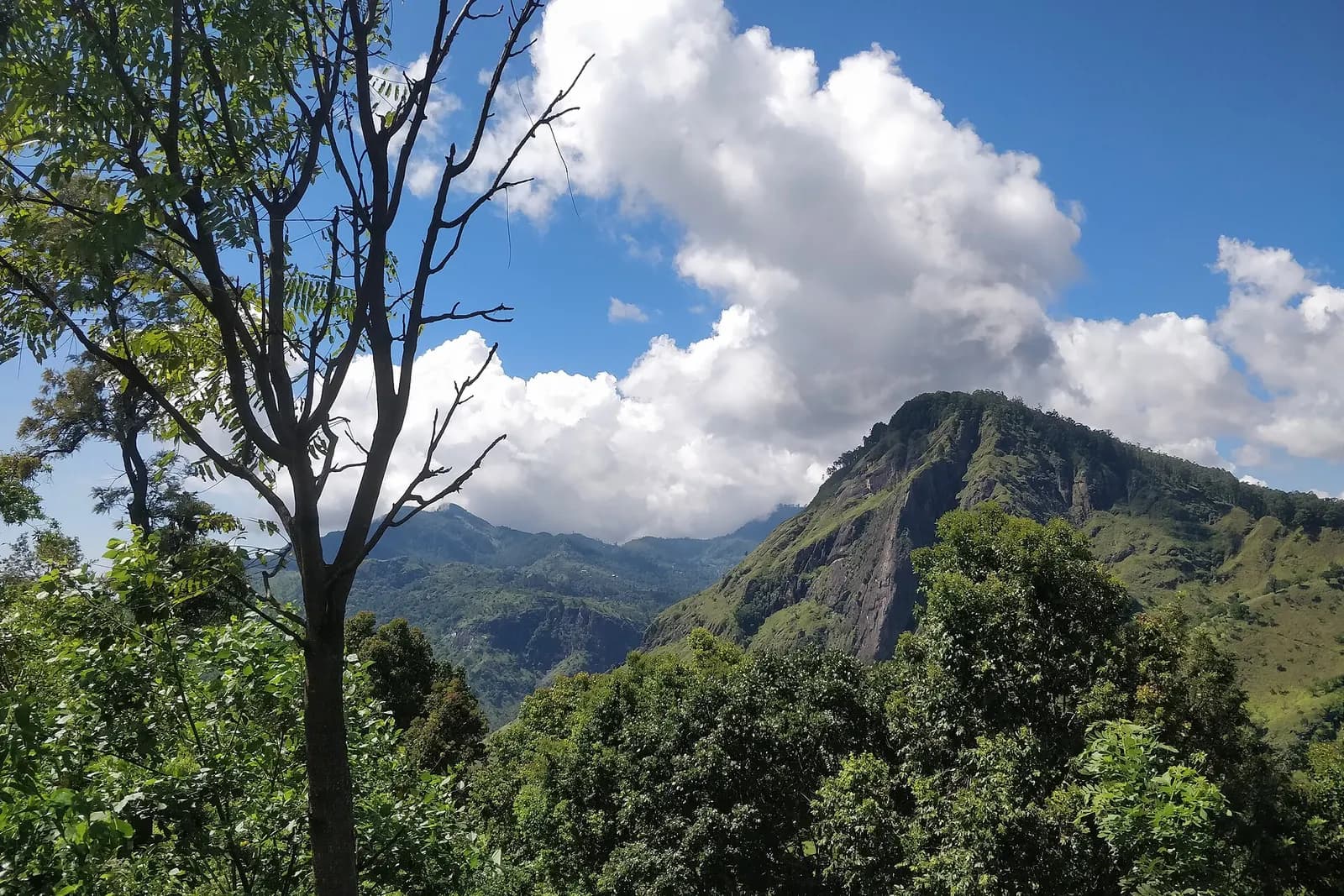
Ella Hiking Guide: Ella Rock, Little Adam's Peak and More
Ella is Sri Lanka's best small town for walking — tea estates, viewpoints and a famous bridge all within reach on foot. Here's how to tackle each hike.
5 Nov 2026· 2 min read
More places near Elephant Rock (Arugam Bay)
beachThe East Coast
Arugam Bay
Sri Lanka's surf capital, with a long right-hand point break and several breaks within a short tuk-tuk ride. Outside the surf season it is very quiet and many places close.
Best: April to October (surf season)
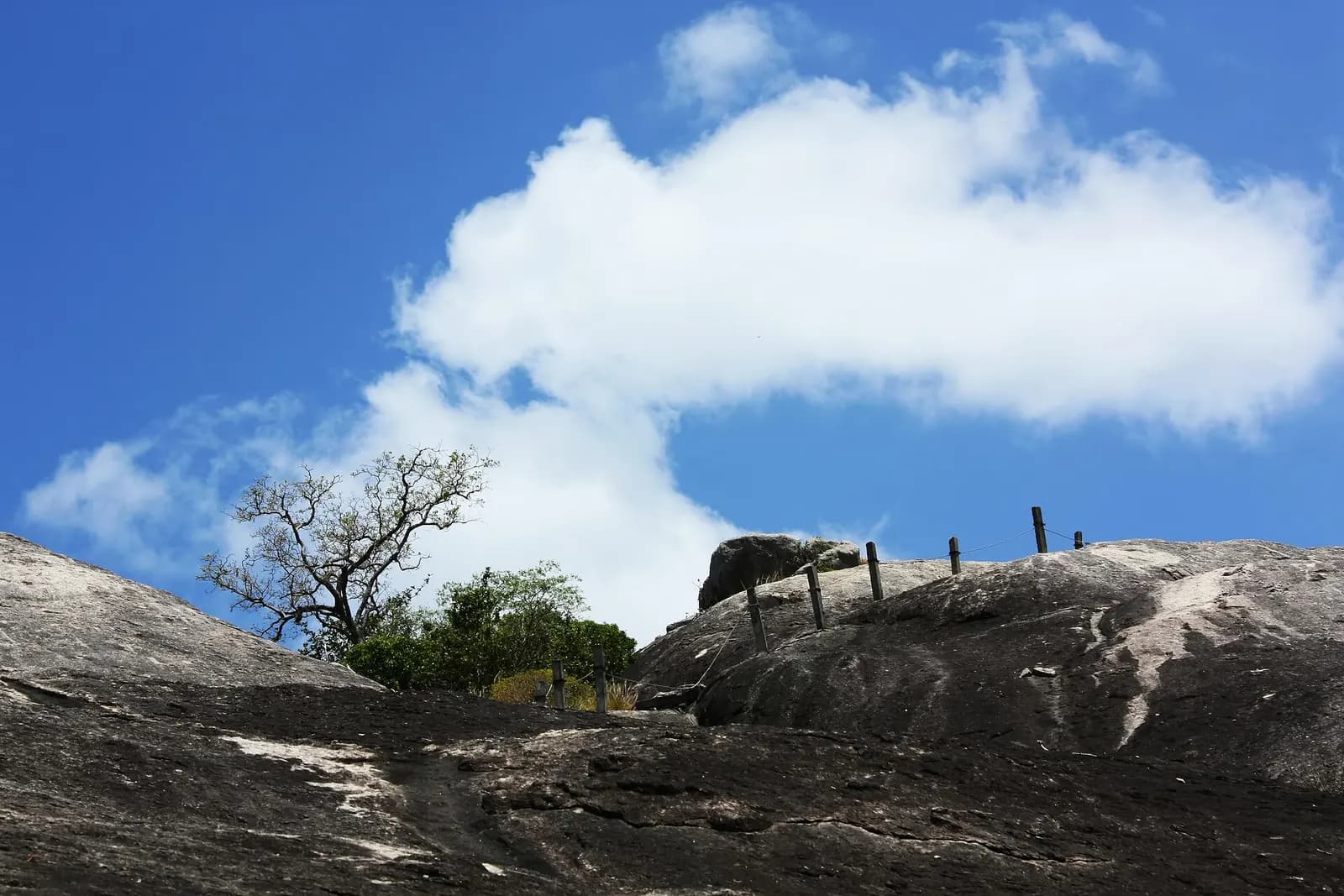 religious
The East Coast
Kudumbigala Monastery
A forest hermitage of caves and rock outcrops near Panama, on the way to Kumana National Park, topped by an unusual cylindrical stupa with views over jungle and coast.
Best: May to September
 wildlife
The East Coast
Kumana National Park
The wild eastern extension of Yala, famous for its mangrove swamp bird colonies, plus elephants and leopards. Usually reached on a safari from Arugam Bay, with very few other vehicles.
Best: April to July (birds)
Last updated November 2026. May to September (the opposite season to the south and west coasts).