Outdoors
Leeches in Sri Lanka: Where They Are and How to Avoid Them
Leeches are part of hiking in Sri Lanka's wet forests and hills. They're harmless but unpleasant. Here's where you'll meet them and how to keep them off.
By Sri Lanka Travel Guides Editorial TeamUpdated 19 November 20262 min read
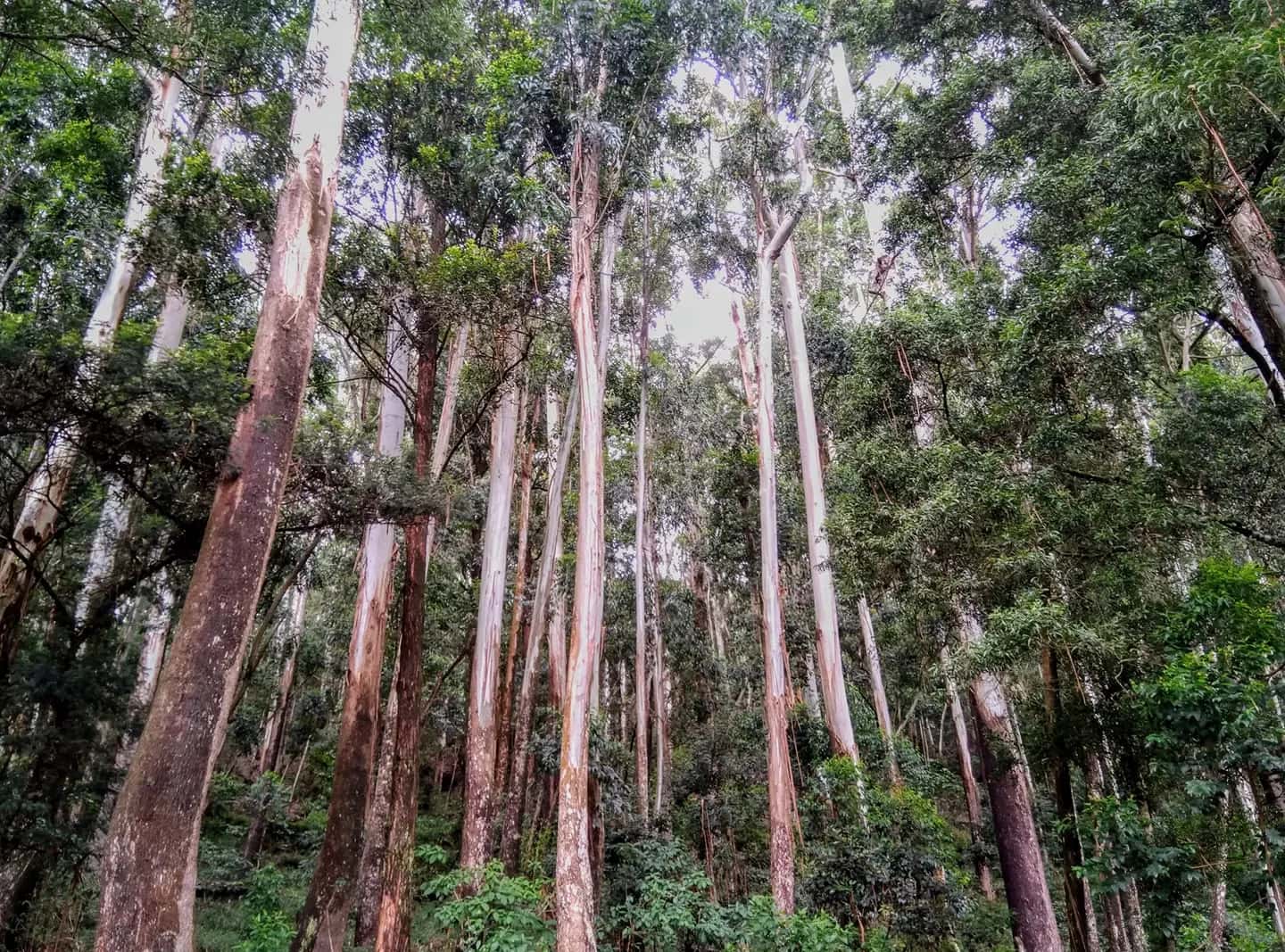
If you hike in Sri Lanka's rainforests or hills, you'll probably meet leeches. They're small, brown, inchworm-like creatures that wait on damp leaves and the ground, and attach to passing legs to feed on blood. They're harmless, as they don't spread disease, but they're unpleasant. With a little preparation, you can keep them away.
Where you'll find them
Leeches live in wet, shady places, especially:
- Sinharaja Forest Reserve: the rainforest is famous for them.
- The Knuckles: especially on forest trails.
- Adam's Peak: mainly outside the pilgrimage season.
- Horton Plains: in the wetter months, mostly in forested sections.
- Udawattakele, Kitulgala and tea estate paths, after rain.
They're rare in the dry zone, including the Cultural Triangle, Yala and the east coast, and on beaches.
When they're worst
Leeches are most active during and after rain, when the ground and vegetation are wet. In the dry season, they're far fewer. Check the region's monsoon season before you plan a rainforest hike.
How to avoid them
- Leech socks: cloth socks that go over your normal socks and up to the knee, tied at the top. They're the most effective protection, and they're sold in towns near Sinharaja and some hill towns.
- Tuck trousers into socks, and wear closed shoes, not sandals.
- Repellent: insect repellent containing DEET on socks and shoes helps. Some locals use soap, tobacco or salt rubbed onto socks.
- Keep moving: they find you when you stand still, so check your legs during breaks.
- Light-coloured socks make leeches easier to spot.
- Stay on wide paths where possible.
If a leech bites you
- Don't pull it off forcefully, as this can leave part of it behind and cause bleeding.
- Use salt, a lit match held near (not on) it, or a fingernail slid under the sucker at the narrow end to detach it. Many come off on their own once full.
- Expect bleeding. Leeches release a substance that stops blood clotting, so the bite may bleed for some time. Apply pressure and a plaster.
- Clean the bite with antiseptic, and keep it clean to avoid infection. Don't scratch.
- Seek medical help if the area becomes red, swollen and painful, or if you have an allergic reaction.
Should you avoid leech areas?
No. Sinharaja and the Knuckles are among the most beautiful places in Sri Lanka, and the leeches are a small price to pay. With leech socks and a good guide, they're a minor nuisance. See our best hikes and health tips.
Frequently asked questions
Are leeches in Sri Lanka dangerous?
No. They don't spread disease. Bites may bleed for a while, so keep them clean to avoid infection.
Where can I buy leech socks in Sri Lanka?
In towns near Sinharaja and some hill towns. Ask your guide or guesthouse.
When are leeches worst in Sri Lanka?
During and after rain, in wet forests and the hills.
Turn this into a plan
Our free AI trip planner builds a day-by-day Sri Lanka itinerary for your dates, with realistic travel times.
Plan my tripQuestions & comments
Share a tip or ask a question. Comments are moderated.
- No comments yet — be the first.
Keep planning
The Best Hikes in Sri Lanka: From Easy Walks to Multi-Day Treks
Sri Lanka is a superb hiking destination — sacred mountains, cloud forests, tea estates and ancient rocks. Here are the best trails, from short sunrise walks to multi-day treks.
19 Nov 2026· 3 min read
Camping in Sri Lanka: Where You Can Camp and How
You can't just pitch a tent anywhere in Sri Lanka, but there are wonderful places to camp, from safari tented camps to misty mountain sites. Here's how it works.
19 Nov 2026· 2 min read
Ella Hiking Guide: Ella Rock, Little Adam's Peak and More
Ella is Sri Lanka's best small town for walking — tea estates, viewpoints and a famous bridge all within reach on foot. Here's how to tackle each hike.
19 Nov 2026· 2 min read