Planning
Staying Healthy in Sri Lanka: Vaccines, Water, Dengue and Heat
Sri Lanka is a healthy place to travel if you take a few sensible precautions. Here's what to know about vaccines, water, mosquitoes, food and the tropical sun.
By Sri Lanka Travel Guides Editorial TeamUpdated 5 November 20263 min read
Most travellers get through a Sri Lanka trip with nothing worse than sunburn and the odd upset stomach. A few precautions — and the right travel insurance — take care of the rest. This guide is general information, not medical advice: see a travel health clinic or your doctor 6–8 weeks before you travel.
Vaccinations
There are no compulsory vaccinations for most visitors. The exception is yellow fever: you need a vaccination certificate if you arrive from, or have recently transited through, a country with a risk of yellow fever.
Travel clinics commonly recommend being up to date with routine vaccines and considering:
- hepatitis A and typhoid (spread through food and water),
- tetanus,
- hepatitis B and rabies for longer stays, or if you'll be in rural areas or around animals,
- Japanese encephalitis for long rural stays.
Your doctor will advise based on your route, the length of your trip and your health.
Malaria and dengue
Sri Lanka was certified malaria-free by the World Health Organization in 2016, so antimalarial tablets are not normally needed.
Dengue fever does occur, mostly after the monsoon rains. It's spread by mosquitoes that bite during the day, especially early morning and late afternoon. There's no simple preventive tablet, so avoid bites:
- use insect repellent containing DEET or picaridin,
- wear long sleeves and trousers at dawn and dusk,
- sleep under a net or in an air-conditioned room if mosquitoes are around.
See a doctor if you develop a high fever, severe headache, pain behind the eyes or joint pain.
Drinking water
Don't drink the tap water. Drink bottled water (check the seal) or use a filter bottle, and use filtered water to brush your teeth if you have a sensitive stomach. Many hotels and some guesthouses provide filtered water refill stations, which cuts plastic waste. King coconuts (thambili), sold at roadside stalls, are naturally sterile and very hydrating.
Food hygiene
Sri Lankan food is generally safe and delicious. Busy places with high turnover are best. Freshly cooked rice and curry, hoppers and kottu are safer than food that's been sitting out. Peel fruit yourself and be cautious with salads in very cheap places. Learn more in our Sri Lankan food guide and street food guide.
Heat and sun
Coastal temperatures are around 28–32°C all year with high humidity, and the sun is fierce close to the equator.
- Drink plenty of water and add rehydration salts on hot days.
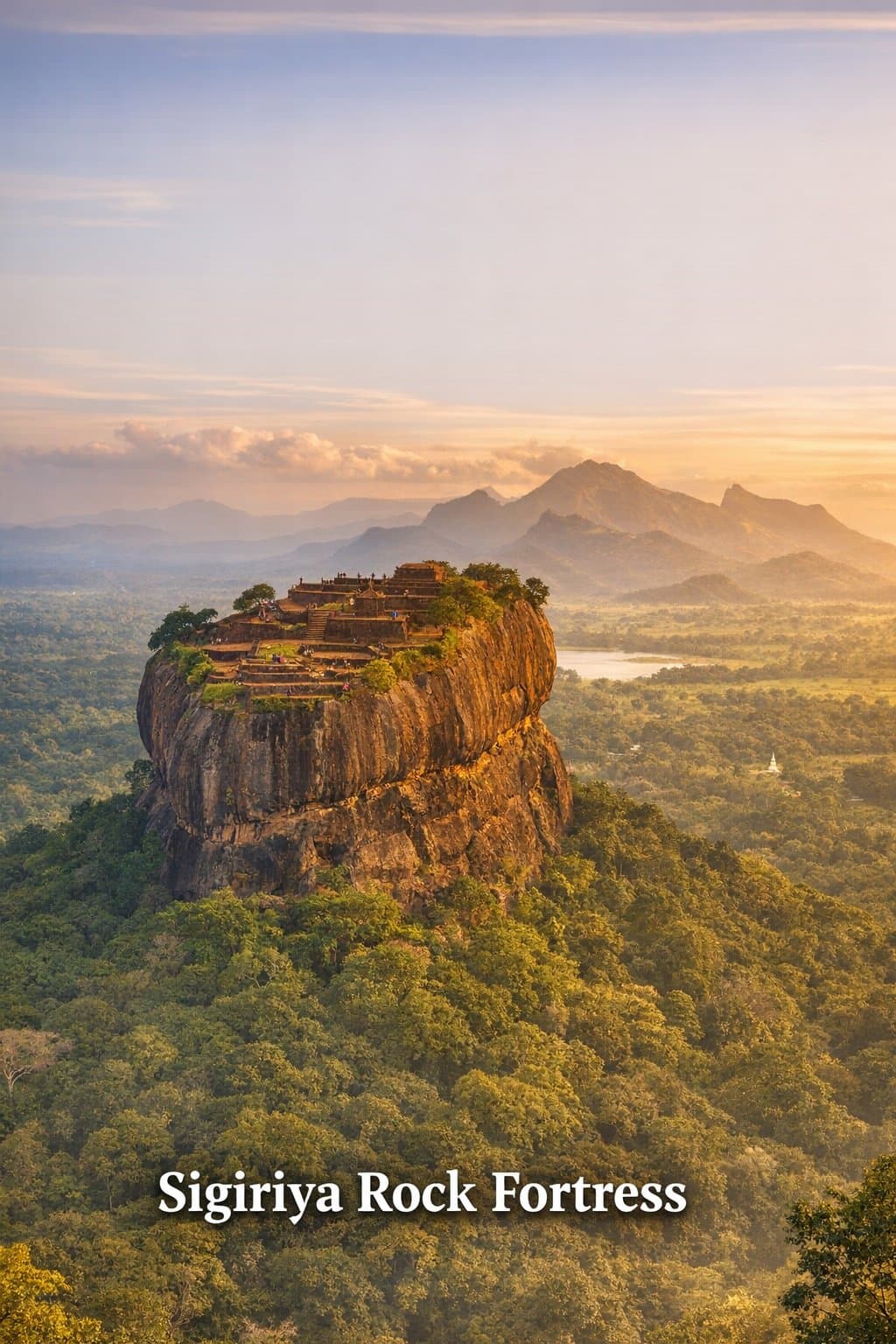
- Climb Sigiriya and other exposed rocks early in the morning.
- Use high-SPF sunscreen and reapply after swimming.
- Remember stone temple floors get very hot — visit early or bring socks.
Animals
Rabies is present. Don't touch street dogs, cats or monkeys — monkeys at temples such as Dambulla can be bold, so keep food out of sight. If you're bitten or scratched, wash the wound with soap and water for 15 minutes and get medical care the same day. Leeches in rainforests are harmless but unpleasant; leech socks help.
Medical care
Colombo and Kandy have good private hospitals, and most towns have pharmacies with trained pharmacists. Private clinics in tourist areas are used to treating visitors. Medical care in remote areas is basic, so travel insurance with medical evacuation cover is essential. For an ambulance, call 1990 (Suwa Seriya, a free national service).
Frequently asked questions
Can you drink tap water in Sri Lanka?
No. Drink bottled or filtered water, or king coconut water.
Do I need malaria tablets for Sri Lanka?
Generally no. Sri Lanka has been malaria-free since 2016, but you should still avoid mosquito bites because of dengue.
What vaccinations do I need for Sri Lanka?
None are compulsory unless you arrive from a yellow-fever-risk country. Ask a travel clinic about hepatitis A, typhoid and others for your trip.
Turn this into a plan
Our free AI trip planner builds a day-by-day Sri Lanka itinerary for your dates, with realistic travel times.
Plan my tripQuestions & comments
Share a tip or ask a question. Comments are moderated.
- No comments yet — be the first.
Keep planning
Is Sri Lanka Safe for Tourists? An Honest Safety Guide
Sri Lanka is one of South Asia's most relaxed countries to travel in. The real risks aren't crime — they're the roads, the sea and a handful of well-known scams. Here's what to watch for.
5 Nov 2026· 3 min read
Sri Lanka Travel Guide 2026: Everything You Need to Plan Your First Trip
Planning your first trip to Sri Lanka? Start here — the regions, the best time to go, how long you need, transport, costs, safety and the practical details that make the trip easy.
5 Nov 2026· 3 min read
Best Time to Visit Sri Lanka: Month-by-Month Weather Guide
Sri Lanka has two monsoons that hit opposite sides of the island at different times, so there is always somewhere with good weather. Here's how to pick the right months for your route.
5 Nov 2026· 3 min read