Planning
Is Sri Lanka Safe for Tourists? An Honest Safety Guide
Sri Lanka is one of South Asia's most relaxed countries to travel in. The real risks aren't crime — they're the roads, the sea and a handful of well-known scams. Here's what to watch for.
By Sri Lanka Travel Guides Editorial TeamUpdated 5 November 20263 min read
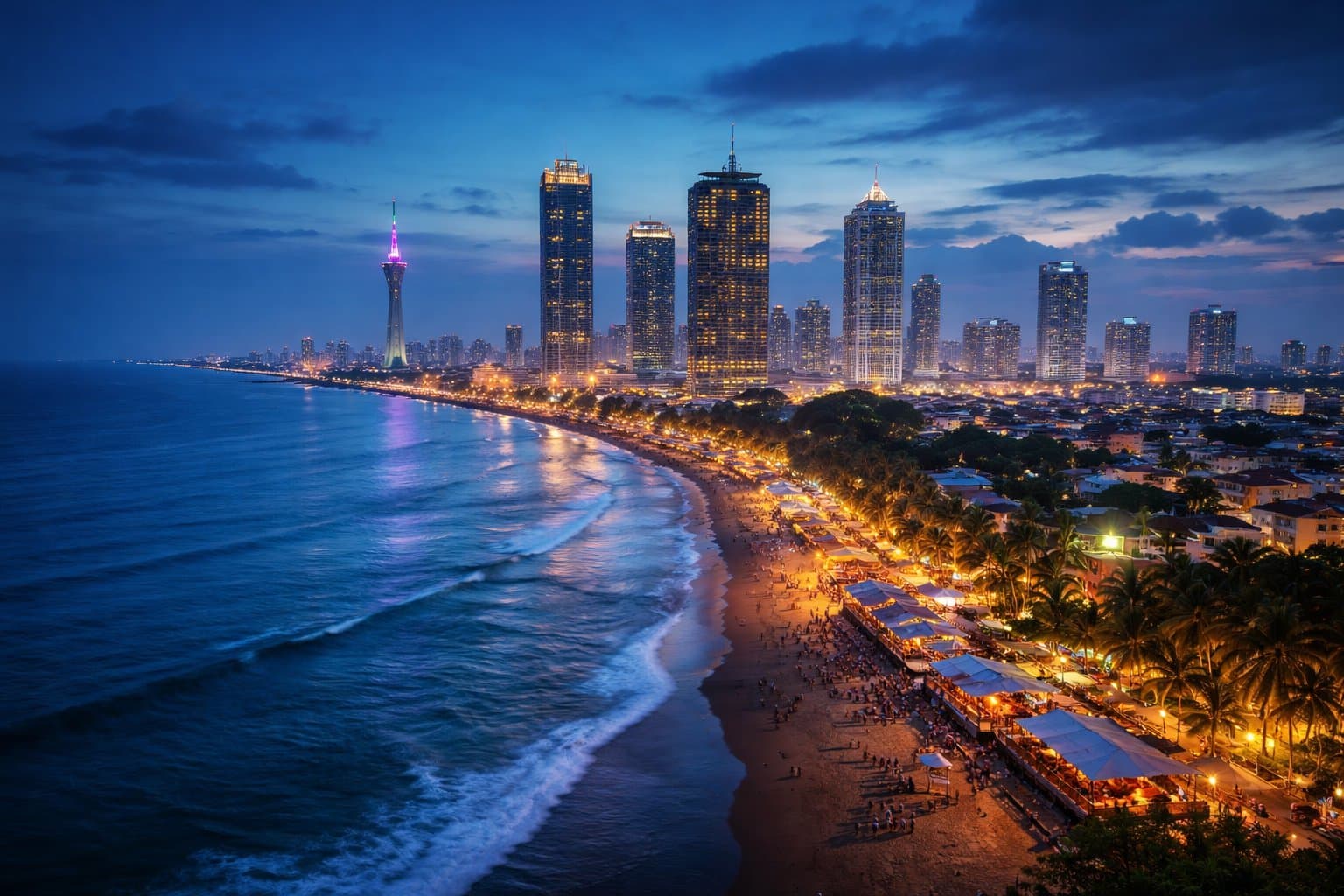
For most visitors, Sri Lanka is a safe and welcoming country. Violent crime against tourists is rare, people are famously friendly and the tourism industry is well established. The things most likely to spoil your trip are much more ordinary: road accidents, strong currents at the beach and small-scale scams. Knowing about them in advance removes most of the risk.
The real risks
Roads
Traffic is the single biggest danger. Roads are narrow and winding, buses overtake aggressively and tuk-tuks, dogs and cows share the same lanes. To stay safe:
- Use an experienced driver rather than driving yourself on a first visit. See our guide to hiring a driver.
- Wear a seatbelt where there is one, and a helmet on any scooter.
- Avoid long drives after dark, when visibility is poor and wildlife can be on the road.
- Look both ways — then look again — when crossing. Traffic drives on the left.
The sea
Every year, visitors drown off Sri Lankan beaches. Rip currents are strong, lifeguards are rare and conditions change with the monsoons. Swim only in calm, sheltered bays, never swim alone or after drinking, and respect red flags. Our beach safety guide explains which beaches are safest in which months.
Dogs and wildlife
Street dogs are everywhere and are usually placid, but rabies exists in Sri Lanka. Don't pet dogs or monkeys, and get medical advice immediately if you are bitten or scratched. In national parks, stay in your vehicle and keep your distance from elephants — both on safari and on roads near parks.
Common scams
- The gem scam. A friendly stranger explains you can buy gems cheaply and resell them at home for a big profit. You can't. Only buy gems from reputable shops and insist on a certificate. See our shopping guide.
- "The temple is closed today." A tuk-tuk driver says your destination is closed and offers to take you somewhere else — usually a shop paying commission. Check for yourself.
- The special festival or elephant parade. Similar to the above: a stranger tells you about a one-day-only event and offers a ride.
- Unmetered tuk-tuk fares. Agree the price before you get in, or use a metered tuk-tuk or the PickMe or Uber apps. See our tuk-tuk guide.
- Commission stops. Some drivers stop at spice gardens, gem shops and batik factories where they earn commission. You're never obliged to buy — politely say no.
- Fake guides at heritage sites. Use licensed guides from the official ticket offices.
None of these are dangerous; they cost money and time. A polite "no, thank you" and walking away is always enough.
Personal safety
- Petty theft is uncommon but happens on crowded buses and trains. Keep your phone and wallet in a front pocket or zipped bag.
- Use your hotel safe for your passport and spare cards.
- Political demonstrations occasionally take place in Colombo. They are usually peaceful, but avoid large gatherings.
- Women travellers may get unwanted attention. Our solo female travel guide has detailed advice.
Emergency numbers
- Police: 119
- Ambulance (Suwa Seriya, free): 1990
- Fire and rescue: 110
Save your accommodation's phone number and your embassy's contact details, and make sure your travel insurance covers medical evacuation and any adventure activities you plan, such as rafting or surfing.
Natural hazards
The south-west monsoon (roughly May–September) and the inter-monsoon rains of October–November can cause flooding and landslides, particularly in the hill country. Follow local advice, don't hike in heavy rain and allow flexibility in your itinerary. Check your government's travel advice before you go — it is updated more often than any guide.
Frequently asked questions
Is Sri Lanka safe for tourists right now?
For most visitors, yes. Check your government's travel advice before departure for current information.
What is the biggest danger in Sri Lanka?
Road traffic and strong sea currents cause far more harm to visitors than crime.
Is Sri Lanka safe for solo travellers?
Yes. Thousands of solo travellers visit every year. Take the same precautions you would anywhere, and read our solo female travel guide if relevant.
Turn this into a plan
Our free AI trip planner builds a day-by-day Sri Lanka itinerary for your dates, with realistic travel times.
Plan my tripQuestions & comments
Share a tip or ask a question. Comments are moderated.
- No comments yet — be the first.
Keep planning
Staying Healthy in Sri Lanka: Vaccines, Water, Dengue and Heat
Sri Lanka is a healthy place to travel if you take a few sensible precautions. Here's what to know about vaccines, water, mosquitoes, food and the tropical sun.
5 Nov 2026· 3 min read
Sri Lanka Packing List: What to Bring (and What to Leave at Home)
Sri Lanka packs three climates into one small island — steamy coasts, cool tea country and dry ancient plains. Here's exactly what to bring so you're comfortable everywhere without overpacking.
5 Nov 2026· 3 min read
Where to Stay in Sri Lanka: Best Areas and Types of Accommodation
Choosing the right bases makes a Sri Lanka trip far easier. Here are the best places to stay in each region, the types of accommodation you'll find and how to book them.
5 Nov 2026· 2 min read