Ussangoda National Park, Sri Lanka
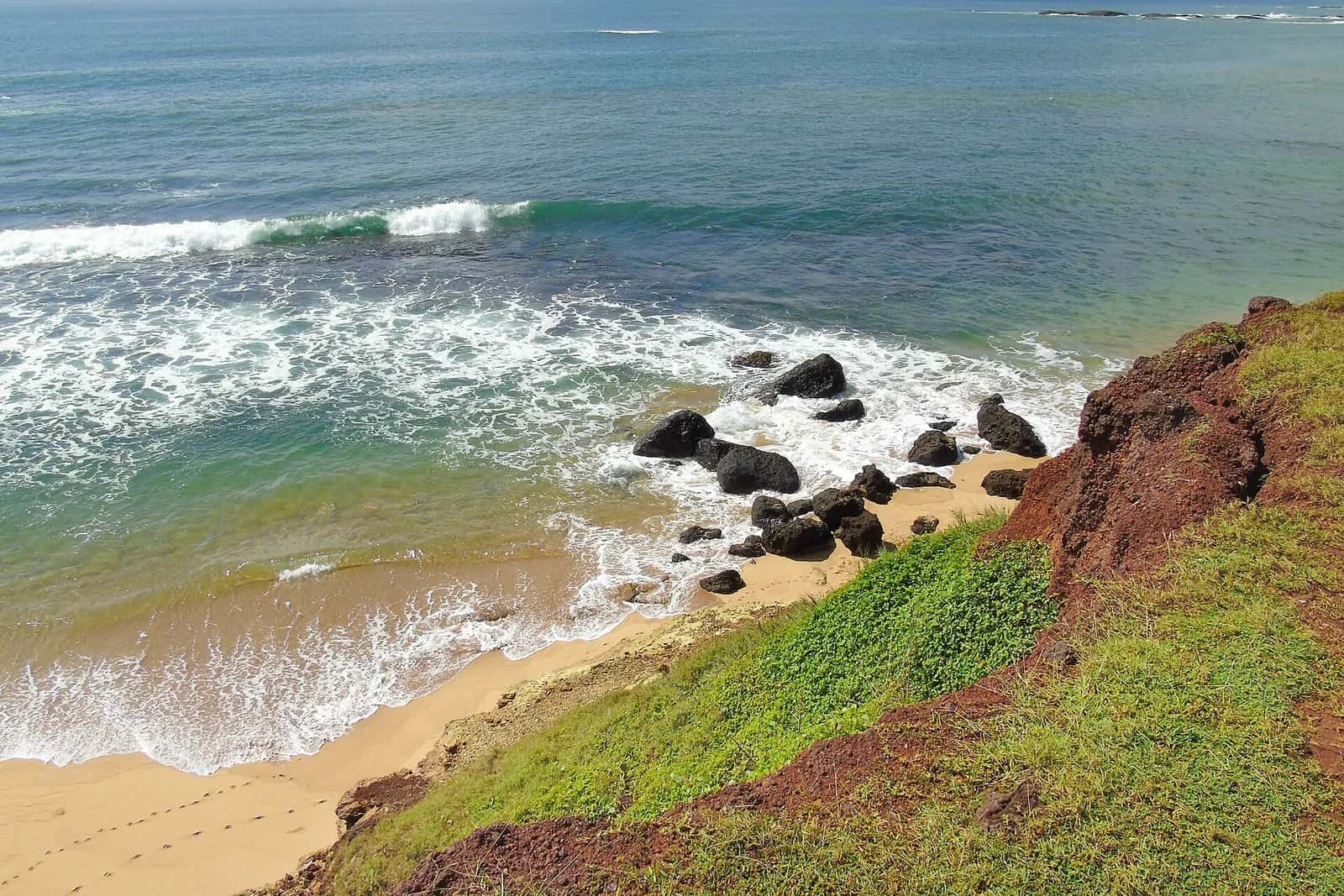
A tiny coastal national park of rust-red earth and stunted plants above the sea. Legend makes it the landing place of Ravana's flying chariot; science points to iron-rich soil.
Region
Yala, Udawalawe & the Deep South
Best time
December to April
Time needed
1 hour
From the airport
≈ 6.5 h by road
Ussangoda is one of Sri Lanka's strangest landscapes: a flat coastal plateau of rust-red earth and stunted plants, ending in low cliffs above the Indian Ocean. It became a national park in 2010, and it's small enough to walk across in under an hour.
Legend says this is where Ravana landed his flying chariot, the Pushpaka Vimana, and that Hanuman's fire scorched the ground red. Scientists explain the colour by the iron-rich soil and unusual mineral content, which also limits what can grow here.
What to see
- The red plateau — open, windswept and very photogenic in low evening light.
- Sea views — from the cliff edge there are long views along the coast and down to the rocks and beaches.
- Nesting beaches — turtles nest on the protected beaches nearby. Please stay away from nests. See our sea turtle guide.
Visiting tips
- There's almost no shade. Go in the early morning or late afternoon and bring water and a hat.
- Allow 1 hour.
- Stay on the existing tracks, as the vegetation is fragile.
- Don't swim here. The sea is rough and there are no lifeguards. See our beach safety guide.
- Facilities are minimal, and entrance arrangements can change. Check locally before you go.
When to visit
You can visit all year. Mornings and sunsets are best for light and heat. The sea is calmest from December to April.
Getting there
Ussangoda is on the coast near Nonagama, between Tangalle and Hambantota, about 30 minutes from Tangalle by car or tuk-tuk. It makes a good stop on the way to Yala.
Ussangoda National Park: frequently asked questions
Why is the soil at Ussangoda red?
It's rich in iron and other minerals, which give it a red colour and limit plant growth. Legend credits Hanuman's fire.
Is Ussangoda worth visiting?
Yes, if you're passing between Tangalle and Yala. It's unusual and quiet, but you only need about an hour.
Map and getting there
Approximate road times (Sri Lanka’s roads are slow — allow extra time for traffic and stops): Colombo airport (CMB) ≈ 6.5 h · Kandy ≈ 5 h · Galle ≈ 3 h. For flexible door-to-door travel, consider a local driver.
Related travel guides
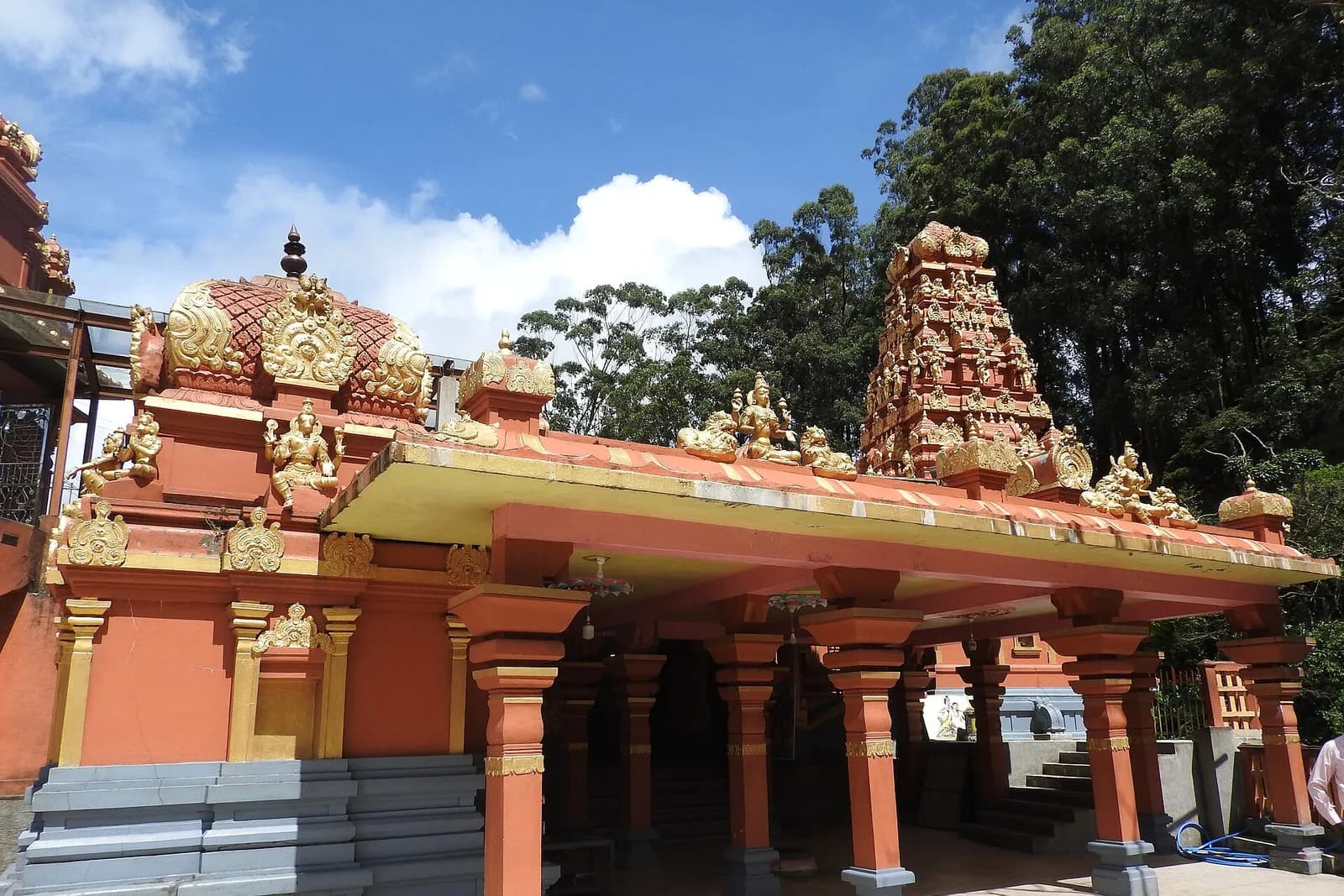
Ramayana Sites in Sri Lanka: The Places Linked with Rama, Sita and Ravana
For millions of Hindus, Sri Lanka is the Lanka of the Ramayana. Here are the temples, caves and landscapes linked with Rama, Sita, Hanuman and Ravana, and how to visit them.
12 Nov 2026· 3 min read
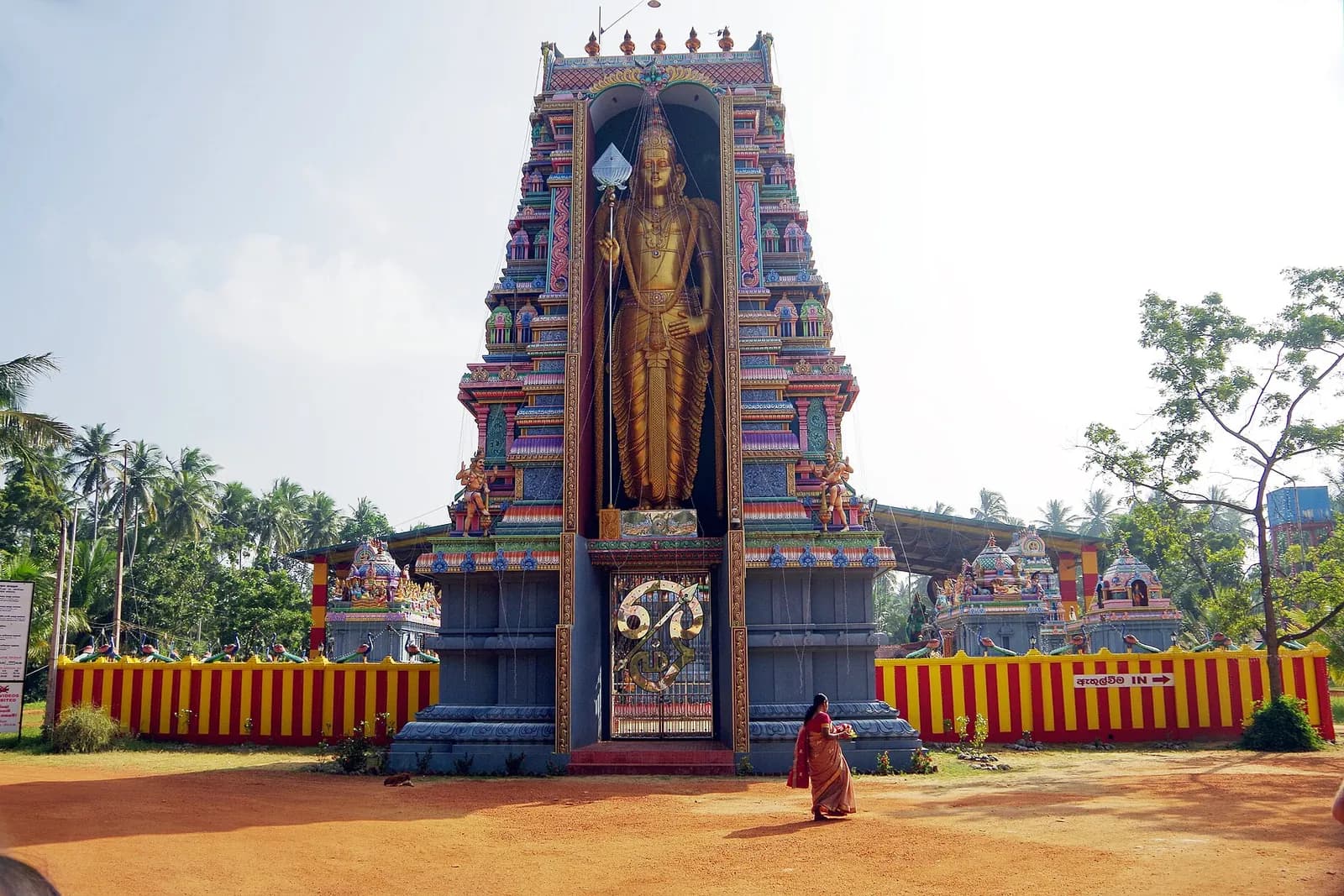
Ramayana Tour of Sri Lanka: A 7-Day Itinerary
Follow the Ramayana through Sri Lanka in one week, from Shiva's temple at Munneswaram to the hills where Sita is said to have been held and the southern coast of Hanuman's herbs.
12 Nov 2026· 3 min read
Planning a Ramayana Tour of Sri Lanka from India
Flights, visas, costs, vegetarian food and the best season: everything Indian travellers need to plan a Ramayana trail tour of Sri Lanka, with or without a package.
12 Nov 2026· 4 min read
More places near Ussangoda National Park
 city
Yala, Udawalawe & the Deep South
Hambantota
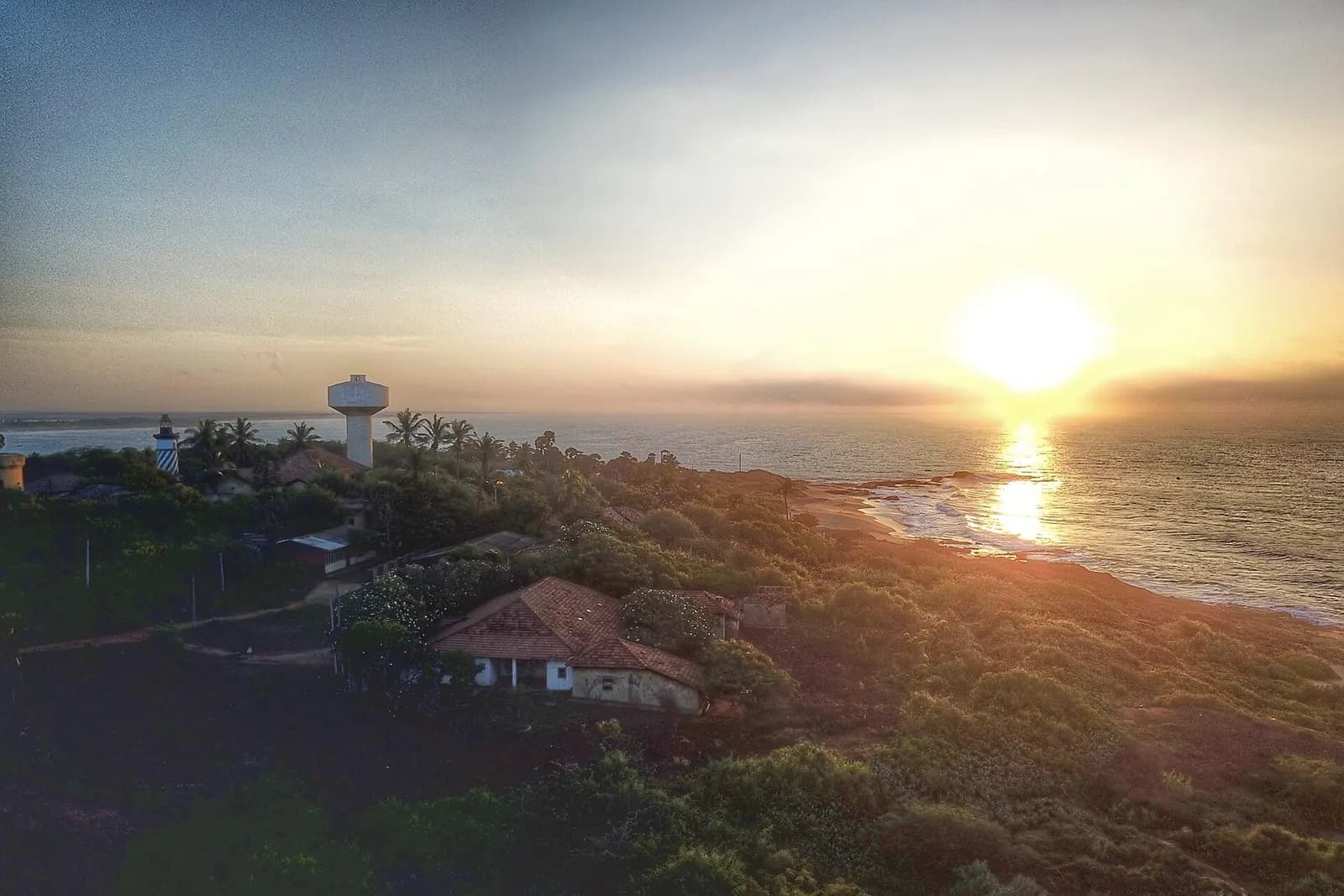
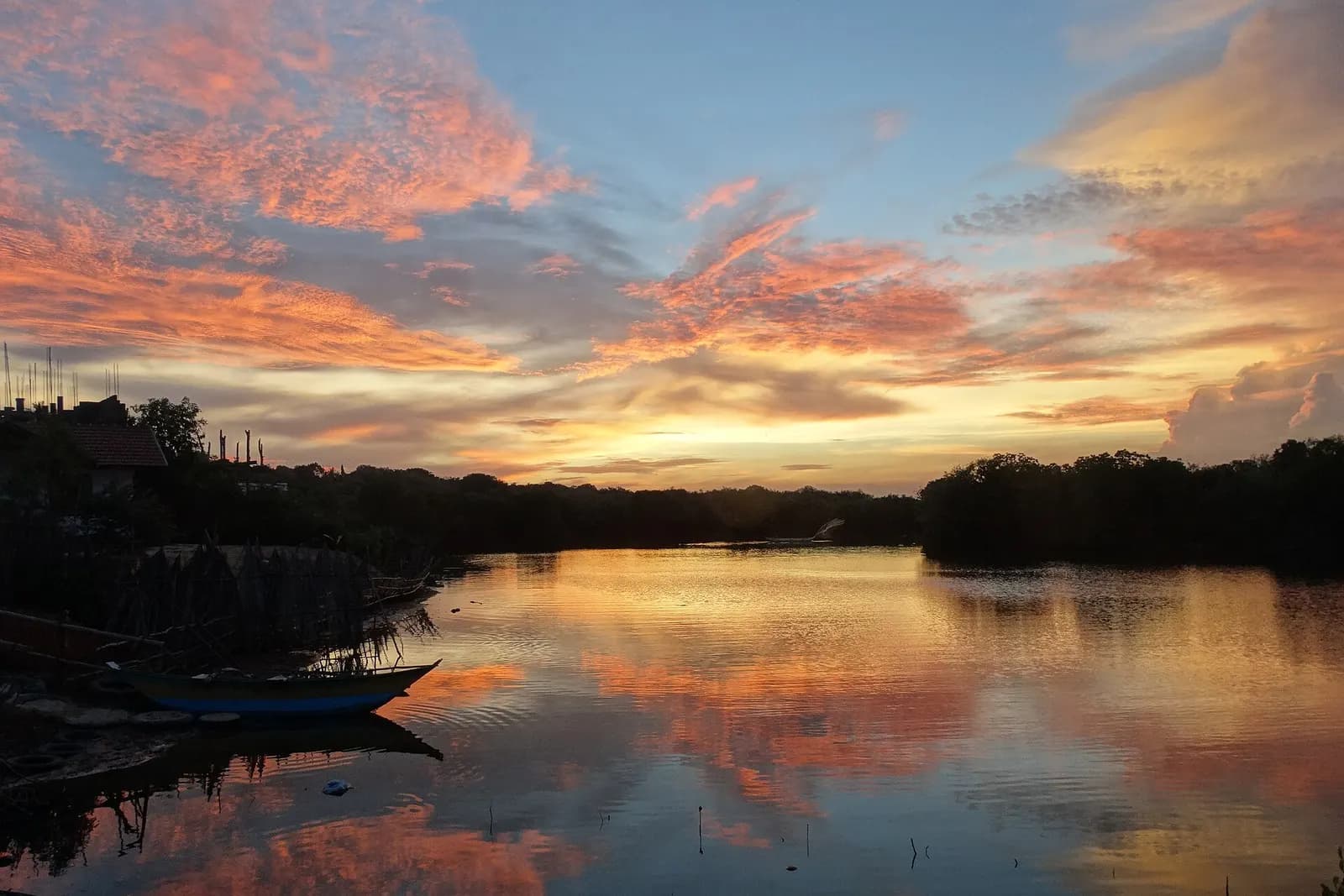
A dry-zone port town with salt pans and big new infrastructure. It is mainly a gateway: Bundala, Yala and Udawalawe national parks are all within easy driving distance.
Best: February to July
 wildlife
The South Coast
Rekawa Turtle Beach
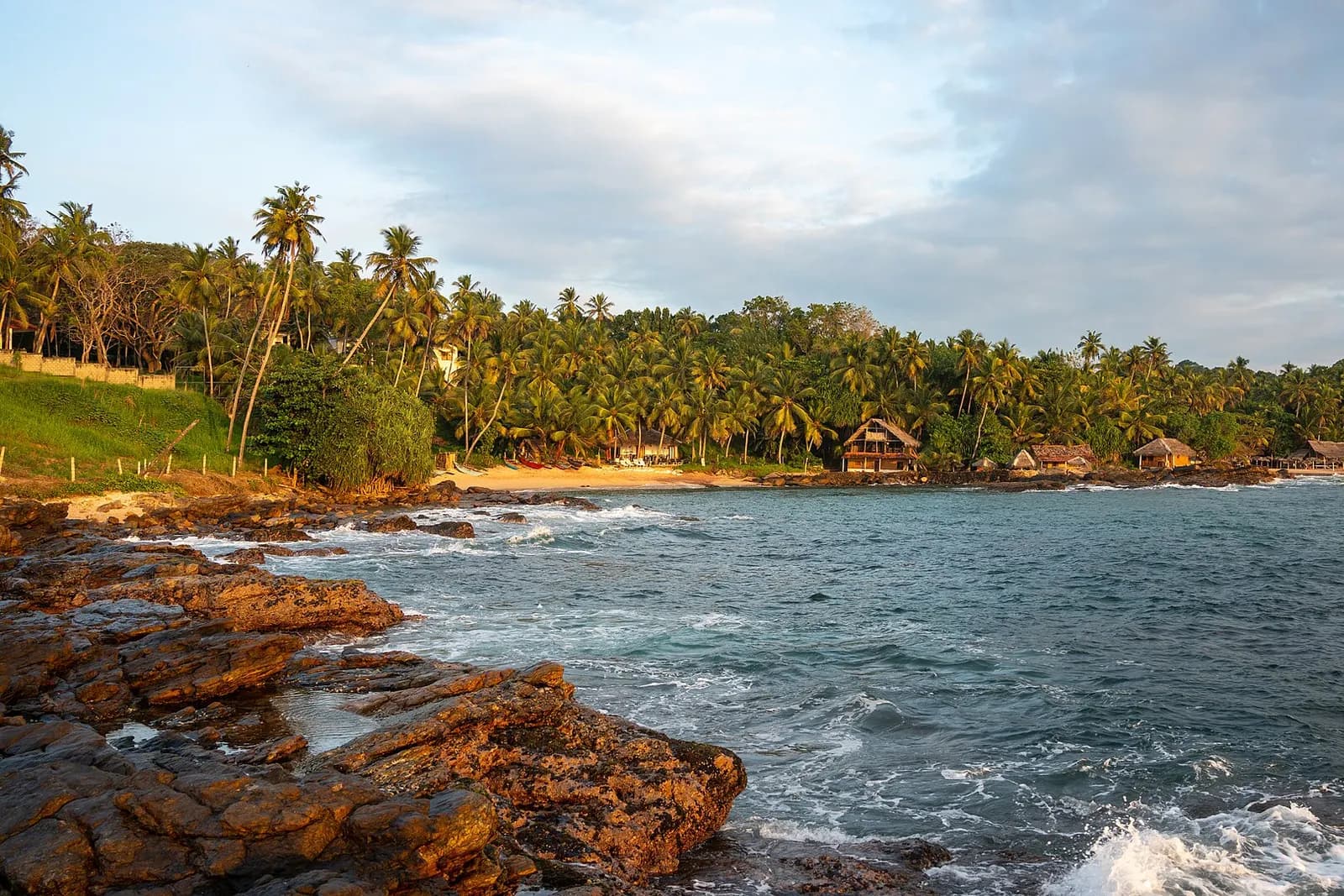
A community-run conservation beach where green turtles come ashore to nest at night. Watching is guided, without torches or flash, and sightings are not guaranteed — which is how it should be.
Best: January to July
 beach
The South Coast
Tangalle
Long, wild beaches and quiet guesthouses for travellers who want space. Currents can be strong, so swim only in sheltered coves. Rekawa turtle beach and the Mulkirigala rock temple are close by.
Best: December to April
Last updated November 2026. February to July for safaris; Yala Block 1 usually closes for about six weeks around September–October.