Food & Culture
Ramayana Sites in Sri Lanka: The Places Linked with Rama, Sita and Ravana
For millions of Hindus, Sri Lanka is the Lanka of the Ramayana. Here are the temples, caves and landscapes linked with Rama, Sita, Hanuman and Ravana, and how to visit them.
By Sri Lanka Travel Guides Editorial TeamUpdated 12 November 20263 min read
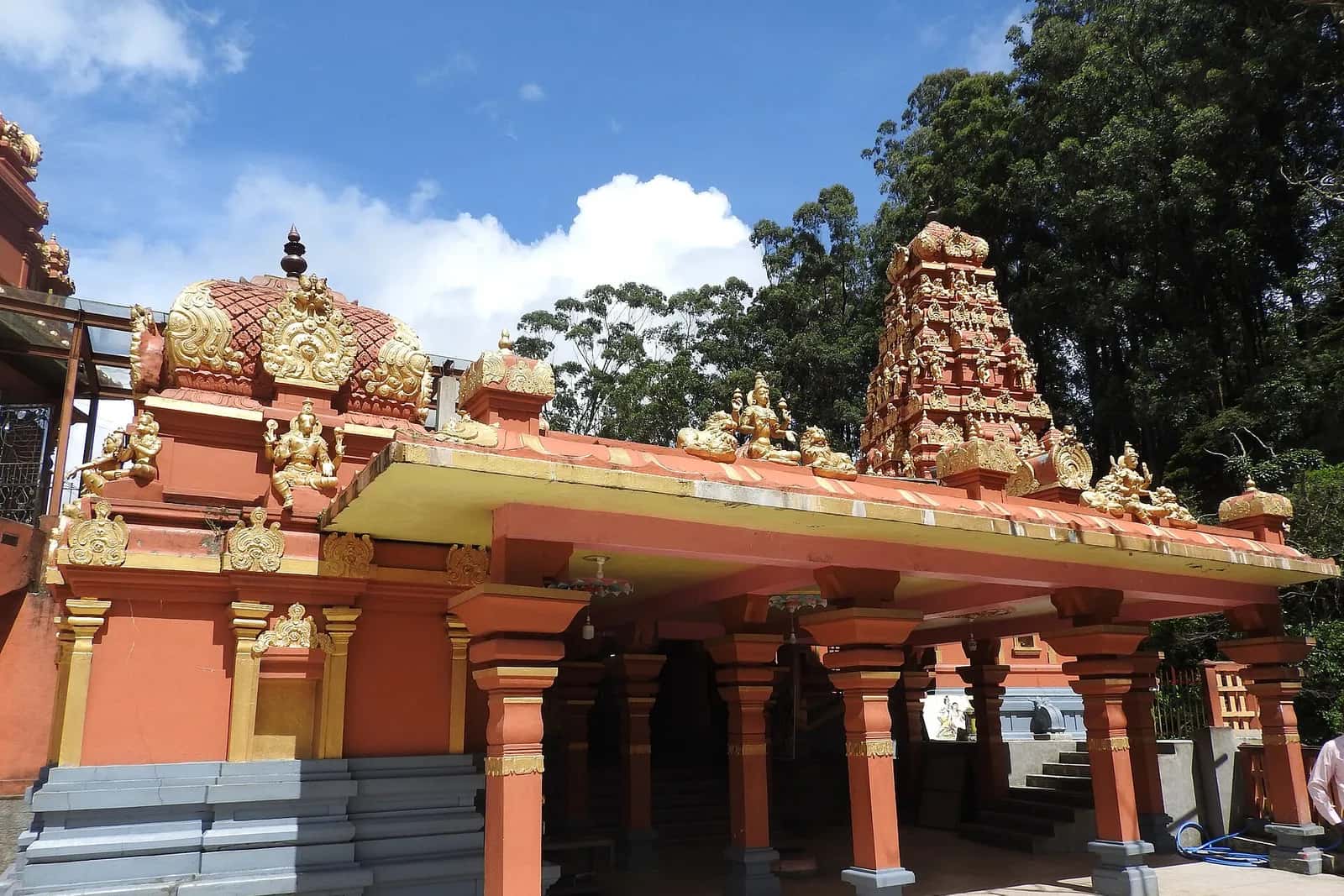
In the Ramayana, one of India's great epics, the demon king Ravana carries Sita away to his island kingdom of Lanka. Prince Rama, helped by Hanuman and an army of monkeys, builds a bridge across the sea and wins her back. Sri Lanka has dozens of places linked with this story, and many Indian visitors come specifically to see them.
A word on history: these links come from tradition, local legend and faith. There is no agreed archaeological evidence for them, and many of the sites have their own Buddhist or local histories as well. That doesn't make them any less moving to visit. In this guide, we say "according to tradition" where that is what we mean.
Hill country: where Sita is said to have been held
Seetha Amman Temple, at Seetha Eliya near Nuwara Eliya, is the heart of the trail. Tradition says Sita was held close to this spot, and rock marks beside the stream are honoured as Hanuman's footprints.
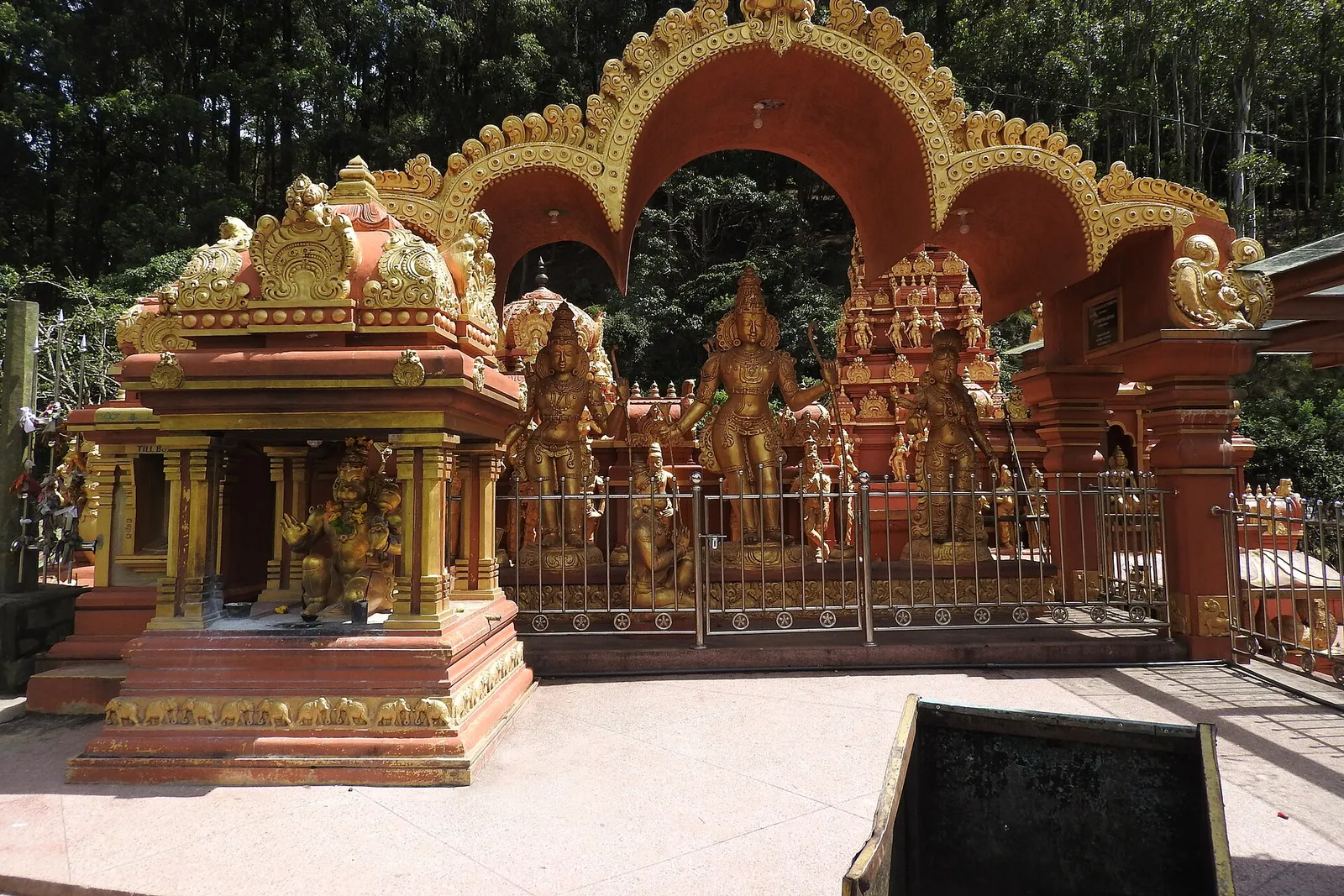
Colourful shrines at the Seetha Amman Temple near Nuwara Eliya. Photo: Yercaud-elango, CC BY-SA 4.0

Hakgala Botanical Garden nearby is linked with the Ashok Vatika, the garden where Sita was kept. Hakgala Rock is said in some tellings to be a piece of the mountain carried by Hanuman.
Divurumpola, near Welimada, is a Buddhist temple where tradition places Sita's trial by fire, the agni pariksha. Local people still treat it as a place where oaths are sworn.
Ramboda is home to the Sri Bhakta Hanuman Temple, set among tea hills along the road from Kandy, near Ramboda Falls.
Around Ella: Ravana's hiding places
Ravana Falls and the Ravana Cave are linked with stories of Ravana hiding Sita in the hills. The cave is a real climb of several hundred steps. Dowa Rock Temple, a Buddhist cave temple, has a small opening that local folklore connects with Ravana's tunnels.
South coast: Hanuman's herbs and Ravana's airstrip
Rumassala, near Galle, is said to be a piece of the Himalayas dropped by Hanuman as he carried healing herbs to the wounded Lakshmana. The hill is known for its medicinal plants, and today it's also home to a Japanese Peace Pagoda.
Ussangoda is a red-earth plateau above the sea. Legend makes it the landing place of Ravana's flying chariot, or ground scorched by Hanuman.
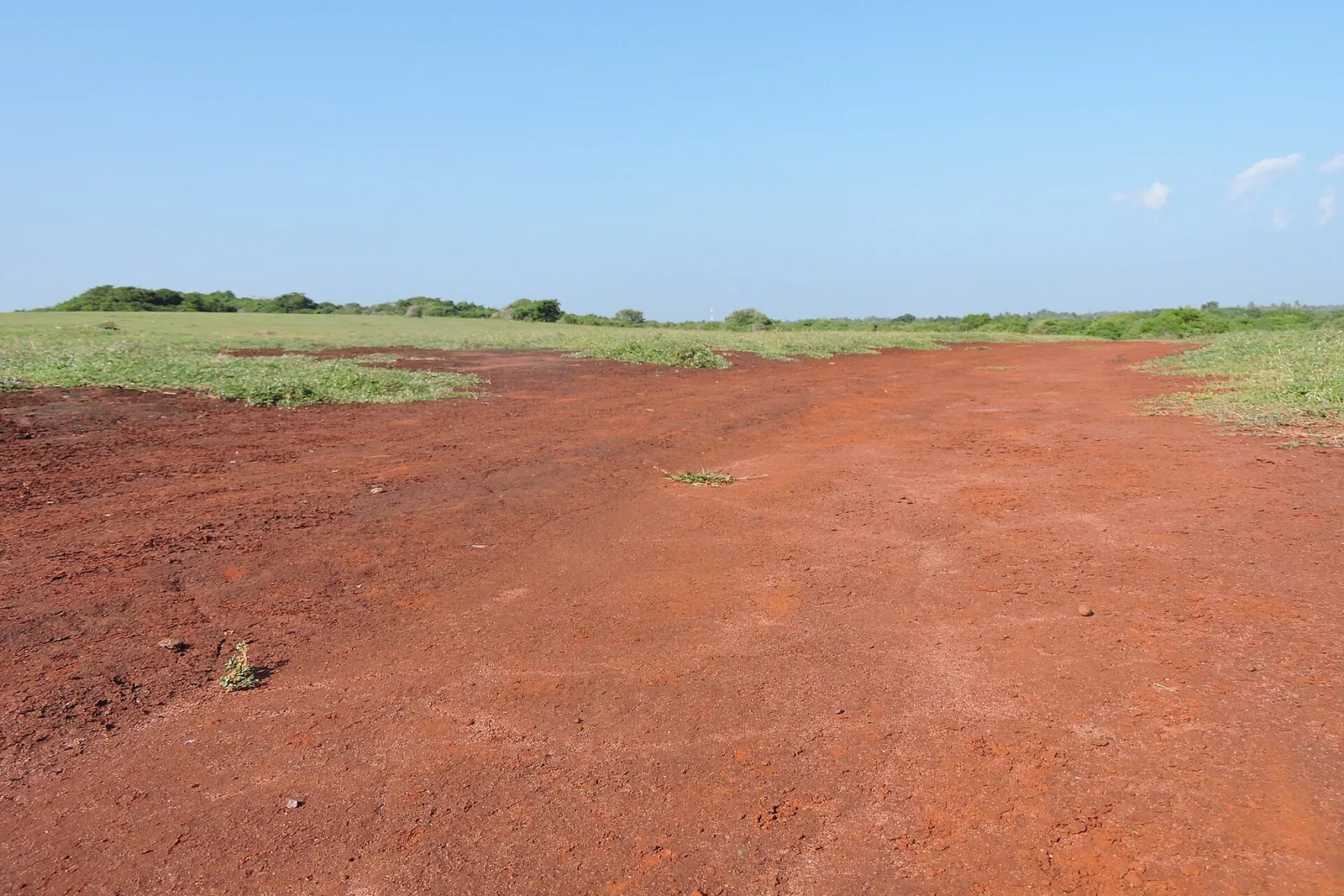
The red earth of Ussangoda National Park. Photo: Dinil Samarasinha, CC BY-SA 4.0

West coast: thanksgiving after the war
Munneswaram, near Chilaw, is an ancient Shiva temple where Rama is said to have prayed after the war. The small Rama shrine at Manavari is nearby.
Kelaniya Raja Maha Vihara, close to Colombo, is one of the island's holiest Buddhist temples. It also has a shrine to Vibhishana, Ravana's brother, who tradition says was crowned king here.
East coast: Ravana's devotion
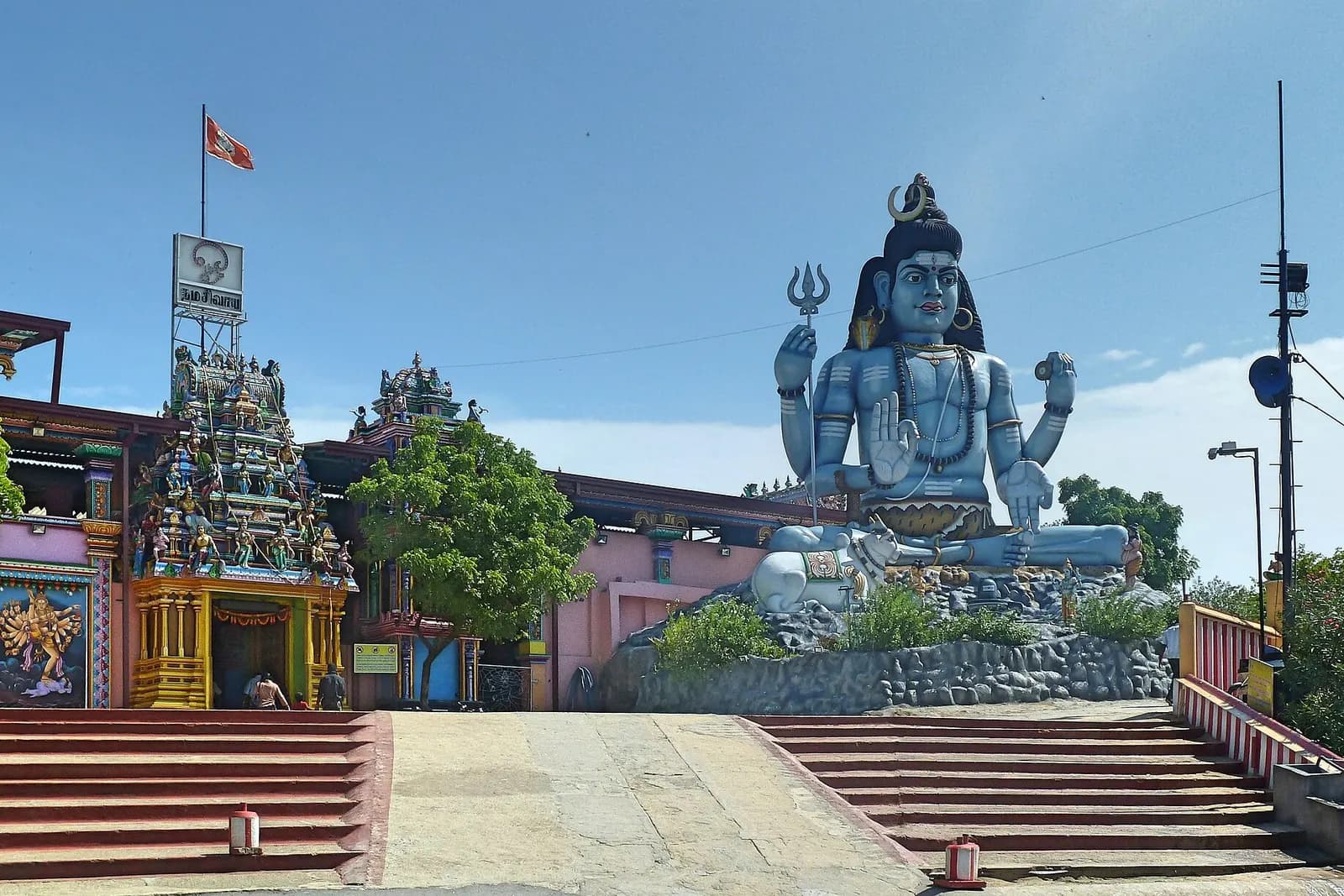
Koneswaram Temple, on a cliff at Trincomalee, is linked with Ravana's devotion to Shiva. Kanniya Hot Springs nearby are said to have appeared when Ravana struck the ground with his sword.
The north: the bridge
Adam's Bridge (Rama Setu) is the chain of sandbanks between Mannar and India, regarded in Hindu tradition as the bridge built by Rama's army. See it from Talaimannar on Mannar Island. Access is restricted, as it's a border area.
Also on some tours
Sigiriya is sometimes described as Ravana's palace. Historians date the rock fortress to King Kashyapa in the 5th century CE, so it's best enjoyed for its own remarkable history.
Visiting respectfully
- Cover your shoulders and knees, and take off your shoes at every temple.
- Men may be asked to remove their shirts in the inner parts of some Hindu temples.
- Many of these sites are Buddhist temples or belong to local communities with their own traditions. Please respect them.
- Be wary of anyone selling "relics", herbs or stones with grand claims.
Ready to go? See our 7-day Ramayana tour itinerary. If you're coming from India, read our guide for Indian travellers.
Keep planning
Frequently asked questions
Which is the most important Ramayana site in Sri Lanka?
The Seetha Amman Temple near Nuwara Eliya is the most visited by pilgrims.
Is there historical proof of the Ramayana sites?
No agreed archaeological proof exists. They are places of faith and tradition.
Can non-Hindus visit these sites?
Yes. Visitors of all faiths are generally welcome if they dress and behave respectfully.
Turn this into a plan
Our free AI trip planner builds a day-by-day Sri Lanka itinerary for your dates, with realistic travel times.
Plan my tripQuestions & comments
Share a tip or ask a question. Comments are moderated.
- No comments yet — be the first.
Keep planning
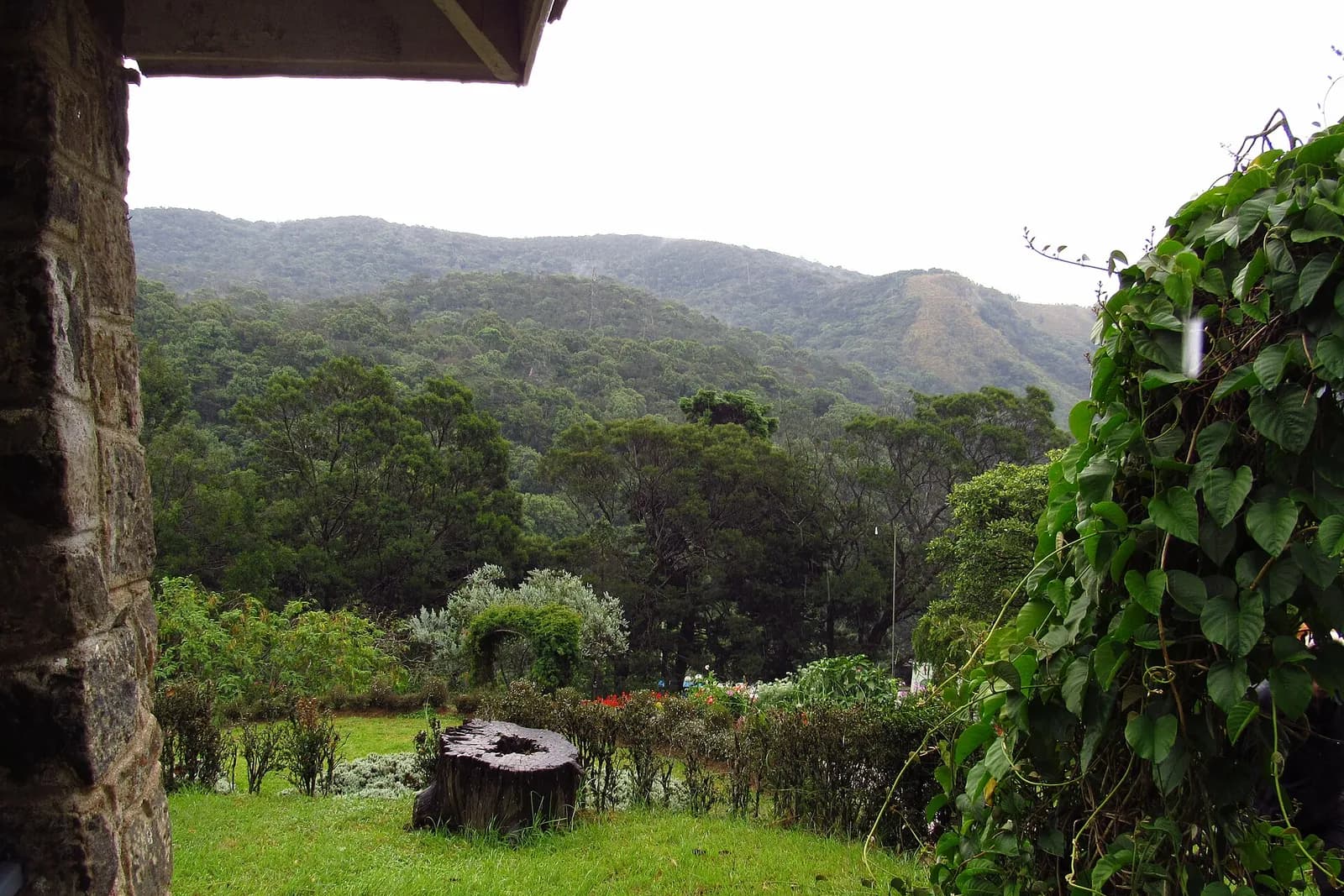
Ashok Vatika in Sri Lanka: Where It Is and How to Visit
Tradition places Ashok Vatika, the garden where Sita was held captive, in the hills near Nuwara Eliya. Here is where to find it, what you'll see and how to visit.
12 Nov 2026· 3 min read
The Pancha Ishwarams: Sri Lanka's Five Ancient Shiva Temples
Five ancient temples to Lord Shiva once guarded the coasts of Sri Lanka. Four still draw pilgrims today. Here is their story, and how to visit all of them.
12 Nov 2026· 4 min read
The Great Hindu Temples of Sri Lanka
Sri Lanka's Tamil Hindu heritage goes back many centuries. From clifftop Koneswaram to golden Nallur, here are the temples to see, and how to visit with respect.
12 Nov 2026· 2 min read