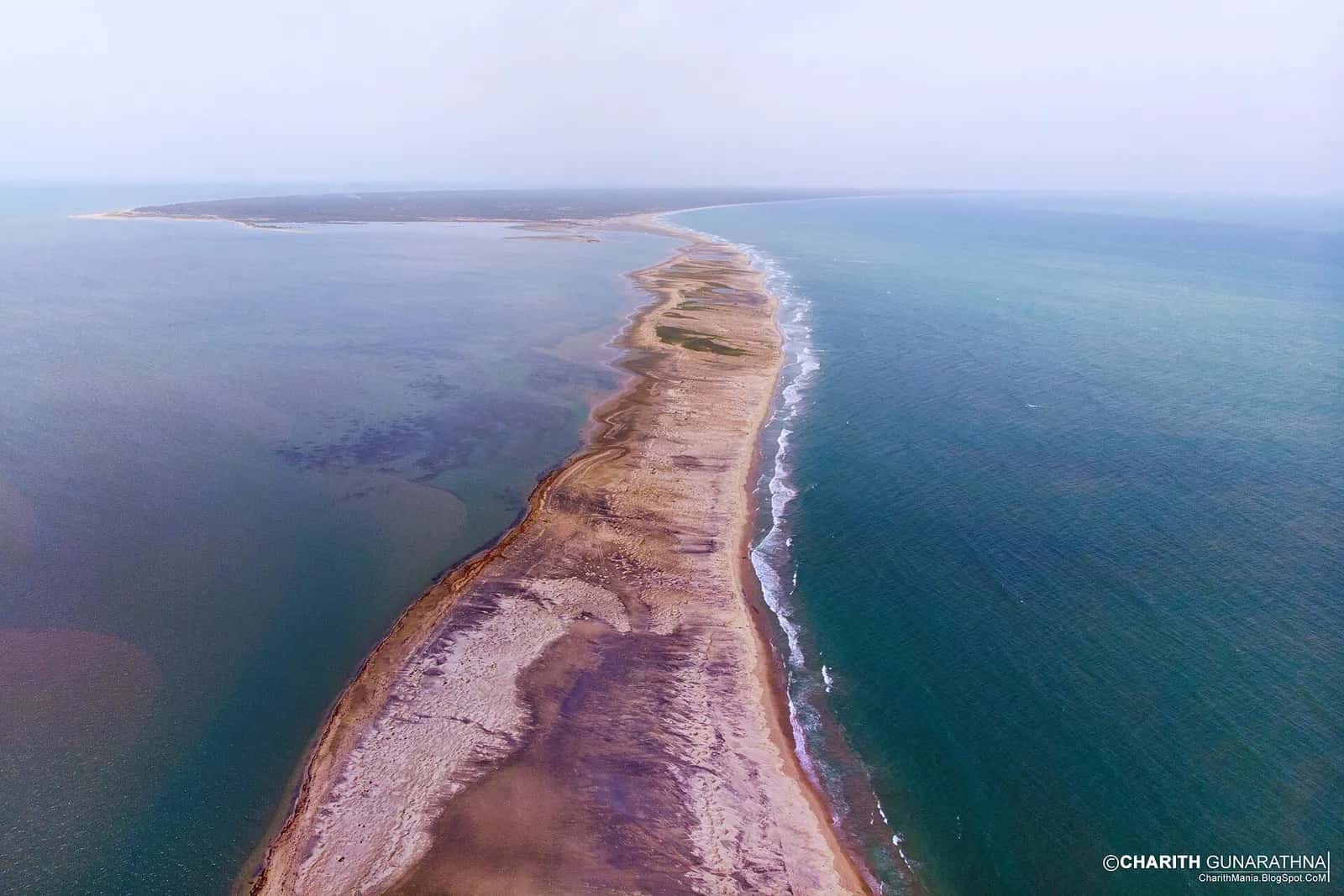
Adam's Bridge (Rama Setu), Sri Lanka
The chain of sandbanks between Mannar and India, revered by Hindus as the bridge built by Rama's army. See it from Talaimannar; access is limited in this sensitive border area.
Region
Jaffna & the North
Best time
January to September
Time needed
1–2 hours
From the airport
≈ 8 h by road
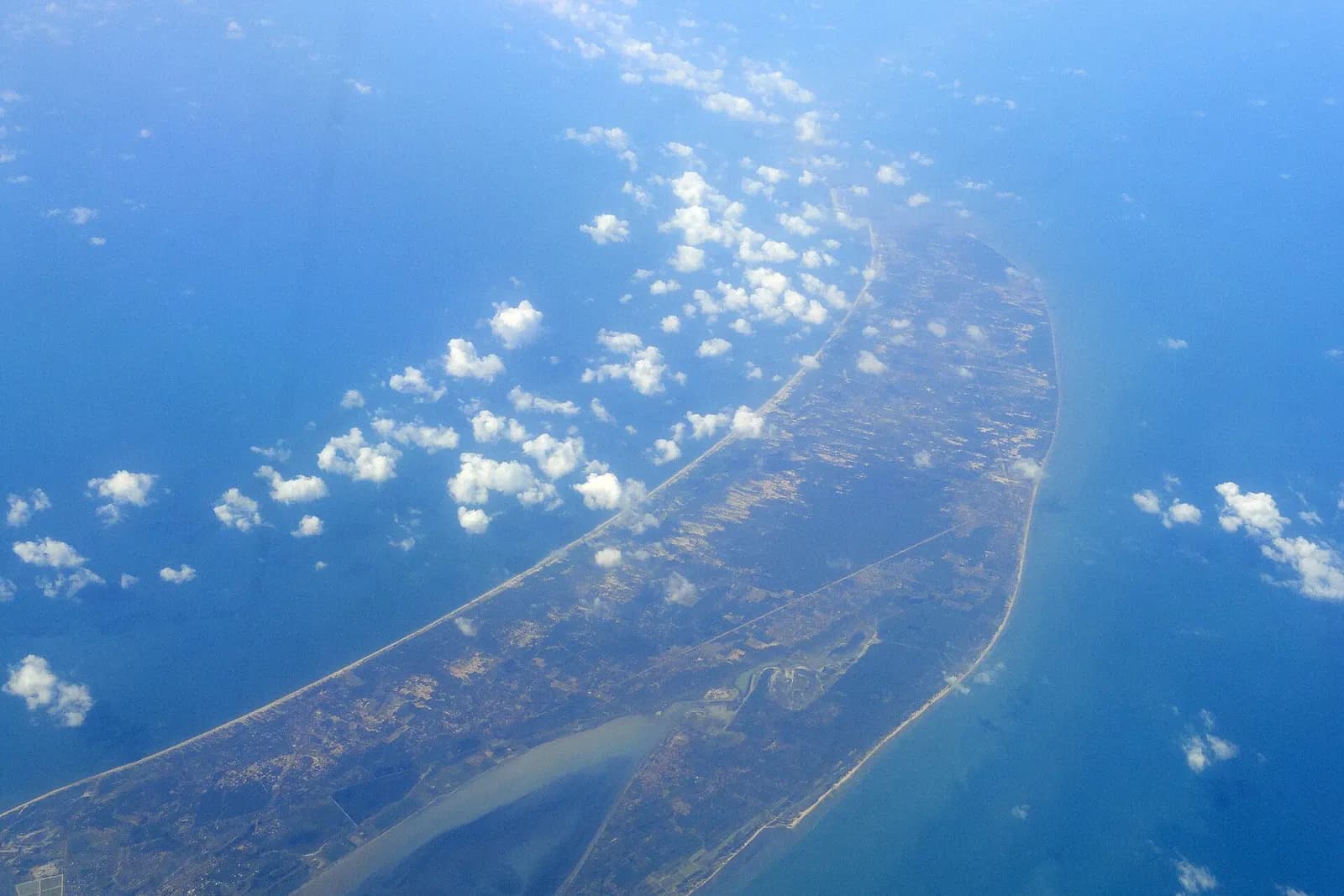
Adam's Bridge, also known as Rama Setu, is a chain of sandbanks and shoals stretching about 48 km across the shallow sea between Mannar Island in Sri Lanka and Rameswaram in India.
For Hindus, this is the bridge built by Rama's army of monkeys so that they could cross to Lanka to rescue Sita, as told in the Ramayana. Geologists generally regard it as a natural formation of sand and coral. Either way, it's a remarkable sight, with narrow strips of pale sand running into turquoise water.
How to see it
- Talaimannar — the tip of Mannar Island is the closest you can reach by road. A beach and an old pier look out towards the first sandbanks.
- By boat — boat trips may run from Mannar in season, when the sea is calm. Availability and permission change, so ask locally first.
- From the air — the full chain is best seen from aircraft or satellite photos.
Things to know
- This is a sensitive border area with a naval presence. Follow all signs and instructions, and don't try to walk out along the sandbanks.
- The currents here are strong and the water is shallow and unpredictable.
- Check current access rules before you make a long detour.
- Facilities at Talaimannar are basic, so bring water and sun protection.
When to visit
January to September avoids the heaviest northern rain. Flamingos and other migrant birds are often seen on the lagoons around Mannar from roughly November to March.
Getting there
Mannar town is about 2 hours from Anuradhapura by road, and Talaimannar is around 45 minutes further, across the island. While you're here, see Mannar's Dutch fort and its giant baobab tree. Our Jaffna and the north itinerary can be extended to include it.
Adam's Bridge (Rama Setu): frequently asked questions
Is Rama Setu a real bridge?
It's a real chain of sandbanks. Hindu tradition regards it as the bridge in the Ramayana, while geologists consider it natural.
Can you walk on Adam's Bridge?
No. It's unsafe and access is restricted. See it from Talaimannar or, when permitted, on a boat trip.
Map and getting there
Approximate road times (Sri Lanka’s roads are slow — allow extra time for traffic and stops): Colombo airport (CMB) ≈ 8 h · Kandy ≈ 8.5 h · Galle ≈ 13 h. For flexible door-to-door travel, consider a local driver.
Related travel guides
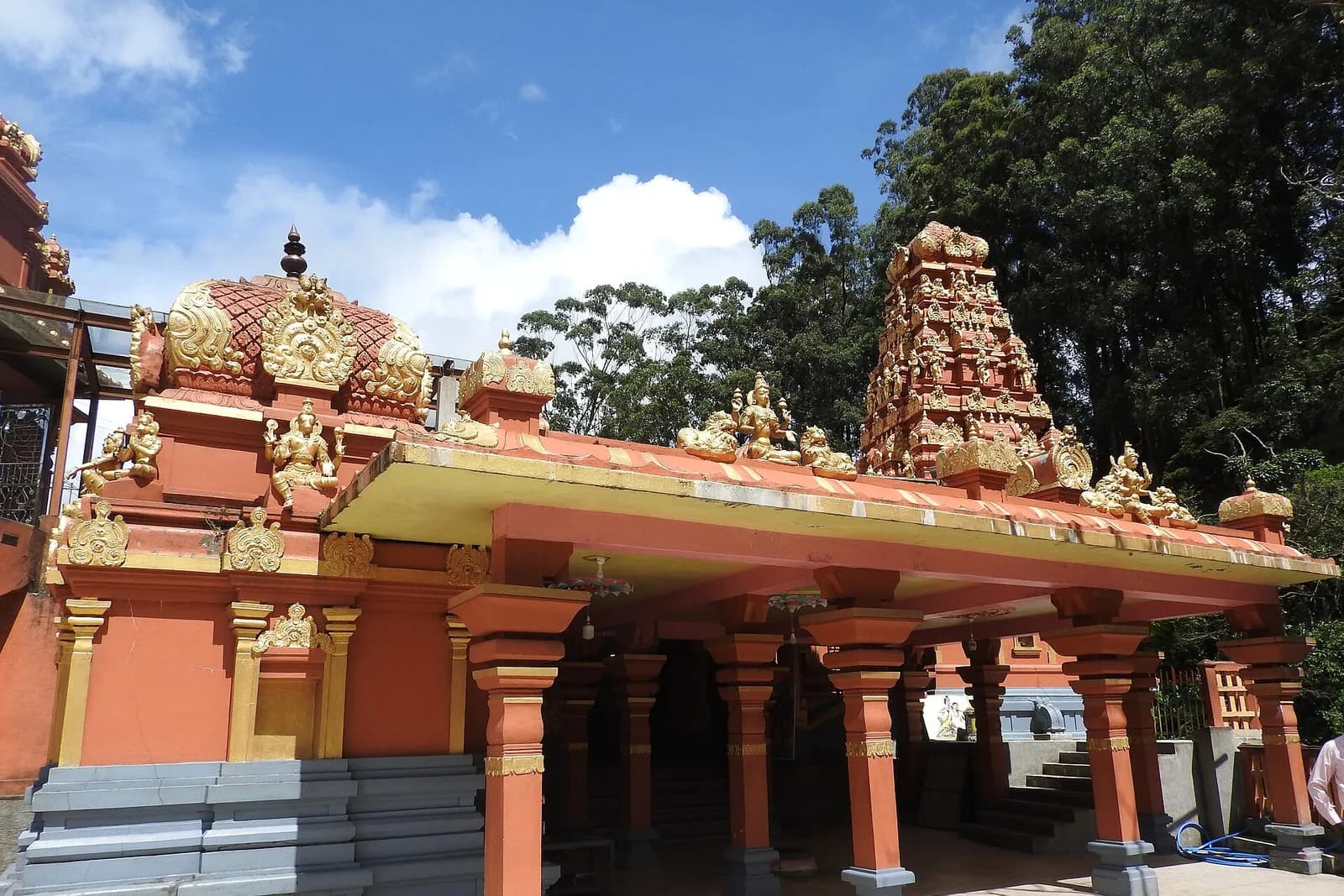
Ramayana Sites in Sri Lanka: The Places Linked with Rama, Sita and Ravana
For millions of Hindus, Sri Lanka is the Lanka of the Ramayana. Here are the temples, caves and landscapes linked with Rama, Sita, Hanuman and Ravana, and how to visit them.
12 Nov 2026· 3 min read
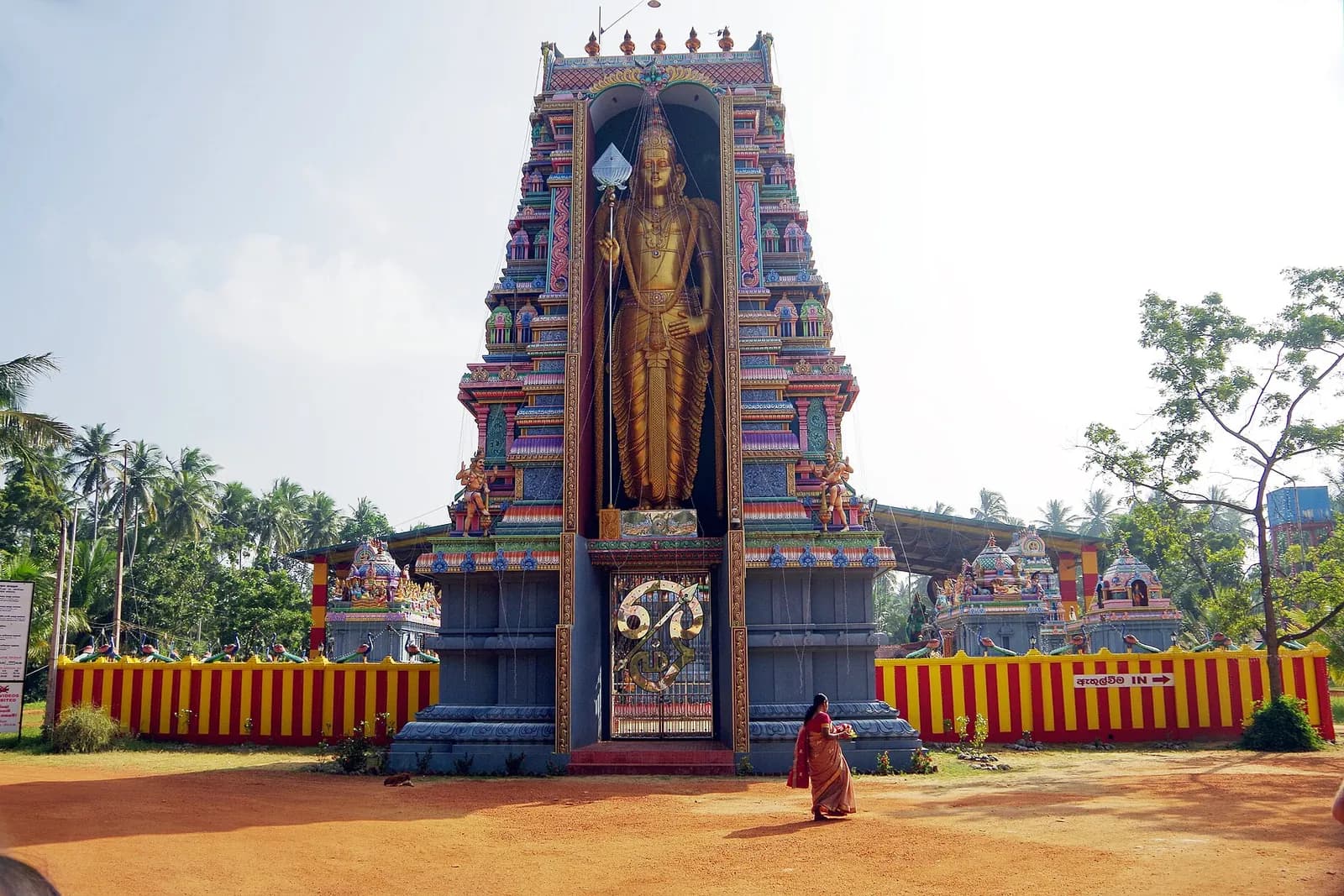
Ramayana Tour of Sri Lanka: A 7-Day Itinerary
Follow the Ramayana through Sri Lanka in one week, from Shiva's temple at Munneswaram to the hills where Sita is said to have been held and the southern coast of Hanuman's herbs.
12 Nov 2026· 3 min read
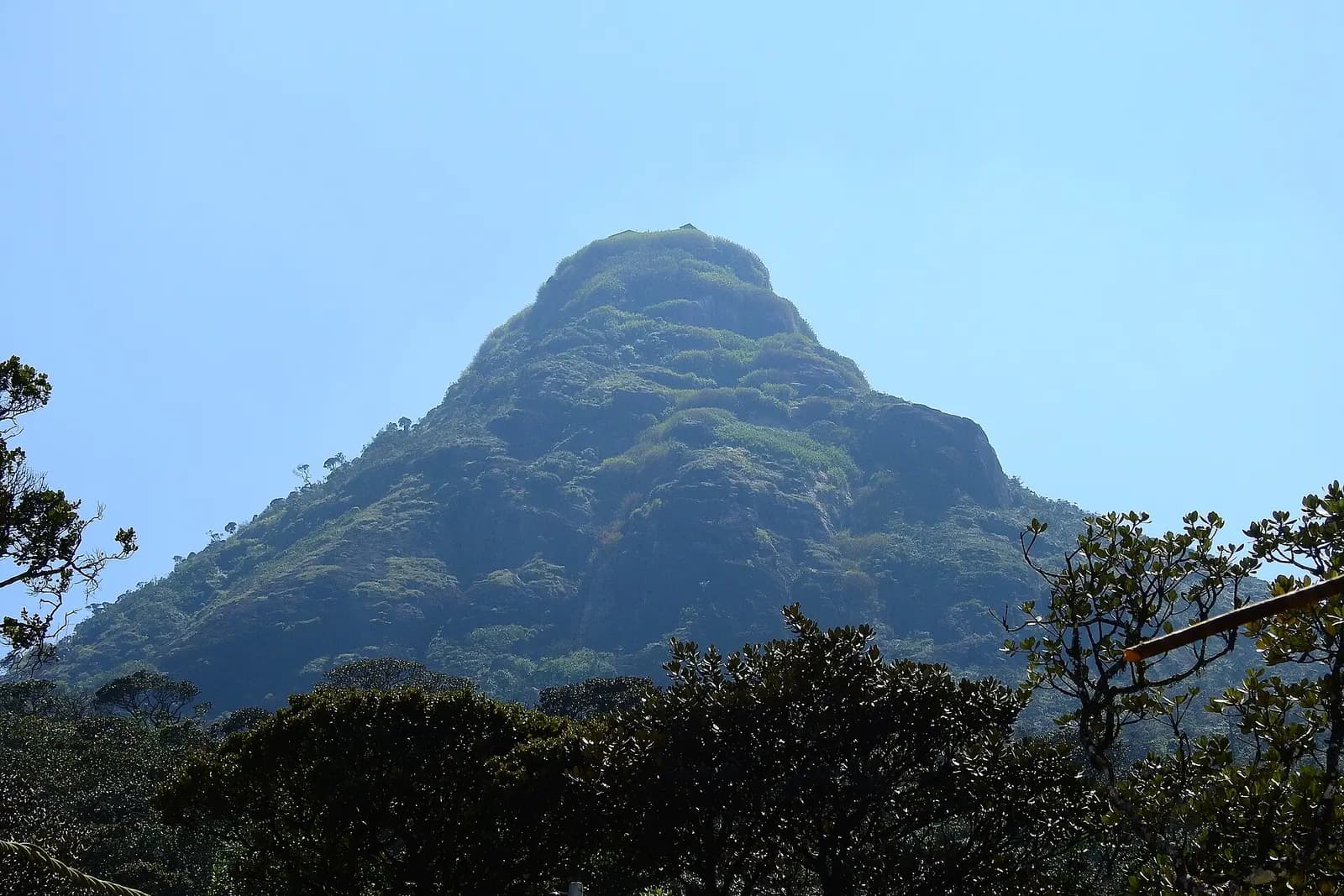
Climbing Adam's Peak (Sri Pada): The Complete Guide
Thousands of steps, a midnight start and a sunrise above the clouds — climbing Adam's Peak is one of the great experiences in Sri Lanka. Here's how to do it well.
5 Nov 2026· 3 min read
More places near Adam's Bridge (Rama Setu)
 island
Jaffna & the North
Mannar Island
An arid island known for flamingos and migratory birds, a giant baobab tree and the Portuguese/Dutch fort. A remote stop between Wilpattu and Jaffna.
Best: January to April (migratory birds)
 religious
Jaffna & the North
Thiruketheeswaram Temple
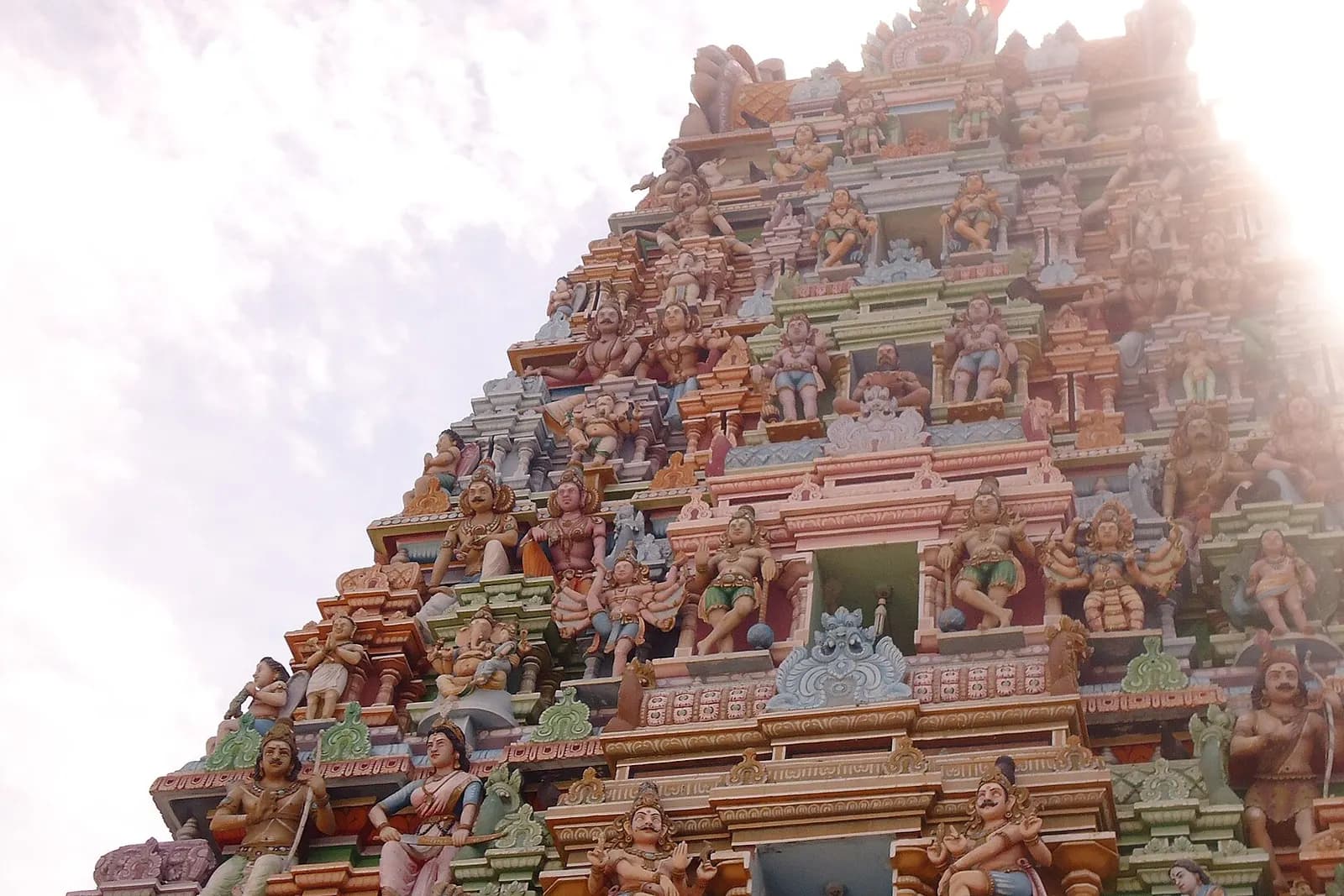
An ancient Shiva temple near Mannar and one of the five Pancha Ishwarams of Sri Lanka, praised in early Tamil hymns, destroyed in the colonial period and since rebuilt in carved granite.
Best: January to September
 island
Jaffna & the North
Delft Island
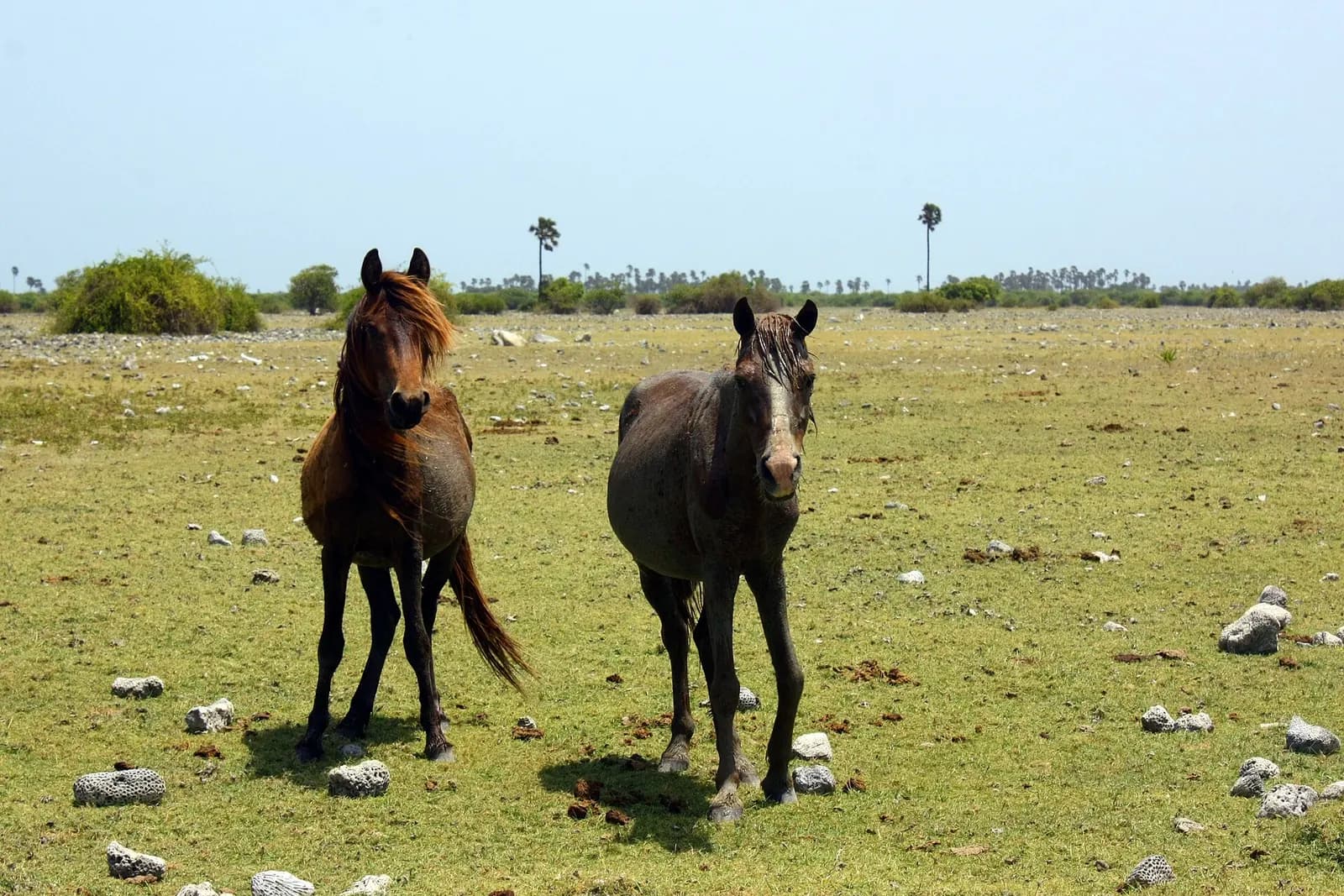
A flat, windswept island reached by ferry from Kurikadduwan, with wild ponies, coral-stone walls, a giant baobab and Dutch ruins. Check ferry times the day before.
Best: January to September
Last updated November 2026. January to September; October to December brings the north-east monsoon rains.