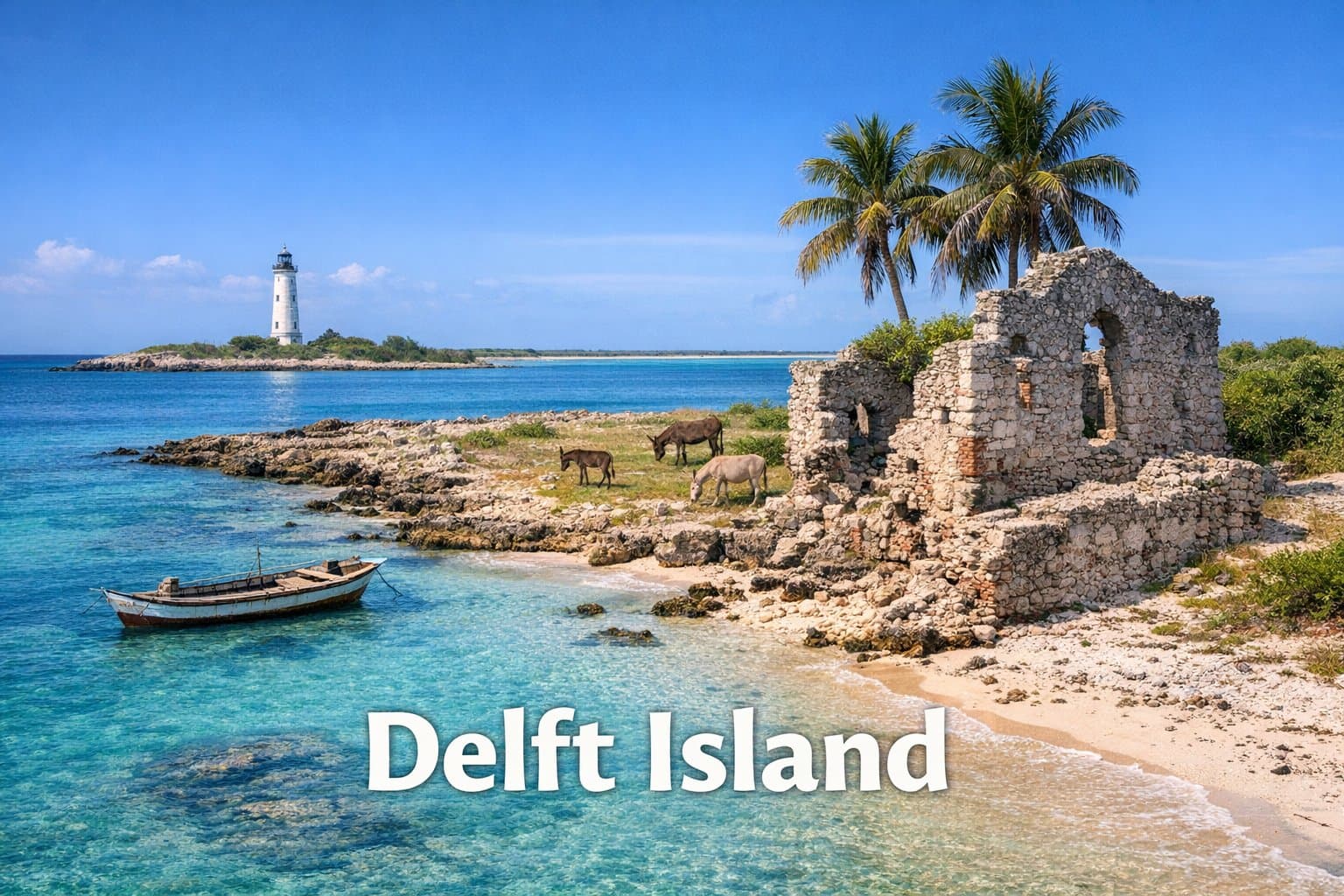
Delft Island
A flat, windswept island reached by ferry from Kurikadduwan, with wild ponies, coral-stone walls, a giant baobab and Dutch ruins. Check ferry times the day before.
Region
Jaffna & the North
Best time
January to September
Time needed
1 day
From the airport
≈ 9.5 h by road
Quick tips for Delft Island
- Start early for a calm swim and soft light. In Sri Lanka, the sea often feels gentler before mid-morning—perfect for photos and a quiet reset.
- Choose a beach café for a long breakfast. Fresh fruit, string hoppers, and Sri Lankan coffee are a simple way to settle into the day.
- Pick one ocean activity and do it properly: a beginner surf lesson, a snorkel session, or a boat ride. You’ll appreciate Delft Island more when you focus.
In Delft Island, the island’s coastline slows down: salty air, small cafés, and that easy rhythm you only get by the sea. This Sri Lanka travel guide to Delft Island focuses on the details that actually help on the ground: what to do, how long to stay, the best time to visit, and local travel tips that keep your trip simple. Expect sunrise swims, plus a few surprises that don’t always show up in the first search result.
Why Delft Island
Why go? Because Delft Island fits neatly into a Sri Lanka itinerary without feeling like a ‘box to tick’. It’s easy to enjoy in small, low-stress moments: an early walk, a good meal, a viewpoint, a short tuk-tuk ride. If you’re travelling with a mix of interests—culture, nature, food, and photo spots—this stop can satisfy more than one travel style.
Things to do in Delft Island
- Start early for a calm swim and soft light. In Sri Lanka, the sea often feels gentler before mid-morning—perfect for photos and a quiet reset.
- Choose a beach café for a long breakfast. Fresh fruit, string hoppers, and Sri Lankan coffee are a simple way to settle into the day.
- Pick one ocean activity and do it properly: a beginner surf lesson, a snorkel session, or a boat ride. You’ll appreciate Delft Island more when you focus.
- Make time for a lagoon or river detour nearby. Mangroves and birdlife add a different side to the coast, and it’s great for slow travel.
- Walk the shoreline at sunset. It’s the easiest ‘thing to do in Delft Island’ and still one of the best—watch fishermen, families, and the sky changing colour.
Hidden-gem moments
- Pick one quiet stretch of sand away from the main access points—locals often know the calmest entry to the water.
- Look for a small family-run café where the menu is basically ‘whatever is fresh today’. Those meals tend to be the best.
- Ask about a short lagoon or river boat ride at a low-traffic time. Early morning birdlife is excellent.
Best time to visit Delft Island
Best time to visit: For Sri Lanka’s north, many travellers prefer May to September for drier days and easy road travel. The northeast monsoon usually brings more rain between November and January.
How to get to Delft Island
Reaching Delft Island usually means a longer journey from Colombo by train, bus, or private car. If you have limited time, consider an overnight train or a direct road transfer. Around the peninsula, local buses and tuk-tuks are useful for day trips.
Where to stay in Delft Island
Accommodation in Delft Island ranges from family-run homestays to boutique beachfront places. Booking a couple of nights first is smart—then extend once you find your favourite stretch of coast.
Food and local flavours
Don’t leave Delft Island without trying a proper local lunch: rice and curry with a few vegetable sides, sambol, and something crispy. Finish with a king coconut or curd and treacle if you spot it.
Responsible travel notes
A quick note on responsible tourism in Sri Lanka: dress respectfully in sacred spaces, avoid touching wildlife, and keep plastics to a minimum. If you’re buying souvenirs, choose locally made crafts and pay fair prices—small choices add up.
A simple 2-day itinerary
Day 1: Arrive, check in, and take a slow beach walk. Spend the late afternoon swimming or snorkelling if conditions are calm. Have an early dinner, then do a sunset loop (or just sit and watch the light).
Day 2: Start with sunrise or a relaxed breakfast. Add one activity—surf lesson, lagoon trip, or a nearby viewpoint—then keep the rest of the day open. That flexibility is the secret to enjoying Delft Island.
FAQ
Do I need a guide in Delft Island?
It depends. For heritage sites and wildlife areas, a guide can add real value—context, safety, and better understanding. For beaches and towns, you can explore independently and book a guide only for a specific experience.
What should I pack for Delft Island?
Bring lightweight clothing, sun protection, and comfortable shoes. Add a light rain layer (Sri Lanka loves surprise showers). For temples, pack something that covers shoulders and knees, plus socks if you prefer them on hot stone.
Is it easy to get around without a driver?
Sri Lanka has buses, trains, and tuk-tuks almost everywhere, but travel can be slow. If you’re short on time, a private driver can make an itinerary smoother. If you’re travelling slowly, public transport works fine with flexibility.
Is Delft Island good for families?
Yes—with a bit of planning. Choose calm accommodation, keep travel days short, and plan one main activity per day. In Sri Lanka, the heat can be the biggest challenge for kids, so early starts and midday breaks help.
How long should I stay in Delft Island?
For most travellers, 1–2 nights is a sweet spot, especially if Delft Island is a stop on a larger Sri Lanka itinerary. If you’re here for a specific activity (surfing, safari, hiking), add extra days so you’re not rushing.
Map and getting there
Approximate road times (Sri Lanka’s roads are slow — allow extra time for traffic and stops): Colombo airport (CMB) ≈ 9.5 h · Kandy ≈ 10 h · Galle ≈ 14.5 h. For flexible door-to-door travel, consider a local driver.
Related travel guides
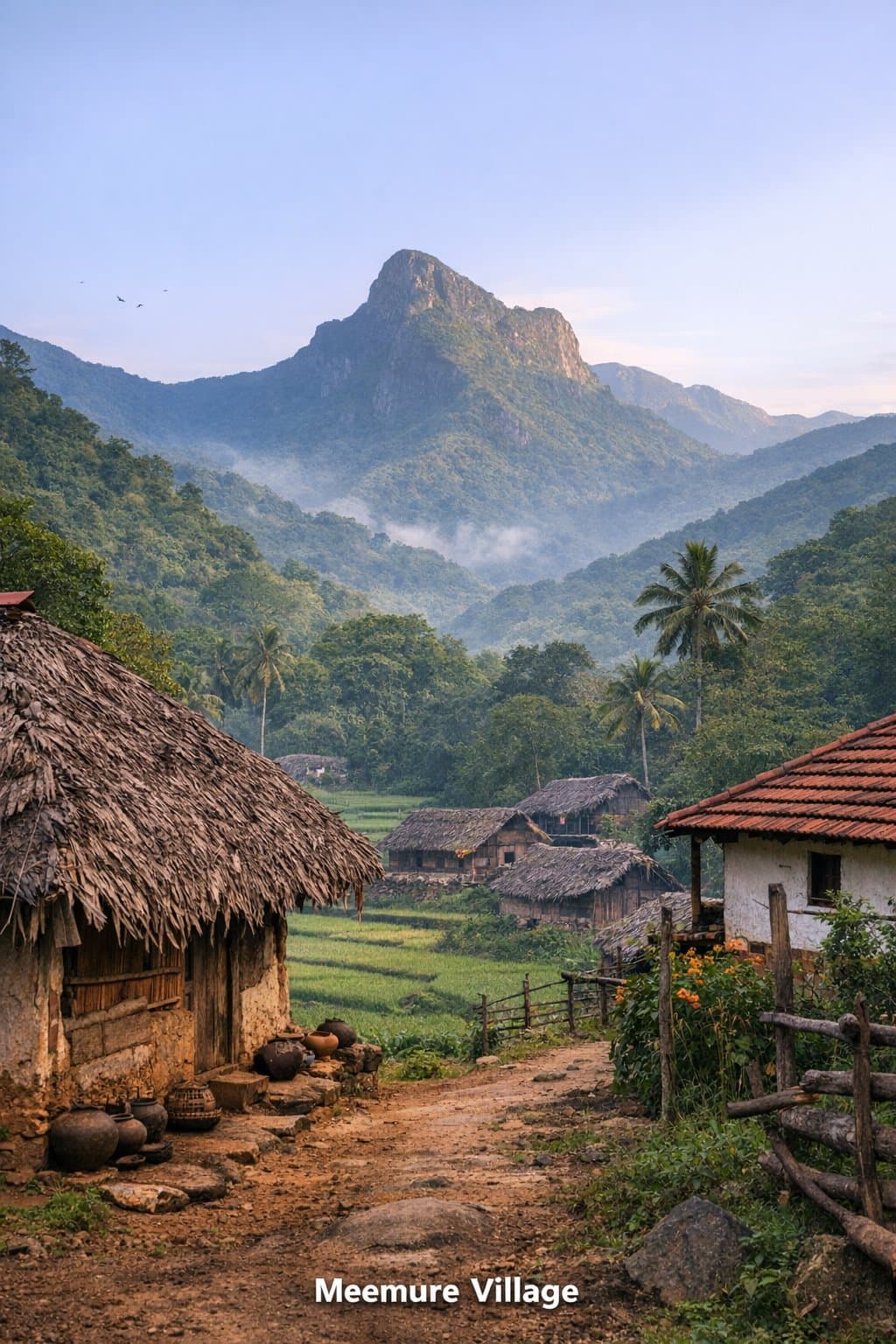
Sri Lanka's Hidden Gems: 15 Places Most Tourists Miss
Beyond Sigiriya, Ella and Mirissa lies a quieter Sri Lanka of remote villages, forest monasteries and empty islands. Here are 15 places worth the detour.
5 Nov 2026· 3 min read

Jaffna and Northern Sri Lanka: A 3–4 Day Itinerary
Jaffna feels like a different country — Tamil temples, palmyra palms, island ferries and fiery crab curry. Here's how to spend three or four days in Sri Lanka's far north.
5 Nov 2026· 2 min read

Sri Lanka 3-Week Itinerary: The Complete Island Route
Three weeks lets you see Sri Lanka properly — both great ancient capitals, the tea country at a slow pace, two safaris and a long beach finale. Here's the full route.
5 Nov 2026· 2 min read
More places near Delft Island
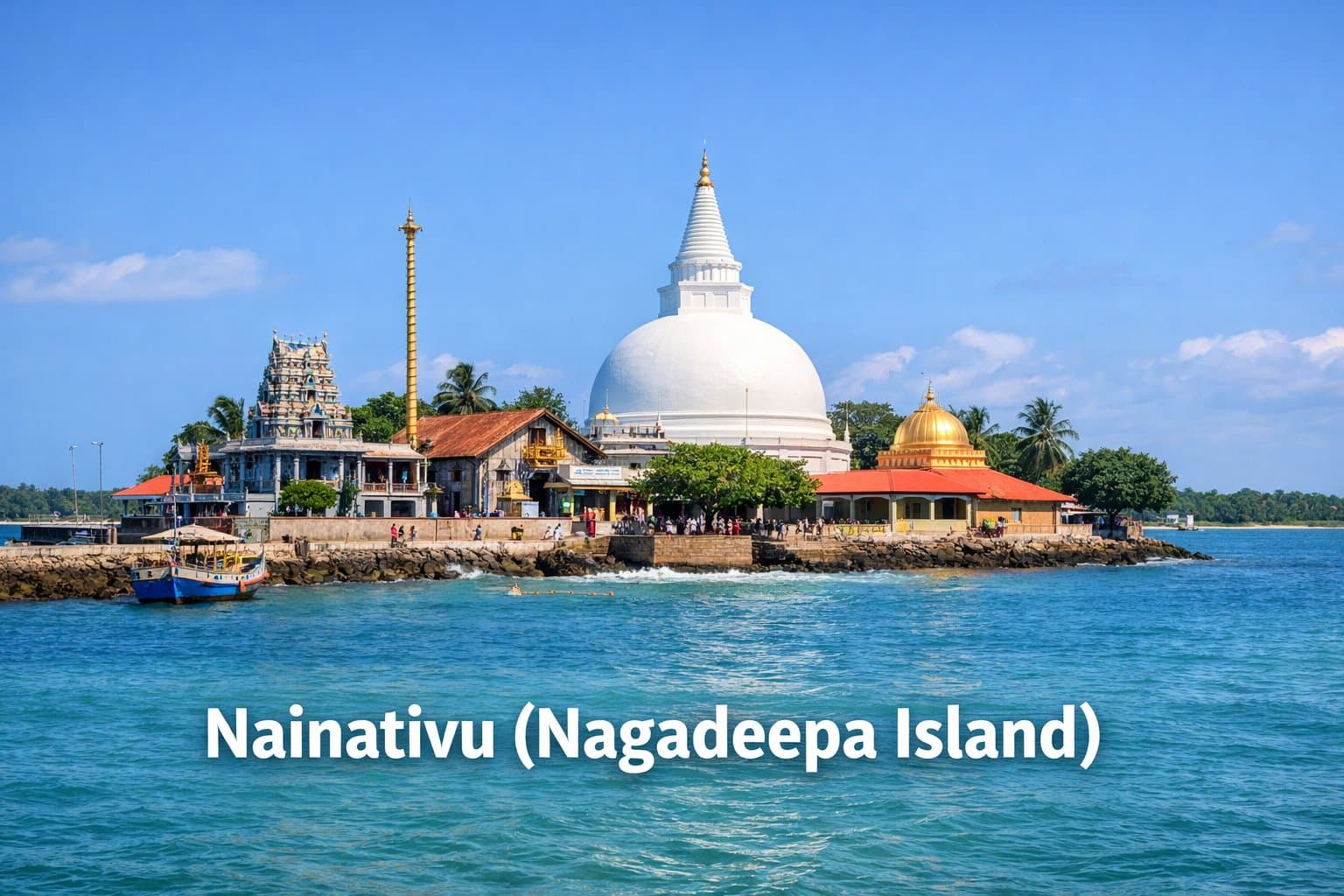 island
Jaffna & the North
Nainativu (Nagadeepa Island)
A small island sacred to both Buddhists (Nagadeepa Vihara) and Hindus (Nagapooshani Amman Kovil), reached by a short ferry ride. A meaningful half-day trip from Jaffna.
Best: January to September
cityJaffna & the North
Jaffna
The capital of Tamil culture in Sri Lanka, with grand Hindu kovils, a Dutch fort, a rebuilt public library and a distinctive spicy cuisine. Reachable by train or the A9 highway from Colombo.
Best: January to September
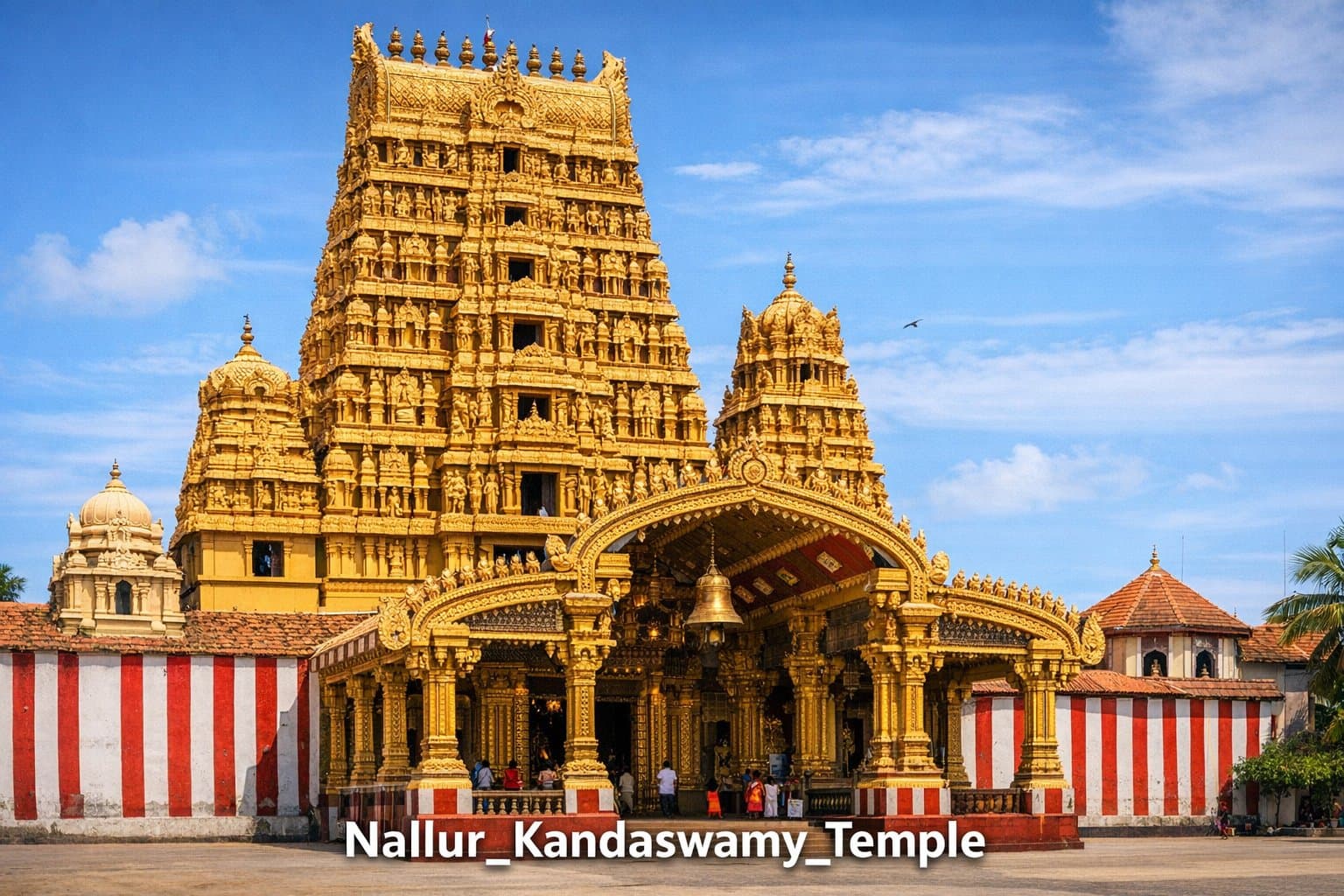 religious
Jaffna & the North
Nallur Kandaswamy Temple
Jaffna's most important Hindu temple, dedicated to Lord Murugan, with a golden gopuram. Men remove shirts to enter; the 25-day festival in August–September is spectacular.
Best: August–September (festival)
Last updated November 2026. January to September; October to December brings the north-east monsoon rains.