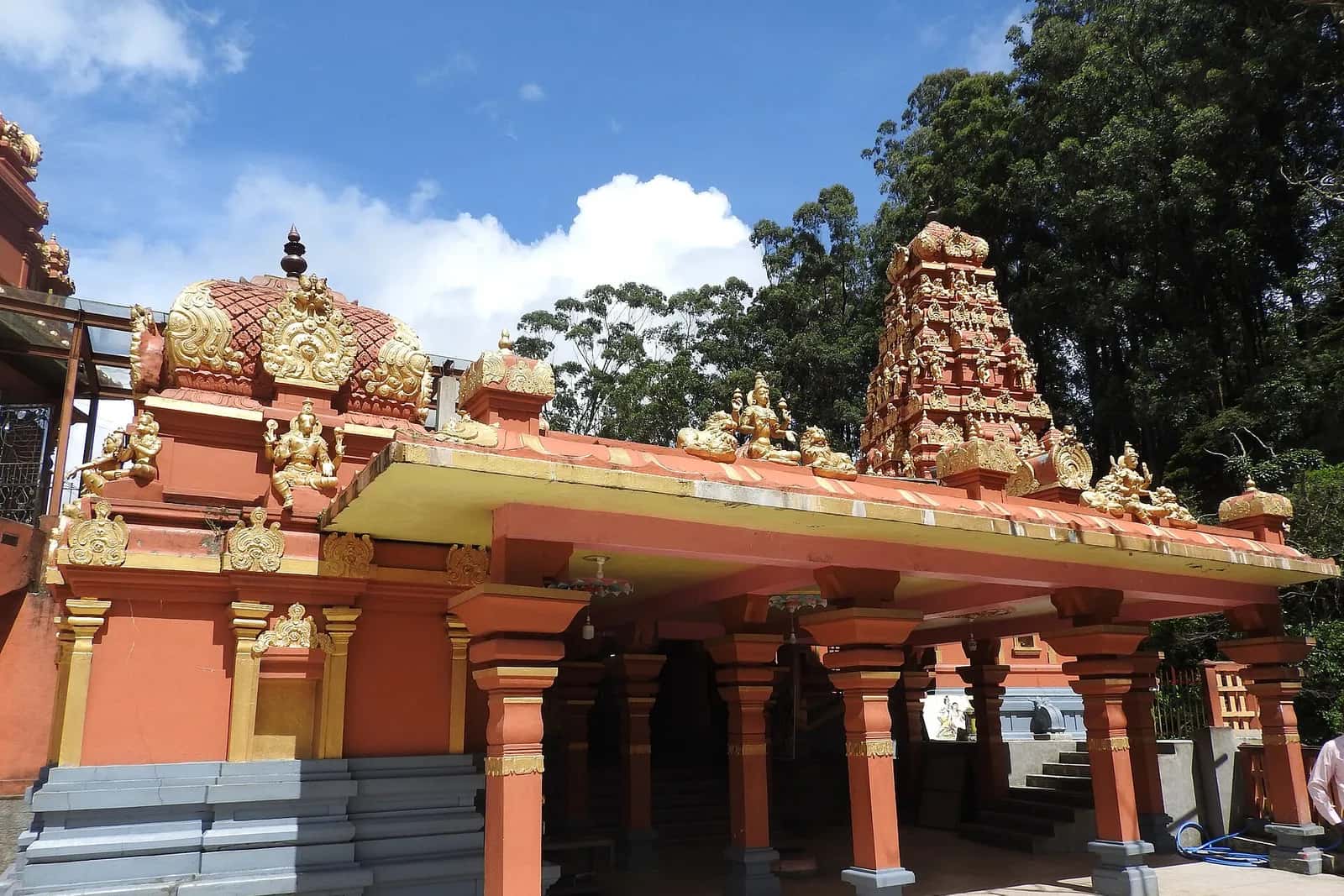
Seetha Amman Temple, Sri Lanka
A colourful Hindu temple at Seetha Eliya near Nuwara Eliya, the most visited stop on the Ramayana trail. Tradition says Sita was held nearby, and rocks by its stream are honoured as Hanuman's footprints.
Region
Kandy & the Hill Country
Best time
January to April
Time needed
1 hour
From the airport
≈ 4 h by road
The Seetha Amman Temple is a small, brightly painted Hindu temple at Seetha Eliya, beside the main road a few kilometres from Nuwara Eliya. For Hindu pilgrims, especially from India, it is the most visited stop on Sri Lanka's Ramayana trail.
According to tradition, this is close to where Sita was held captive by King Ravana and where she prayed for rescue. Round marks on the rock beside the stream behind the temple are revered as the footprints of Hanuman. These stories belong to faith and legend rather than recorded history, but the devotion here is very real.
What to see
- The shrines — colourful sculptures of Rama, Sita, Lakshmana and Hanuman, with a shrine dedicated to Sita.
- The stream — pilgrims say the water runs clear on the temple side. Many take a little home.
- The rock marks — the stones behind the temple that are honoured as Hanuman's footprints.
- The setting — misty hills and forest at around 1,800 metres, often cool even at midday.
Visiting tips
- Remove your shoes before entering and dress modestly, covering shoulders and knees.
- Priests may offer a blessing, and a small donation is customary.
- Morning puja is the most atmospheric time. Check times locally, as they can change.
- Bring a warm layer. It gets chilly and rain is common.
When to visit
The temple is open all year. January to April has the driest weather in the hills. It is busiest in April, when Sri Lankan holidaymakers fill Nuwara Eliya.
Getting there
The temple is on the Nuwara Eliya to Badulla road (A5), about 15 minutes by tuk-tuk from Nuwara Eliya town. It is easy to combine with Hakgala Botanical Garden, a few minutes further along the same road. See our Ramayana sites guide for the full trail.
Seetha Amman Temple: frequently asked questions
Is the Seetha Amman Temple really where Sita was held?
That is the belief of pilgrims and local tradition. There is no historical or archaeological evidence for it, but the site has deep religious meaning.
Do I have to pay to enter?
There is usually no fixed entry fee. Donations are welcome.
Map and getting there
Approximate road times (Sri Lanka’s roads are slow — allow extra time for traffic and stops): Colombo airport (CMB) ≈ 4 h · Kandy ≈ 1.5 h · Galle ≈ 4.5 h. For flexible door-to-door travel, consider a local driver.
Related travel guides
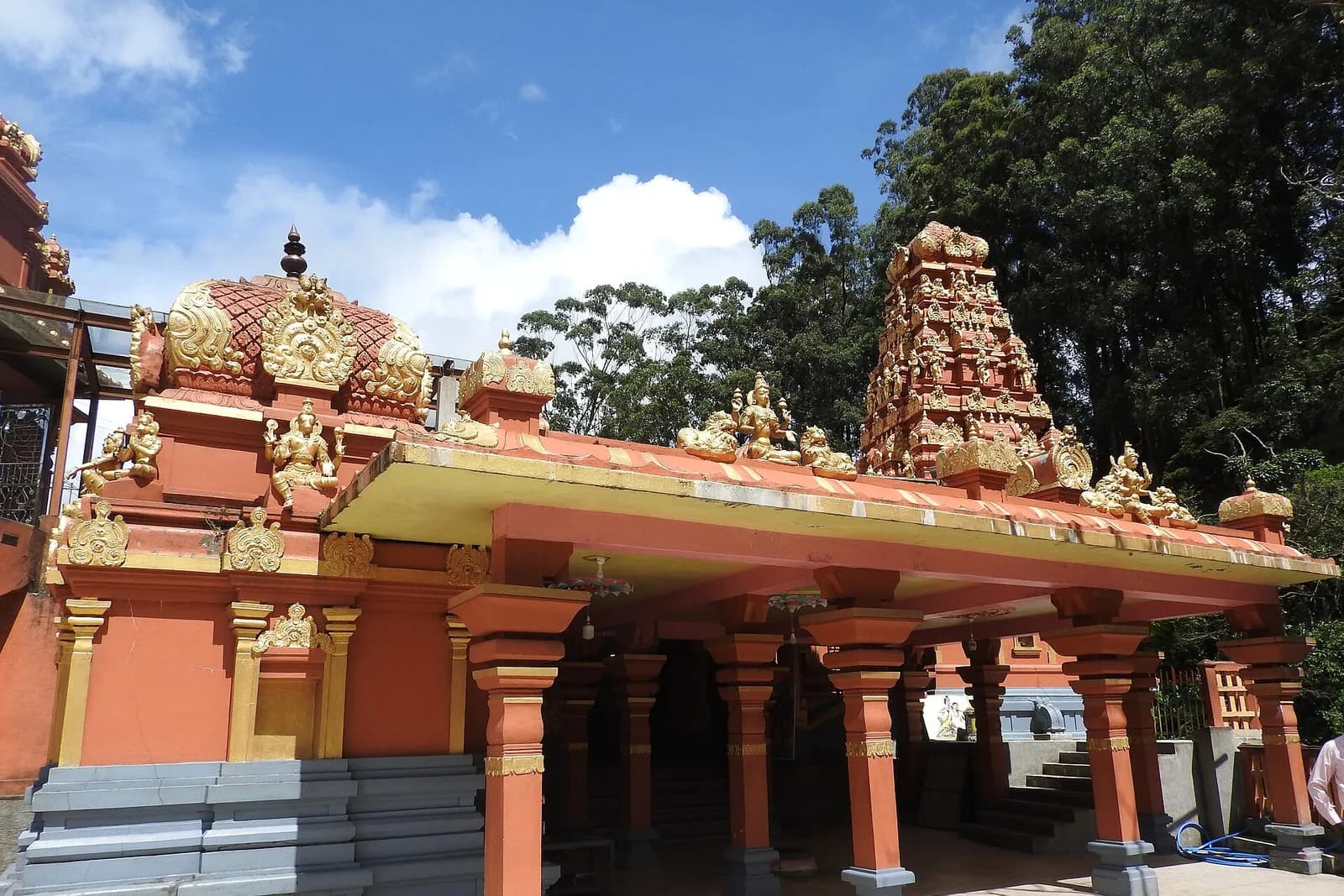
Ramayana Sites in Sri Lanka: The Places Linked with Rama, Sita and Ravana
For millions of Hindus, Sri Lanka is the Lanka of the Ramayana. Here are the temples, caves and landscapes linked with Rama, Sita, Hanuman and Ravana, and how to visit them.
12 Nov 2026· 3 min read
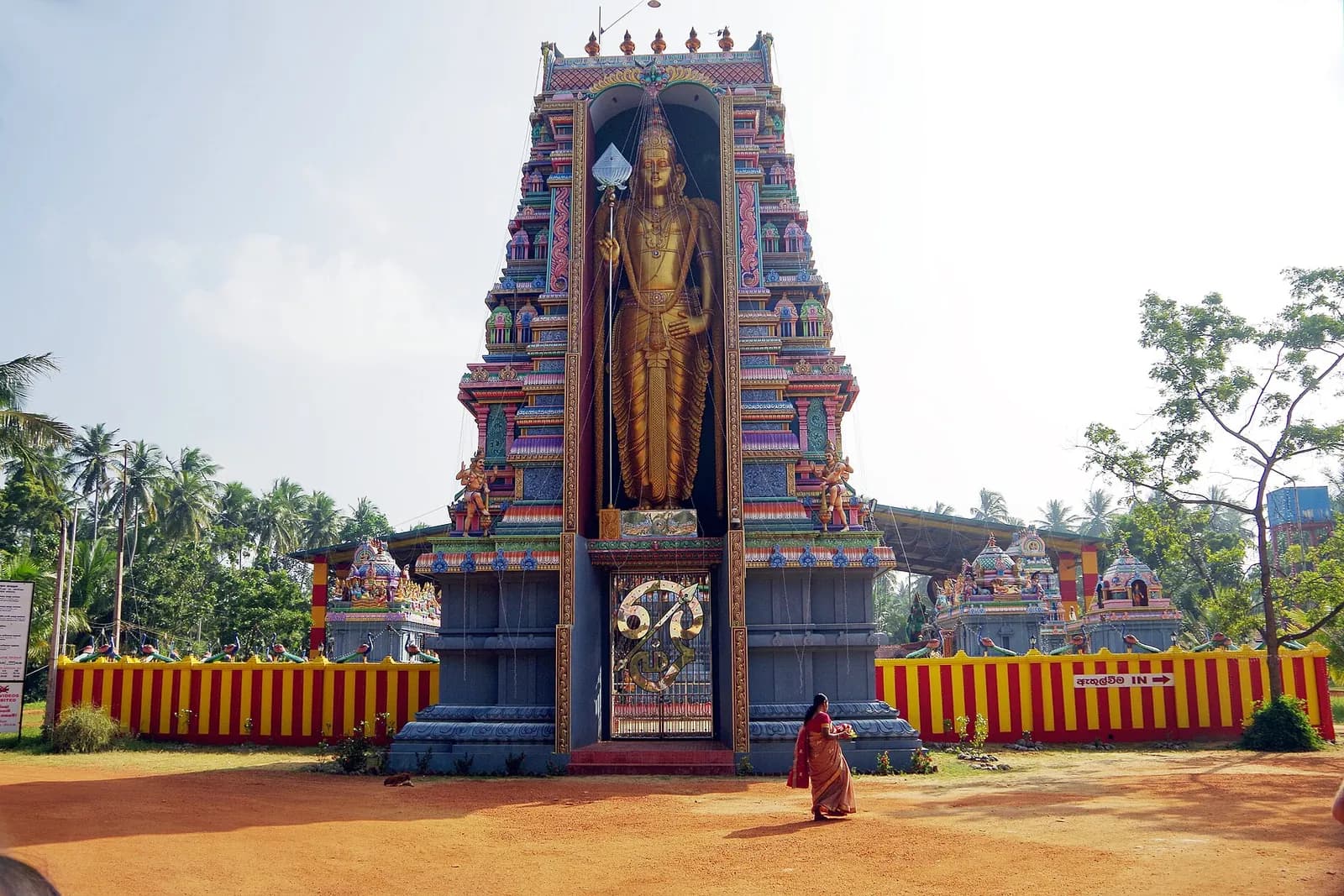
Ramayana Tour of Sri Lanka: A 7-Day Itinerary
Follow the Ramayana through Sri Lanka in one week, from Shiva's temple at Munneswaram to the hills where Sita is said to have been held and the southern coast of Hanuman's herbs.
12 Nov 2026· 3 min read
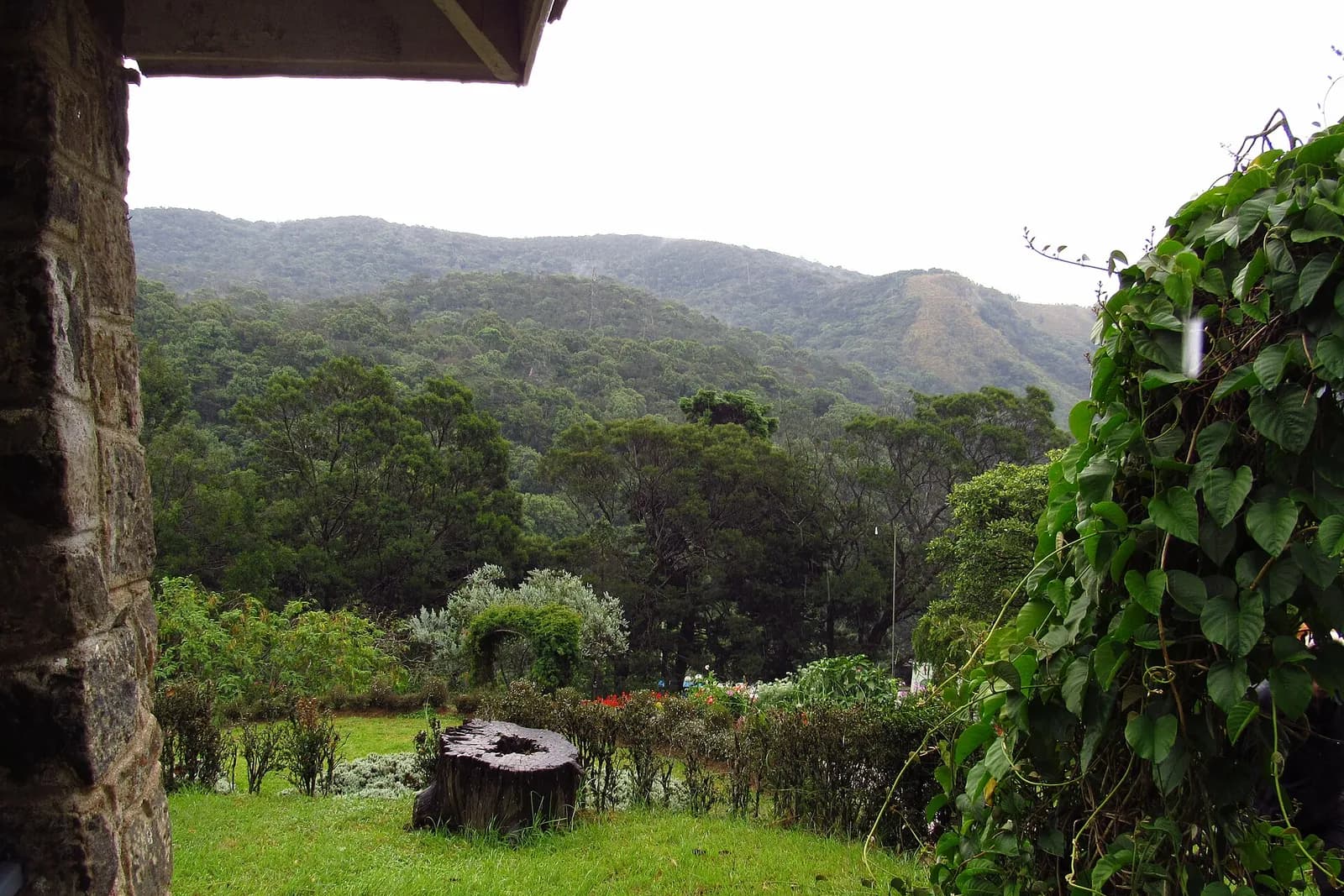
Ashok Vatika in Sri Lanka: Where It Is and How to Visit
Tradition places Ashok Vatika, the garden where Sita was held captive, in the hills near Nuwara Eliya. Here is where to find it, what you'll see and how to visit.
12 Nov 2026· 3 min read
More places near Seetha Amman Temple
natureKandy & the Hill Country
Hakgala Botanical Garden
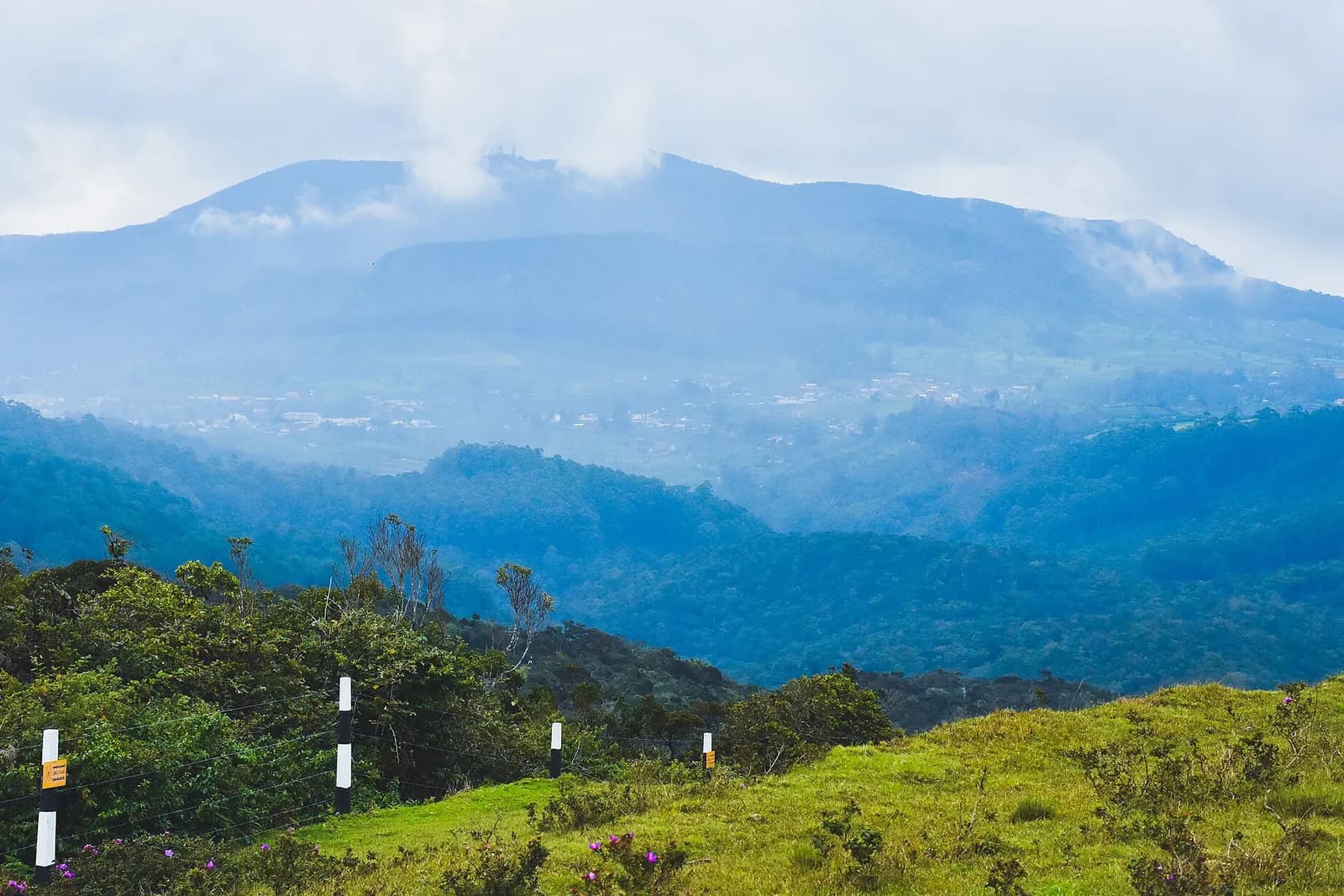
Cool, terraced botanical gardens below Hakgala Rock, founded in 1861 and known for roses and tree ferns. Tradition links the area with the Ashok Vatika of the Ramayana.
Best: January to April
 nature
Kandy & the Hill Country
Moon Plains (Nuwara Eliya)
A high grassy plateau just outside Nuwara Eliya, reached by a short jeep ride to a viewpoint that takes in several of Sri Lanka's highest peaks on a clear morning.
Best: January to April
 Hill country
Kandy & the Hill Country
Pedro Tea Estate
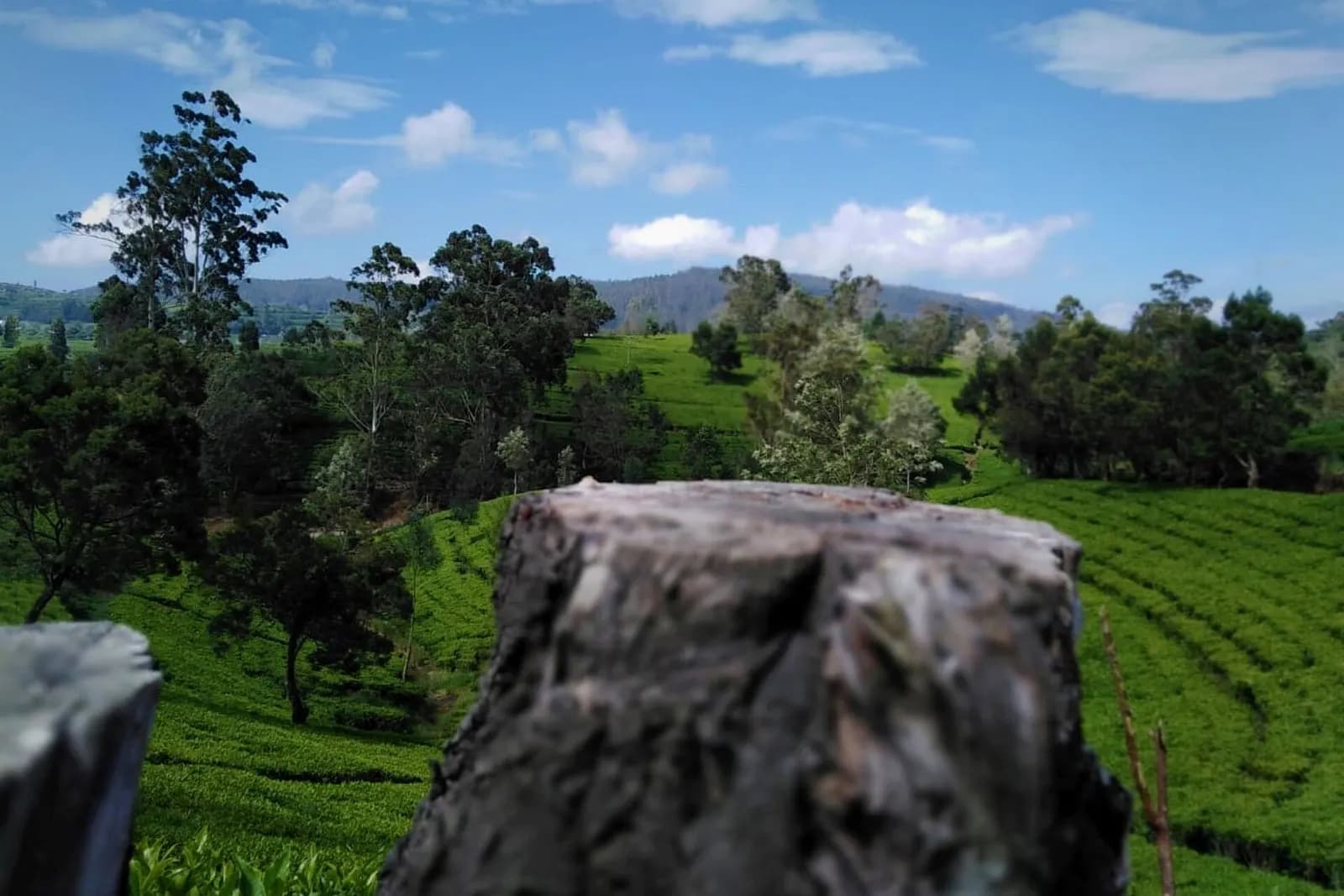
A working tea estate and factory a few kilometres from Nuwara Eliya, dating from the 1880s, with short factory tours and a tea room looking over the fields.
Best: January to April
Last updated November 2026. January to April for the clearest views; Adam’s Peak pilgrimage season runs December to May.