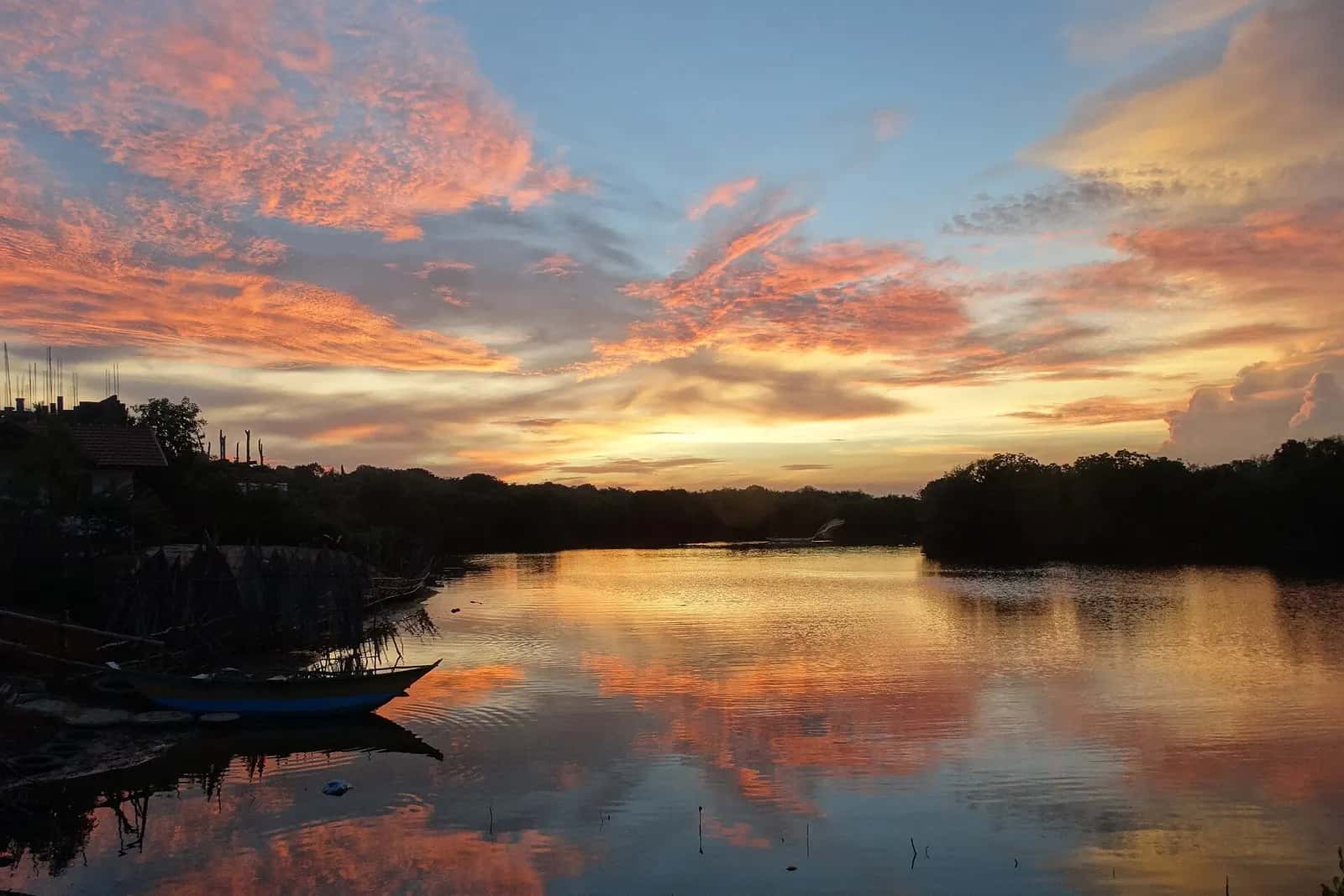
Rekawa Turtle Beach, Sri Lanka
A community-run conservation beach where green turtles come ashore to nest at night. Watching is guided, without torches or flash, and sightings are not guaranteed — which is how it should be.
Region
The South Coast
Best time
January to July
Time needed
An evening
From the airport
≈ 6 h by road
Rekawa is a long, wild beach about 10 km east of Tangalle, and one of the most important nesting sites for sea turtles in Sri Lanka. A community conservation project guards the beach, watching the nests here and leading small groups of visitors at night. Unlike the roadside hatcheries further along the coast, this is a chance to see a wild animal doing what it has always done.
Which turtles nest here?
Five species of sea turtle nest in Sri Lanka, and all are threatened. At Rekawa you're most likely to see the green turtle. Olive ridley, loggerhead, leatherback and hawksbill turtles also come ashore from time to time, but they're less common. Turtles can nest at any time of the year, although numbers vary with the season and the moon. Our sea turtle guide has more information on all five species.
What happens on a night watch
Visitors meet at the project hut near the beach at around 8 pm, buy a ticket and wait. Watchers walk the beach, looking for a turtle that has arrived. Only when she has started digging and laying will they call you down, as a turtle disturbed before this might turn back to sea without laying.
Then you'll walk along the dark sand in a group, and stand quietly at a distance as a ranger explains what's happening, using a dim red torch. You may watch her digging, laying eggs, covering the nest and then dragging herself back to the water. It can be a very moving experience.
Be prepared to wait
Nothing is guaranteed, and that's how it should be. You might wait for 10 minutes or for 3 hours, and some nights no turtles come at all. Bring a book, some snacks, insect repellent and a light jacket for the sea breeze. Rangers usually finish by around midnight, or earlier if it's quiet, but check the current arrangements locally.
The rules
- No flash photography, no phone lights, no torches. Bright light disorients turtles and hatchlings.
- Stay behind the ranger, and never stand between a turtle and the sea.
- Don't touch her or sit on the nest.
- Stay quiet. Sound carries further than you'd think on an open beach.
If you've come to get photos, you're likely to be disappointed. It's dark, and that's the point of it.
Rekawa or a hatchery?
Many hatcheries along the coast take eggs from their natural nests and keep hatchlings in tanks to show off to tourists. These animals may be released at unnatural times, which experts say can reduce their chances of survival. Rekawa protects turtles where they actually nest, and your entrance fee helps pay the watchers. Our responsible travel guide explains more.
When to go
You can visit all year round, but the clearest nights tend to be between December and April. The monsoon months can be wetter and windier. Dark nights around the new moon are generally better than nights around the full moon.
Getting there
The beach is about 20 minutes by tuk-tuk from Tangalle. Ask your driver to wait for you, because finding a ride back late at night isn't easy. Most guesthouses can arrange it, and also tell you about the most recent sightings. Nearby Mulkirigala and Hummanaya blowhole make good daytime stops.
Rekawa Turtle Beach: frequently asked questions
Will I definitely see a turtle at Rekawa?
No, but your chances are often quite good. Be ready to wait for a few hours, and accept that some nights none appear.
Can I take photos at Rekawa?
Flash photography and phone lights aren't allowed. Keep your phone in your pocket, and enjoy the moment.
Is Rekawa suitable for children?
Yes, for children who can stay quiet and cope with a late night. Keep them close, since it's dark on the beach.
Map and getting there
Approximate road times (Sri Lanka’s roads are slow — allow extra time for traffic and stops): Colombo airport (CMB) ≈ 6 h · Kandy ≈ 5 h · Galle ≈ 2.5 h. For flexible door-to-door travel, consider a local driver.
Related travel guides
Sri Lanka with Kids: A Family Travel Guide
Elephants, trains through the clouds, turtles and calm beaches — Sri Lanka is a brilliant family destination. Here's how to plan a trip that works for kids and parents.
12 Nov 2026· 2 min read
Sea Turtles in Sri Lanka: Where to See Them Responsibly
Five of the world's seven species of sea turtle nest on Sri Lanka's beaches. Here's how to see them in the wild — and how to tell an ethical turtle project from a tourist trap.
12 Nov 2026· 2 min read
Sri Lanka Honeymoon Guide: Romantic Itinerary and Ideas
Jungle lodges, tea bungalows, sunset safaris and secluded beaches — Sri Lanka makes a perfect honeymoon. Here's a romantic two-week route and the experiences couples love most.
5 Nov 2026· 2 min read
More places near Rekawa Turtle Beach
 beach
The South Coast
Tangalle
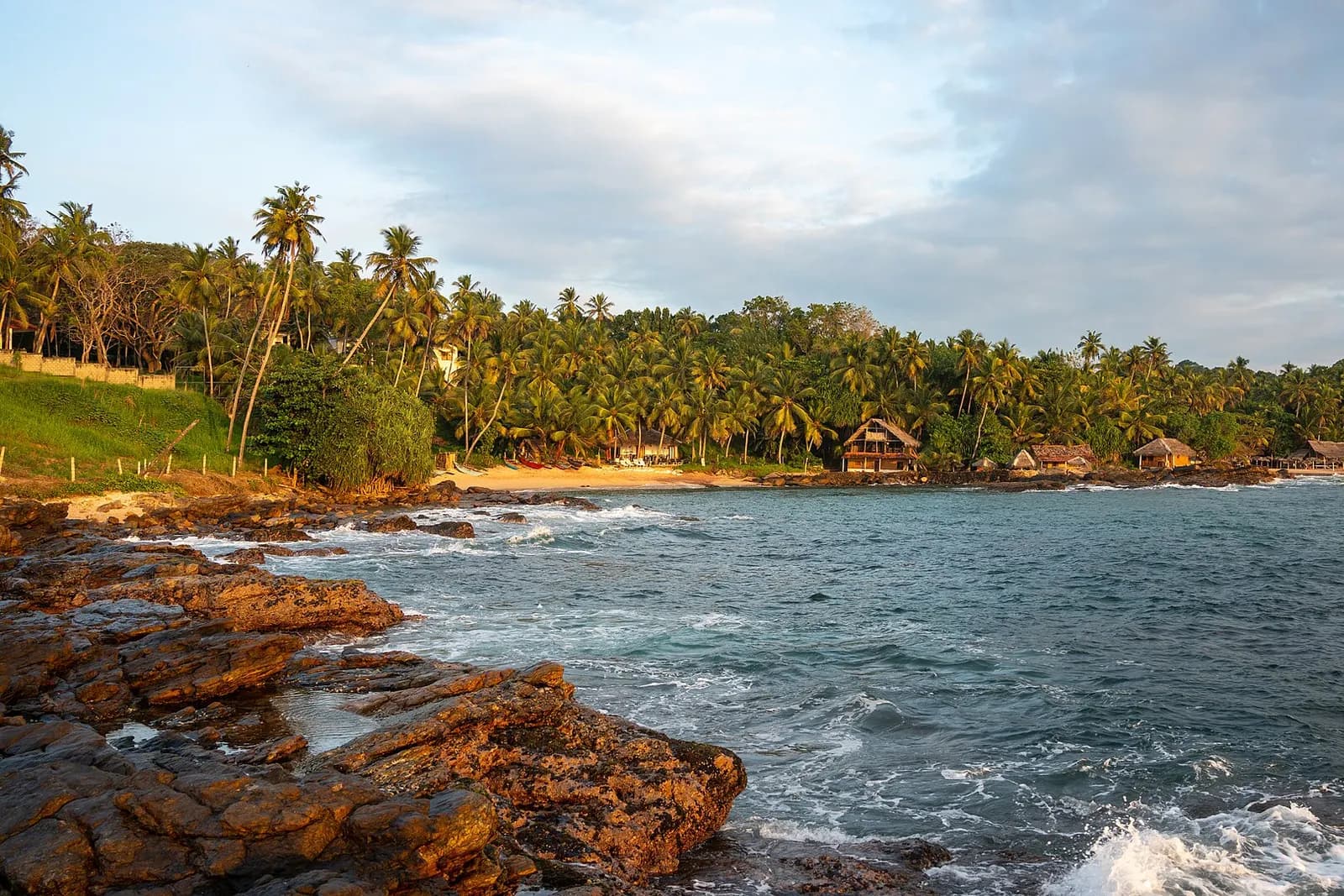
Long, wild beaches and quiet guesthouses for travellers who want space. Currents can be strong, so swim only in sheltered coves. Rekawa turtle beach and the Mulkirigala rock temple are close by.
Best: December to April
 religious
The South Coast
Mulkirigala Rock Temple
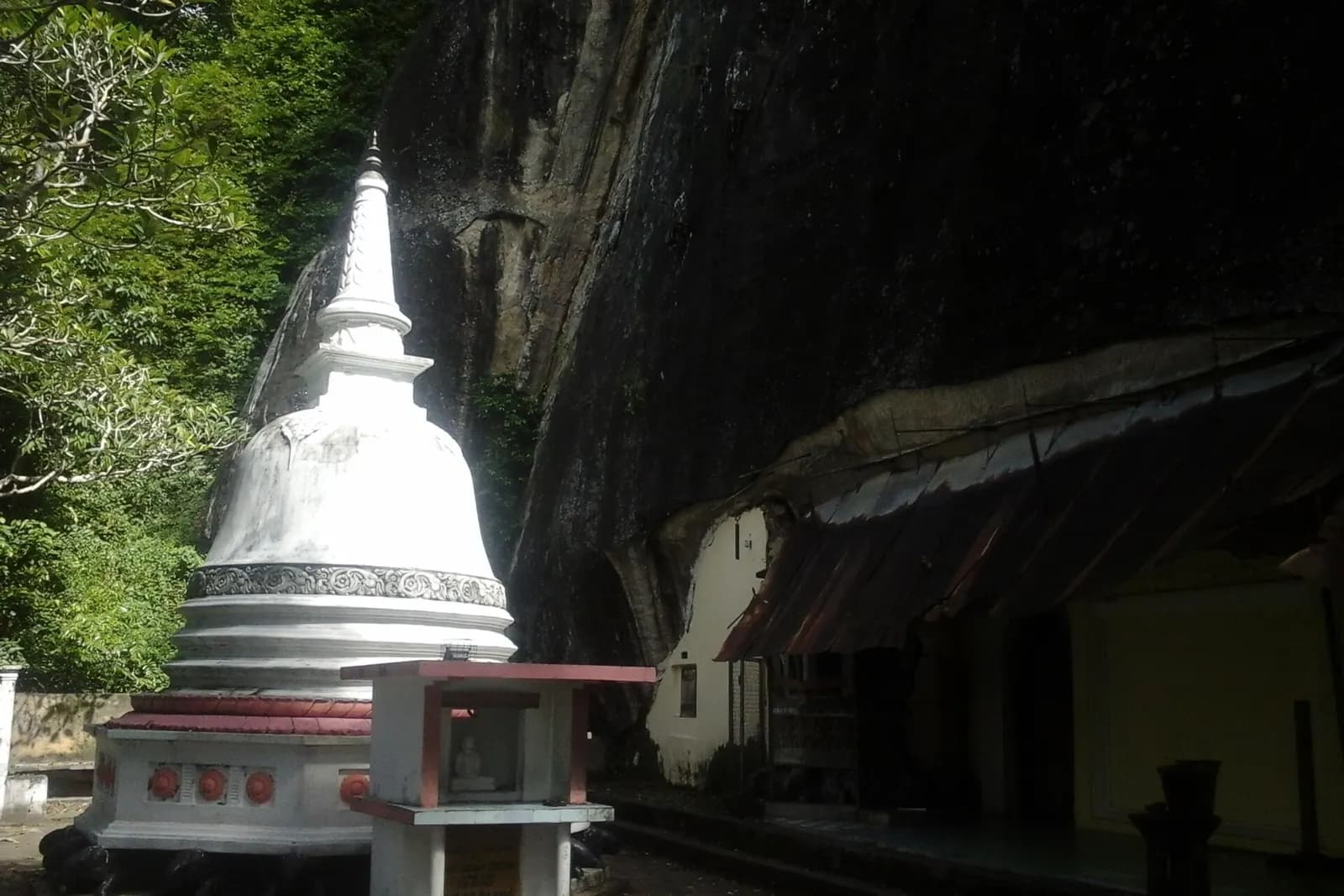
A series of cave temples stacked up a 200-metre rock, sometimes called 'little Sigiriya', with reclining Buddhas and Kandyan-period murals. Climb in the early morning for cooler steps and wide views.
Best: December to April
 nature
Yala, Udawalawe & the Deep South
Ussangoda National Park
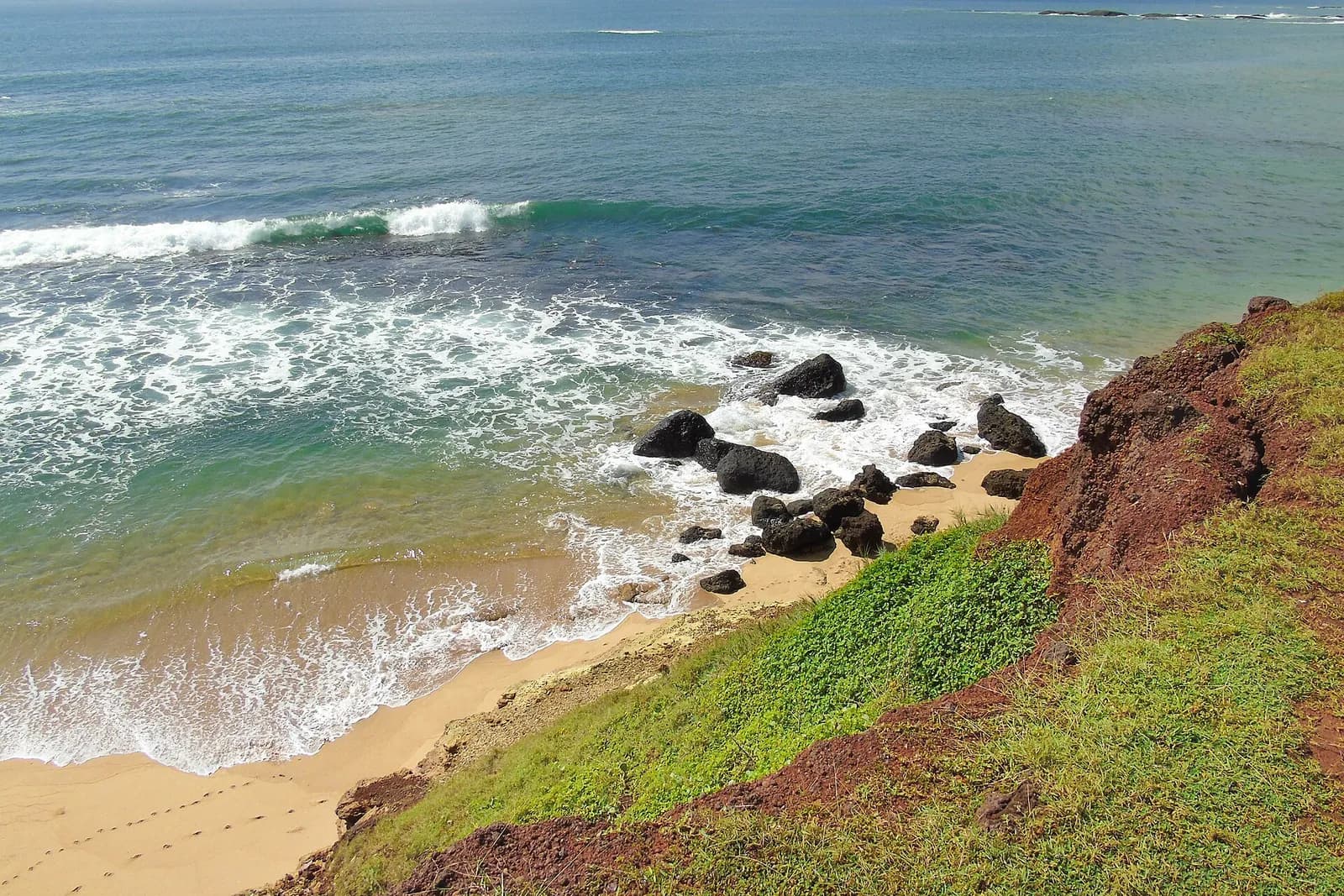
A tiny coastal national park of rust-red earth and stunted plants above the sea. Legend makes it the landing place of Ravana's flying chariot; science points to iron-rich soil.
Best: December to April
Last updated November 2026. December to April. Whale watching from Mirissa runs November to April.