Wildlife
Sea Turtles in Sri Lanka: Where to See Them Responsibly
Five of the world's seven species of sea turtle nest on Sri Lanka's beaches. Here's how to see them in the wild — and how to tell an ethical turtle project from a tourist trap.
By Sri Lanka Travel Guides Editorial TeamUpdated 5 November 20262 min read
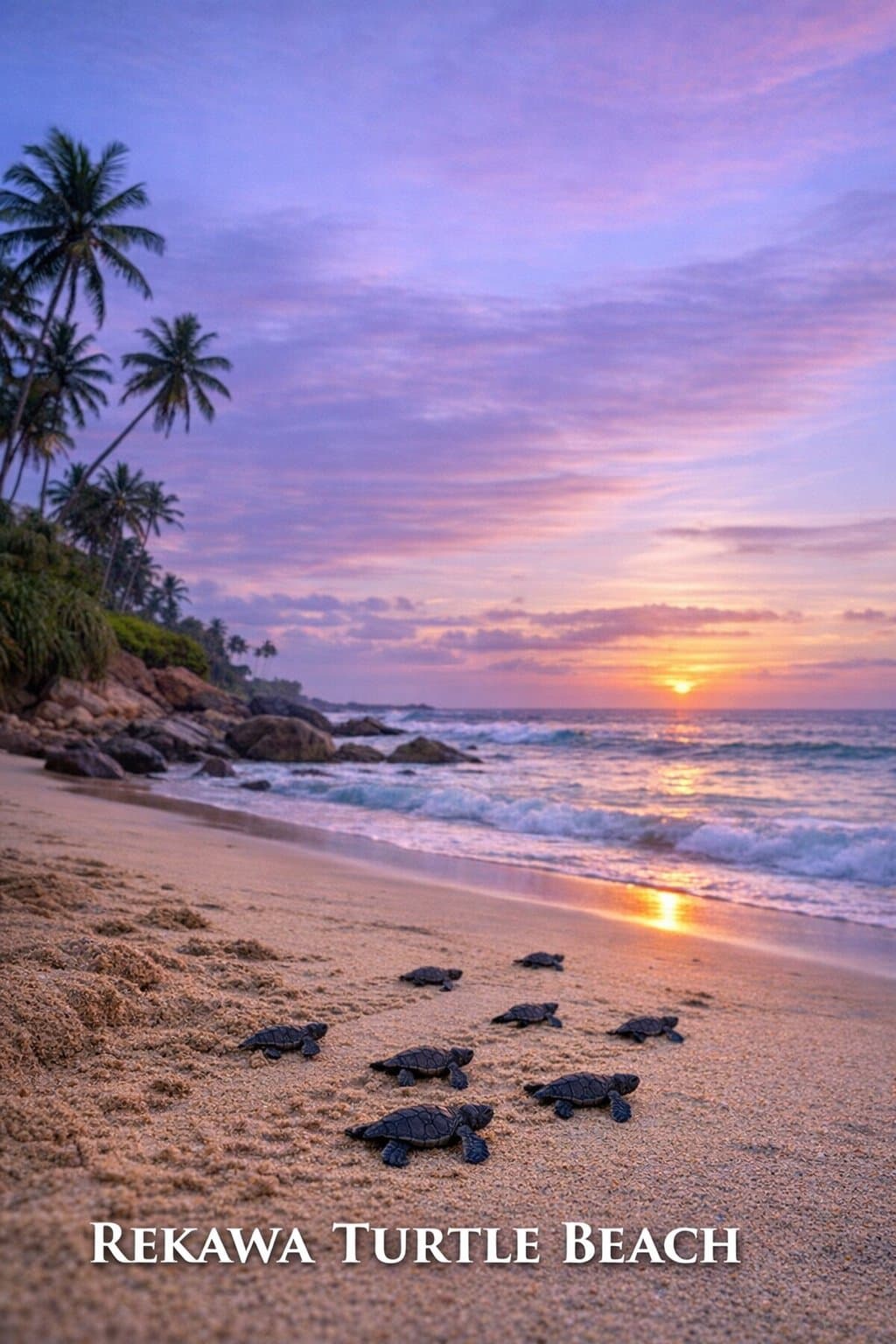
Sri Lanka is one of the few places in the world where five species of sea turtle come ashore to nest: the green turtle, olive ridley, leatherback, hawksbill and loggerhead. Watching a turtle lay her eggs on a moonlit beach, or swimming beside one on a reef, is unforgettable. But turtles are endangered, so how you see them matters.
Night turtle watching at Rekawa
Rekawa Beach, near Tangalle on the south coast, is one of the most important nesting beaches in Sri Lanka. A community-based conservation project there runs night turtle watches: guides patrol the beach, and when a turtle comes ashore and starts laying, visitors are called to watch quietly from a distance.
- When: turtles nest year-round, with green turtles most common. Watches typically run from evening into the night.
- How it works: pay a small fee at the project office, then wait — it can take minutes or hours for a turtle to arrive. Sightings are not guaranteed.
- Rules: no flash, no torches (except the guides' red lights), stay behind the guide and keep quiet.
See our south coast itinerary for nearby places to stay.
Snorkelling with turtles
Green turtles feed on seagrass and algae close to shore in several places on the south coast:
- Polhena Beach near Matara, inside a protected reef lagoon.
- Hikkaduwa coral sanctuary — turtles regularly visit the shallows near the beach.
- Pigeon Island near Trincomalee, in the east coast season.
Keep at least a few metres away, never touch or chase turtles and never feed them. At Hikkaduwa, turtles are sometimes fed seaweed by people in the water — this changes their natural behaviour, so please don't join in. Read our snorkelling and diving guide.
Turtle hatcheries: are they ethical?
Along the west and south coasts, especially around Kosgoda and Induruwa, you'll see many roadside turtle hatcheries. They buy eggs that might otherwise be eaten or sold, rebury them and release the hatchlings. Some are run responsibly, but there are serious concerns with others:
- hatchlings kept in tanks for days or weeks for tourists to see and handle — this uses up the energy reserves they need to swim out to sea;
- adult turtles kept in small tanks as attractions;
- releasing hatchlings in daylight in front of tourists, when they're easy prey.
If you visit a hatchery, choose one that releases hatchlings promptly at night, doesn't let visitors handle turtles and doesn't keep adults in tanks. Better still, support beach-based projects like Rekawa that protect nests in their natural place.
Threats to turtles
- Egg poaching and the illegal trade in turtle meat and shells.
- Fishing nets and plastic pollution.
- Beachfront lights, which disorient hatchlings.
- Development on nesting beaches.
How to help: don't buy anything made from turtle shell (it's illegal anyway), keep lights off on nesting beaches at night, reduce plastic and support community conservation projects. See our responsible travel guide.
Frequently asked questions
Where can I see turtles nesting in Sri Lanka?
At Rekawa Beach near Tangalle, where a community conservation project runs night turtle watches.
Where can I snorkel with turtles in Sri Lanka?
At Polhena near Matara, Hikkaduwa's coral sanctuary, and Pigeon Island near Trincomalee in season.
Are turtle hatcheries in Sri Lanka good?
Some are, but many keep hatchlings in tanks for tourists. Choose projects that release hatchlings promptly at night and don't allow handling.
Turn this into a plan
Our free AI trip planner builds a day-by-day Sri Lanka itinerary for your dates, with realistic travel times.
Plan my tripQuestions & comments
Share a tip or ask a question. Comments are moderated.
- No comments yet — be the first.
Keep planning
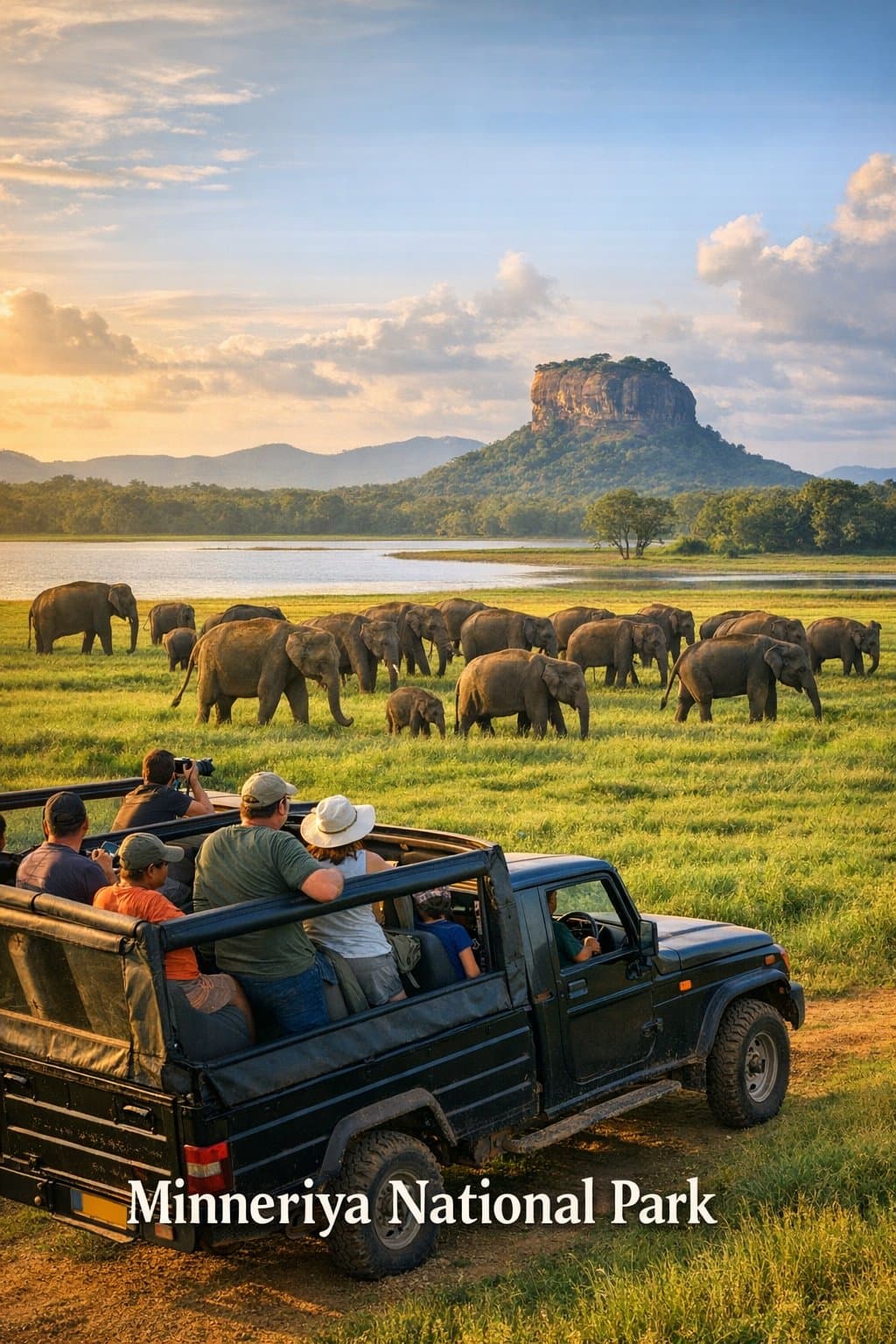
Seeing Elephants in Sri Lanka: The Best Parks and Ethical Choices
Sri Lanka has one of the highest densities of wild Asian elephants on Earth. Here's where to see them in their natural home — and which elephant experiences to avoid.
5 Nov 2026· 2 min read
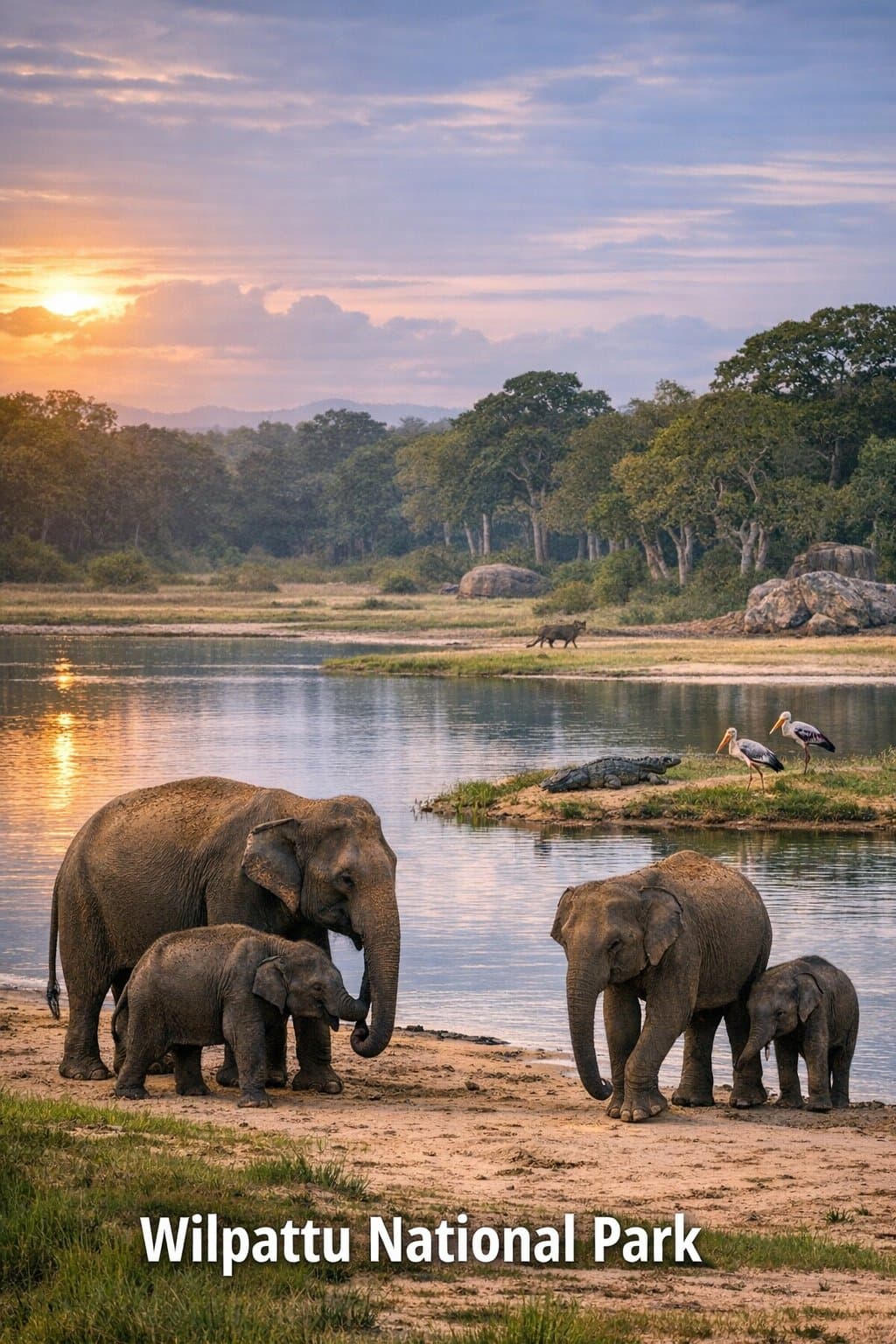
Where to See Leopards in Sri Lanka
Sri Lanka is one of the best places in the world to see wild leopards. Here's where to go, when, and how to give yourself the best chance of a sighting.
5 Nov 2026· 2 min read

Birdwatching in Sri Lanka: Endemic Birds and the Best Sites
Sri Lanka is one of Asia's best birding destinations — more than 30 endemic species, huge flocks of winter migrants and parks full of waterbirds. Here's where to go.
5 Nov 2026· 2 min read