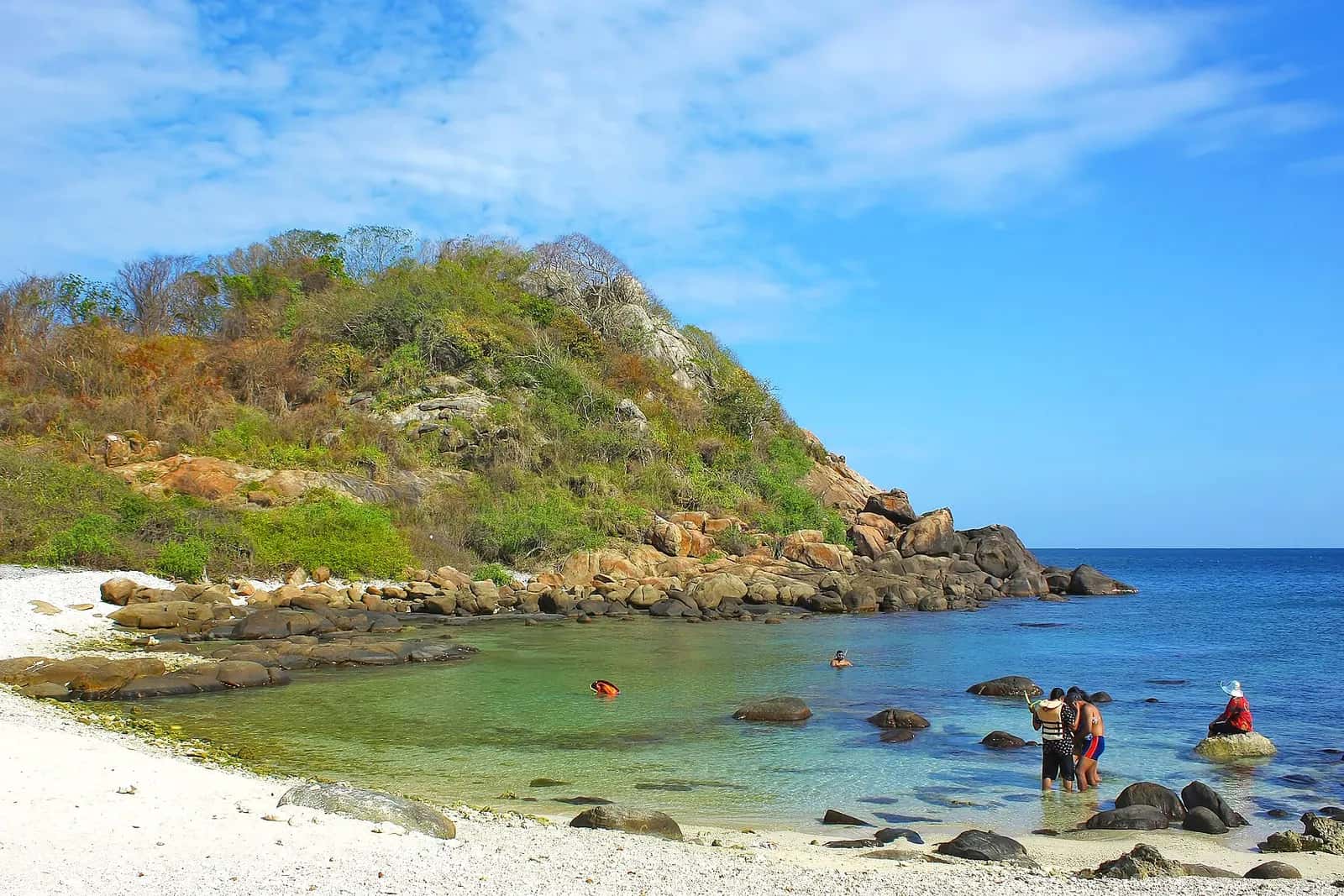
Pigeon Island National Park, Sri Lanka
A marine national park off Nilaveli with coral, reef fish and blacktip reef sharks in shallow water. Go early, don't touch or stand on coral, and use reef-safe sunscreen.
Region
The East Coast
Best time
May to September
Time needed
Half a day
From the airport
≈ 8.5 h by road
Pigeon Island is a small marine national park about a kilometre off Nilaveli Beach on the east coast. It's named after the rock pigeons that nest here, but it's best known for what's in the water: some of the most accessible coral and reef fish in Sri Lanka, as well as blacktip reef sharks that patrol the shallows.
What you'll see
The park consists of two small islands and a fringing reef. Snorkelling starts right from the shore in shallow water.
- Reef fish in big numbers, including parrotfish, surgeonfish, angelfish and clownfish
- Blacktip reef sharks, usually a metre or so long, are common in the shallows, especially in the morning. They are shy and aren't a danger, provided you leave them alone.
- Turtles are occasionally seen in deeper water.
- Corals, including table and staghorn species, are still impressive in places, but they've been hit hard by bleaching and damage from visitors, so expect some bare patches.
There's a short path up to a viewpoint on the larger island, too, if you need a break from the water.
Protecting the reef
This is one of the most heavily visited reefs in the country, and it shows. You can help:
- Never stand on or touch the coral, even if you feel tired. Floating with a life jacket is far better.
- Use reef-safe sunscreen, or better still wear a rash top.
- Don't feed or chase the fish and sharks.
- Take all your rubbish back with you, as plastic is a real problem here.
Our responsible travel guide has more ideas on how to travel lightly.
When to go
- May to September is the season, with calm, clear water and sunny skies.
- March and April can also be good, as the seas are settling.
- October to January is the time of the north-east monsoon, and boats often don't run, as the sea is rough and visibility poor.
Get there early, between 8 and 9 am if you can. By late morning the sheltered bay can feel crowded with boats, and the water gets stirred up. Weekends and school holidays are especially busy. Hot season also makes the sand burn, so bring shoes you can walk in.
Boats and tickets
Boats leave from the beach at Nilaveli, and the trip only takes around 10 to 15 minutes. You'll usually pay separately for two things:
- The boat (agree a price and a return time in advance, and check for lifejackets).
- The national park ticket, which you buy at the wildlife office near the beach and which is priced per person.
Hotels and guesthouses in Nilaveli and Uppuveli can organise the whole thing, and it may be easier that way. Bring your own mask if you've got one, as rental gear varies in quality. A visit of 2 to 3 hours on the island is plenty.
Non-swimmers can get a lot out of the trip too, with a life jacket in the shallows, although you may want a guide with you. See our snorkelling and diving guide to compare it with other reefs.
Pigeon Island National Park: frequently asked questions
Are the sharks at Pigeon Island dangerous?
Blacktip reef sharks here are small and timid. Serious incidents are very rare, but don't chase, touch or feed them.
How long does it take to get to Pigeon Island?
Around 10 to 15 minutes by boat from Nilaveli Beach.
Is Pigeon Island good for beginners?
Yes, as the best coral begins in shallow water close to the beach. Wear a life jacket if you aren't a confident swimmer, and never stand on the reef.
Map and getting there
Approximate road times (Sri Lanka’s roads are slow — allow extra time for traffic and stops): Colombo airport (CMB) ≈ 8.5 h · Kandy ≈ 6.5 h · Galle ≈ 12 h. For flexible door-to-door travel, consider a local driver.
Related travel guides

The Perfect 2-Week Sri Lanka Itinerary (With a Summer Version)
Two weeks is the ideal length for a first trip. This route covers ancient cities, tea country, the famous train, a safari and the beach — without spending every day in a car.
12 Nov 2026· 3 min read
Sri Lanka in May and June: Monsoon, Vesak and the East Coast
The south-west monsoon arrives in late May, and the action moves east. Add the lanterns of Vesak and low-season prices, and these can be rewarding months.
12 Nov 2026· 3 min read
Sea Turtles in Sri Lanka: Where to See Them Responsibly
Five of the world's seven species of sea turtle nest on Sri Lanka's beaches. Here's how to see them in the wild — and how to tell an ethical turtle project from a tourist trap.
12 Nov 2026· 2 min read
More places near Pigeon Island National Park
beachThe East Coast
Nilaveli Beach
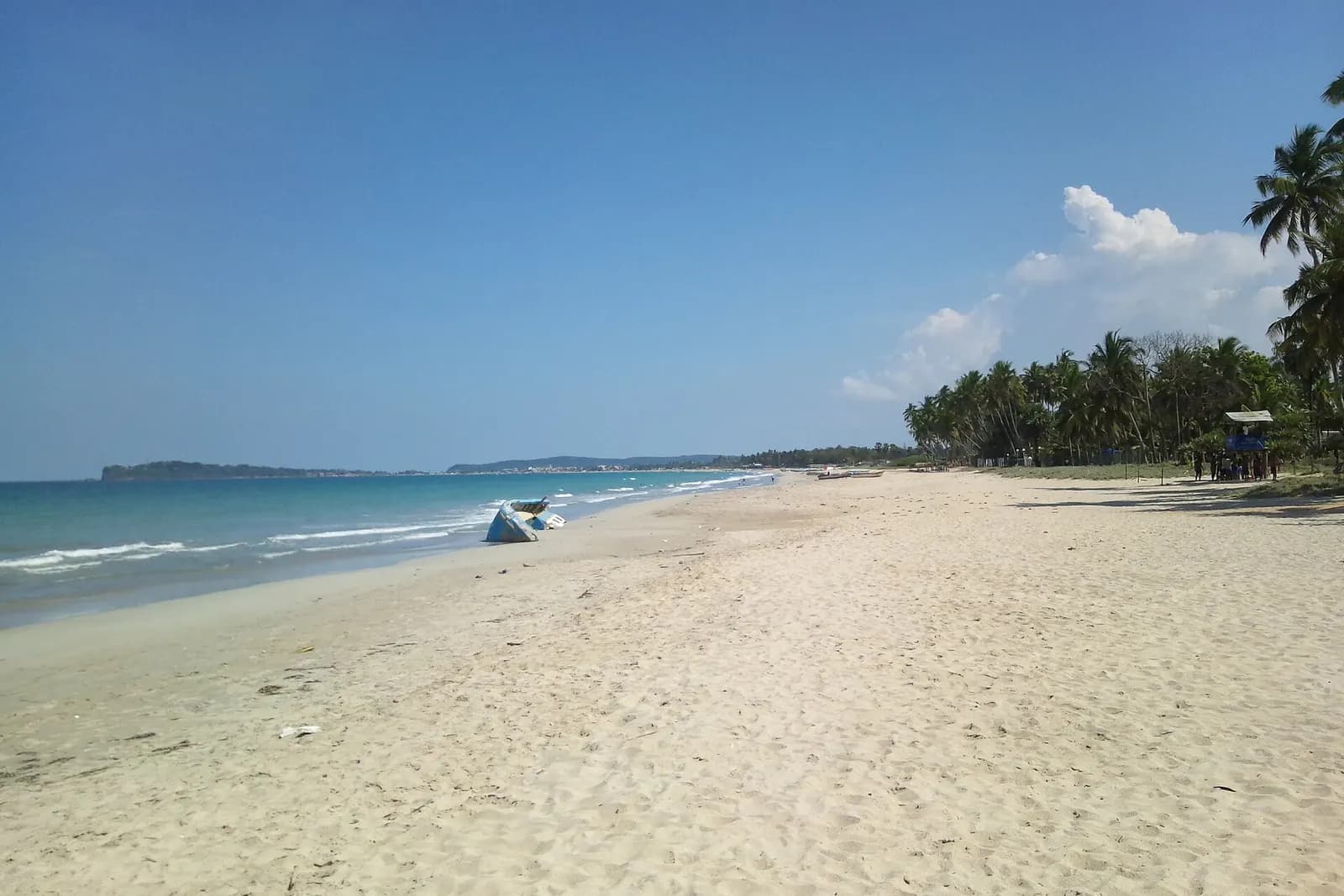
A long, quiet stretch of pale sand north of Trincomalee, with calm sea in season and boats out to Pigeon Island. Good for families and slow beach days.
Best: May to September
 nature
The East Coast
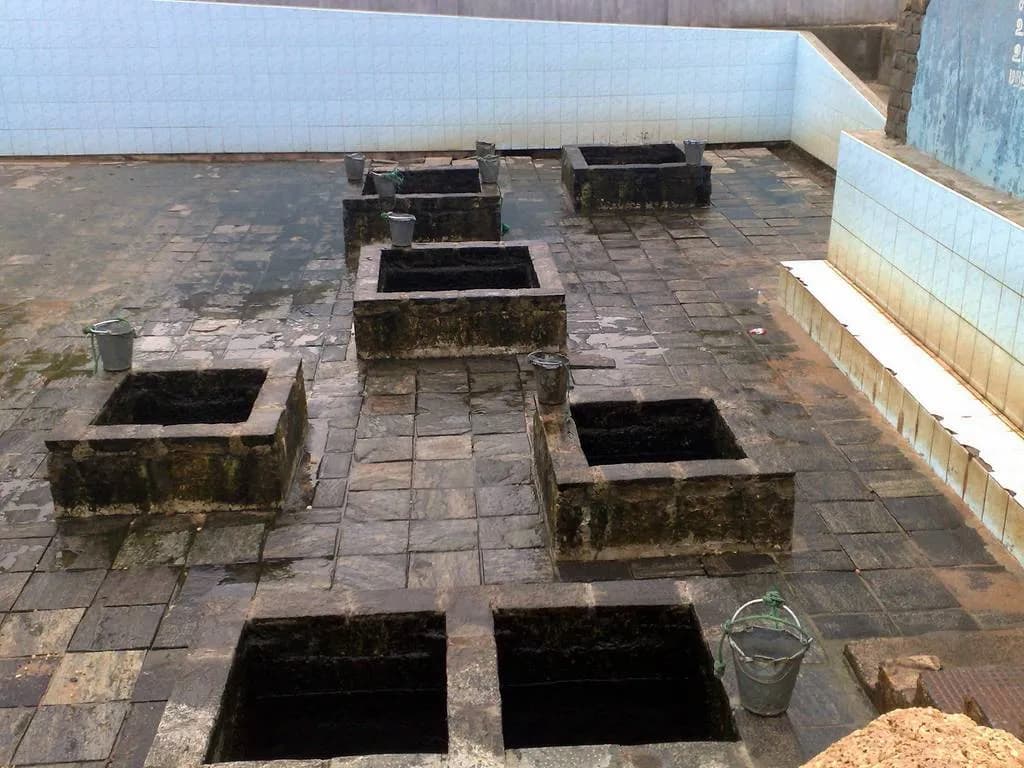
Kanniya Hot Springs
Seven small wells of warm water near Trincomalee, where visitors pour buckets over themselves. Legend says Ravana struck the ground with his sword to create them.
Best: May to September
 beach
The East Coast
Uppuveli Beach
A relaxed beach village just north of Trincomalee town with guesthouses, beach restaurants and easy access to dive and whale-watching trips.
Best: May to September
Last updated November 2026. May to September (the opposite season to the south and west coasts).