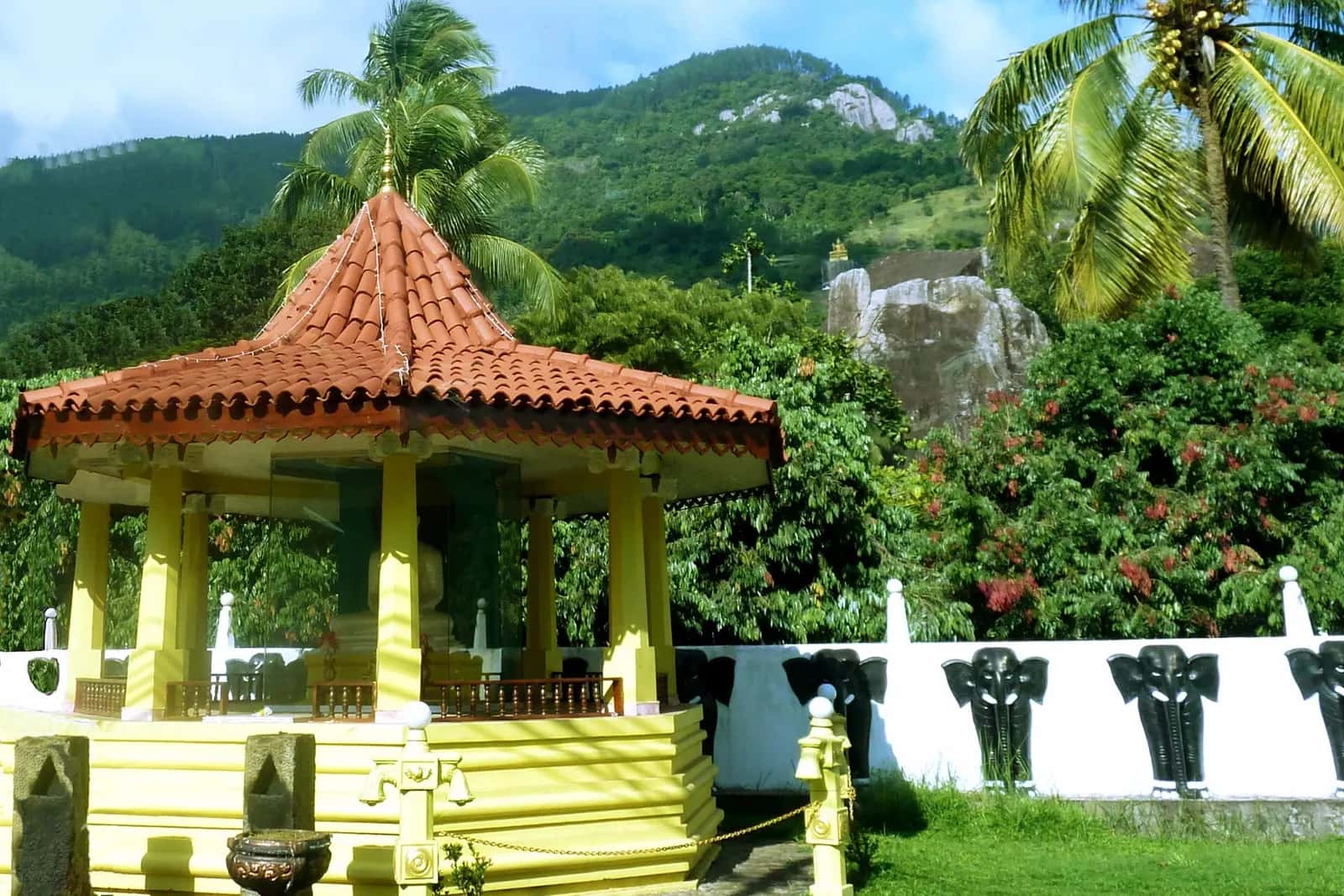
Aluvihare Rock Temple, Sri Lanka
A cave monastery just north of Matale where the Buddhist scriptures were first written down, on palm leaves, in the 1st century BC. An easy stop between Kandy and Dambulla.
Region
The Cultural Triangle
Best time
February to September
Time needed
45 minutes
From the airport
≈ 3.5 h by road
Aluvihare is a cave monastery set among huge boulders beside the main road, about 3 km north of Matale and 30 km from Kandy. It holds a special place in Buddhist history. In the 1st century BC, monks gathered here to write down the teachings of the Buddha, which until then had been passed on only by memory. The text they produced, the Pali Canon or Tripitaka, became the foundation of Theravada Buddhism.
Why it happened here
The chronicles say that during the reign of King Valagamba, the island suffered invasion and a terrible famine. So many monks died that the survivors feared the teachings would be lost for good. Five hundred monks are said to have met at Aluvihare, and they wrote the whole canon on palm leaves.
The library they created survived for nearly two thousand years. Then, during the Matale rebellion of 1848, British troops damaged the temple, and much of the collection was destroyed. Monks spent the following decades patiently writing it out again.
What to see
- The cave shrines. Narrow steps wind between the boulders to several caves, with reclining Buddhas, painted ceilings and lotus designs.
- The hell cave. One cave contains graphic paintings and figures showing the punishments of sinners in the afterlife. They are gruesome, and parents may wish to look first before taking children in.
- The Buddhaghosa cave. Dedicated to the great 5th-century Indian scholar monk who is said to have worked here on his commentaries.
- The stupa on the rock. A short climb leads to a small stupa and a viewpoint over the Matale valley.
- Palm-leaf writing. In the small museum, a monk or attendant often demonstrates how texts are inscribed on dried ola leaves with a metal stylus and then rubbed with ink. For a small donation, you can have your name written.
Visiting
Foreign visitors pay an entrance fee. Dress modestly, and remove your shoes and hat. The steps and rock are uneven, and they get hot, so socks help. Allow 45 minutes.
Morning or late afternoon is the most comfortable time. The temple is right on the A9 highway between Kandy and Dambulla, so most people stop on the way north to Sigiriya. Buses along the road stop outside.
Nearby
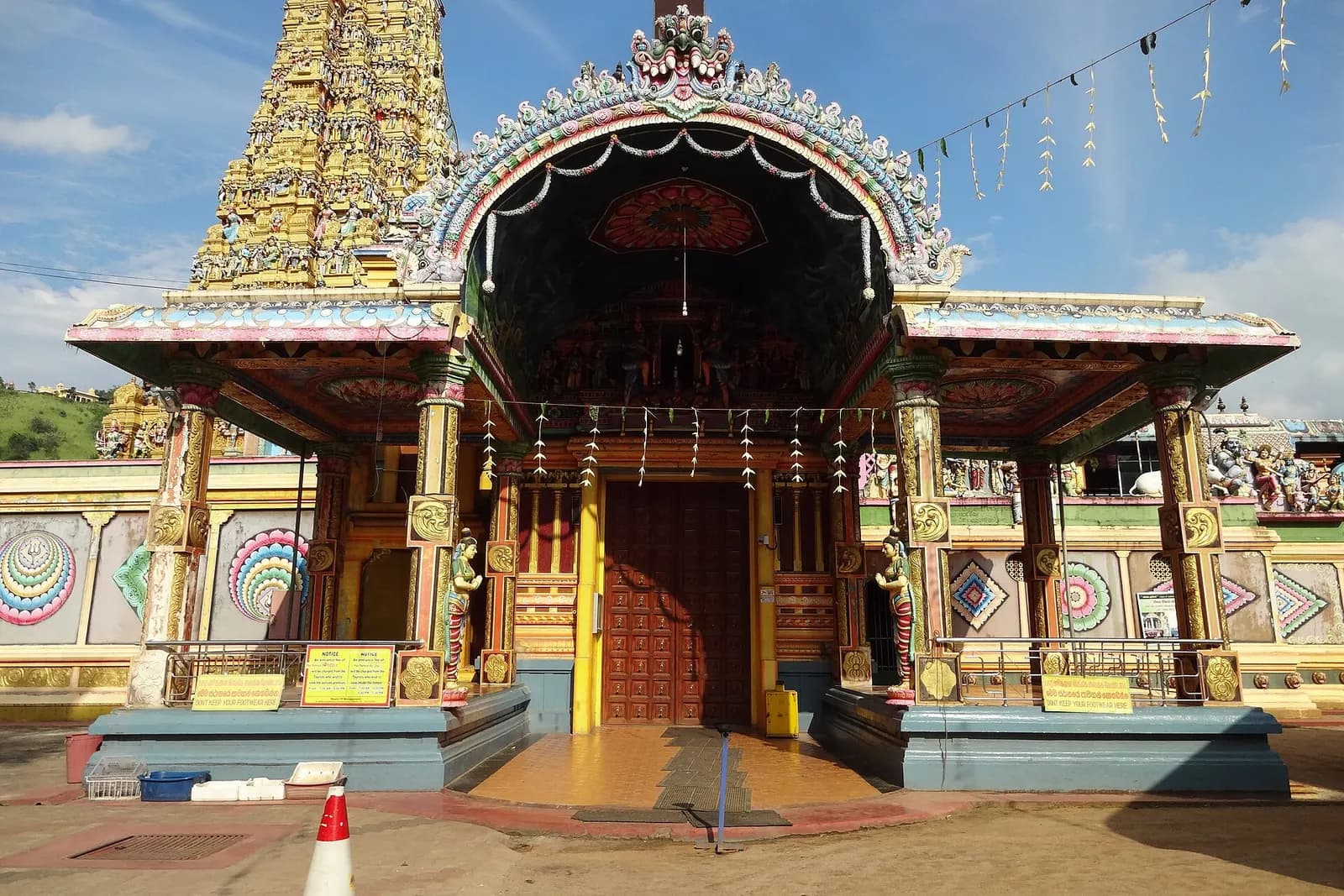
The spice gardens of Matale line the same road. Nalanda Gedige, a rare stone temple, is further north, and the colourful Sri Muthumariamman Hindu temple is in Matale town. See our Cultural Triangle itinerary for how to link these stops.
Aluvihare Rock Temple: frequently asked questions
Why is Aluvihare important?
It is where the Buddhist scriptures were first written down, in the 1st century BC.
How far is Aluvihare from Kandy?
About 30 km, or roughly an hour by road.
Is there an entrance fee at Aluvihare?
Yes, foreign visitors pay a fee at the entrance.
Map and getting there
Approximate road times (Sri Lanka’s roads are slow — allow extra time for traffic and stops): Colombo airport (CMB) ≈ 3.5 h · Kandy ≈ 45 min · Galle ≈ 6.5 h. For flexible door-to-door travel, consider a local driver.
Related travel guides
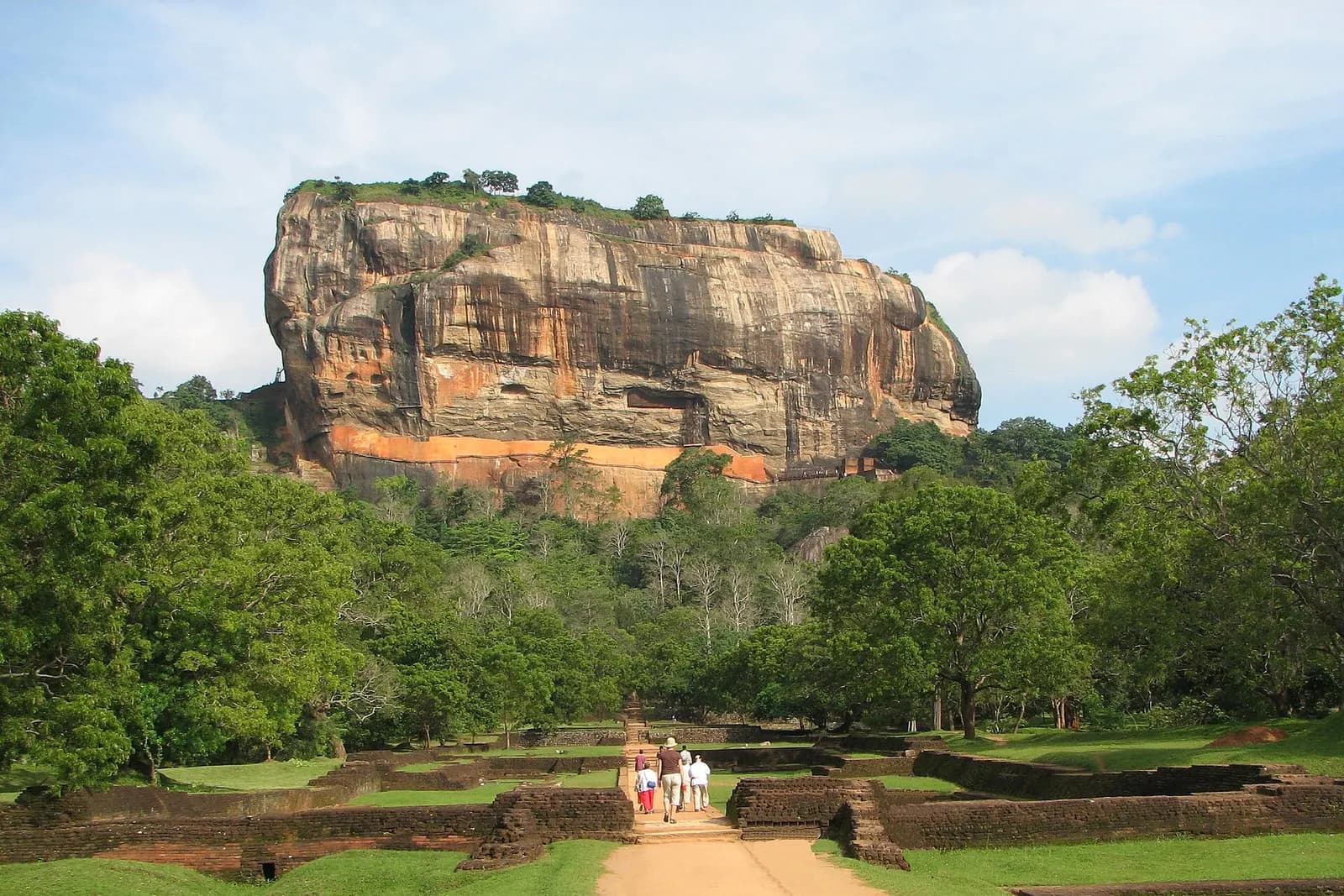
Sri Lanka in 4 or 5 Days: Two Short Itineraries
Four or five days is enough for a real taste of Sri Lanka, if you pick one region and resist the urge to see everything. Here are two routes that work.
12 Nov 2026· 4 min read
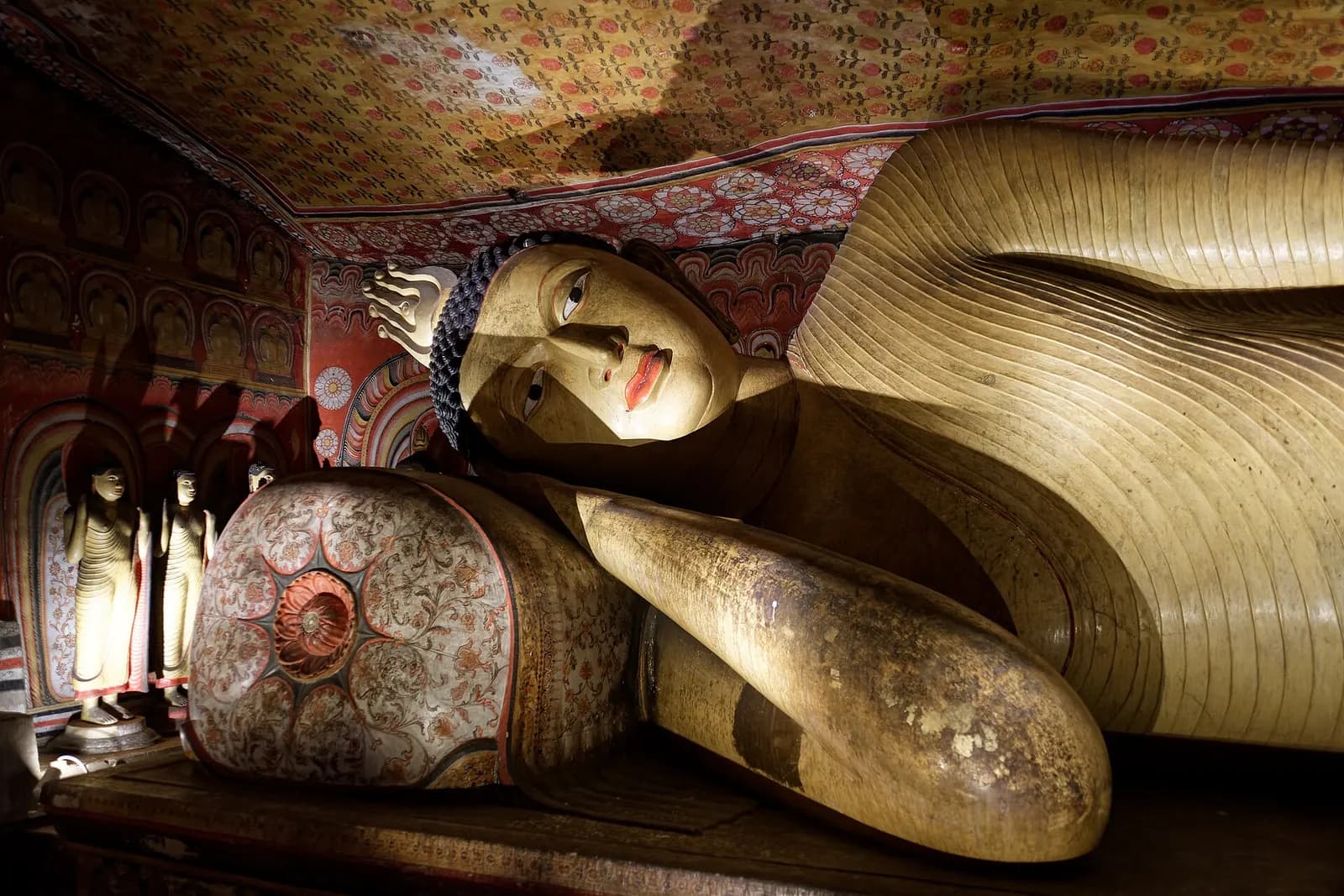
Kandy to Sigiriya and Dambulla: How to Get There
There's no train from Kandy to Sigiriya, so it's a choice of car or bus. Here are the times, the costs to expect and the stops that make the drive worthwhile.
12 Nov 2026· 3 min read
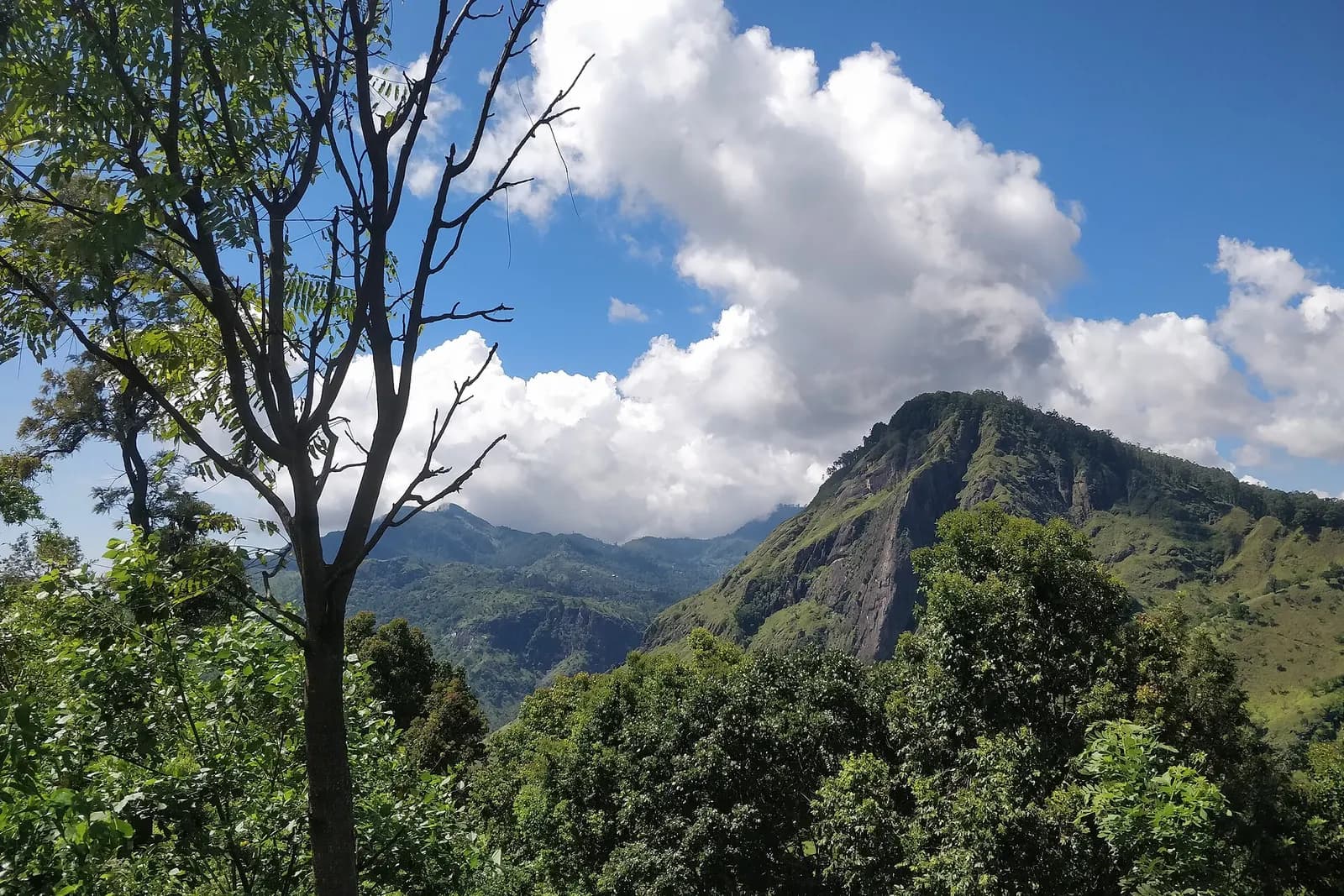
Ella Hiking Guide: Ella Rock, Little Adam's Peak and More
Ella is Sri Lanka's best small town for walking — tea estates, viewpoints and a famous bridge all within reach on foot. Here's how to tackle each hike.
5 Nov 2026· 2 min read
More places near Aluvihare Rock Temple
 nature
The Cultural Triangle
Matale Spice Gardens
Spice gardens along the Kandy–Dambulla road showing cinnamon, cardamom, pepper and vanilla. Interesting, but expect a sales pitch; prices are usually far higher than in local markets.
Best: Year-round
 nature
Kandy & the Hill Country
Sembuwatta Lake
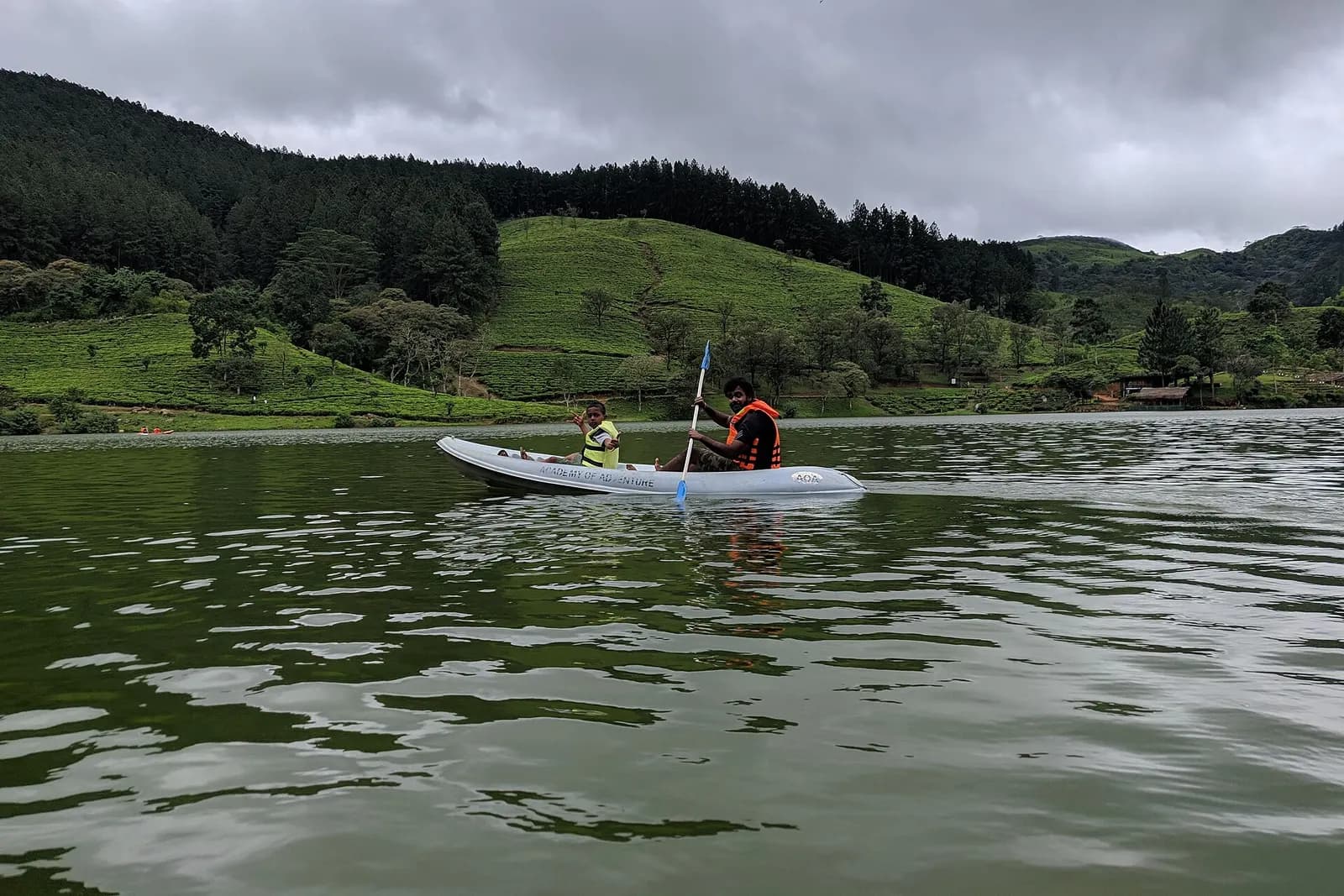
A man-made lake ringed by tea and pine forest in the hills above Matale, often wrapped in mist. A popular local day out, reached by a rough estate road.
Best: January to April
 adventure
Kandy & the Hill Country
Riverston (Matale)
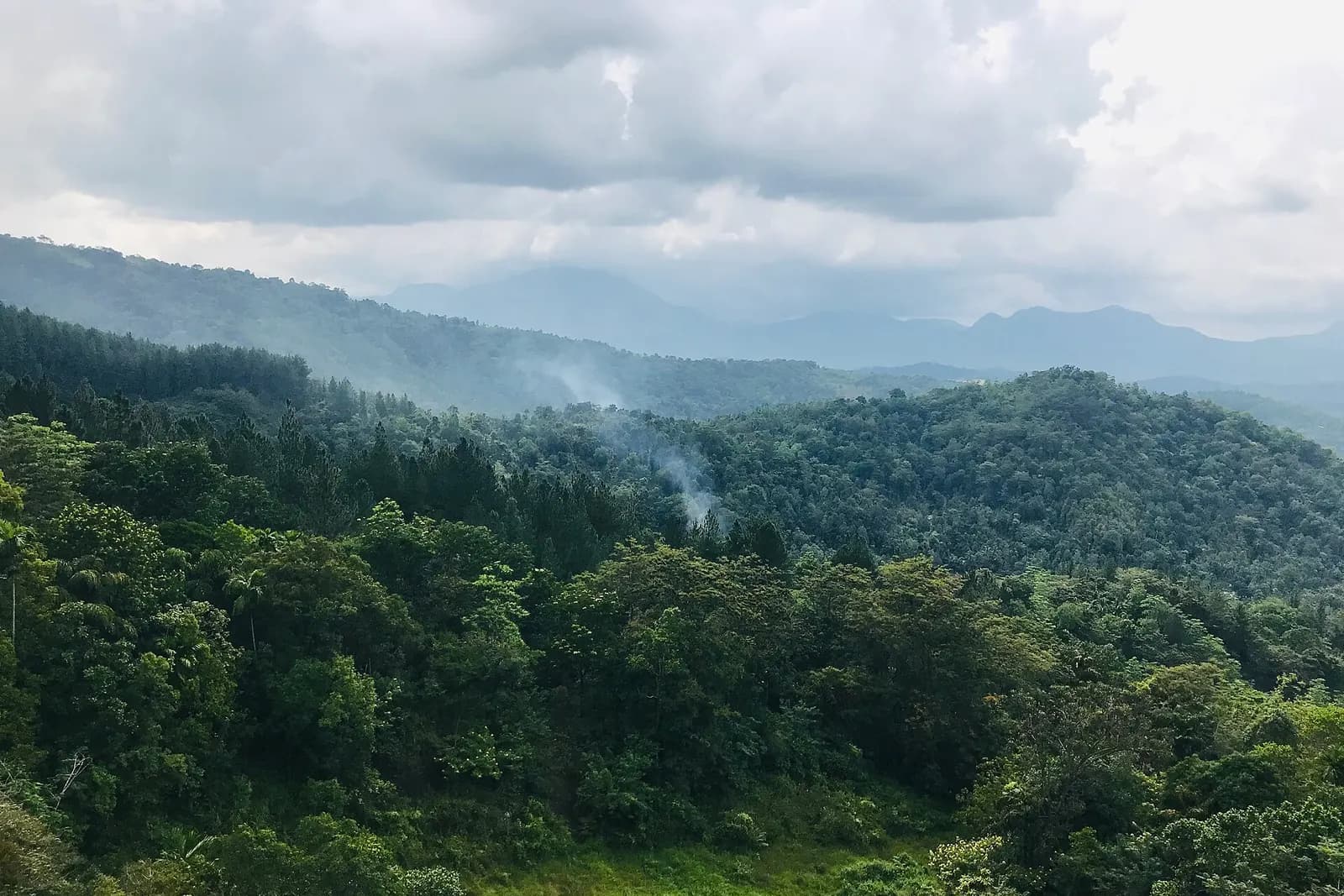
A windswept ridge in the northern Knuckles with misty viewpoints, the Pitawala Pathana grassland and the 'Mini World's End' cliff. Cool, uncrowded and best visited early in the day.
Best: January to April
Last updated November 2026. February to September is driest; the Minneriya elephant gathering peaks in August and September.