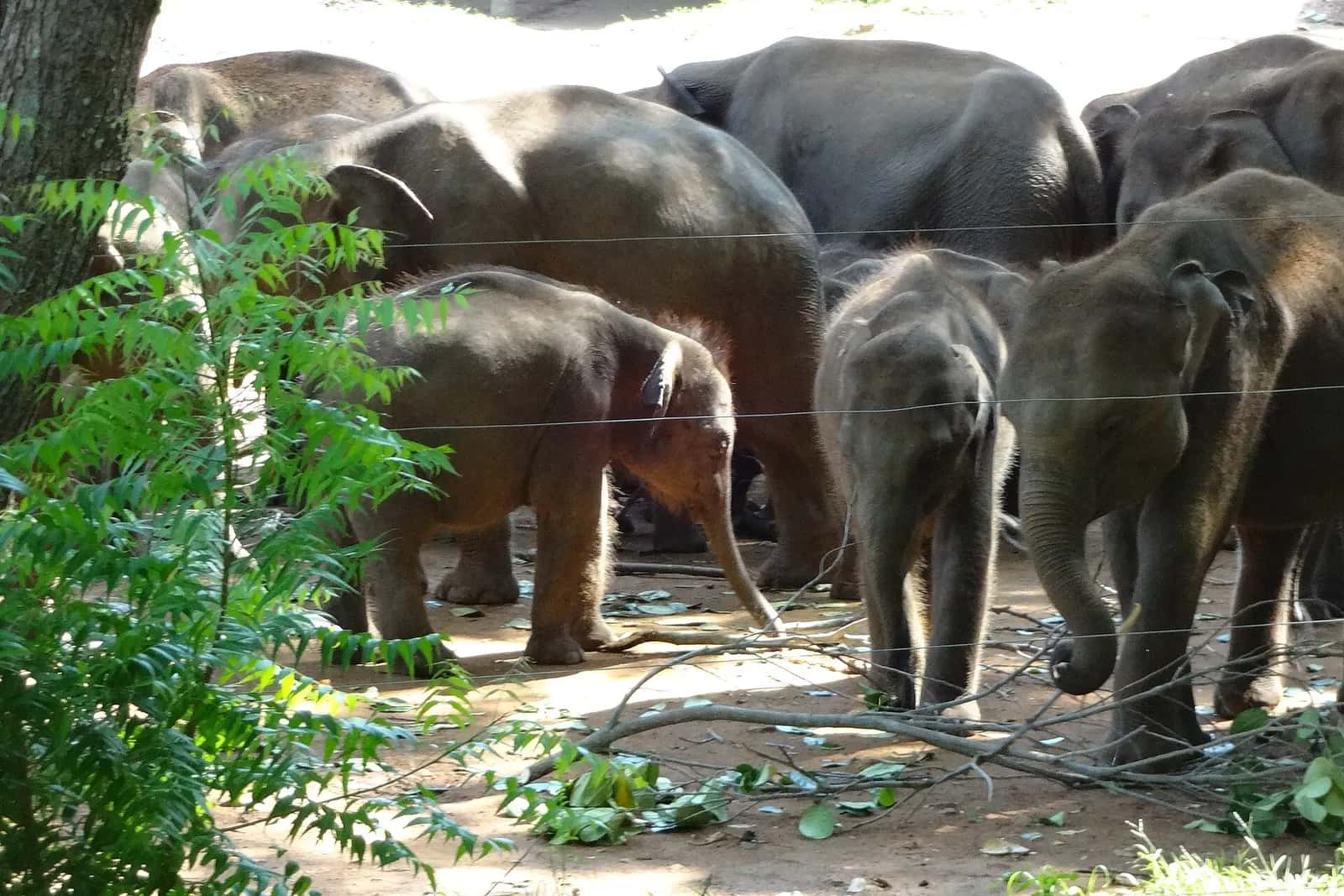
Elephant Transit Home (Udawalawe), Sri Lanka
A rehabilitation centre beside Udawalawe National Park where orphaned elephant calves are raised for release back into the wild. Visitors watch feeding time from a platform, with no touching.
Region
Yala, Udawalawe & the Deep South
Best time
Year-round
Time needed
45 minutes
From the airport
≈ 5 h by road
The Elephant Transit Home, often shortened to ETH, sits on the edge of Udawalawe National Park, beside the reservoir. The Department of Wildlife Conservation set it up in 1995 to care for orphaned elephant calves and return them to the wild. For travellers who want to see young elephants without supporting poor welfare, it's the best choice in Sri Lanka.
How it works
Calves arrive here after losing their mothers, often through conflict with farmers, accidents with wells and trains, or injury. They are fed milk every few hours and otherwise left to roam together in a large area of scrub, forming their own small herd. Contact with people is kept to a minimum, so that the young elephants stay wild.
At about five years old, groups of calves are fitted with tracking collars and released into national parks. Well over a hundred have gone back to the wild since the centre opened, and some released females have since had calves of their own.
What visitors see
The public can watch feeding time from a raised viewing platform, set back from the feeding area. The calves come running in from the bush in small groups, drink their milk in seconds from funnels and hoses, and then munch on branches before wandering off. The whole thing lasts about 20 to 30 minutes. It's noisy, funny and very endearing.
There is no touching, bathing or bottle feeding by visitors. That's the whole point, and it's what sets this place apart from Pinnawala.
Feeding times
Feedings take place several times a day, at roughly three-hour intervals. The sessions open to the public have long been held in the morning, around midday, mid-afternoon and early evening. Times can change, so confirm them with your hotel or safari driver, and arrive 15 minutes early to get a place at the front of the platform.
Tickets
A small entrance fee is charged at the gate, with a higher rate for foreign visitors. The money supports the centre. A small information centre explains the elephants' stories and the threats they face.
Fitting it in
The ETH is about 5 km from the park entrance. The classic plan is a safari in Udawalawe in the early morning or late afternoon, with a feeding session before or after. The midday feeding fits neatly after a morning game drive.
Udawalawe is about 3.5 hours from Colombo, 2 hours from Ella and 1.5 hours from Tangalle. Our guides to elephants in Sri Lanka and responsible travel explain why this kind of visit matters, and the safari guide compares the parks.
Elephant Transit Home (Udawalawe): frequently asked questions
Can you touch or feed the elephants at the Transit Home?
No. Visitors watch from a platform, so that the calves stay wild enough to be released.
What time is feeding at the Elephant Transit Home?
Several times a day at about three-hour intervals. Confirm the current times locally.
Is the Elephant Transit Home better than Pinnawala?
For animal welfare, yes. The calves here have little human contact and are released into the wild.
Map and getting there
Approximate road times (Sri Lanka’s roads are slow — allow extra time for traffic and stops): Colombo airport (CMB) ≈ 5 h · Kandy ≈ 3.5 h · Galle ≈ 3 h. For flexible door-to-door travel, consider a local driver.
Related travel guides
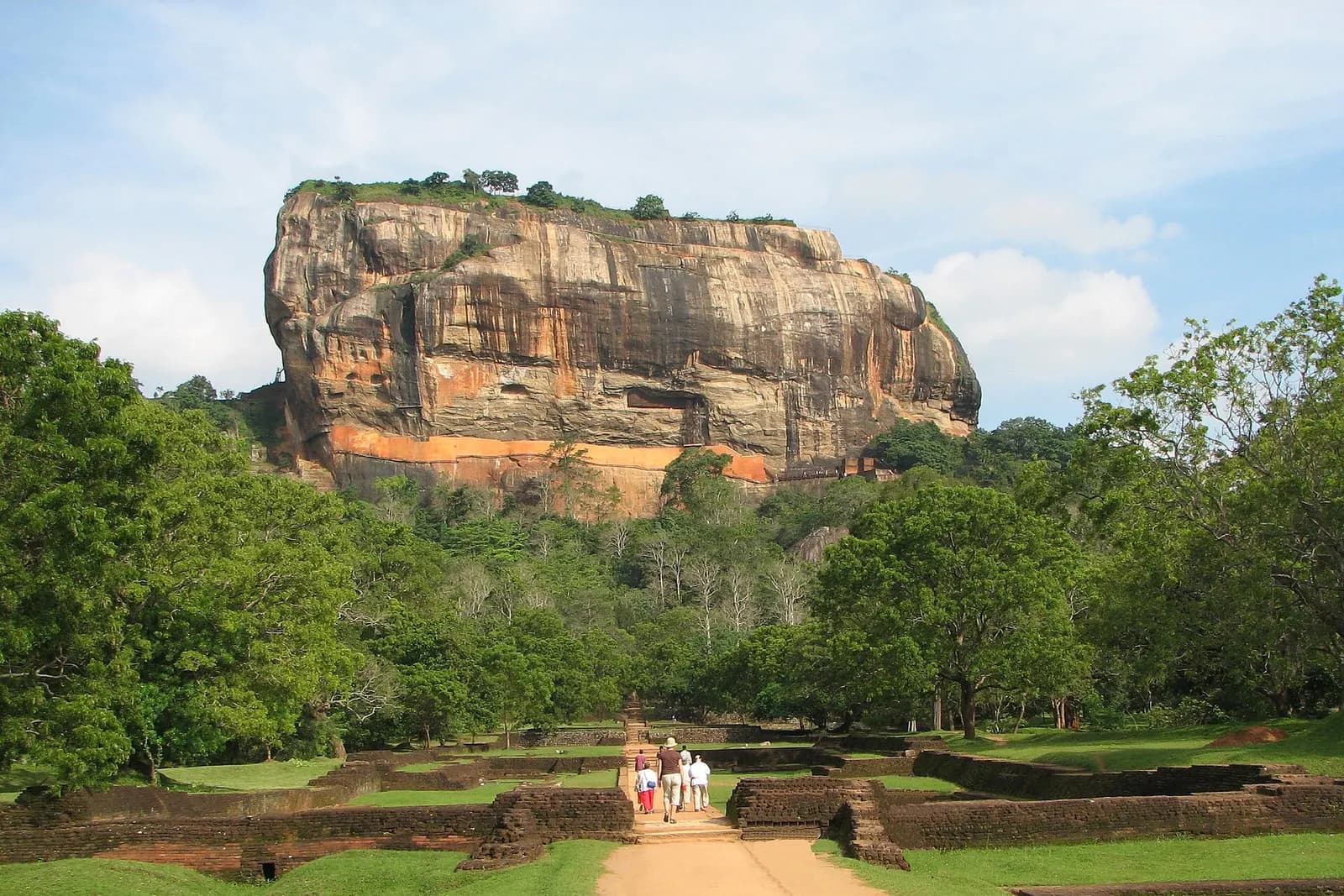
Sri Lanka in 4 or 5 Days: Two Short Itineraries
Four or five days is enough for a real taste of Sri Lanka, if you pick one region and resist the urge to see everything. Here are two routes that work.
12 Nov 2026· 4 min read
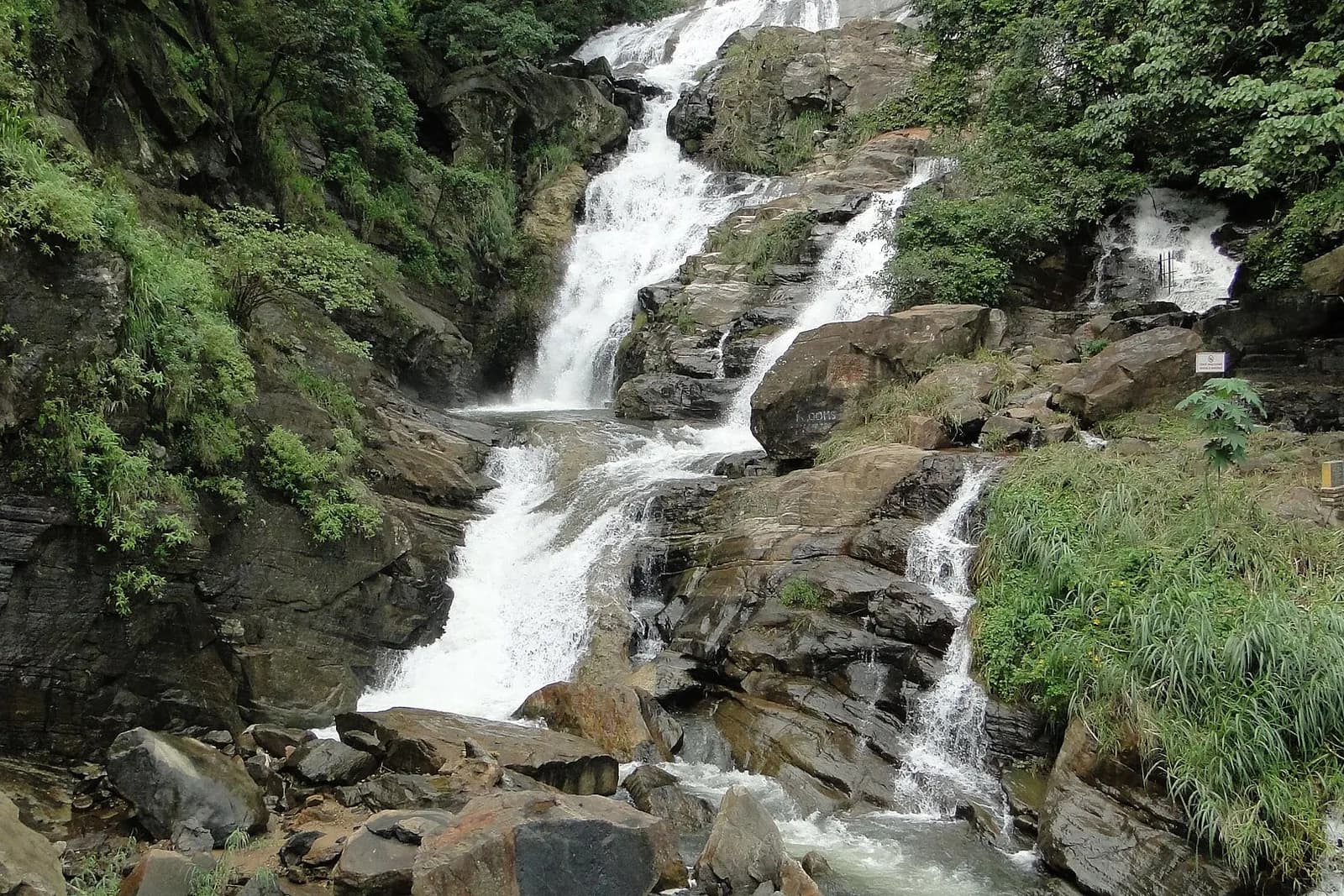
Ella to Yala, Mirissa and the South Coast: How to Travel
The train ends in the hills, so the journey from Ella down to the safari parks and beaches is by road. Here are the routes, the times and the best stops.
12 Nov 2026· 3 min read

Sri Lanka with Kids: A Family Travel Guide
Elephants, trains through the clouds, turtles and calm beaches — Sri Lanka is a brilliant family destination. Here's how to plan a trip that works for kids and parents.
12 Nov 2026· 2 min read
More places near Elephant Transit Home (Udawalawe)
 wildlife
Yala, Udawalawe & the Deep South
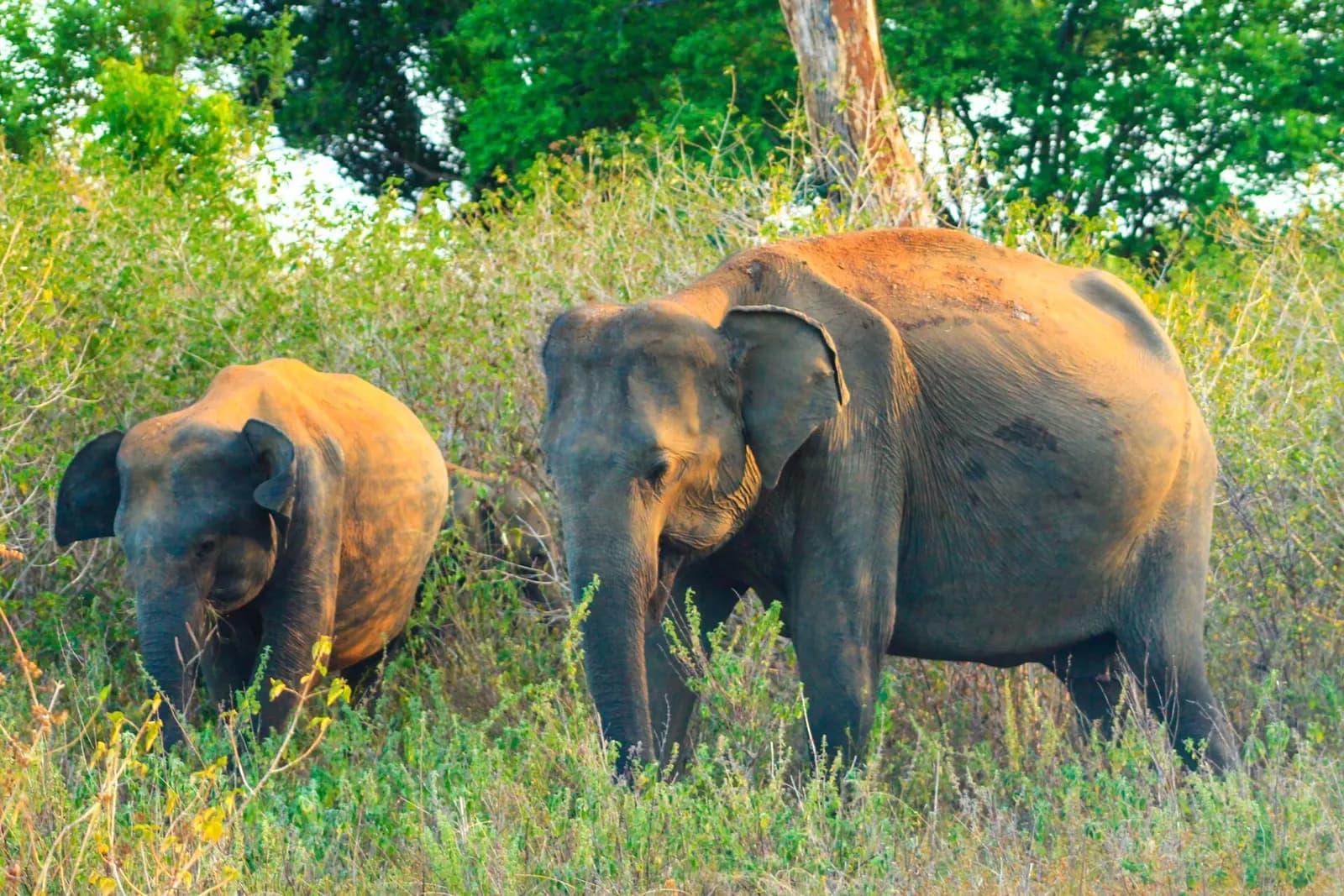
Udawalawe National Park
The most reliable park in Sri Lanka for wild elephants, with herds grazing around the reservoir year-round. The nearby Elephant Transit Home rehabilitates orphaned calves and releases them back into the park.
Best: Year-round
 nature
Kandy & the Hill Country
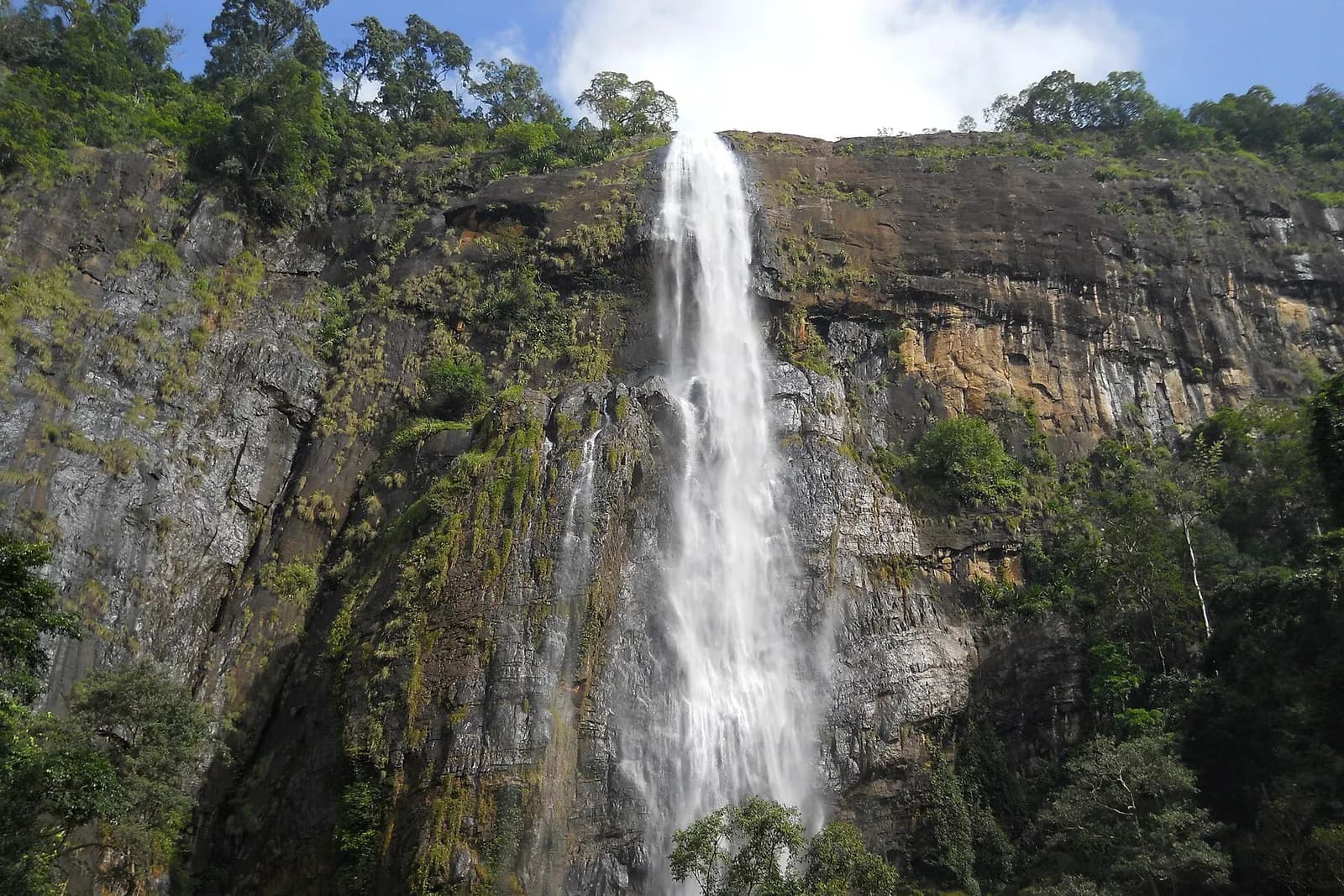
Diyaluma Falls
The second-highest waterfall in Sri Lanka, with natural infinity pools near the top reached by a steep hike. Go with a local guide and stay away from the edge after rain.
Best: January to April
 heritage
Kandy & the Hill Country
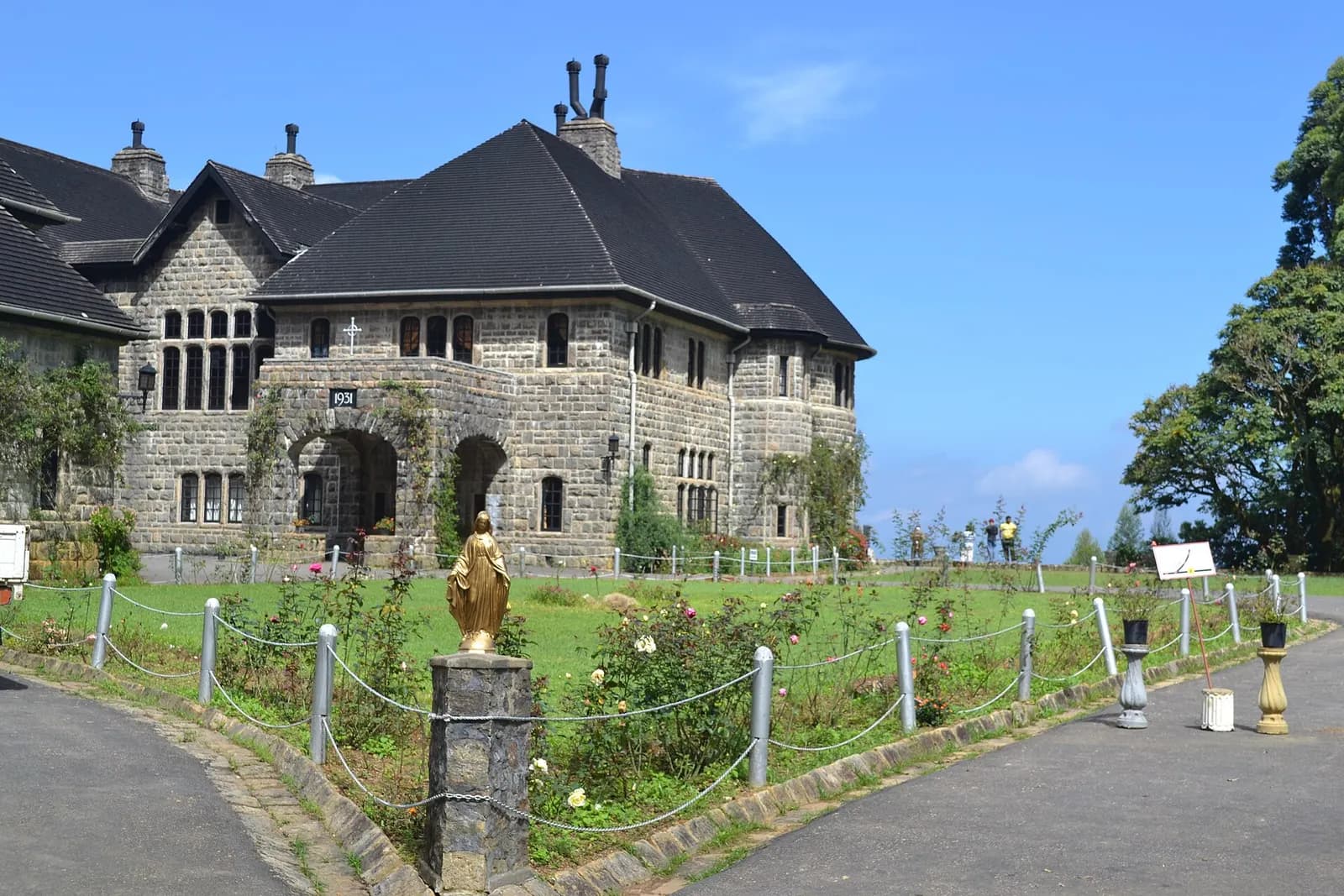
Adisham Bungalow
An English-style country house built by a British planter in 1931 near Haputale, now a Benedictine monastery, with limited opening days, gardens and a shop selling its own jams.
Best: January to April
Last updated November 2026. February to July for safaris; Yala Block 1 usually closes for about six weeks around September–October.