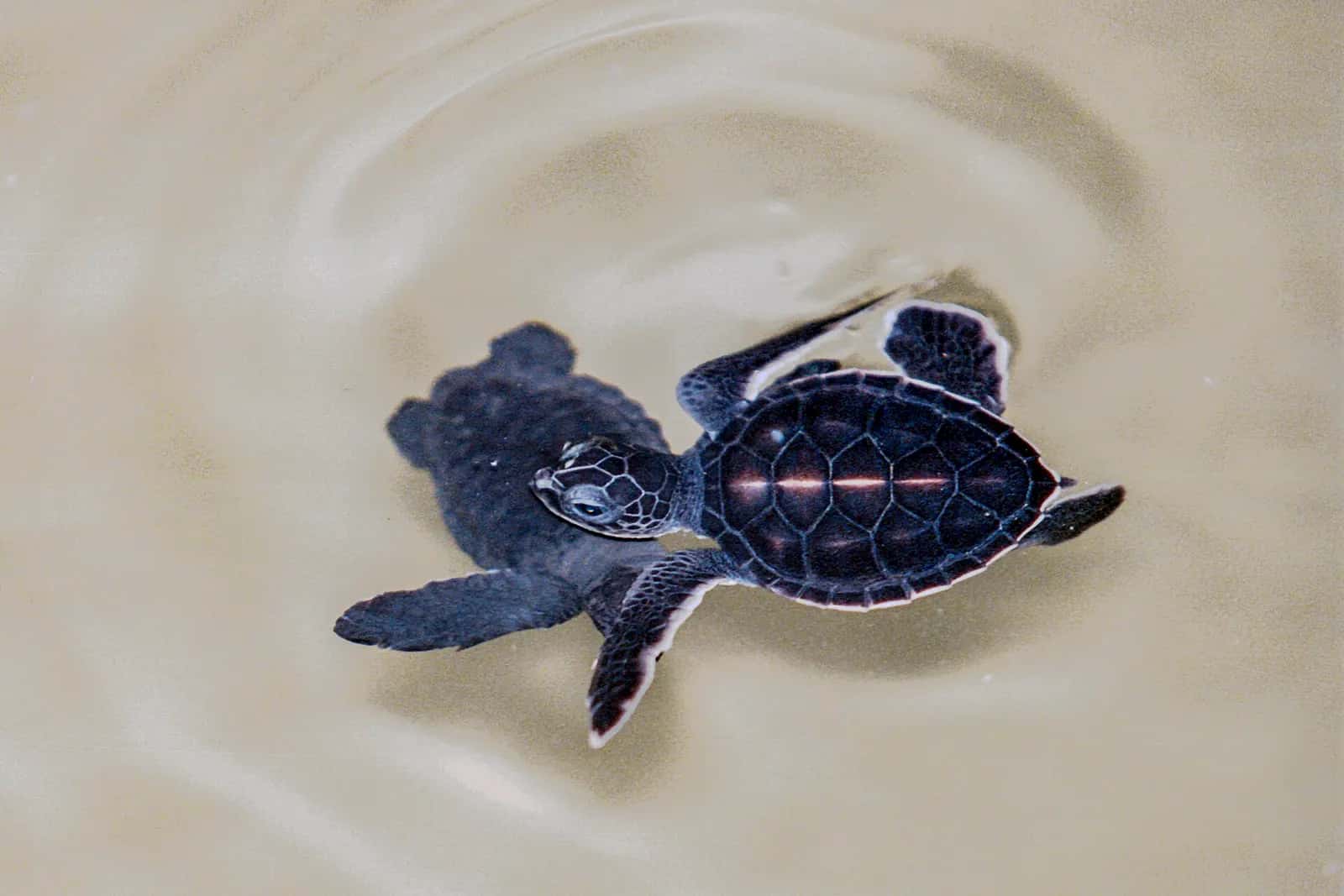
Kosgoda Turtle Hatcheries, Sri Lanka
A stretch of the south-west coast known for its turtle hatcheries, where eggs are protected until they hatch. Standards vary, so it helps to know what a responsible hatchery looks like.
Region
The South Coast
Best time
December to April
Time needed
45 minutes
From the airport
≈ 3.5 h by road
Kosgoda is a village on the south-west coast between Bentota and Balapitiya, and its beach is one of the most important turtle nesting sites in Sri Lanka. Several turtle hatcheries line the coast road here. They are a very popular stop, especially with families. They are also a mixed bag, so it's worth knowing how they work and what to look for.
How a hatchery works
Five species of sea turtle nest in Sri Lanka, and all of them are threatened. On unprotected beaches, eggs are often dug up to be eaten or sold. Hatcheries pay local people to bring the eggs to them. The eggs are reburied in fenced sand pens, and when the young hatch, they are released into the sea. Visitors pay a small entrance fee, which funds the work.
On a visit of 20 to 30 minutes, a guide shows you the egg pens, tanks of hatchlings and a few larger turtles, some of them injured or disabled animals that can't survive in the wild.
The problems
Marine biologists have raised real concerns about how many hatcheries operate.
- Holding hatchlings in tanks. Newly hatched turtles have a short burst of energy that carries them out to sea. Keeping them in tanks for days, so that tourists can see them, wastes that energy and lowers their chances of survival.
- Daytime releases. Hatchlings naturally emerge at night. Releasing them in daylight, often for paying tourists, exposes them to birds and fish.
- Handling. Letting visitors hold turtles stresses the animals and can spread disease.
- Keeping healthy adult turtles in small tanks as exhibits.
Choosing a responsible hatchery
Ask a few questions before you pay.
- How soon are hatchlings released? The best answer is "the same night they hatch".
- Can I hold the turtles? A good hatchery says no.
- Why are the larger turtles here? They should be injured or unreleasable animals.
If a place offers you a turtle to hold for a photo, or sells daytime releases, consider walking away. Your choice shapes how these businesses behave.
A better way to see turtles
To see a turtle nesting in the wild, join the community-run night watch at Rekawa near Tangalle. You can also see wild turtles feeding in shallow water at Hikkaduwa, Dalawella and Polhena, where you should watch without touching or feeding them. Our sea turtle guide covers all of these.
Getting there
Kosgoda is on the main coast road and railway line, about 15 minutes south of Bentota and 2 hours from Colombo. It combines easily with a Madu River boat trip a few kilometres further south.
Kosgoda Turtle Hatcheries: frequently asked questions
Are the turtle hatcheries in Kosgoda ethical?
Some are better than others. Avoid any that let you handle turtles or keep hatchlings in tanks for days.
How long does a hatchery visit take?
About 20 to 30 minutes.
When is turtle nesting season in Kosgoda?
Turtles nest for much of the year, with more activity in the early months. Ask locally about recent nests.
Map and getting there
Approximate road times (Sri Lanka’s roads are slow — allow extra time for traffic and stops): Colombo airport (CMB) ≈ 3.5 h · Kandy ≈ 4.5 h · Galle ≈ 1.5 h. For flexible door-to-door travel, consider a local driver.
Related travel guides
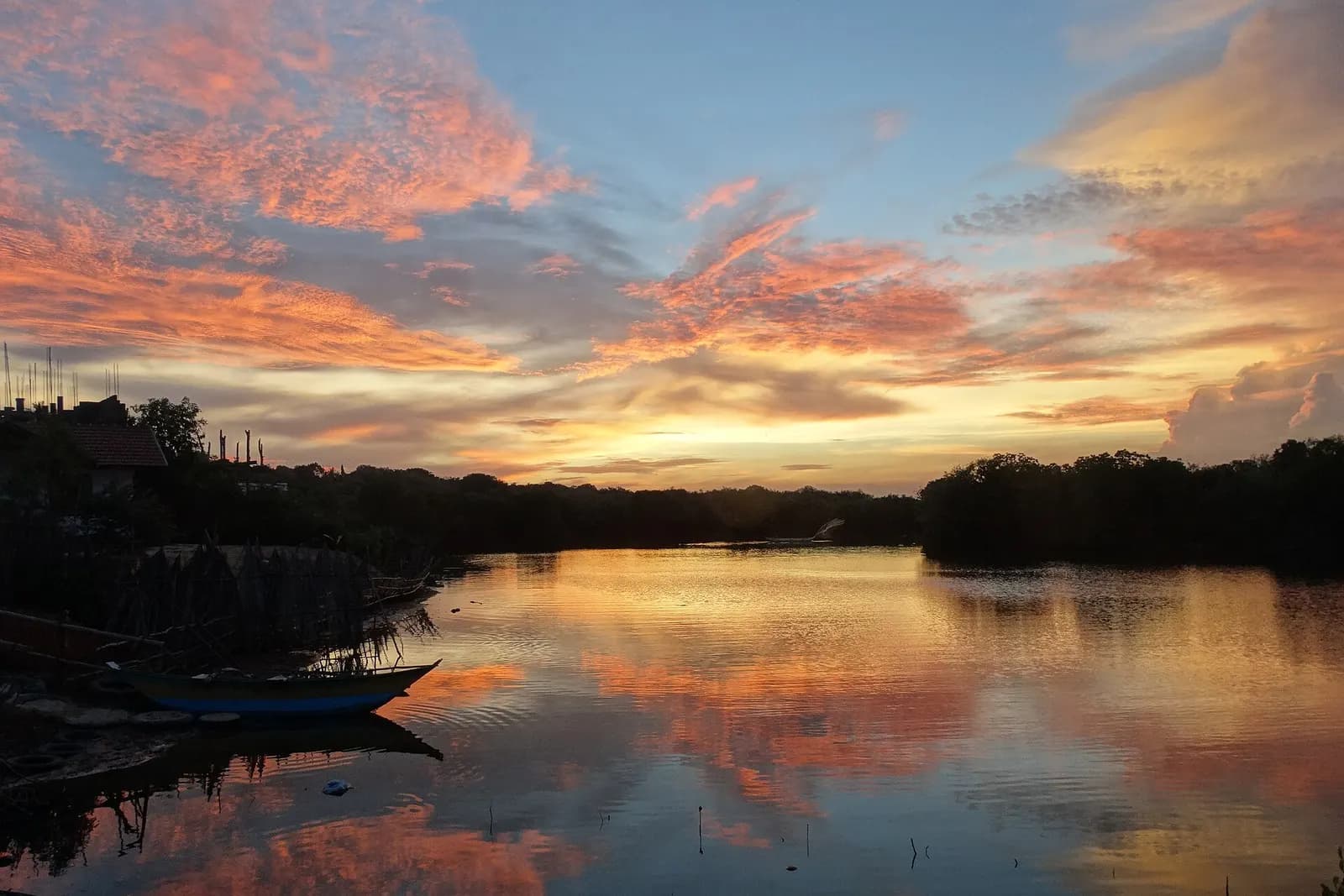
More places near Kosgoda Turtle Hatcheries
 nature
The South Coast
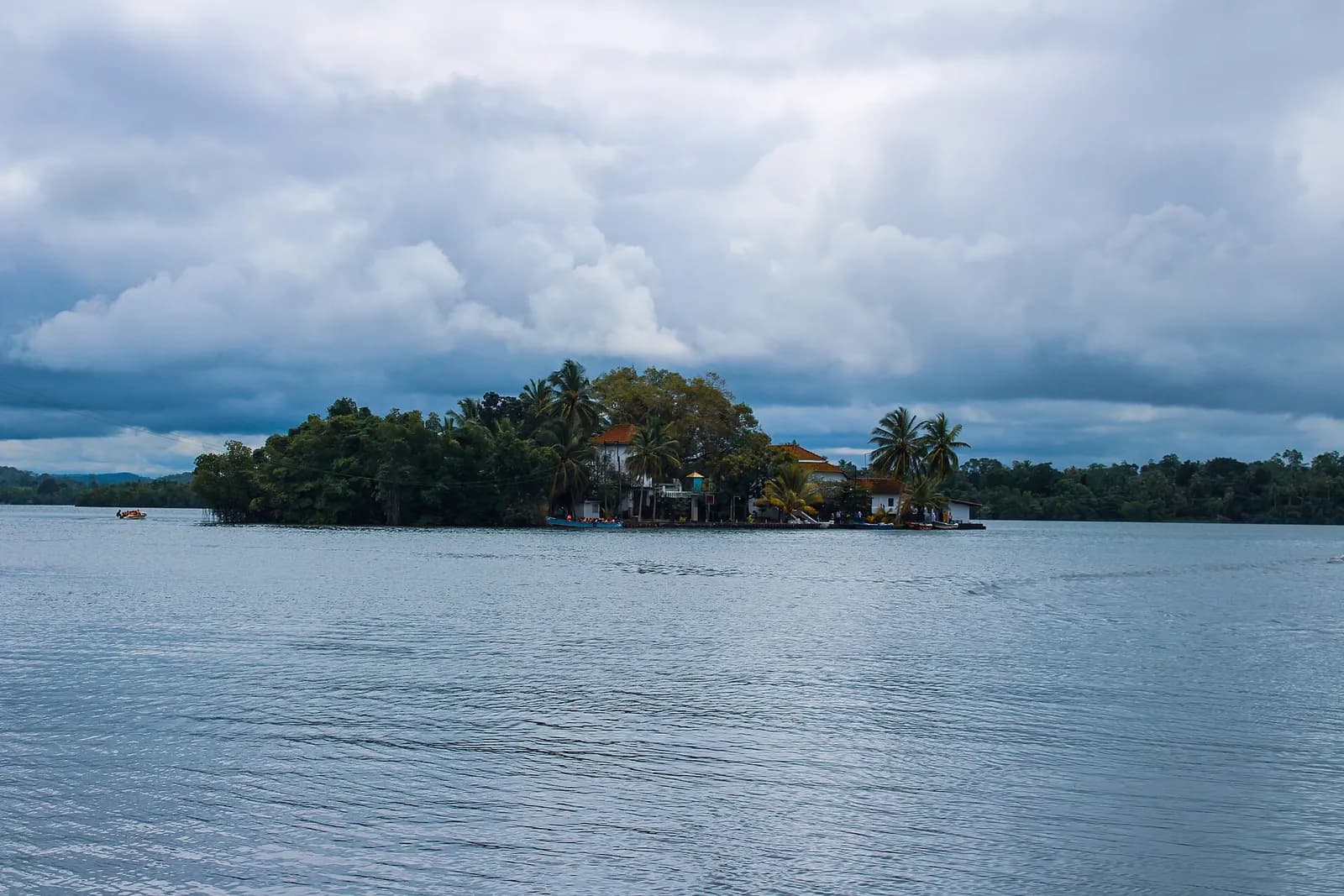
Madu River Mangroves (Balapitiya)
A slow boat trip through mangrove channels and past small islands on the Madu Ganga wetland, including a cinnamon-peeling island and a tiny island temple. Choose operators who keep speed and noise down.
Best: December to April
 heritage
The South Coast
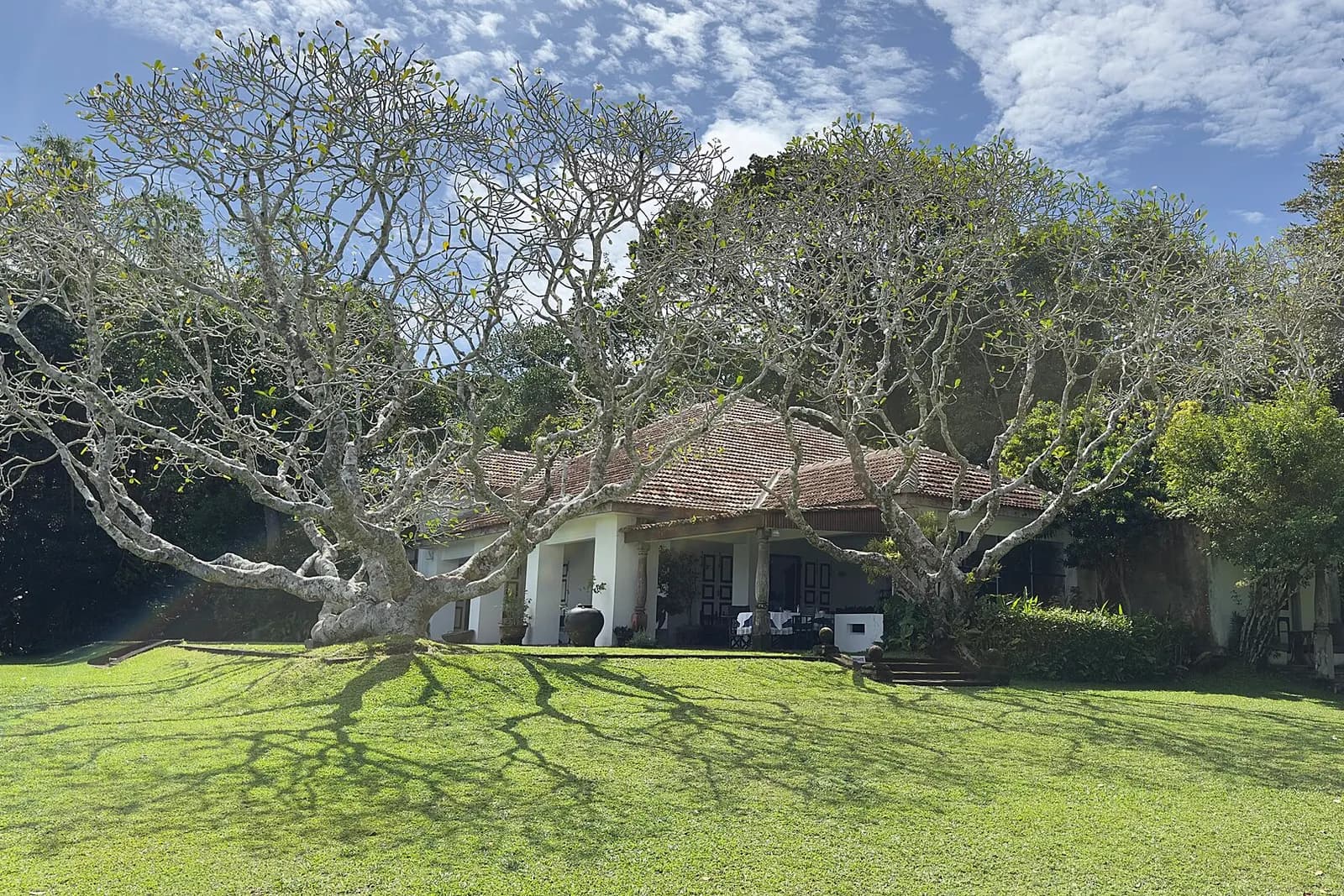
Lunuganga (Geoffrey Bawa's Garden)
The country estate of architect Geoffrey Bawa on a lake near Bentota: a garden he shaped over fifty years, visited on guided tours and regarded as his most personal work.
Best: December to April
 heritage
The South Coast
Ambalangoda
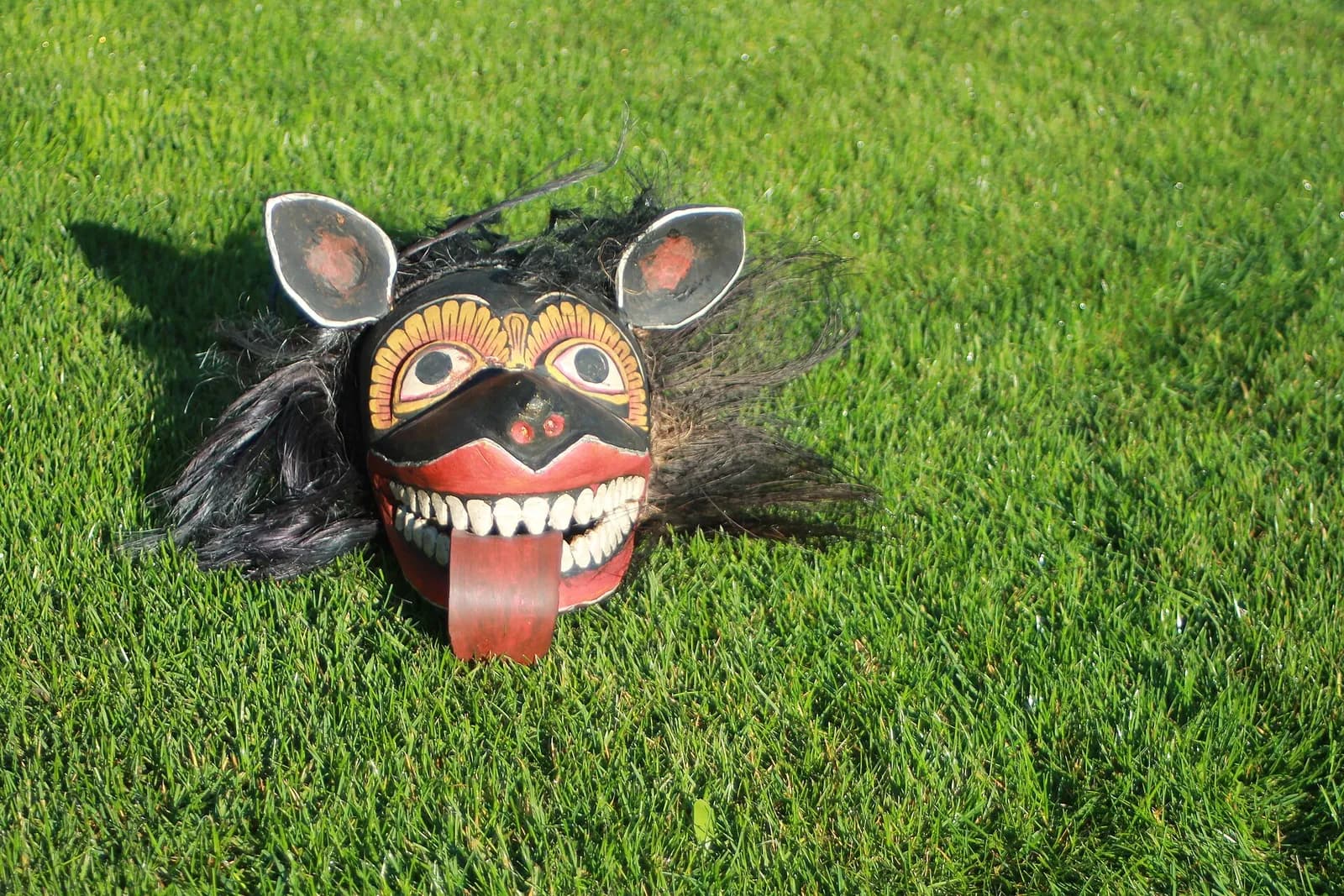
The coastal home of Sri Lanka's traditional mask-making, between Bentota and Hikkaduwa, with family workshops and small museums explaining the Kolam, Sanni and Raksha traditions.
Best: December to April
Last updated November 2026. December to April. Whale watching from Mirissa runs November to April.