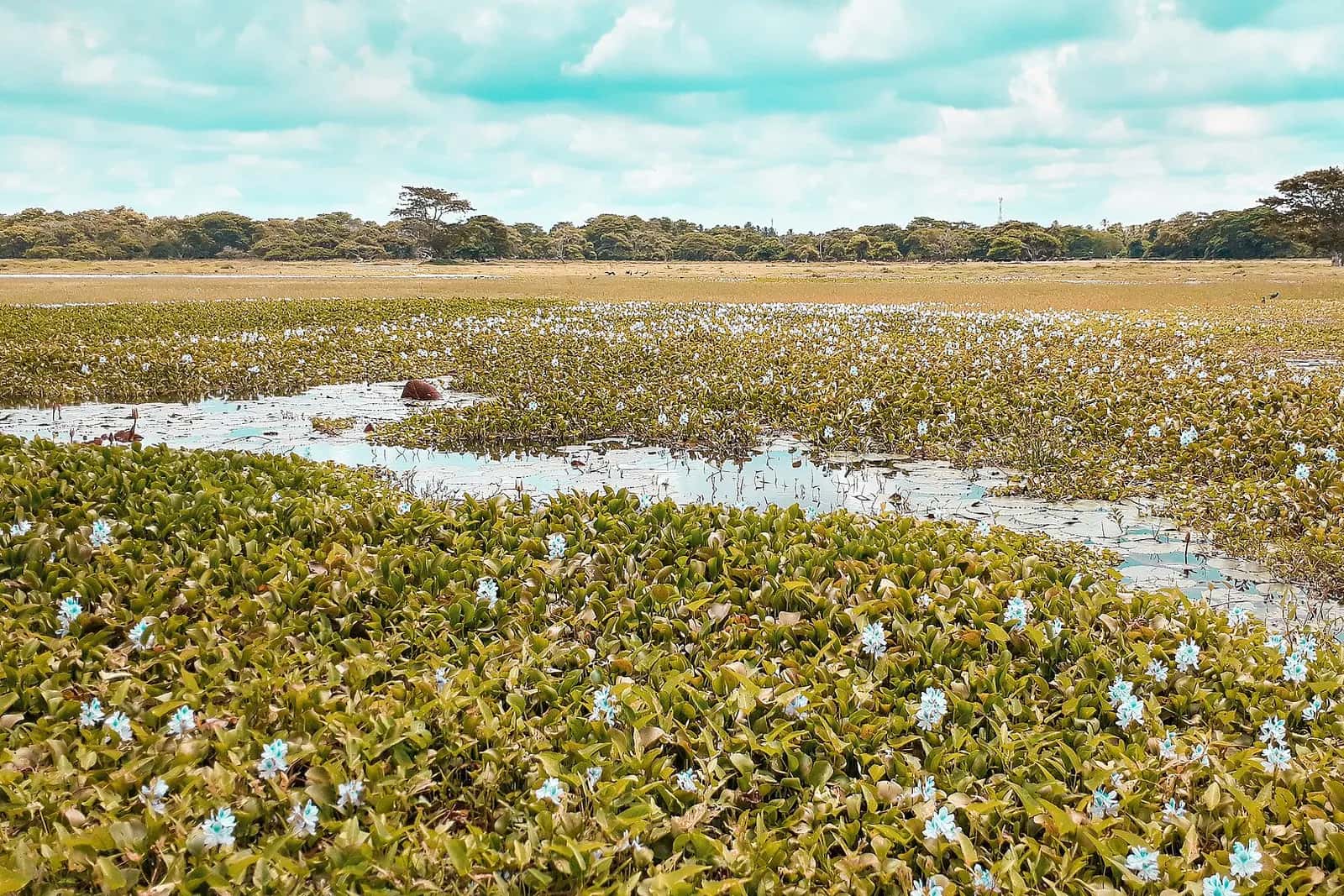
Anawilundawa Wetland Sanctuary, Sri Lanka
A Ramsar-listed cluster of ancient irrigation tanks between the coast and the mangroves, excellent for waterbirds. Walk the bunds early in the morning with binoculars.
Region
Wilpattu & the Northwest
Best time
November to April
Time needed
2–3 hours
From the airport
≈ 2 h by road
Anawilundawa is a group of six ancient irrigation tanks between the sea and the rice fields near Chilaw, on the north-west coast. Listed as a Ramsar wetland in 2001, it's one of the most rewarding places for birdwatching in the lowlands, yet few foreign tourists come here. If you love birds and you're travelling up the coast towards Wilpattu, this is a nice change of pace.
Why it's special
The wetland is unusual because it's a mix of habitats close to one another: fresh water from the tanks, brackish lagoons nearby, mangroves on the coast and the seashore. Tanks like these were created to store rainwater for rice cultivation, centuries ago, and they still serve that purpose today. Over time, they've turned into a refuge for an impressive range of wildlife.
What you might see
- Waterbirds: purple swamphens, pheasant-tailed jacanas, cormorants, egrets, herons, pelicans, storks and whistling ducks
- Migrants: many kinds of ducks, waders and raptors, particularly between around September and March
- Mammals: toque macaques, grey langurs and, if you're very lucky, fishing cats and otters
- Reptiles: water monitors and the occasional crocodile
- Butterflies and dragonflies: in impressive numbers, thanks to the many water plants
More than 150 species of bird have been recorded here. Our birdwatching guide has more on the island's top sites, as well as how to find a good bird guide.
How to visit
Most people go on foot along the raised bunds that run around the tanks. The ground is mostly flat and easy, but there's little shade, and it can be muddy after rain. You can also take a boat on the water at some places, or join a local guide, who can also help identify the more difficult species. Ask at the wildlife office or at your hotel about what's available. Entrance arrangements and fees can change, so check before you set out.
- Time needed: 2 to 3 hours is plenty for most people.
- Best time of day: dawn and the first couple of hours after, when birds are most active, and it's coolest. Late afternoon is also good.
- What to bring: binoculars, a hat, water, insect repellent and closed shoes.
Remember that these tanks are part of working farmland. Don't walk through paddy fields, and stick to the bunds. Please keep your voice down and keep a good distance from nesting birds.
When to go
November to April is usually the best time, as it's when migrant birds are present, and when the coast is generally dry. Waterbird numbers vary according to the water level in the tanks. Rain is more common in May to July and again from October to December, but birding can still be good, and the wetland will be at its greenest. Keep an eye out for flooding on minor paths.
Getting there
The sanctuary is near Pallama and Battulu Oya, off the Colombo to Puttalam road, about 2 to 2.5 hours from Colombo, or about 1.5 hours from Negombo. Chilaw is the nearest large town, with buses and a train station on the Puttalam line. A tuk-tuk or a private vehicle will be needed to get there from the main road. It fits in well with a visit to Munneswaram Temple near Chilaw, or on a drive to Kalpitiya.
Facilities in the sanctuary are limited, so plan to bring food and water, or take a break in Chilaw, where there's a choice of places to eat.
Anawilundawa Wetland Sanctuary: frequently asked questions
Is Anawilundawa worth visiting for non-birders?
It's a pleasant, peaceful place for a walk, but it's mainly a place for those who are interested in birds and nature.
What is the best time to visit Anawilundawa?
Early morning between November and April, when migratory birds are present.
Do I need a guide at Anawilundawa?
You can walk around without one, but a local bird guide will help you find and identify much more.
Map and getting there
Approximate road times (Sri Lanka’s roads are slow — allow extra time for traffic and stops): Colombo airport (CMB) ≈ 2 h · Kandy ≈ 3.5 h · Galle ≈ 7 h. For flexible door-to-door travel, consider a local driver.
Related travel guides
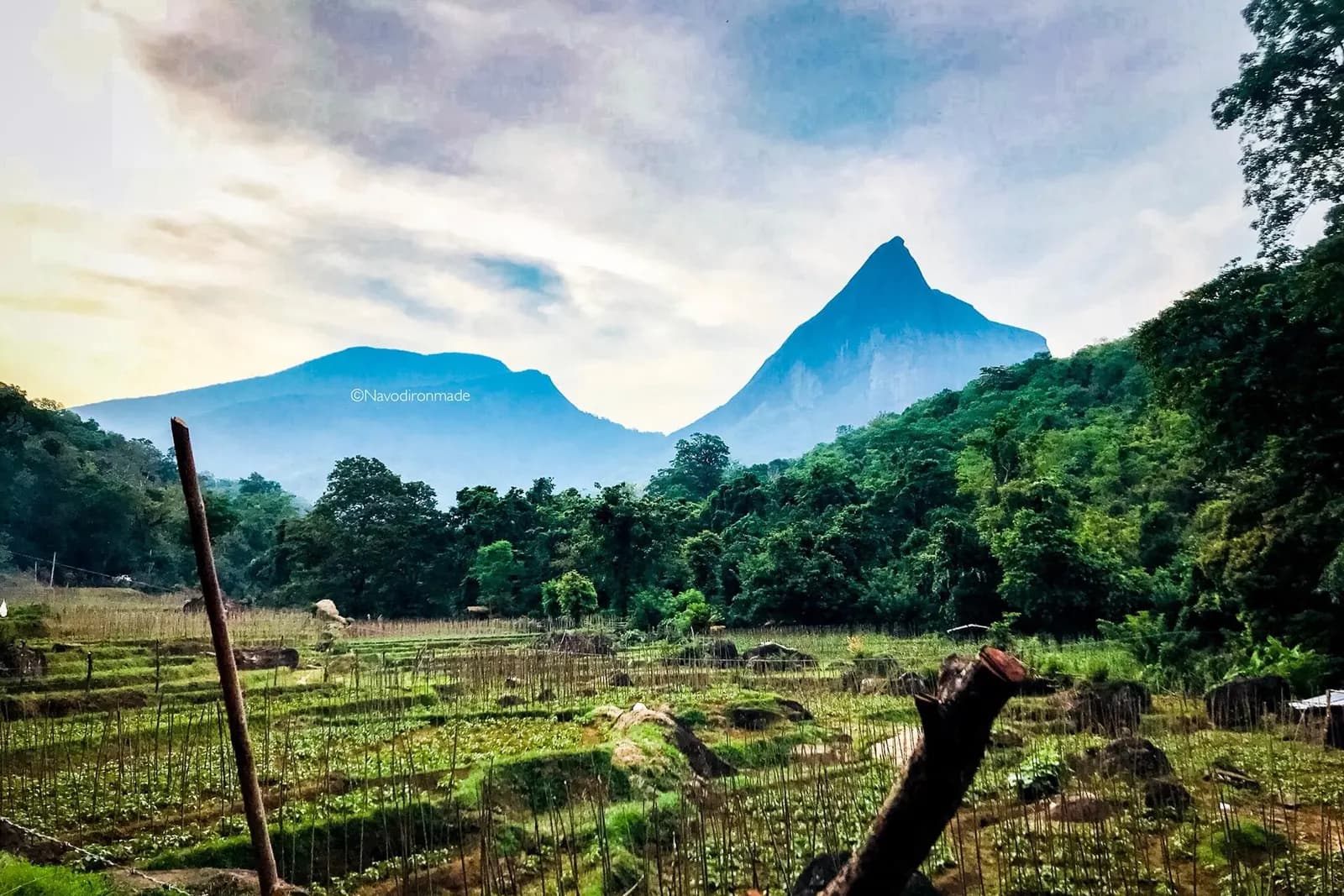
Sri Lanka's Hidden Gems: 15 Places Most Tourists Miss
Beyond Sigiriya, Ella and Mirissa lies a quieter Sri Lanka of remote villages, forest monasteries and empty islands. Here are 15 places worth the detour.
5 Nov 2026· 3 min read
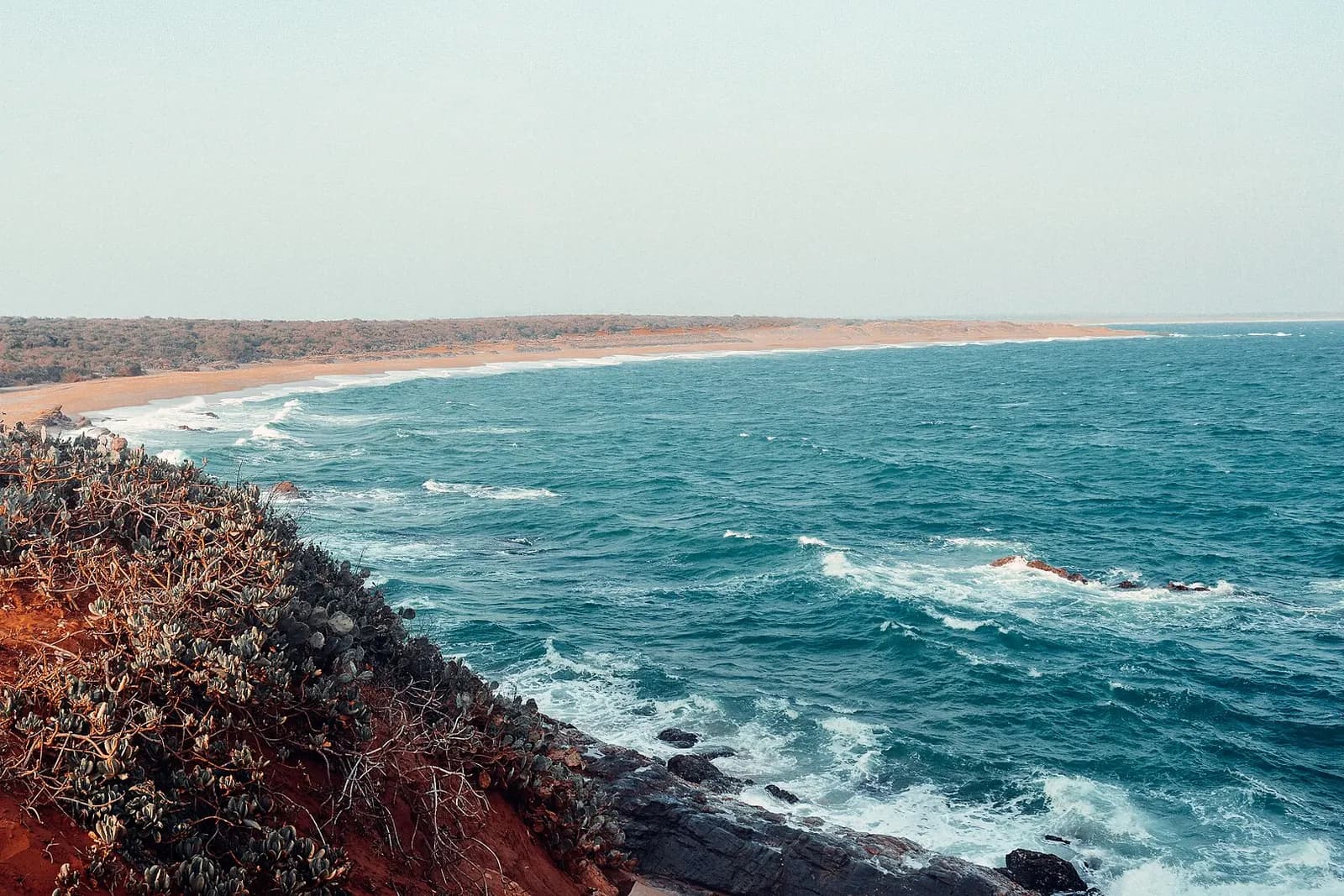
Birdwatching in Sri Lanka: Endemic Birds and the Best Sites
Sri Lanka is one of Asia's best birding destinations — more than 30 endemic species, huge flocks of winter migrants and parks full of waterbirds. Here's where to go.
5 Nov 2026· 2 min read
More places near Anawilundawa Wetland Sanctuary
Wilpattu & the Northwest
Manavari Temple (Chilaw)
A modest Shiva temple north of Chilaw where, according to tradition, Rama installed his first lingam after the war with Ravana. Usually visited together with Munneswaram.
Best: February to September
 religious
Wilpattu & the Northwest
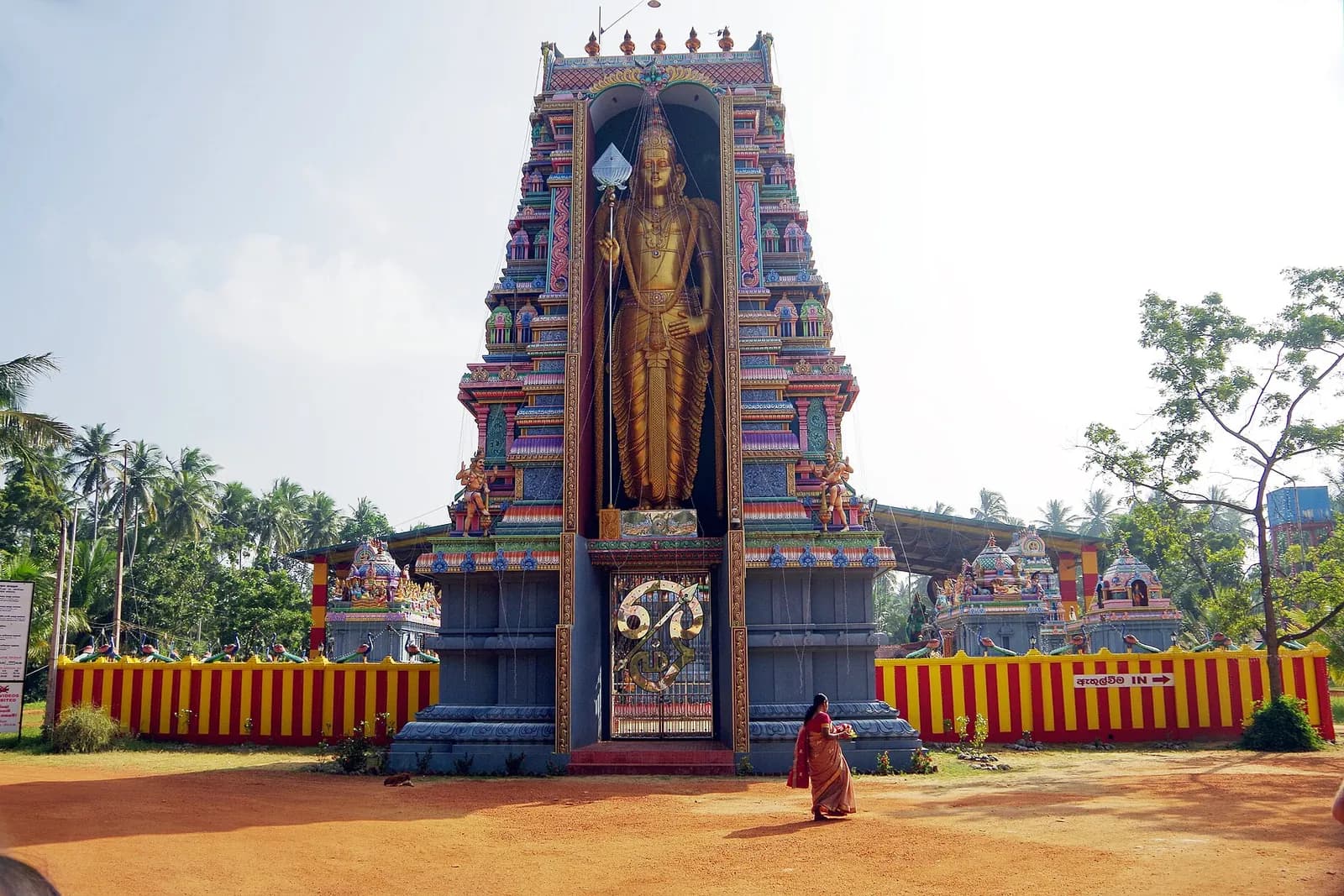
Munneswaram Temple
An ancient Shiva temple near Chilaw and one of the five Pancha Ishwarams, with a soaring gopuram and bright painted deities. Tradition says Rama prayed here after the war.
Best: February to September
 nature
Wilpattu & the Northwest
Puttalam Lagoon & Salt Pans
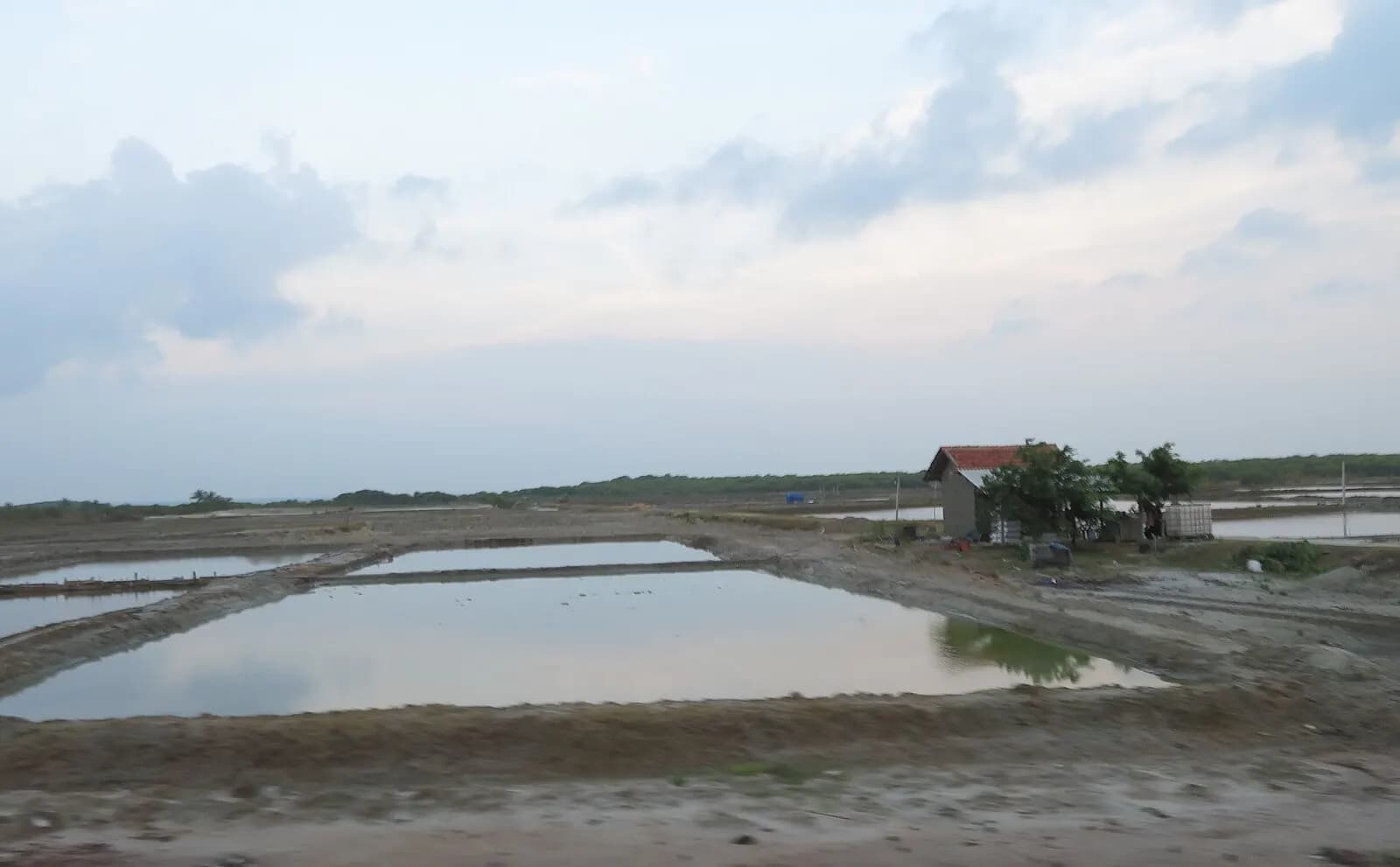
Shallow lagoon flats where sea salt is harvested by hand, with wading birds and pastel-coloured pans at sunset. A short stop on the road to Kalpitiya or Wilpattu.
Best: February to September
Last updated November 2026. February to October for Wilpattu; dolphins off Kalpitiya November to April; kitesurfing peaks May to October.