Planning
Working Remotely in Sri Lanka: A Digital Nomad Guide
Surf before breakfast, work through the afternoon, rice and curry for dinner. Here's what you need to know to work remotely from Sri Lanka, from internet speeds to where to base yourself.
By Sri Lanka Travel Guides Editorial TeamUpdated 27 November 20263 min read
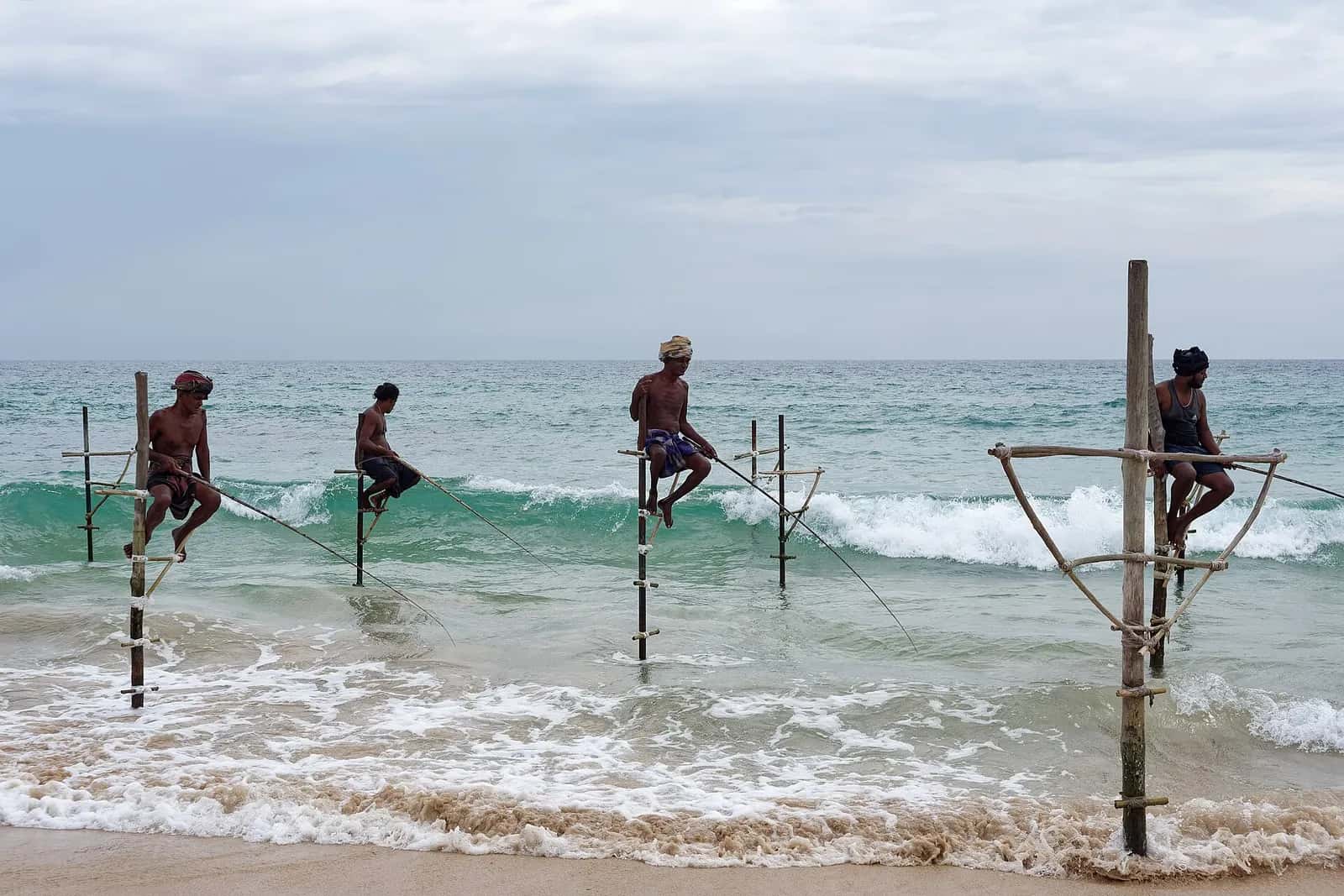
Sri Lanka has become a popular base for remote workers, especially along the south coast, where cafés built for laptops sit beside surf breaks. The cost of living is moderate, the people are welcoming and the variety means you can move from beach to hills without a long journey. There are a few practical things to get right first.
Internet
Mobile data is the backbone of working in Sri Lanka. 4G coverage is good in towns and along the main tourist routes, and data packages are cheap. The main networks are Dialog, SLT-Mobitel and Hutch; Dialog generally has the widest coverage. Buy a local SIM or eSIM on arrival; see Sri Lanka SIM cards and eSIMs.
Fibre broadband is available in Colombo and many towns, and guesthouses aimed at long-stay guests often advertise it. Ask for a speed test screenshot before booking a monthly stay, and always carry a mobile hotspot as a backup. Coverage drops in remote areas, deep valleys and national parks.
Power
Power cuts are less common than in the past, but still happen, especially during storms. For important calls, choose accommodation with a generator, solar backup or an inverter, and keep your laptop and a power bank charged. Sri Lanka uses 230 V, with mainly UK-style three-pin sockets and some round-pin ones; bring a universal adapter.
The best bases
South coast: Ahangama, Weligama and Midigama
The heart of the remote-work scene, in season from about November to April. Ahangama and Weligama have cafés with good Wi-Fi, coworking spaces, yoga studios and surf schools, and a community of long-stay visitors. Midigama is smaller and quieter. See our south coast surf towns for the differences.
Colombo
The capital has the fastest internet, the most reliable power, coworking spaces, good hospitals and international restaurants. It's hot, busy and more expensive, but a good place to start or to sort out admin.
Kandy and Ella
The hills offer cooler weather year-round. Kandy is a real city with good facilities and moderate prices. Ella is beautiful and full of cafés, but busy with tourists and with patchier connections. Both are pleasant when the coasts are wet.
Arugam Bay
A seasonal surf town on the east coast, lively from about May to September. Connections are improving, but expect fewer coworking options. See where to stay in Arugam Bay.
Following the seasons
Many remote workers spend the northern winter on the south coast and move to the east coast or the hills from May to September, following the dry weather. See the best time to visit Sri Lanka.
Visas and long stays
Most visitors enter on a tourist ETA, arranged online before arrival; see our visa and ETA guide. It can usually be extended through the Department of Immigration and Emigration for a longer stay. Sri Lanka has discussed dedicated long-stay and remote-work visas, but rules change, so check the official immigration website for the current options for your nationality. Working on a tourist visa for a foreign employer sits in a legal grey area in many countries, so take advice if you plan to stay for months.
Costs
Monthly costs depend heavily on location and season. Guesthouses and apartments often give big discounts for stays of a month or more, especially outside peak season, so negotiate. Eating local food is cheap; Western-style cafés charge prices closer to home. Scooters can be rented by the week or month. See Sri Lanka travel costs for typical prices, and money in Sri Lanka for cards and ATMs.
Time zones
Sri Lanka is on UTC+5:30. That gives a good overlap with Europe in the afternoon and with Asia and Australia in the morning, but calls with the Americas mean late nights.
Staying healthy and productive
- Get travel health insurance that covers long stays and activities such as surfing and riding a scooter.
- Mosquitoes carry dengue in the wet season; use repellent. See our health tips.
- The heat saps energy in the middle of the day. Many people work early and late, and surf or rest at midday.
- Ride carefully. Roads are busy and unpredictable; see driving in Sri Lanka for licence rules.
Frequently asked questions
Is Sri Lanka good for digital nomads?
Yes, particularly the south coast from November to April. Mobile data is cheap and widely available, and there's a growing community of remote workers.
How fast is the internet in Sri Lanka?
Mobile 4G is usually fast enough for video calls in towns. Fibre is available in Colombo and many tourist areas. Always keep a mobile hotspot as a backup.
Does Sri Lanka have a digital nomad visa?
The government has discussed long-stay options, but the rules change. Check the official immigration website for the current situation.
Where do digital nomads stay in Sri Lanka?
Ahangama, Weligama and Midigama on the south coast are the most popular, with Colombo, Kandy and Arugam Bay as alternatives.
Turn this into a plan
Our free AI trip planner builds a day-by-day Sri Lanka itinerary for your dates, with realistic travel times.
Plan my tripQuestions & comments
Share a tip or ask a question. Comments are moderated.
- No comments yet — be the first.
Keep planning
Sri Lanka SIM Cards, eSIMs and Wi-Fi: How to Stay Connected
A local SIM is cheap, quick to set up and makes everything from ride-hailing apps to train tickets easier. Here's how to get connected the moment you land.
5 Nov 2026· 2 min read
Your First Trip to Sri Lanka: Everything You Need to Know
Planning your first trip to Sri Lanka? Start here — the regions, the best time to go, how long you need, transport, costs, safety and the practical details that make the trip easy.
19 Nov 2026· 3 min read
Best Time to Visit Sri Lanka: Month-by-Month Weather Guide
Sri Lanka has two monsoons that hit opposite sides of the island at different times, so there is always somewhere with good weather. Here's how to pick the right months for your route.
19 Nov 2026· 3 min read