Food & Culture
Sinhala and Tamil New Year (Avurudu): A Guide for Travellers
In mid-April, Sri Lanka celebrates its biggest family festival. Here's what Avurudu is, the customs you'll see, the sweets you'll be offered, and how it affects buses, shops and hotels.
By Sri Lanka Travel Guides Editorial TeamUpdated 27 November 20263 min read
Every April, Sri Lanka stops for its biggest family festival: the Sinhala and Tamil New Year, known in Sinhala as Avurudu and in Tamil as Puthandu. It marks the sun's move into the sign of Aries and the end of the harvest, usually on 13 or 14 April. For travellers it's a fascinating time to visit, with colourful customs, special food and games, but it also affects transport and opening hours, so it helps to know what to expect.
When is it?
The New Year usually falls on 13 or 14 April. The exact moment is calculated by astrologers each year, along with a series of auspicious times, called nekath, for each ritual. The festival season stretches across most of April, but the main holiday lasts a few days around the New Year itself. See Sri Lanka in April for the weather and the season.
The customs
Avurudu is celebrated at home with family, and its rituals follow the astrologers' timetable:
- The neutral period (nonagathaya). In the hours between the old and new years, people set work aside and visit temples.
- Lighting the hearth and boiling milk. At the auspicious time, a new clay pot of milk is boiled until it overflows, a sign of prosperity for the year ahead.
- The first meal. Families eat together at the appointed time, starting with kiribath, rice cooked in coconut milk and cut into diamonds.
- First transactions. Money is exchanged for good luck, and children are given gifts and visit relatives to offer betel leaves to their elders.
- Anointing with oil. A few days later, on another auspicious day, herbal oil is applied to the head as a blessing for health.
Tamil families celebrate Puthandu with temple visits, a special meal and the hope of good fortune, with traditions that differ by region and family.
The sweets
The Avurudu table is crowded with traditional sweets, many made at home:
- Kokis, crisp, lacy fritters shaped with a flower-shaped mould.
- Kavum, small oil cakes made with rice flour and treacle.
- Mung kavum, diamond-shaped sweets made with green gram flour.
- Aasmi, delicate fried rice-flour nests drizzled with coloured syrup.
- Athirasa, chewy discs of rice flour and jaggery.
If a family invites you to share them, it's a real welcome. Our guide to Sri Lankan sweets and desserts has more.
Games and festivals
Villages, towns and hotels hold Avurudu festivals with traditional games: tug of war, the greasy pole, pillow fights on a beam, breaking a hanging pot blindfolded, and races for children. There's often a contest for the best-dressed young woman and man. Visitors are usually welcome to watch, and sometimes to join in.
Nuwara Eliya's April season
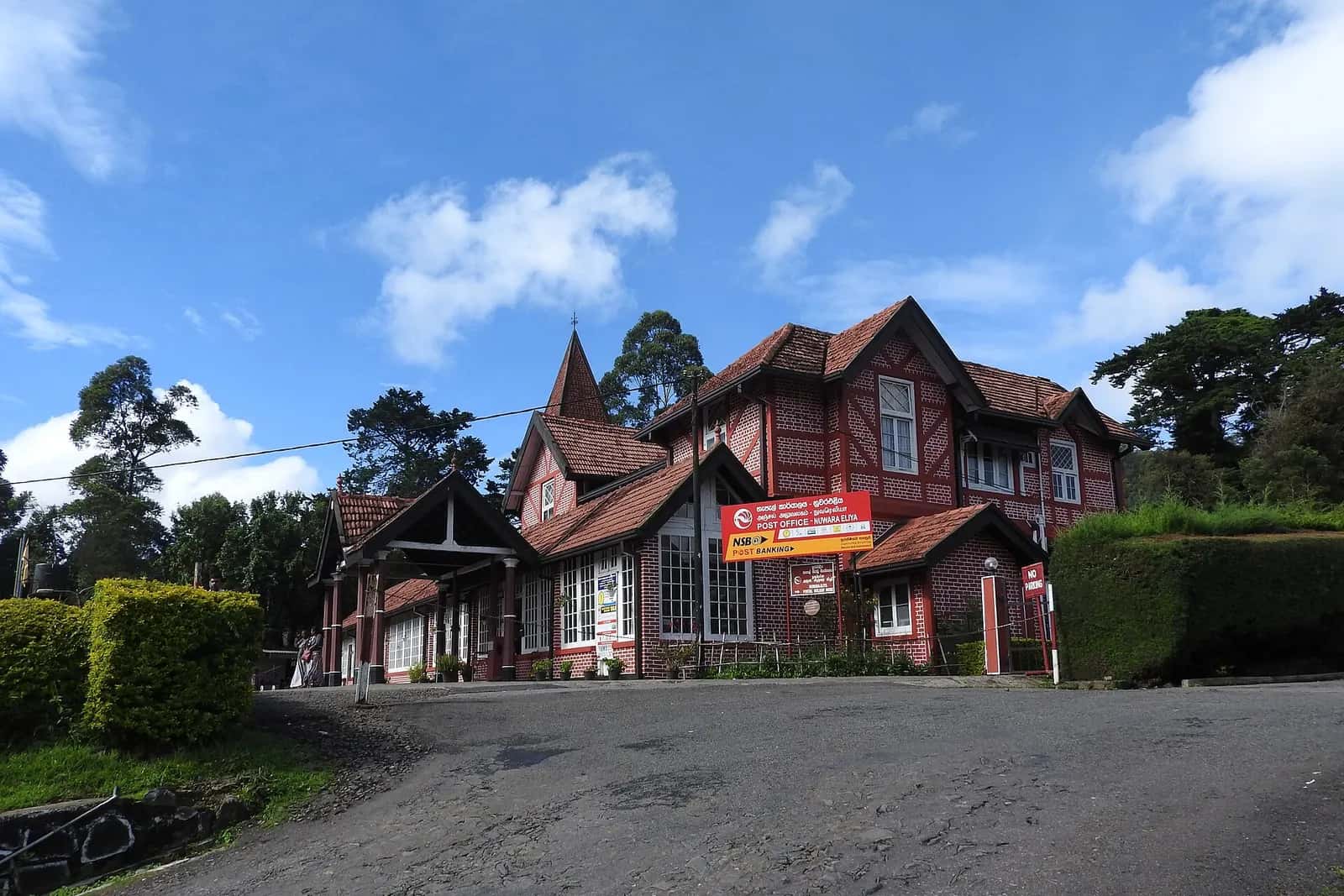
April is high season in Nuwara Eliya, when Sri Lankans escape the lowland heat. The town hosts horse races, motor races, a flower show and parties, and hotel prices rise sharply. It's lively and fun, but book early and expect crowds at Gregory Lake and the tea estates.
How it affects travel
- Buses and trains are packed in the days before and after New Year, as people travel home to their villages. Book train seats early and avoid travelling on the busiest days if you can.
- Many shops, restaurants and businesses close for two or three days around the New Year, especially in Colombo and small towns. Hotels and tourist restaurants stay open.
- Colombo becomes quiet while residents head home.
- Popular hill country and beach resorts fill up with local holidaymakers.
Plan to stay in one place over the main days, and stock up on anything you need beforehand.
Joining in as a visitor
Ask your guesthouse whether there's a local festival you can attend. Many hotels organise Avurudu games and serve a traditional meal. If you're invited into a home, accept a few sweets, greet people with "Suba aluth avuruddak wewa" (Happy New Year in Sinhala) or "Puthandu vazthukal" in Tamil, and follow your hosts' lead. Our Sinhala and Tamil phrases will help.
Frequently asked questions
When is the Sinhala and Tamil New Year?
Usually on 13 or 14 April, at a time set by astrologers each year.
Is it a good time to visit Sri Lanka?
Yes, for the culture and atmosphere. Just expect busy transport and some closures around the main days.
Are shops closed during Avurudu?
Many local shops and businesses close for two or three days. Hotels, tourist restaurants and supermarkets in big towns usually stay open.
What do people eat at Avurudu?
Kiribath (milk rice) for the first meal, followed by sweets such as kokis, kavum, mung kavum and aasmi.
Turn this into a plan
Our free AI trip planner builds a day-by-day Sri Lanka itinerary for your dates, with realistic travel times.
Plan my tripQuestions & comments
Share a tip or ask a question. Comments are moderated.
- No comments yet — be the first.
Keep planning
Poya Days in Sri Lanka: What Travellers Need to Know
Every full moon is a public holiday in Sri Lanka. Here's what happens on a poya day, what's closed, the alcohol rules and how to make the most of it.
19 Nov 2026· 2 min read
Kandy Esala Perahera: A Visitor's Guide to Sri Lanka's Greatest Festival
Ten nights of drummers, fire dancers and caparisoned elephants carrying a sacred relic through Kandy's streets — the Esala Perahera is one of Asia's great festivals. Here's how to see it.
5 Nov 2026· 3 min read
Sri Lanka Festivals and Holidays: A Month-by-Month Calendar
With four major religions and a full-moon holiday every month, Sri Lanka has a festival almost every week. Here's what's on when, and how festivals affect your trip.
19 Nov 2026· 3 min read