Wildlife
Gal Oya Boat Safari: Swimming Elephants and How to Visit
Gal Oya is the only national park in Sri Lanka where you can go on safari by boat, and with luck you'll see elephants swimming between islands. Here's how to make the most of it.
By Sri Lanka Travel Guides Editorial TeamUpdated 27 November 20263 min read
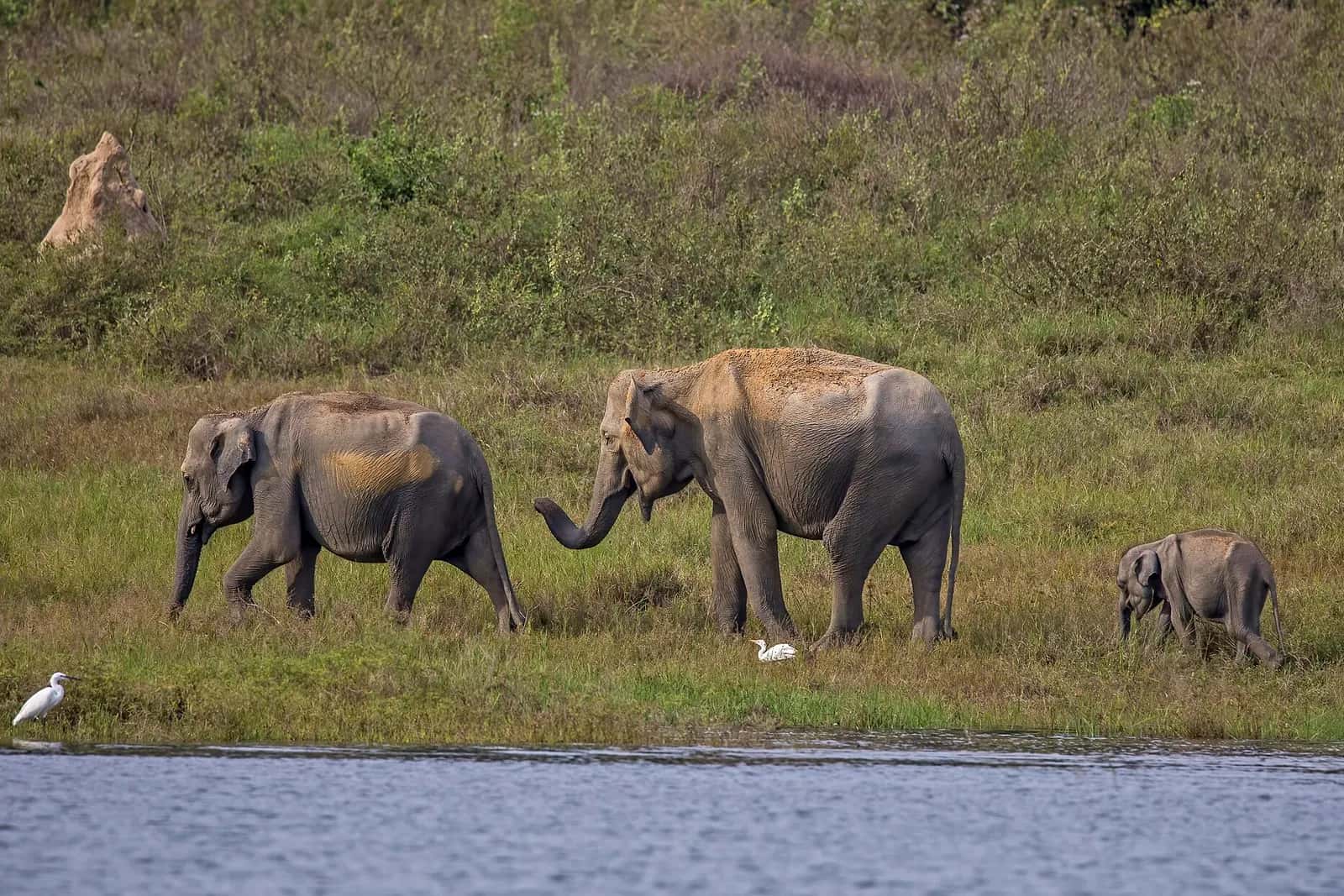
Gal Oya National Park is one of Sri Lanka's least visited parks, and one of its most unusual. At its heart is Senanayake Samudra, the largest reservoir in the country, created in the 1950s and scattered with forested islands. Instead of a jeep, you explore it by boat, and if you're lucky you'll watch a herd of elephants swim from one island to the next. It's a slower, quieter kind of safari, and a lovely one.
At a glance
| Where | Inginiyagala, near Ampara, in the south-east |
| Best months | Roughly March to July, into September |
| Boat trips | Early morning and late afternoon, about 2 to 3 hours |
| From Arugam Bay | About 2 hours by road |
| Also offered | Jeep safaris and visits to a Vedda community |
The swimming elephants
Gal Oya's elephants move between the islands and the shore to graze, and sometimes cross open water to do it, swimming with only their trunks showing. It's an extraordinary sight, but it isn't guaranteed. Sightings are most likely in the drier months, roughly March to July and into September, when water levels drop and the elephants concentrate around the reservoir. Even when they don't swim, you'll often see them on the islands and along the banks.
Ask your boat operator or lodge about recent sightings before you book, and go with an open mind: on any given trip you may see elephants swimming, grazing, or not at all.
What else you'll see
The reservoir is rich in birdlife: cormorants, darters, herons, fish eagles and kingfishers are common, and some islands have large nesting colonies. Mugger crocodiles bask on the banks, and the surrounding forest and grassland are home to deer, wild boar and occasionally sloth bears and leopards, though these are rarely seen. The scenery, with mist on the water at dawn and the hills of the Nilgala range beyond, is part of the appeal.
How the boat safari works
Boats leave from the park area at Inginiyagala, usually early in the morning and again in the late afternoon, when wildlife is most active and the light is best. A trip lasts around 2 to 3 hours. You'll pay the national park entrance fee plus the cost of the boat, which is shared between the passengers.
The easiest way to arrange it is through a lodge near the park or a tour operator in Arugam Bay; they'll book the boat, handle the park tickets and provide a guide. Bring a hat, sunscreen, water and binoculars, and a dry bag for your camera. Life jackets should be provided; ask if you don't see them.
Jeep safaris and the Vedda
Gal Oya can also be explored by jeep, through grassland and forest, including the scenic Nilgala area. Some lodges arrange a visit to a community of Vedda, Sri Lanka's indigenous people, at Rathugala, where you can learn about their traditions of hunting, honey gathering and medicine. Visit through a respectful, community-run arrangement, and ask before taking photographs. Our page on the Dambana Vedda village has more background.
Getting there
Inginiyagala is about 2 hours by road from Arugam Bay, via Siyambalanduwa and Ampara, and around 3 hours from Ella. Because the boats leave early, it's best to stay nearby the night before. A small number of lodges near the park offer comfortable stays, some with a strong focus on conservation; Ampara town has simpler options.
As a day trip from Arugam Bay, you'd need to leave around 4 am for a morning boat, or go for the afternoon trip and return after dark, when elephants may be on the road. An overnight stay is more relaxing.
Combining Gal Oya with your trip
Gal Oya fits naturally between Ella and Arugam Bay, with a short detour, or as an excursion from the bay; see things to do in Arugam Bay. If you want more conventional safaris, Kumana is close by. Our safari guide compares the parks, and seeing elephants in Sri Lanka explains the ethical ways to do it.
Frequently asked questions
Will I definitely see elephants swimming at Gal Oya?
No. It happens most often in the dry months, but it's never guaranteed. You will usually see elephants somewhere on the trip.
When is the best time for the Gal Oya boat safari?
Roughly March to July, extending into September. Early morning and late afternoon trips are best.
How long is the boat safari?
About 2 to 3 hours.
How do I book a Gal Oya boat safari?
Through a lodge near the park or a tour operator in Arugam Bay or Ella, who will arrange the boat, guide and park tickets.
Turn this into a plan
Our free AI trip planner builds a day-by-day Sri Lanka itinerary for your dates, with realistic travel times.
Plan my tripQuestions & comments
Share a tip or ask a question. Comments are moderated.
- No comments yet — be the first.
Keep planning
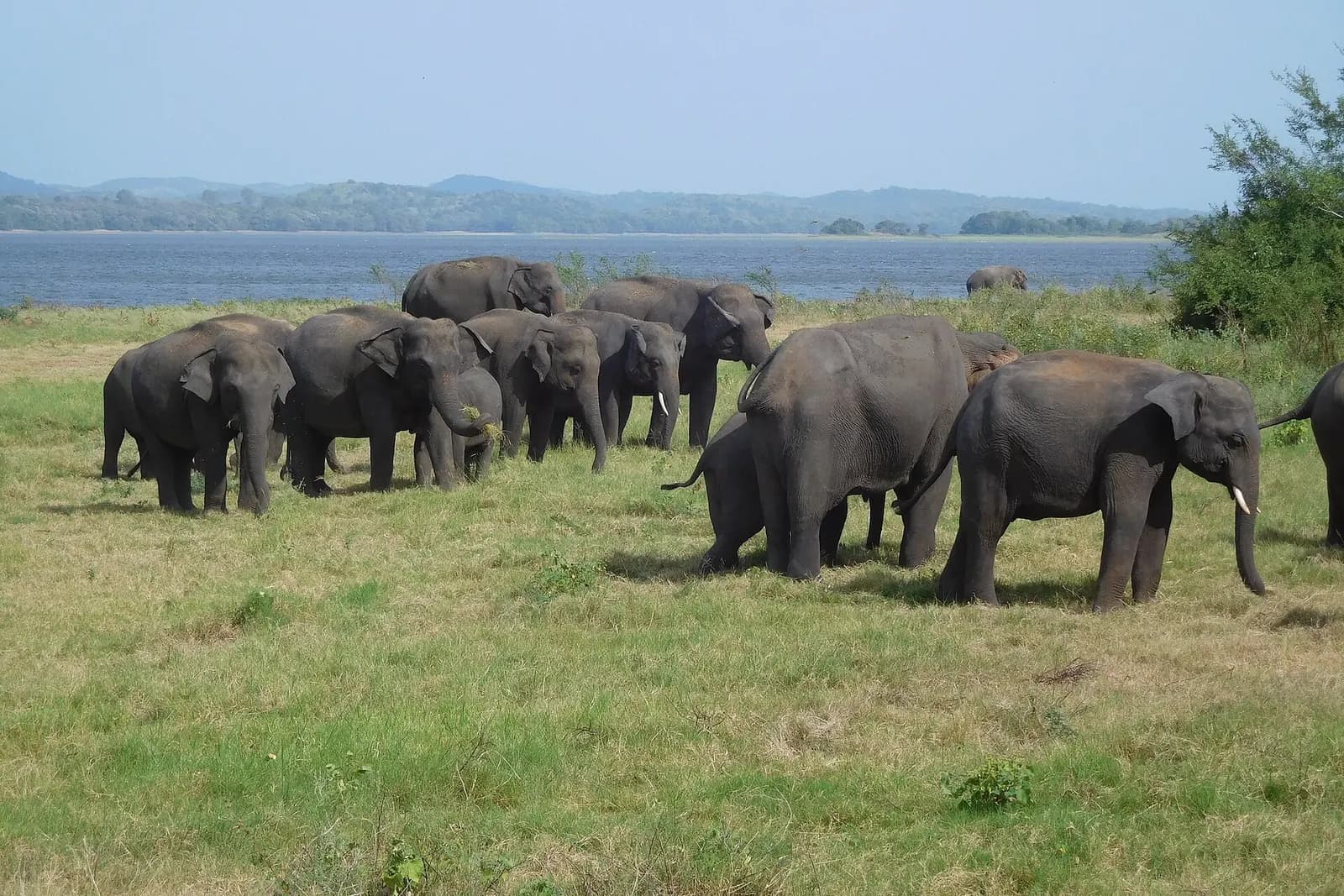
Seeing Elephants in Sri Lanka: The Best Parks and Ethical Choices
Sri Lanka has one of the highest densities of wild Asian elephants on Earth. Here's where to see them in their natural home — and which elephant experiences to avoid.
19 Nov 2026· 2 min read
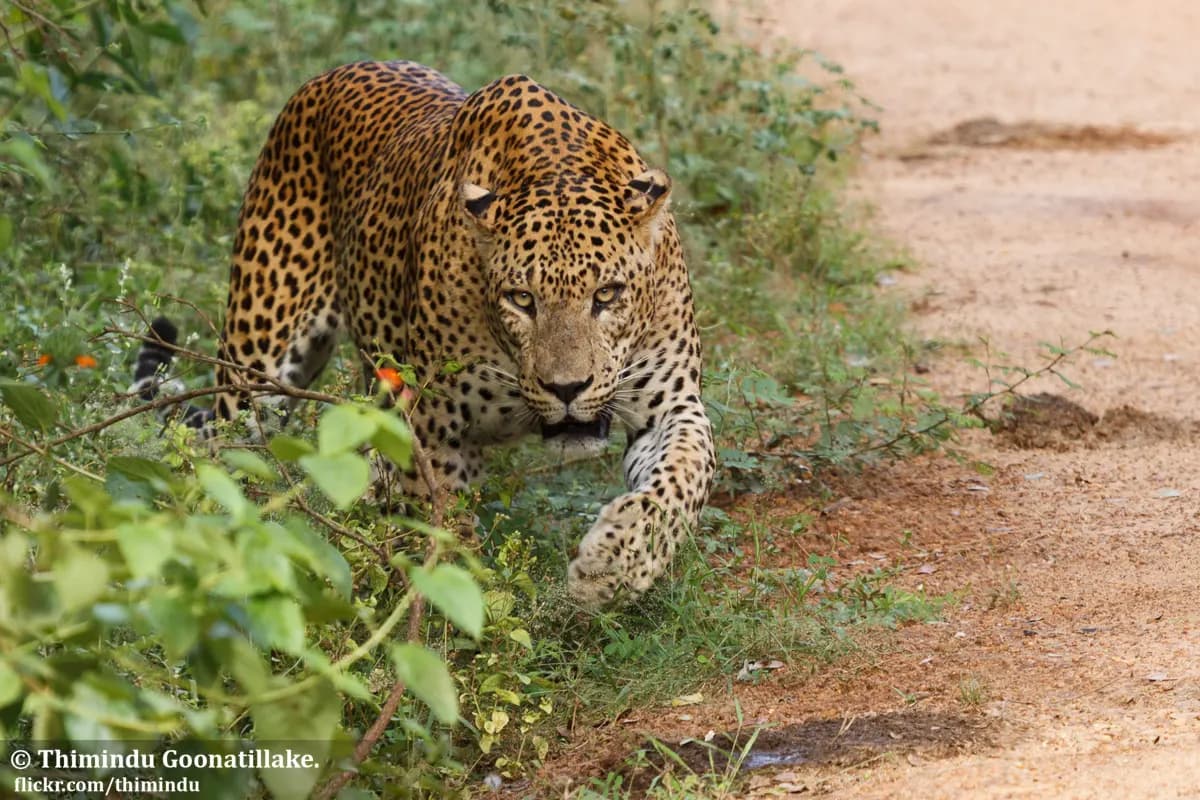
Sri Lanka Safari Guide: Which National Park Is Best for You?
Leopards, elephants, sloth bears and hundreds of bird species — Sri Lanka has some of the best wildlife viewing in Asia. Here's how to choose the right park and do it responsibly.
19 Nov 2026· 2 min read
Yala Safari from Mirissa and the South Coast: Day Trip or Overnight?
Tour desks on the south coast sell Yala day trips, but they start at 3 am. Here's what a day trip involves, why an overnight stay is often better, and when Udawalawe makes more sense.
27 Nov 2026· 3 min read