Namal Uyana, Sri Lanka
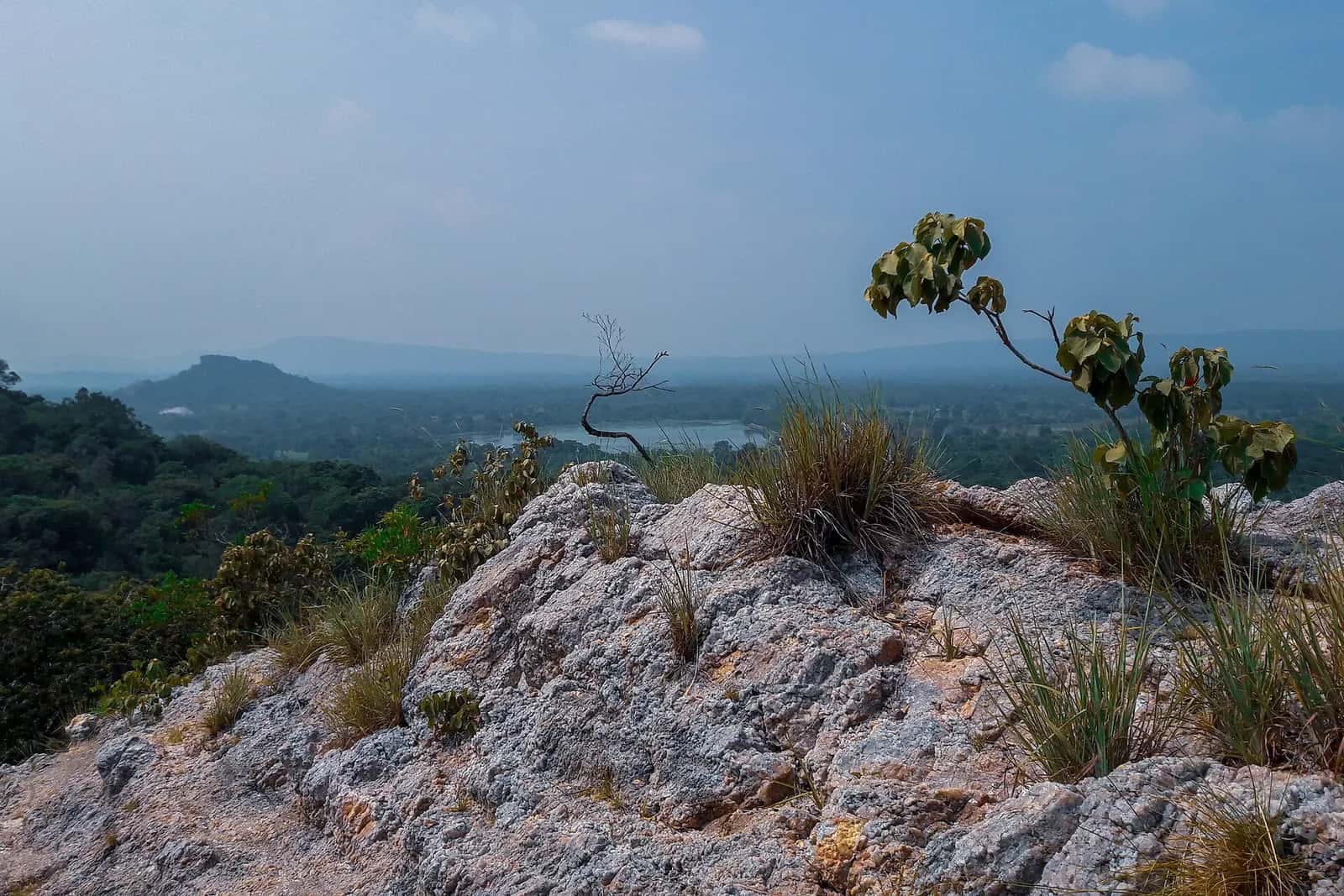
An ironwood forest and a range of pink quartz hills near Dambulla, protected as a national site. A shaded walk leads up to the rose-coloured rock and wide views.
Region
The Cultural Triangle
Best time
February to September
Time needed
1.5–2 hours
From the airport
≈ 4 h by road
Jathika Namal Uyana is a protected forest and a range of pink quartz hills near the village of Madatugama, about 15 km north-west of Dambulla. It combines two rarities. The forest is made up largely of na trees, the ironwood that is Sri Lanka's national tree, and it's said to be the largest of its kind. Above it rises a ridge of rose quartz, described as the largest pink quartz deposit in South Asia.
The walk
From the entrance, a shaded path leads through the ironwood forest. The trees have dark, dense timber, and their young leaves emerge bright red before turning green. In the flowering season, usually around April and May, they are covered in white, scented blossoms.
After about 20 to 30 minutes of gentle walking, the forest opens onto the bare quartz hillside. The rock ranges from white to pale pink and rose, and it glitters in the sun. A path continues up to a viewpoint with a small Buddha statue, from where you look out over forest, reservoirs and distant hills.
Allow 1.5 to 2 hours for the round trip. The climb over the quartz is moderately steep, and the rock is exposed and hot, with loose stones. Good shoes, a hat and water are essential.
History and legend
Tradition links the forest with King Devanampiya Tissa, in the 3rd century BC, and says that it later served as a sanctuary where people could take refuge. Ruins of a monastery have been found among the trees. Geologists estimate that the quartz range itself is more than 500 million years old. The site owes its protection largely to a Buddhist monk, Venerable Wanawasi Rahula, who lived here from the 1990s and campaigned for it to be declared a national site.
Rules
- Don't take any quartz. Removing even a small piece is forbidden, and bags may be checked.
- Stay on the paths, and don't climb on fragile sections.
- Take your litter out with you.
An entrance fee is charged, with a higher rate for foreign visitors.
When to go
Go early in the morning or in the late afternoon. In the middle of the day, the quartz reflects fierce heat and glare. The driest months in this region are February to September. The pink colour shows best in soft, low light and after rain has washed the dust from the rock.
Getting there
Namal Uyana is signposted from the Dambulla to Anuradhapura road at Madatugama, and it lies about 7 km down a side road. The drive from Dambulla or Sigiriya takes 30 to 45 minutes. A tuk-tuk or car with a driver is the only practical way. It works well as a half-day trip, or as a stop on the way to the Aukana Buddha. See our Cultural Triangle itinerary.
Namal Uyana: frequently asked questions
Is the pink quartz at Namal Uyana really pink?
Yes, though the colour is a soft rose and white, and it is strongest in low light.
How long is the walk at Namal Uyana?
About 1.5 to 2 hours there and back, including the climb to the viewpoint.
Can you take quartz from Namal Uyana?
No. Removing quartz is strictly prohibited.
Map and getting there
Approximate road times (Sri Lanka’s roads are slow — allow extra time for traffic and stops): Colombo airport (CMB) ≈ 4 h · Kandy ≈ 2.5 h · Galle ≈ 8 h. For flexible door-to-door travel, consider a local driver.
More places near Namal Uyana
 heritage
The Cultural Triangle
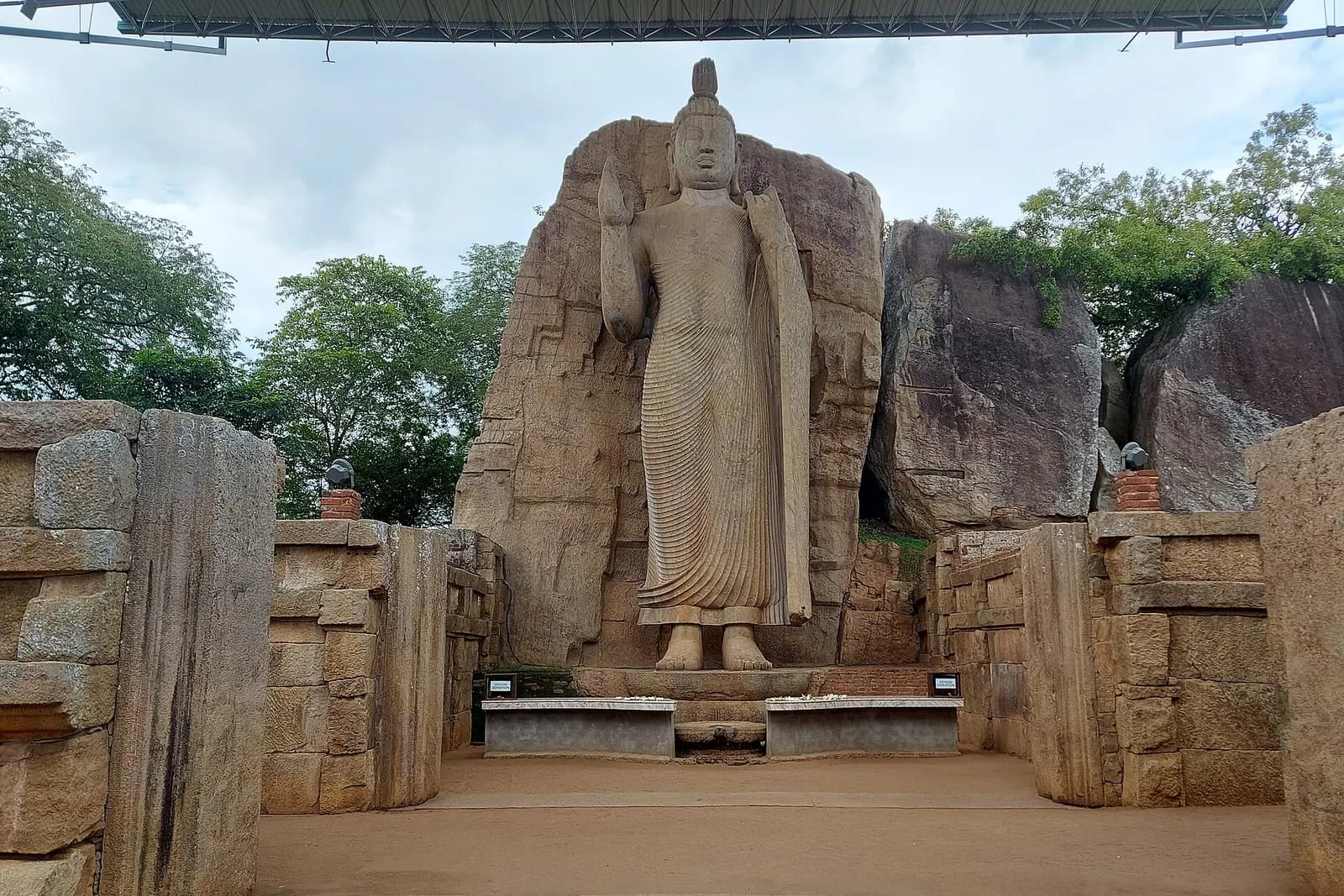
Aukana Buddha Statue
A 12-metre standing Buddha carved from a granite cliff, generally dated to the 5th century, beside the Kala Wewa reservoir. Early-morning light falls on its face beautifully.
Best: February to September
 heritage
The Cultural Triangle
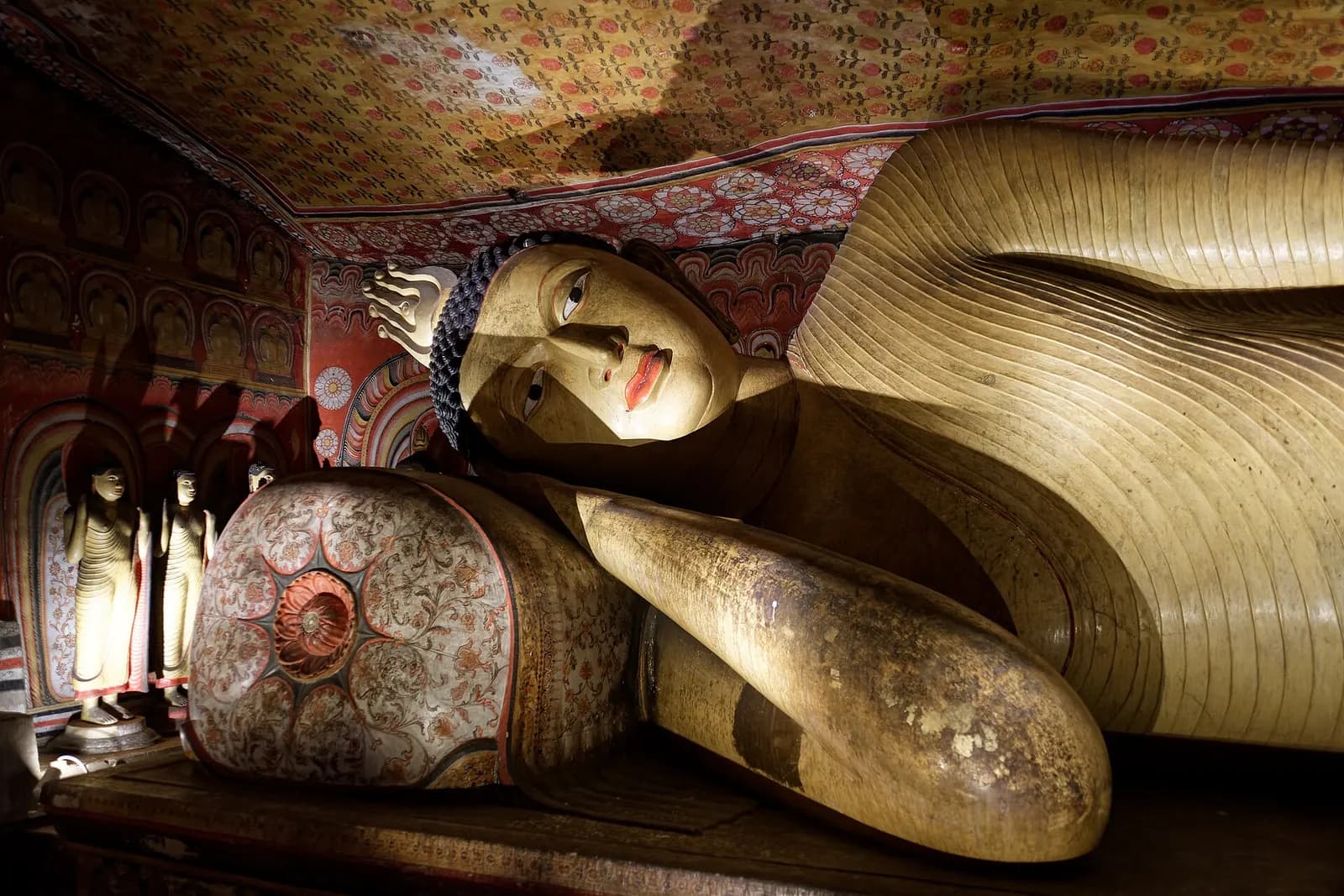
Dambulla Cave Temple
A UNESCO-listed complex of five caves filled with Buddha statues and painted ceilings, in use for over 2,000 years. Climb in the early morning and remove shoes and hats at the top.
Best: February to September
 heritage
The Cultural Triangle
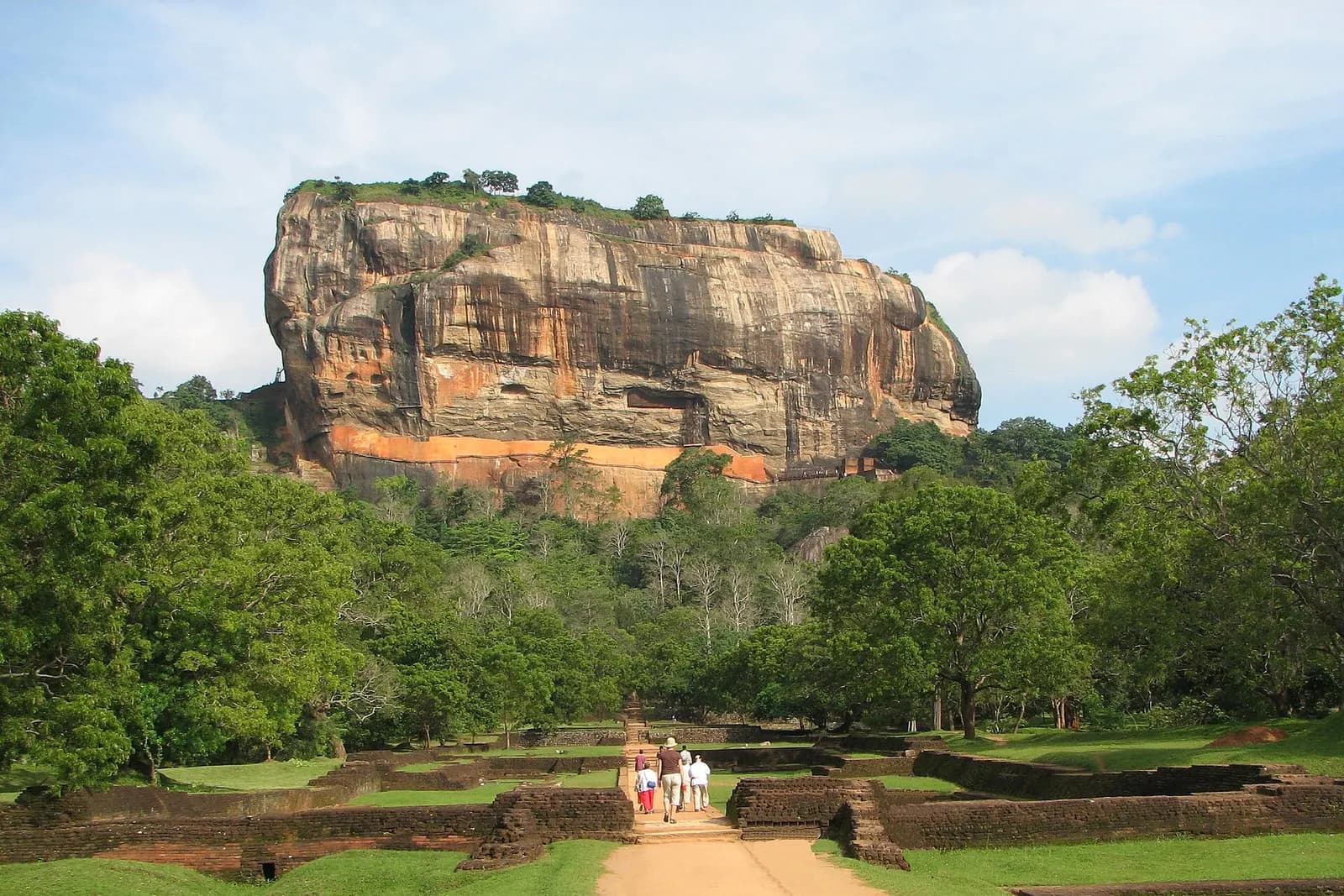
Sigiriya Rock Fortress
King Kashyapa's 5th-century palace on top of a 200-metre rock, with water gardens, frescoes and the giant lion's paws. Sri Lanka's most iconic sight — go at opening time to beat heat and crowds.
Best: February to September
Last updated November 2026. February to September is driest; the Minneriya elephant gathering peaks in August and September.