Handunugoda Tea Estate, Sri Lanka
A low-country tea estate in the hills behind Ahangama, known for its 'virgin white tea' and for generous free tours that end with a tasting and a slice of cake.
Region
The South Coast
Best time
December to April
Time needed
1.5 hours
From the airport
≈ 5.5 h by road
Most people think of tea as something that grows in the misty hills. Handunugoda shows that it also grows almost at sea level. This family-owned estate lies at Tittagalla, about 6 km inland from Ahangama and Koggala, and it is famous for one unusual product: "virgin white tea". Its tours are among the most generous and entertaining in the country.
Virgin white tea
White tea is made from the unopened buds of the tea bush, which are simply dried, with no rolling or fermenting. At Handunugoda, the story goes a step further. The buds are snipped with scissors by pickers wearing gloves, and they fall into a bowl, so the leaf is never touched by human hands until it's brewed. The estate says that the method was inspired by a Chinese imperial tradition. The result is a very pale, delicate tea that is high in antioxidants, according to the estate, and it sells for a high price.
Whatever you make of the marketing, it's an interesting process to see, and the tea is pleasant to drink.
The tour
Tours are free, and they usually run through the day without booking. A guide walks you through the plantation, which also grows rubber, cinnamon, pepper and coconut, and explains how each is harvested. You then sit on the bungalow veranda for a cup of tea and a slice of cake, before visiting the small factory, where vintage machines, some more than a century old, still roll and dry the leaf.
The visit ends in the tasting room, where you can sample dozens of teas, from strong black teas to flavoured blends and the white tea itself. There's a shop, with no pressure to buy.
Allow about 1.5 hours. A tip for your guide is appreciated.
Low-grown tea
Sri Lankan tea is classed by altitude. The low-grown teas of the south, from the Ruhuna region, are darker and stronger than the light teas of Nuwara Eliya, and they are prized in the Middle East and Russia. If you've already toured a hill-country factory, Handunugoda makes a good comparison. Our tea country guide explains the regions.
When to go
The estate is open daily, though the factory may be quieter on Sundays and poya days. Mornings are cooler for the plantation walk. Rain is possible at any time of year, and the wettest months are May to October.
Getting there
A tuk-tuk from Ahangama or Koggala takes about 15 minutes, and from Galle or Unawatuna about 40 minutes. Ask the driver to wait. It combines well with a morning boat trip on Koggala Lake, and it fits easily into a south coast itinerary.
Handunugoda Tea Estate: frequently asked questions
Is the Handunugoda tea tour free?
Yes, the tour and tasting are free. Tips and purchases are optional.
What is virgin white tea?
A white tea made from buds cut with scissors and never touched by hand during production.
How far is Handunugoda from Galle?
About 23 km, or 40 minutes by road.
Map and getting there
Approximate road times (Sri Lanka’s roads are slow — allow extra time for traffic and stops): Colombo airport (CMB) ≈ 5.5 h · Kandy ≈ 5.5 h · Galle ≈ 45 min. For flexible door-to-door travel, consider a local driver.
Related travel guides
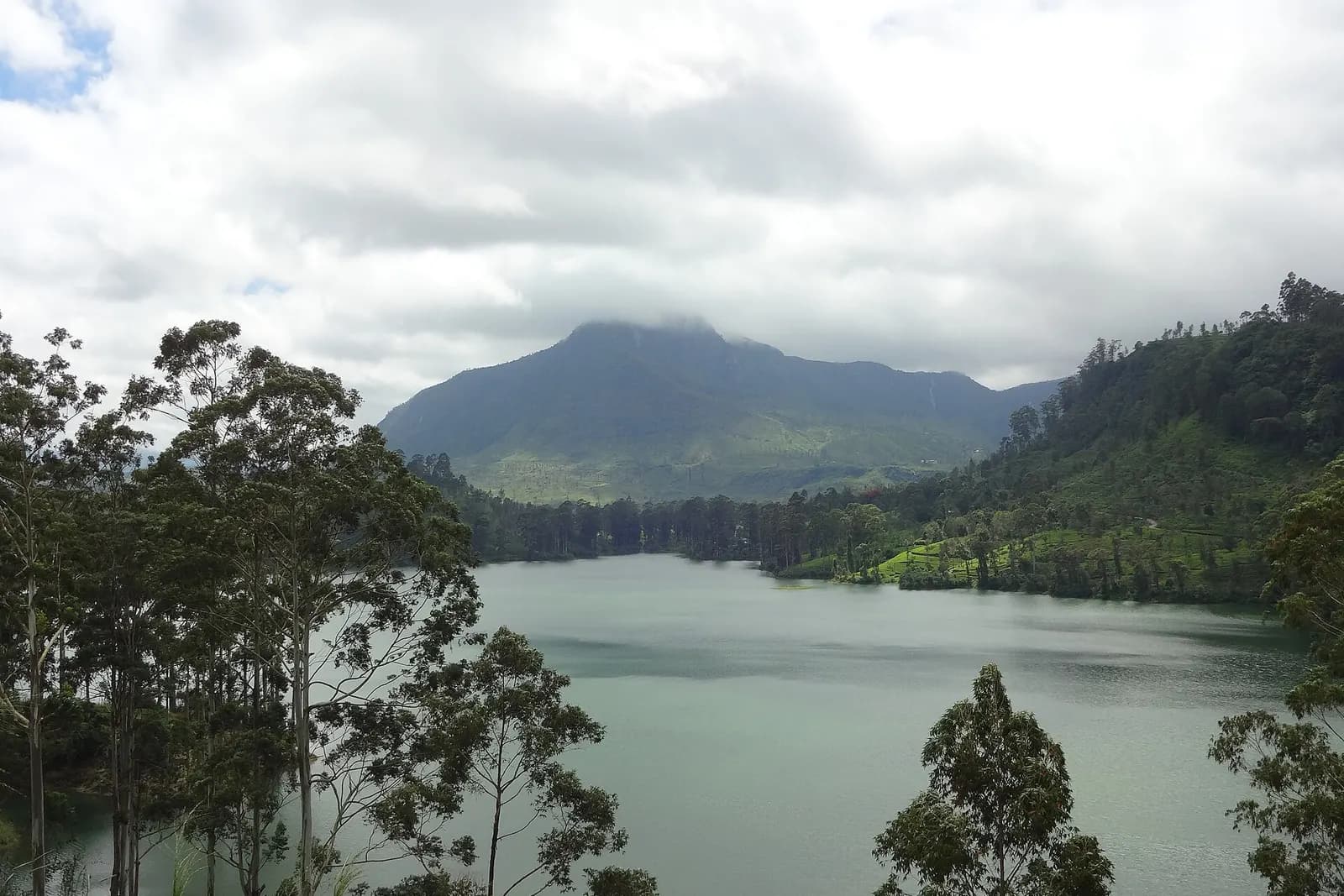
More places near Handunugoda Tea Estate
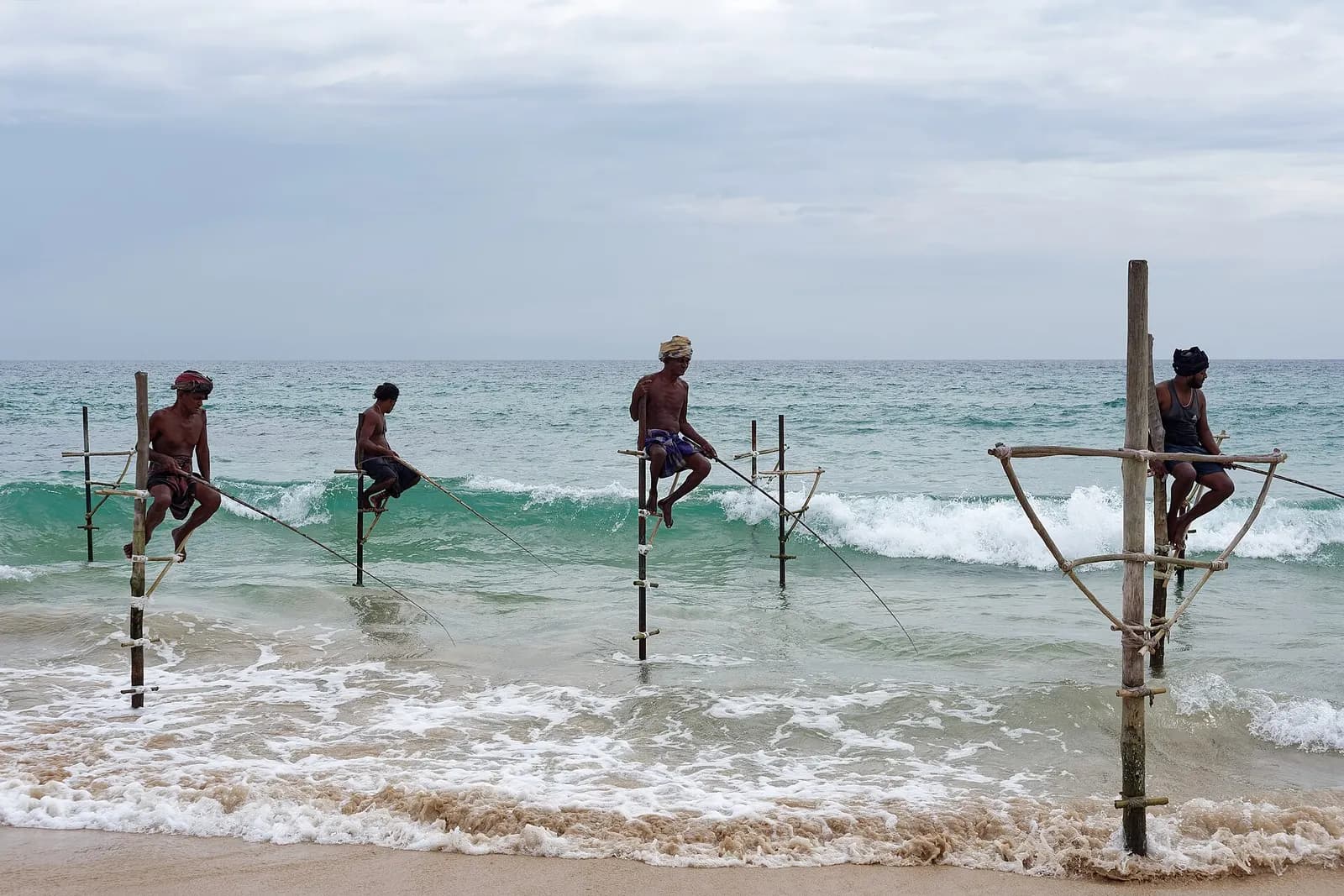 beach
The South Coast
Ahangama
A laid-back surf village between Galle and Weligama with reef breaks, design-led guesthouses and some of the best cafés on the coast. The famous stilt fishermen perch on poles nearby at Koggala.
Best: December to April
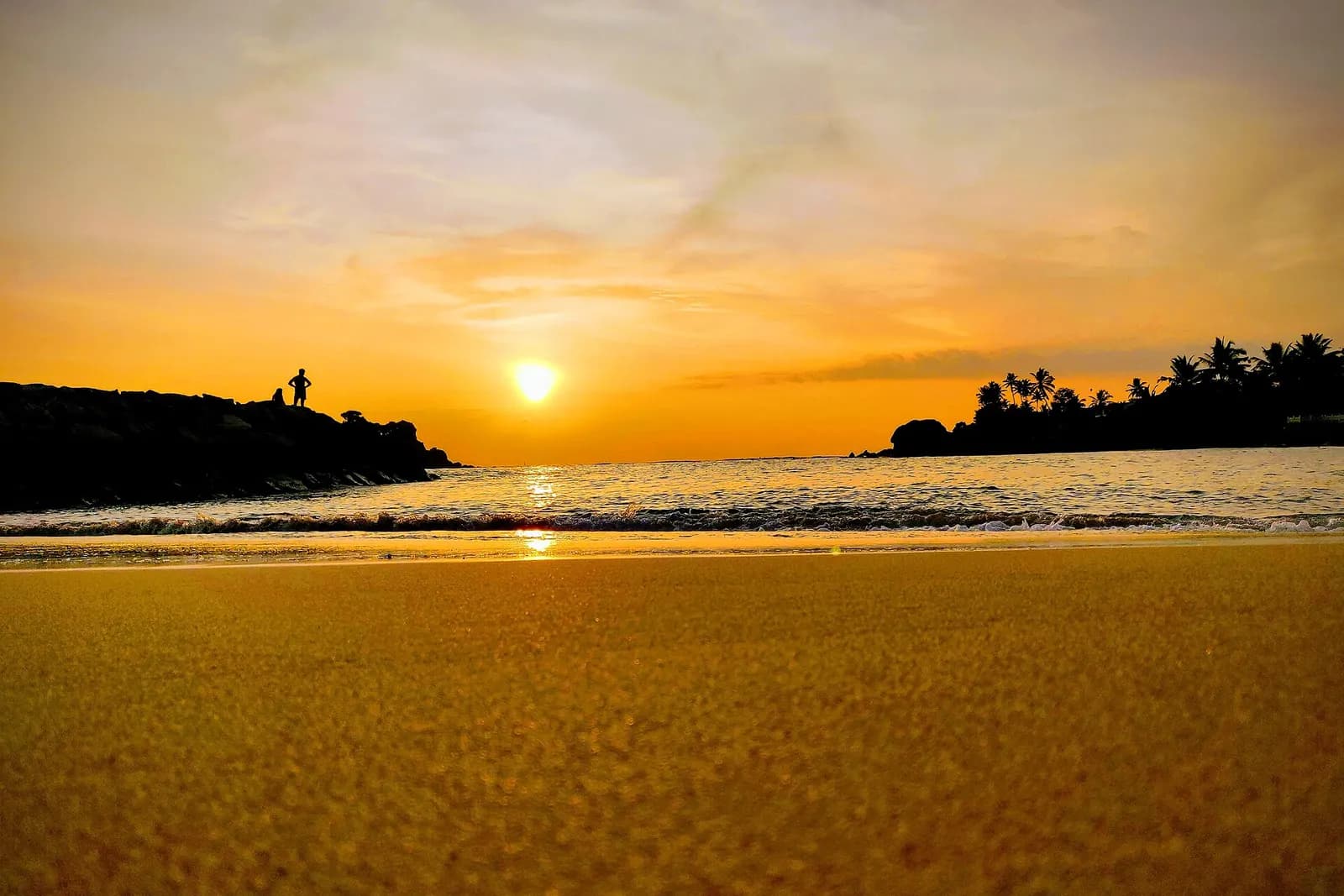 beach
The South Coast
Midigama
A low-key surf village between Ahangama and Weligama with a cluster of reef breaks for intermediate and experienced surfers, simple guesthouses and a station on the coastal railway.
Best: December to April
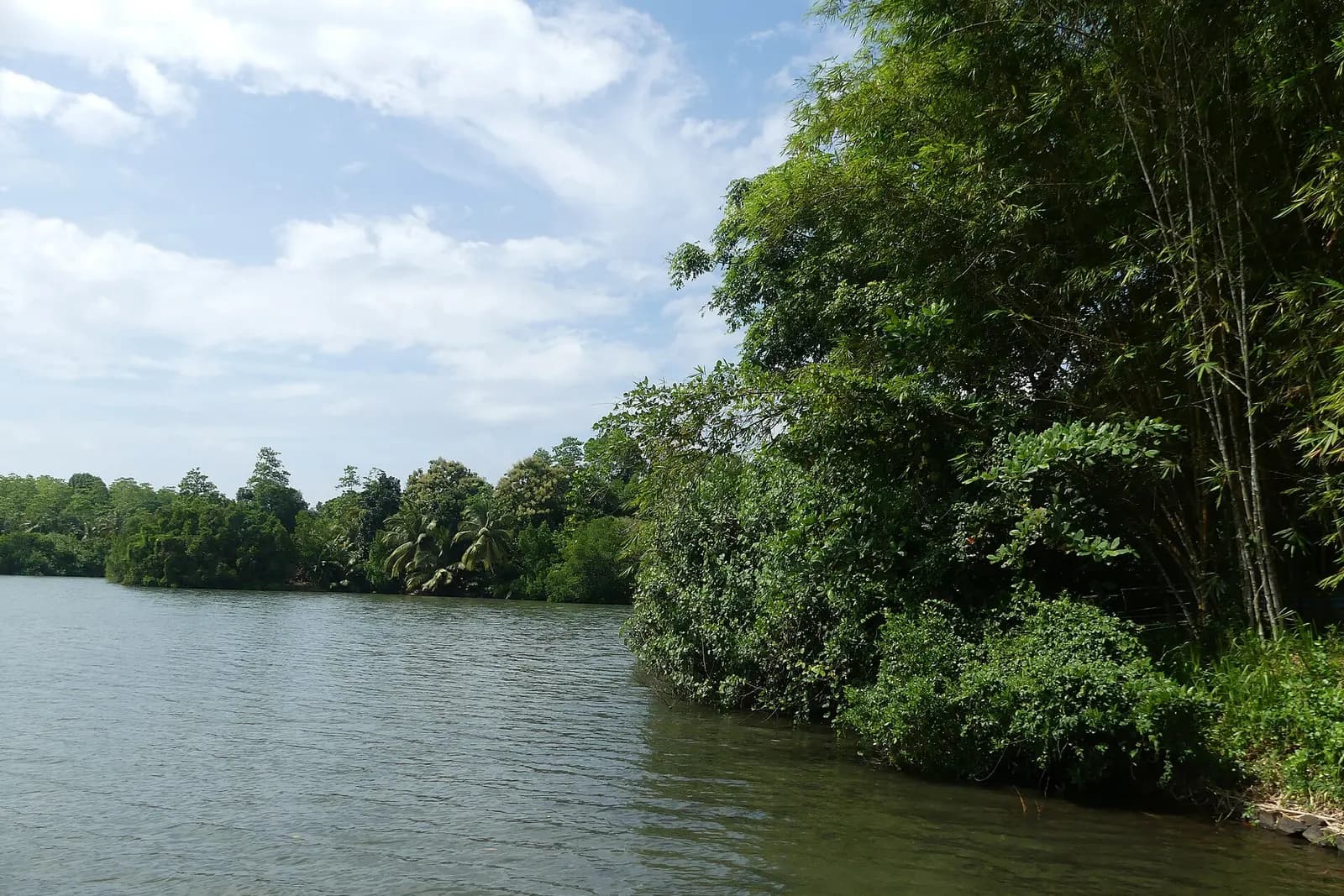 nature
The South Coast
Koggala Lake
A large coastal lagoon dotted with islands, including a cinnamon island and a small Buddhist temple. Boat trips are best early in the morning for birds; the stilt fishermen work the shore nearby.
Best: December to April
Last updated November 2026. December to April. Whale watching from Mirissa runs November to April.