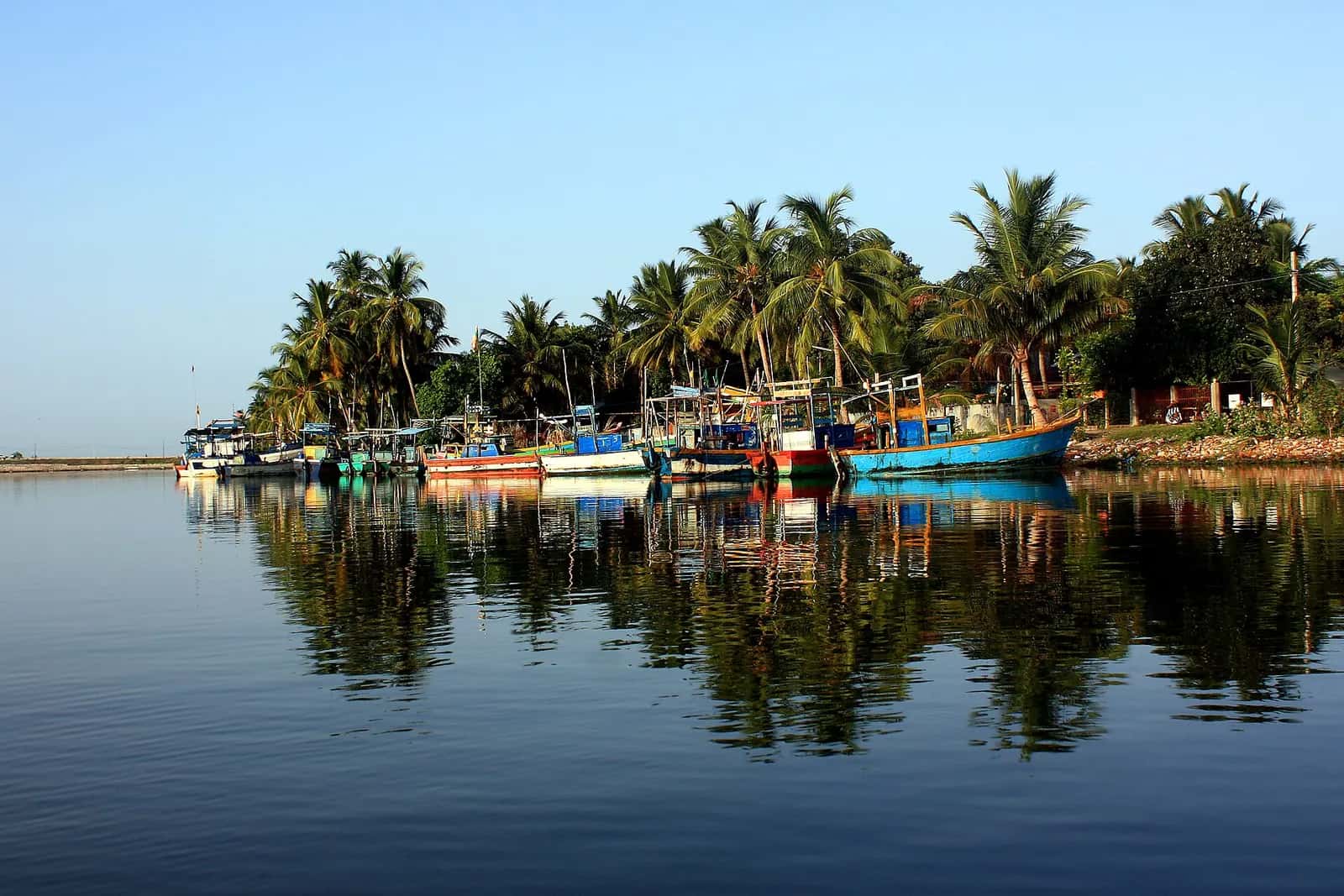
Batticaloa Lagoon, Sri Lanka
A long lagoon wrapped around the town of Batticaloa, known for its Dutch fort, lighthouse and the legend of the 'singing fish' heard on still, full-moon nights.
Region
The East Coast
Best time
May to September
Time needed
1 day
From the airport
≈ 8 h by road
Batticaloa is the largest town on Sri Lanka's east coast, built around a long, island-dotted lagoon and surrounded by palms and rice fields. It's not as popular with tourists as Trincomalee or Arugam Bay, and that's part of its appeal. A mix of Tamil Hindus, Muslims and Christians live here, in a town that has recovered from war and the 2004 tsunami. It makes a very interesting stop on an east coast journey.
Things to see
- Batticaloa Fort. Built by the Portuguese in 1628 and later taken over by the Dutch, this small fort stands on an island, surrounded by the lagoon. It's used in part for offices, but you can walk around its old walls, and it has a good view over the water.
- The lagoon. The 56 km-long lagoon is at the heart of the town. Take a boat trip early or late in the day to see fishermen working, along with birds and small islands. You can ask at your guesthouse to arrange one.
- The Kallady Bridge. Also called Lady Manning Bridge, this is the place to go to try and hear the "singing fish", and to see the sun going down.
- The Lighthouse at Palameenmadu. A white tower stands at the point where the lagoon meets the sea, about 5 km north of the town. It's a nice ride out, and a good spot for sunset.
- Churches and temples. Portuguese and Dutch missionaries left a strong mark, and you'll find colourful old churches and Hindu kovils throughout the town.
- The Gandhi Park and town market. These are great spots for seeing how the local people spend their time.
The singing fish
Batticaloa's most famous legend is that on calm, moonlit nights, especially from around April to September, faint musical sounds can be heard coming up from the lagoon. Some people call them singing fish, while others put them down to shellfish or to the moving water. In the old days, listeners would lower an oar into the water and put the other end to their ear. Local boatmen can still take you out to listen, though there are no guarantees. Whatever the explanation, it's a pleasant way to spend an evening.
Beaches
Kallady Beach, a few kilometres from town, is long and sandy, with locals and a few simple restaurants. The sea can be rough, with strong currents, so check locally before you swim. For safer swimming, head an hour north to Pasikudah, which has calm, shallow water. Our beach safety guide has more on this.
When to go
May to September has the best weather, while the months from October to January bring heavy rain and sometimes flooding. Late March and April are also often good. It gets very hot and humid in the middle of the year, so make sure you do your sightseeing in the morning or late afternoon.
Where to stay and eat
There's a good range of guesthouses and mid-range hotels, either around the lagoon or near Kallady Beach. For food, look for fresh seafood, crab and lagoon prawns, as well as Tamil vegetarian meals and short eats. It's a good idea to learn a few words of Tamil. See our useful phrases.
Getting there
By road, it's about 7 hours from Colombo, or about 2 hours from Polonnaruwa. It's about 3 hours south to Arugam Bay along the coast. Trains run from Colombo through Polonnaruwa, and there's often an overnight service. See our train guide and our east coast itinerary for more.
Batticaloa Lagoon: frequently asked questions
Is Batticaloa worth visiting?
Yes, for a night or two on the east coast. It's interesting for culture and history, but it isn't a beach resort.
Can you really hear singing fish in Batticaloa?
Sometimes, according to local people, on still nights. Nobody can guarantee it, and even the cause is disputed.
Is Batticaloa safe to visit?
Yes. The war ended in 2009, and the town is welcoming. Use the same care you would anywhere else, and be sensitive when talking about the past.
Map and getting there
Approximate road times (Sri Lanka’s roads are slow — allow extra time for traffic and stops): Colombo airport (CMB) ≈ 8 h · Kandy ≈ 4.5 h · Galle ≈ 9 h. For flexible door-to-door travel, consider a local driver.
Related travel guides
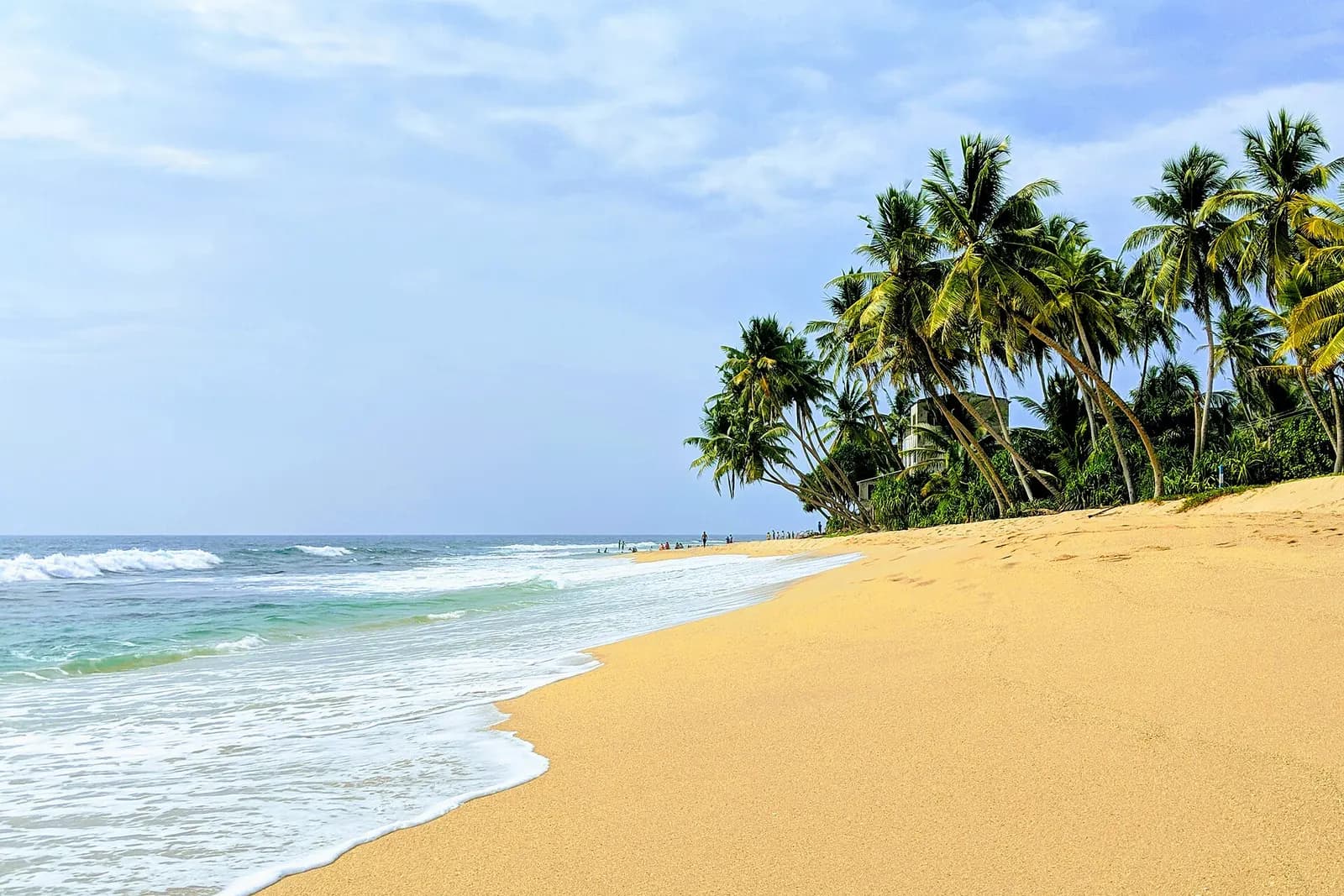
The Best Train Journeys in Sri Lanka (Beyond Kandy to Ella)
The Kandy–Ella train gets all the fame, but Sri Lanka has several more beautiful rail journeys — along the Indian Ocean, through the dry zone and up to Jaffna. Here's how to ride them.
6 Nov 2026· 3 min read
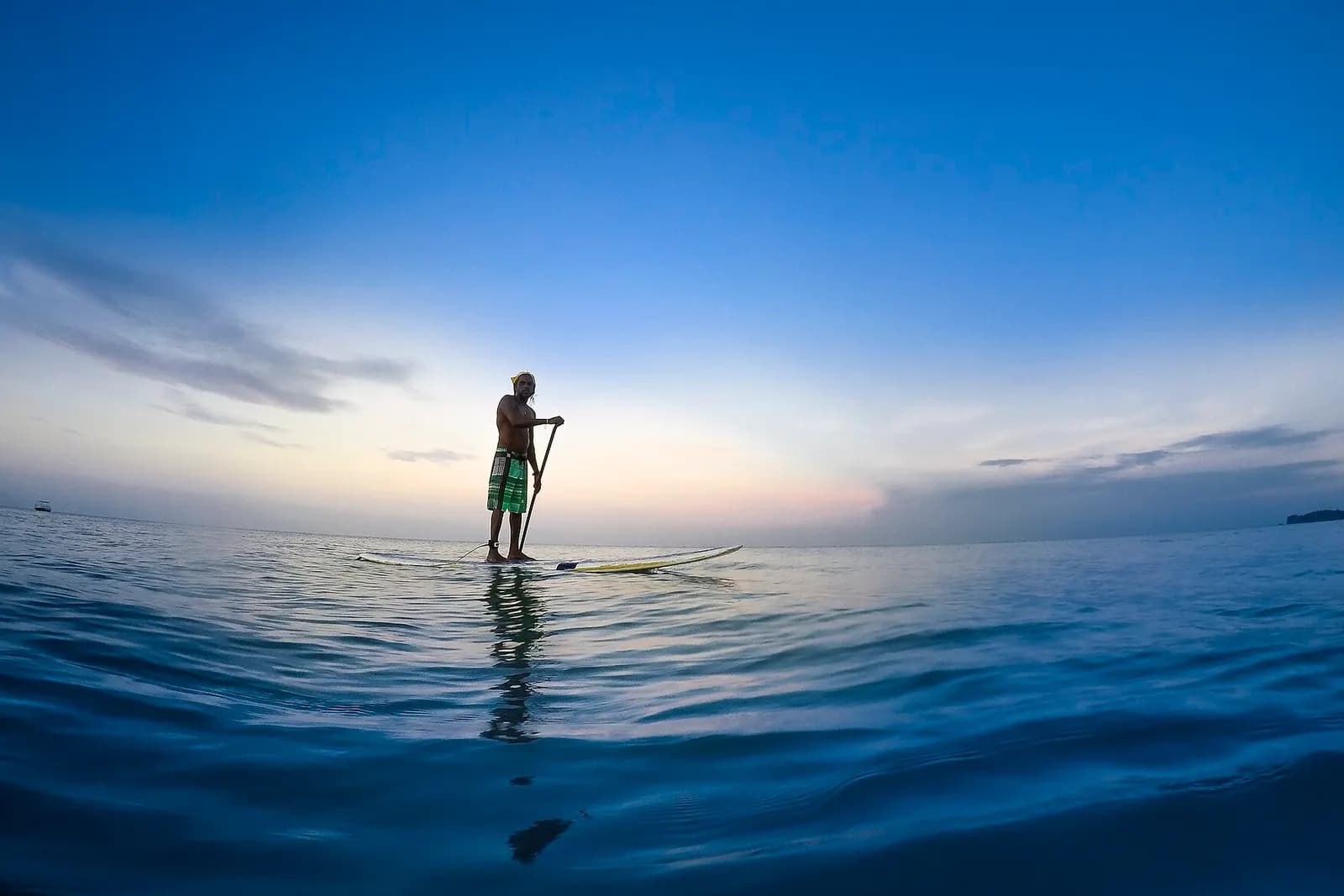
Sri Lanka East Coast Itinerary: Trincomalee, Pasikudah and Arugam Bay
When monsoon rain hits the south-west, the east coast is at its best — calm turquoise water, coral reefs and some of Asia's best surf. Here's how to plan a summer trip.
12 Nov 2026· 2 min read
More places near Batticaloa Lagoon
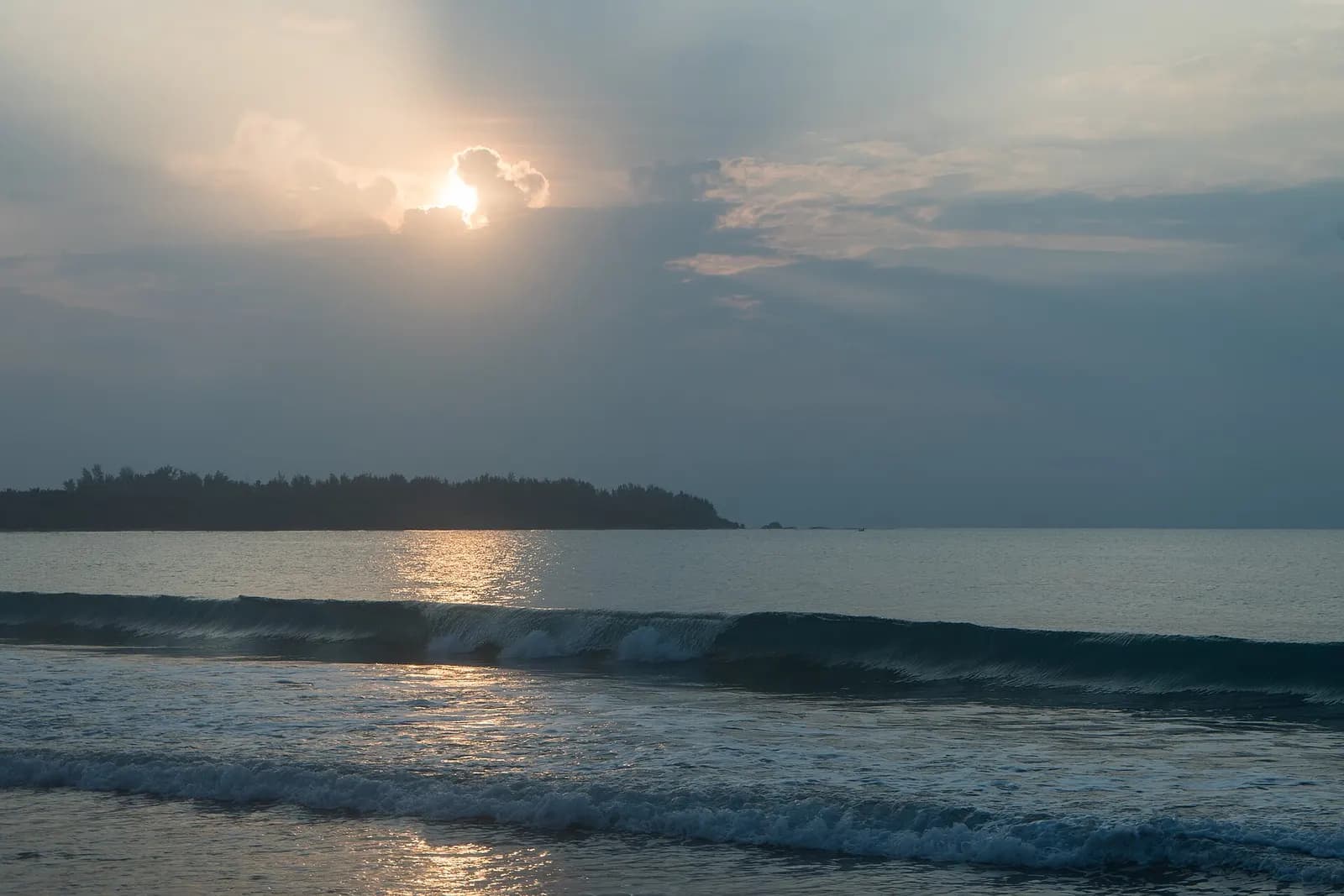 beach
The East Coast
Kalkudah Beach
The wilder, quieter neighbour of Pasikudah, with a long beach and few buildings. Bring your own shade and check sea conditions before swimming.
Best: May to September
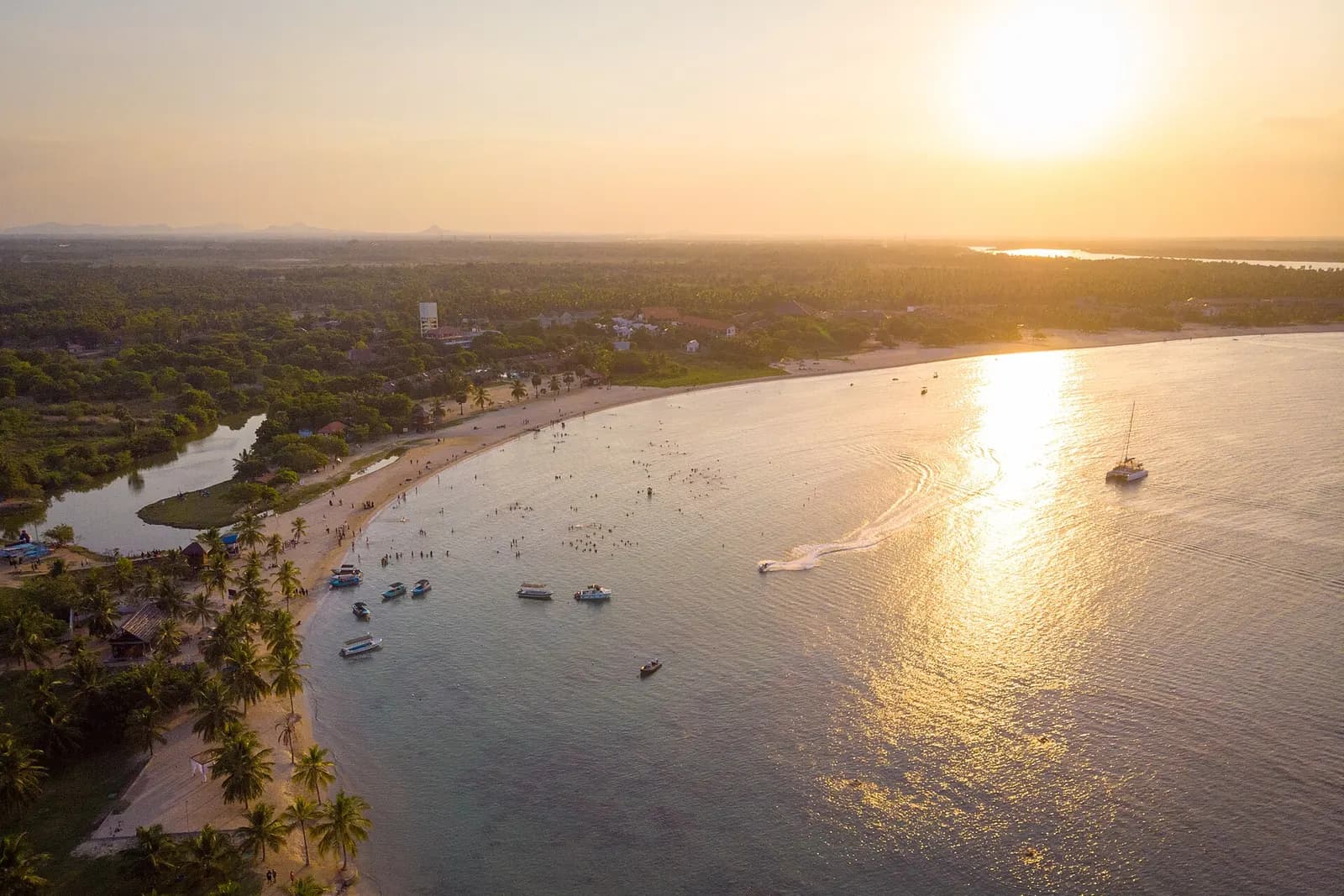 beach
The East Coast
Pasikudah Bay
A shallow, reef-protected bay where you can wade far out in calm, clear water — one of the most child-friendly beaches in the country. Mostly lined with resort hotels.
Best: May to September
 wildlife
The East Coast
Gal Oya National Park
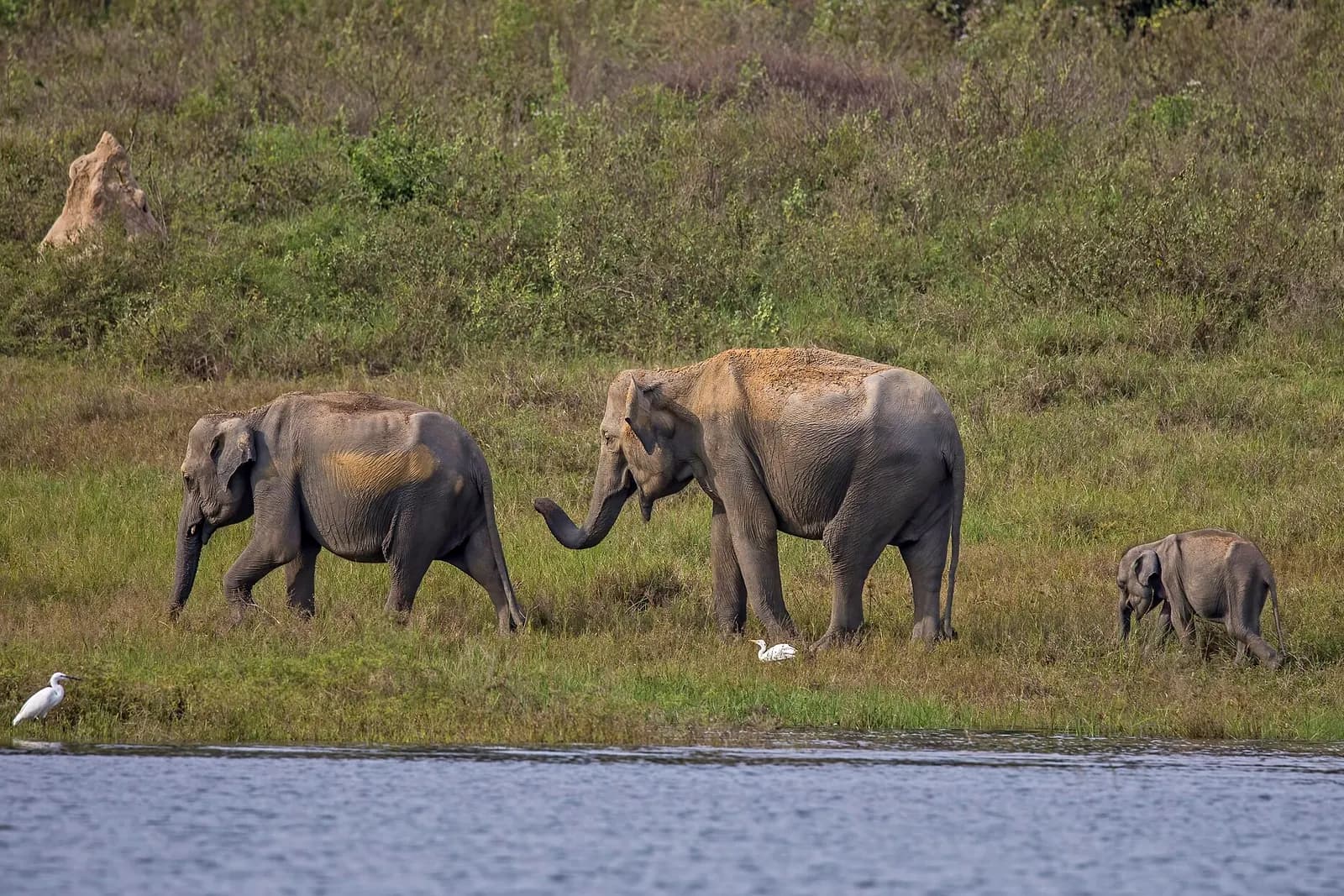
The only park in Sri Lanka with boat safaris, on the Senanayake Samudraya reservoir, where elephants sometimes swim between islands. Remote, peaceful and rarely visited.
Best: March to July
Last updated November 2026. May to September (the opposite season to the south and west coasts).